Three Chinese astronauts arrived Thursday at China's new space station at the start of a three-month mission, marking another milestone in the country’s ambitious space program.
Their Shenzhou-12 craft connected with the space station module about six hours after taking off from the Jiuquan launch center on the edge of the Gobi Desert.
About three hours later, commander Nie Haisheng, 56, followed by Liu Boming, 54, and space rookie Tang Hongbo, 45, opened the hatches and floated into the Tianhe-1 core living module. Pictures showed them busy at work unpacking equipment.
“This represents the first time Chinese have entered their own space station,” state broadcaster CCTV said on its nightly news broadcast.
The crew will carry out experiments, test equipment, conduct maintenance and prepare the station for receiving two laboratory modules next year. The mission brings to 14 the number of astronauts China has launched into space since 2003, becoming only the third country after the former Soviet Union and the United States to do so on its own.
All appears to have gone smoothly so far. China's leaders hope the mission will be a complete success as the ruling Communist Party prepares to celebrate the centenary of its founding next month.
The astronauts were seen off by space officials, other uniformed military personnel and a crowd of children waving flowers and flags and singing patriotic songs before blasting off at 9:22 a.m (0122 GMT) atop a Long March-2F Y12 rocket.
The rocket dropped its boosters about two minutes into the flight followed by the cowling surrounding Shenzhou-12. After about 10 minutes it separated from the rocket's upper section, extended its solar panels and shortly afterward entered orbit.
About a half-dozen adjustments took place over the following six hours to line up the spaceship for docking with the Tianhe-1, or Heavenly Harmony, module at about 4 p.m. (0800 GMT).
The travel time is down from the two days it took to reach China's earlier experimental space stations, a result of a “great many breakthroughs and innovations," the mission’s deputy chief designer, Gao Xu, told state broadcaster CCTV.
“So the astronauts can have a good rest in space which should make them less tired," Gao said.
Other improvements include an increase in the number of automated and remote-controlled systems that should “significantly lessen the pressure on the astronauts," Gao said.
Two astronauts on those past missions were women, and while this first station crew is all male, women are expected to be part of future station crews.
The mission is the third of 11 planned through next year to add the additional sections to the station and send up crews and supplies. A fresh three-member crew and a cargo ship with supplies will be sent in three months.
China is not a participant in the International Space Station, largely as a result of U.S. objections to the Chinese programs secrecy and close military ties. However, China has been stepping up cooperation with Russia and a host of other countries, and its station may continue operating beyond the International Space Station, which is reaching the end of its functional life.
China landed a probe on Mars last month that carried a rover, the Zhurong, and earlier landed a probe and rover on the moon's less explored far side and brought back the first lunar samples by any country’s space program since the 1970s.
China and Russia this week also unveiled an ambitious plan for a joint International Lunar Research Station running through 2036. That could compete and possibly conflict with the multinational Artemis Accords, a blueprint for space cooperation that supports NASA’s plans to return humans to the moon by 2024 and to launch an historic human mission to Mars.
After the Tianhe-1 was launched in April, the rocket that carried it into space made an uncontrolled reentry to Earth, though China dismissed criticism of the potential safety hazard. Usually, discarded rocket stages reenter the atmosphere soon after liftoff, normally over water, and don’t go into orbit.
The rocket used Thursday is of a different type and the components that will reenter are expected to burn up long before they could be a danger, said Ji Qiming, assistant director of the China Manned Space Agency.
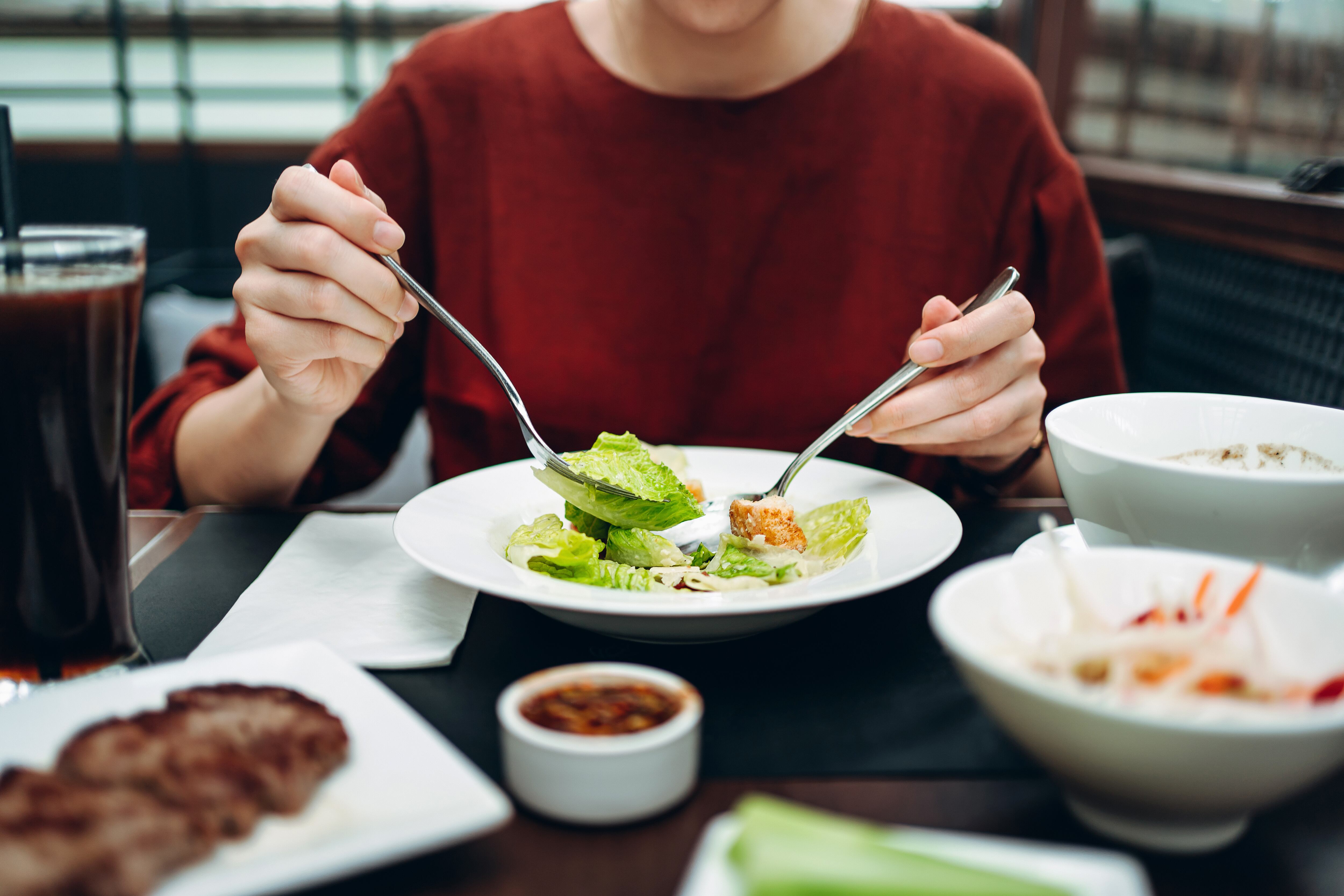
Ellen Fitzsimmons-Craft, assistant professor of psychiatry at Washington University School of Medicine, joins Cheddar News to discuss how chatbots can help prevent eating disorders and the research that uncovered these findings.
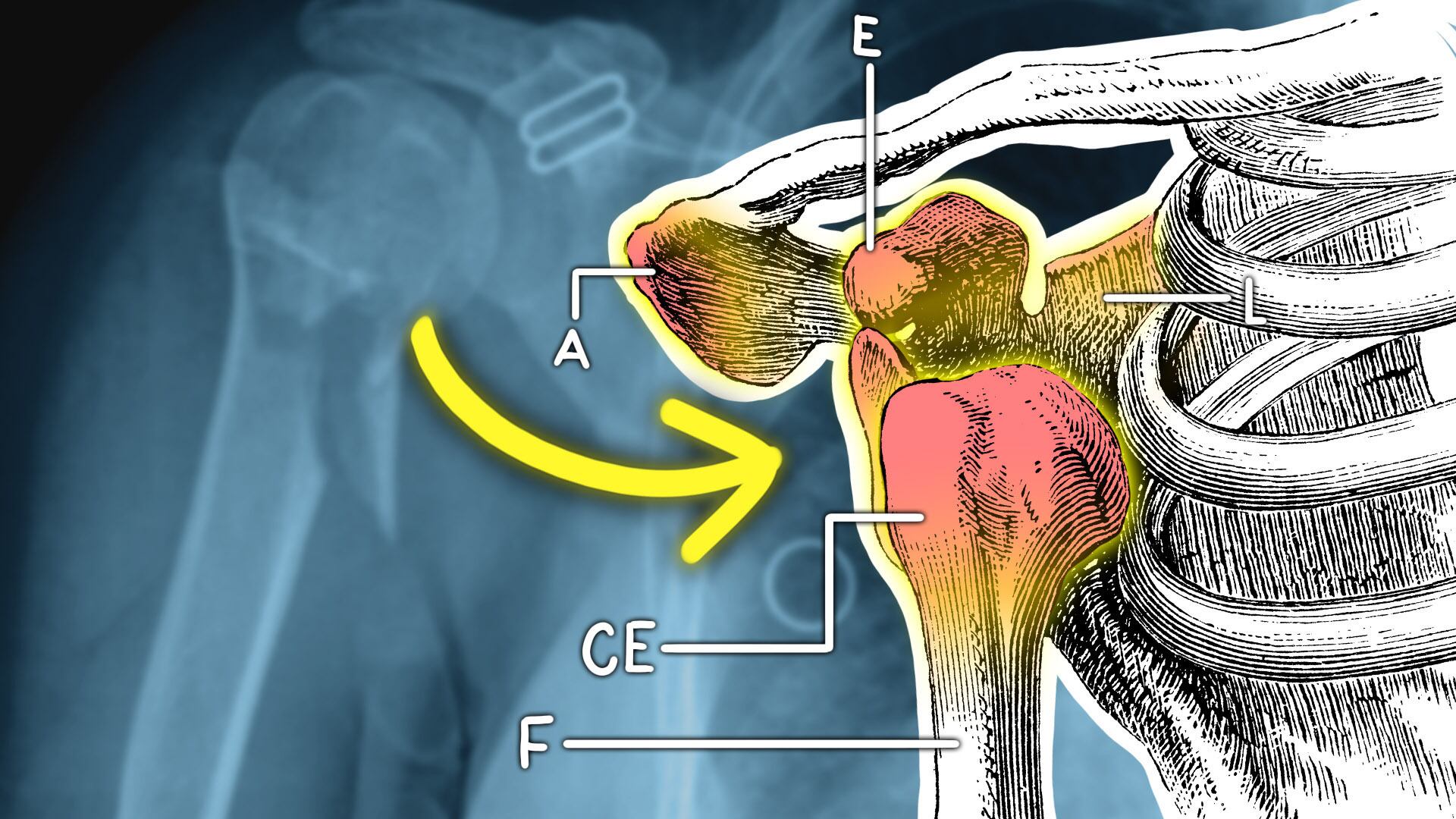
Shoulder injuries are one of the most common orthopedic injuries – and they're also one of the most commonly ignored. But chimpanzees, with whom we share nearly 99% of our DNA, don’t encounter the same issues we do. So why are human shoulders such a design disaster? Well, we can trace the answer back to a very particular moment in our evolution.
As the Omicron variant continues to sweep across the country. The US Supreme Court is expected to hear arguments at the end of this week on whether or not the Biden administration can force private companies to vaccinate or test millions of their employees. In addition, the National Nurses United has spearheaded legal action to protect nurses and health care workers, patients, and the public while on the job. President of the National Nurses Union, Zenei Cortez, joined Cheddar to discuss more.
Digital medical care provider Pear Therapeutics rang the closing bell on the Nasdaq Friday and President and CEO Dr. Corey McCann, joined Cheddar to talk about how the company plans to grow the business of software-based therapeutics and how the first FDA authorized prescription digital therapeutics company will go about treating illnesses like insomnia and addiction. "These really are pieces of software. In many cases, they're apps and in the cases of our addiction products, these are based on something called cognitive behavioral therapy or CBT," he said. "These products change the patient's brain circuitry to help them be abstinent, to help them stay in treatment, and that's exactly what we see in randomized clinical trials and that's what we see in the real world." He also addressed the ongoing mental health crises brought on by the pandemic. **copy updated to remove IPO information as Pear Therapeutics went public in December**
Jake Carbone, senior data analyst at InfluenceMap joins Cheddar News to talk about a new report by The Guardian and InfluenceMap that reveals how companies are creating fossil fuel ads designed to look like Google search results.
Satellite launch service Virgin Orbit has gone public on the Nasdaq via a SPAC merger with NextGen Acquisitions with a valuation of about $3.2 billion. CEO Dan Hart joined Cheddar's "Between Bells" from in front of his LauncherOne rocket in New York City's Times Square to talk about what's next after the IPO, an upcoming "Above the Clouds" mission to deliver commercial and national security payloads, and the benefits of their rockets being launched from commercial 747 aircraft. "We can launch anywhere in the world," he said. "There are almost 80 space agencies across the world, for instance, and about 10 of them have space launch. We can give them a space flight capability overnight by taking a runway and turning it into a spaceport."
The year 2021 saw numerous natural disasters around the world, including extreme heat and wildfires, rare deep freezes, and historic flooding. This year's United Nations COP26 conference was key for getting world leaders on board with emissions reductions and other climate-focused policies as the UN Secretary-General said the agency's report on global warming is a 'code red for humanity.' In the U.S., President Joe Biden has focused most of his domestic agenda on slashing emissions and building climate-focused infrastructure. Guests from The Economist, UNC-Chapel Hill, Global Rescue, and more join Cheddar Climate's year-end special to discuss how the climate changed in 2021, and what to expect in 2022.
Digital mental health company Little Otter recently announced it closed a $22 million Series A round. Little Otter was founded in 2020 by a mother-daughter team, which based the company on the idea that a child's mental health can only be addressed by treating the whole family through technology available to everyone. Little Otter CEO and co-founder Rebecca Egger and her mother, Little Otter Chief Medical and Scientific Officer and co-founder Dr. Helen Egger joined Cheddar News' Closing Bell to discuss.
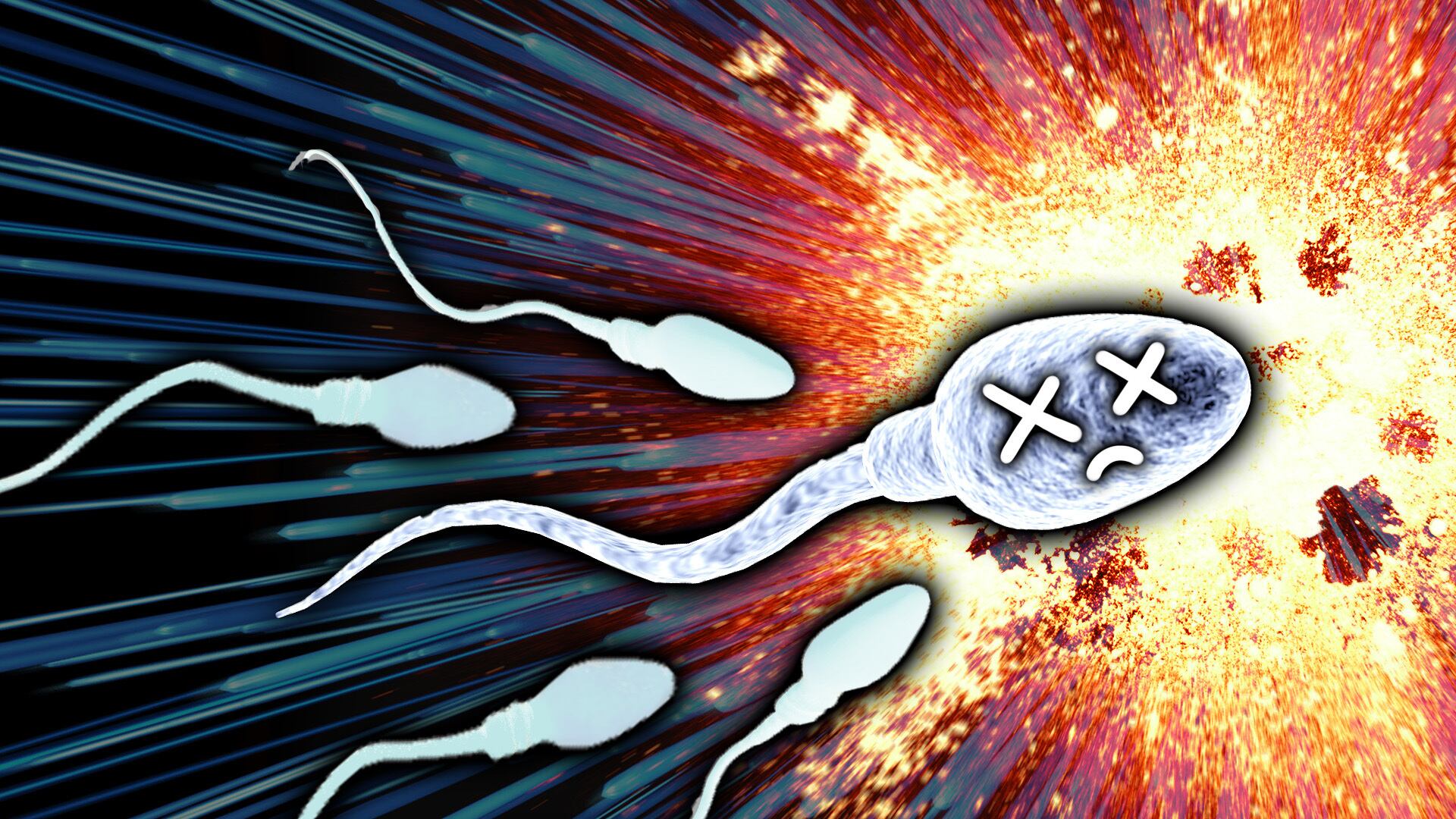
Among all the other events of the last few years, you may have missed this one: Spermageddon. This is the fun name for the idea that sperm counts among mainly ‘Western’ men are in freefall. The Spermageddon hype began with the publication of a 2017 study showing a nearly 60% drop in overall sperm counts in men living in North America, Europe, Australia, and New Zealand.
But four years later, it seems that Spermageddon has been overblown. By a lot. And all that hype has obscured the real issue behind declining male fertility.
Covid-19 has changed the way we view wellness. Jillian Hughes, communications director of Mental Health America, joins Cheddar News to discuss breaking the stigma around mental health. Justin Davis, CEO and co-founder of Spectrum Labs, weighs in on how social media impacts our wellbeing. Lastly, Precision Nutrition CEO Timothy Jones advices us on what trends to watch in 2022.