As the coronavirus extends beyond China, early indicators of the outbreak's full economic impact are trickling in.
One report from China Beige Book, an economic forecasting firm, which surveyed more than 1,400 companies, shows an economy reeling from shutdowns and quarantines.
"Not only has every major index that we track turned negative, but every major sector of the economy is currently in contraction territory," Shehzad Qazi, managing director of China Beige Book, told Cheddar. "This is the worst result we've seen in nine years."
Armed with the fresh data from the last two months, Qazi pushed back against the narrative that China is already bouncing back from the worst ravages of the coronavirus.
"You've got people going in and flipping on the light switch, but there isn't any work happening," he said. "Many of the employees are still stranded. They can't even get back to their job sites."
Nationwide, some 31 percent of executives reported that their firms have remained closed since the Lunar New Year holiday. Among those businesses that did open back up, 29 percent still have employees working from home, and only a third of businesses say they're functioning normally.
"Most of the Chinese economy has remained under a virtual lockdown throughout the month of February," said Qazi.
Chinese auto factories, which are tightly linked to western auto part suppliers and buyers, had higher than average firm closures with 35 percent reporting they were shut down due to the virus. The numbers were roughly the same for logistics firms.
IT manufacturers fared a bit better, with just 20 percent reporting closures — though that doesn't account for the 53 percent of management who have not returned to the office.
Right now, global firms with links to China are working down their inventories, but the economic blast radius could expand if suppliers don't get up and running before those supplies run out.
"As inventories start running thin in the U.S. or Europe and supplies are not coming out of China, we may start seeing the risk of factory shutdowns right here in the United States," Qazi said.
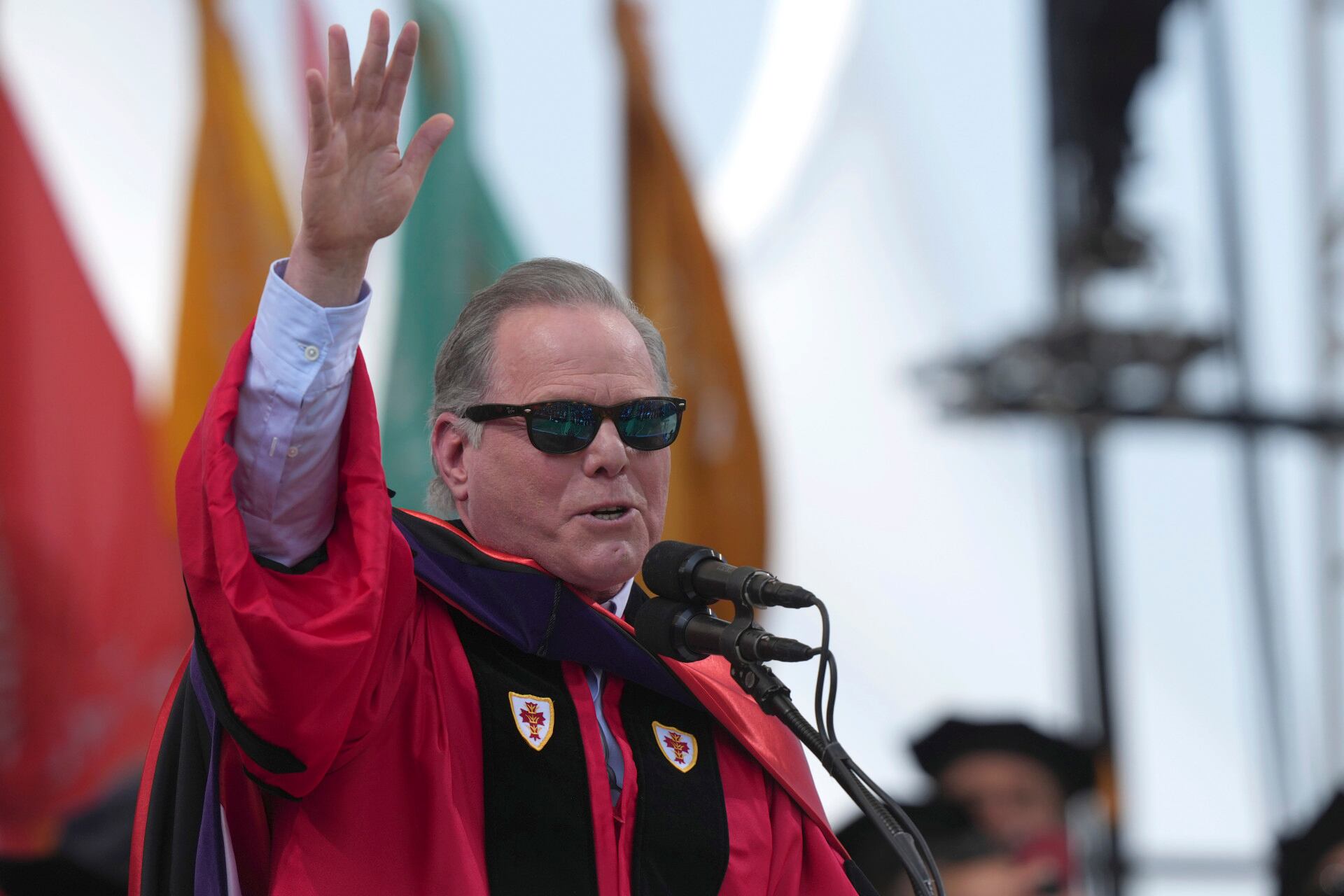
Scores of Boston University students turned their backs on the head of one of Hollywood's biggest studios, and some shouted “pay your writers,” as he gave the school's commencement address Sunday in a stadium where protesters supporting the Hollywood writers' strike picketed outside.
Gov. Ron DeSantis is asking that a federal judge be disqualified from the First Amendment lawsuit filed by Disney against the Florida governor and his appointees, claiming the jurist's prior statements in other cases have raised questions about his impartiality on the state's efforts to take over Disney World's governing body.
Ford CEO Jim Farley says the company will stop competing in over-served market segments and instead will place big bets on connected vehicles and digital services. The days of Ford being all things to all people are over, Farley said at the company's capital markets day event Monday.
The European Union slapped Meta with a record $1.3 billion privacy fine Monday and ordered it to stop transferring users personal information across the Atlantic by October, the latest salvo in a decadelong case sparked by U.S. cybersnooping fears.
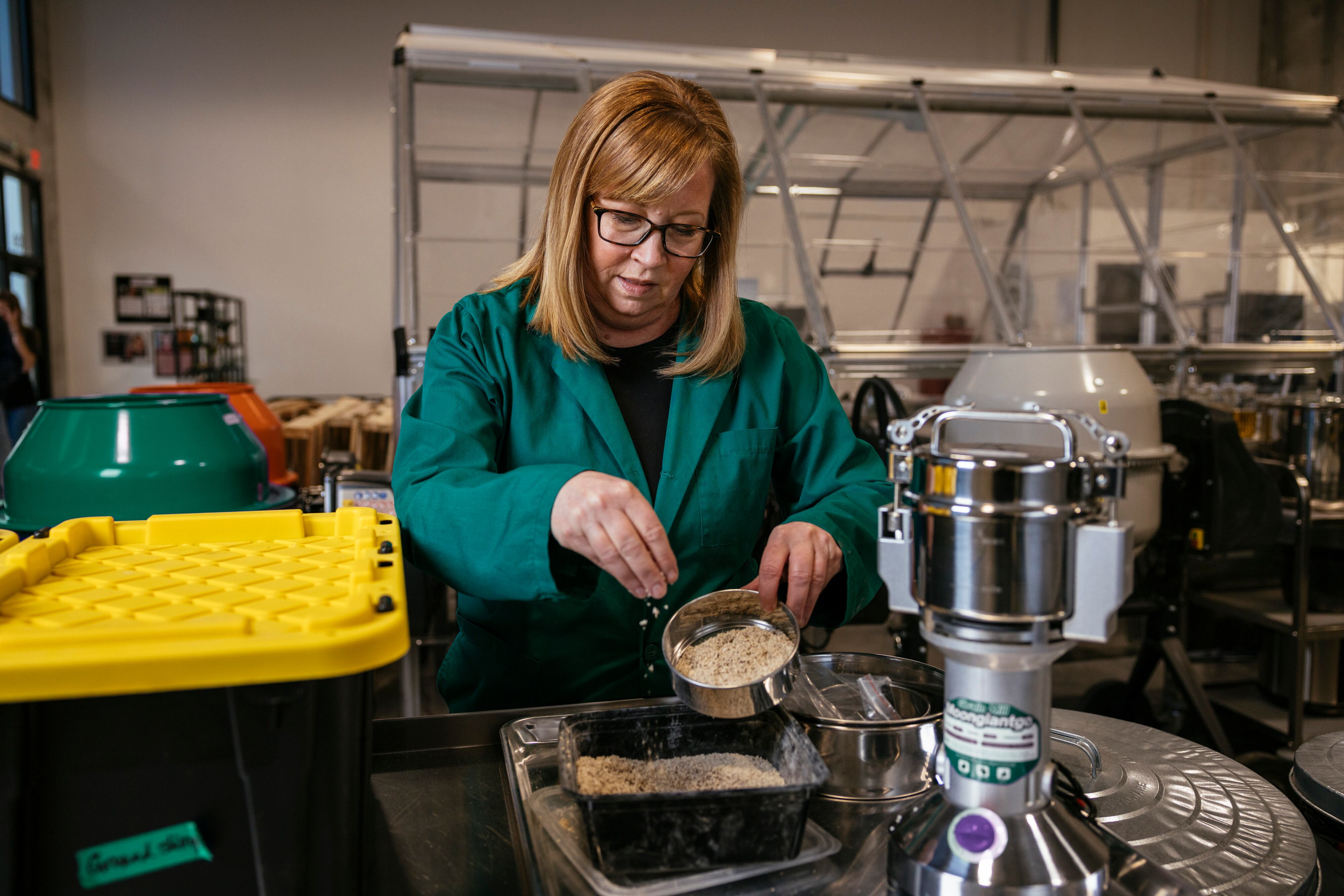
Joanne Rodriguez, founder and CEO of Mycocycle Inc., joined Cheddar News to discuss how her company uses mushrooms to decarbonize construction waste. "Mycocycle was started to address the waste mismanagement issue we have," she said. "Globally, we've got overflowing landfills that are creating human and environmental health issues."
The World Economic Forum recently released its future of jobs report and broke down what abilities employers are looking for. Julia Pollak, chief labor economist at ZipRecruiter, joined Cheddar News to discuss what top, in-demand job skills are needed in the rapidly-changing economy.
James Demmert, founder and chief investment officer of Main Street Research, joined Cheddar News to discuss market trends as investors digest mixed trading sessions with debt ceiling talks stalling.