Foreign governments are reportedly skirting international sanctions through the use of cryptocurrency. Axios' reporter Shannon Vavra explains the dangers of this digital currency, and challenges facing regulators.
"The fact that sanctions, regimes, and regulations right now aren't keeping up with the innovation in cryptocurrency is something that leaders around the world are bound to be watching right now," says Vavra.
Cryptocurrencies are able to mask illicit activities because they function across borders, are pseudo-anonymous, and can provide plausible deniability. Challenges facing regulators include the pace of cryptocurrency innovation, and risk in over-regulating and hampering innovation.
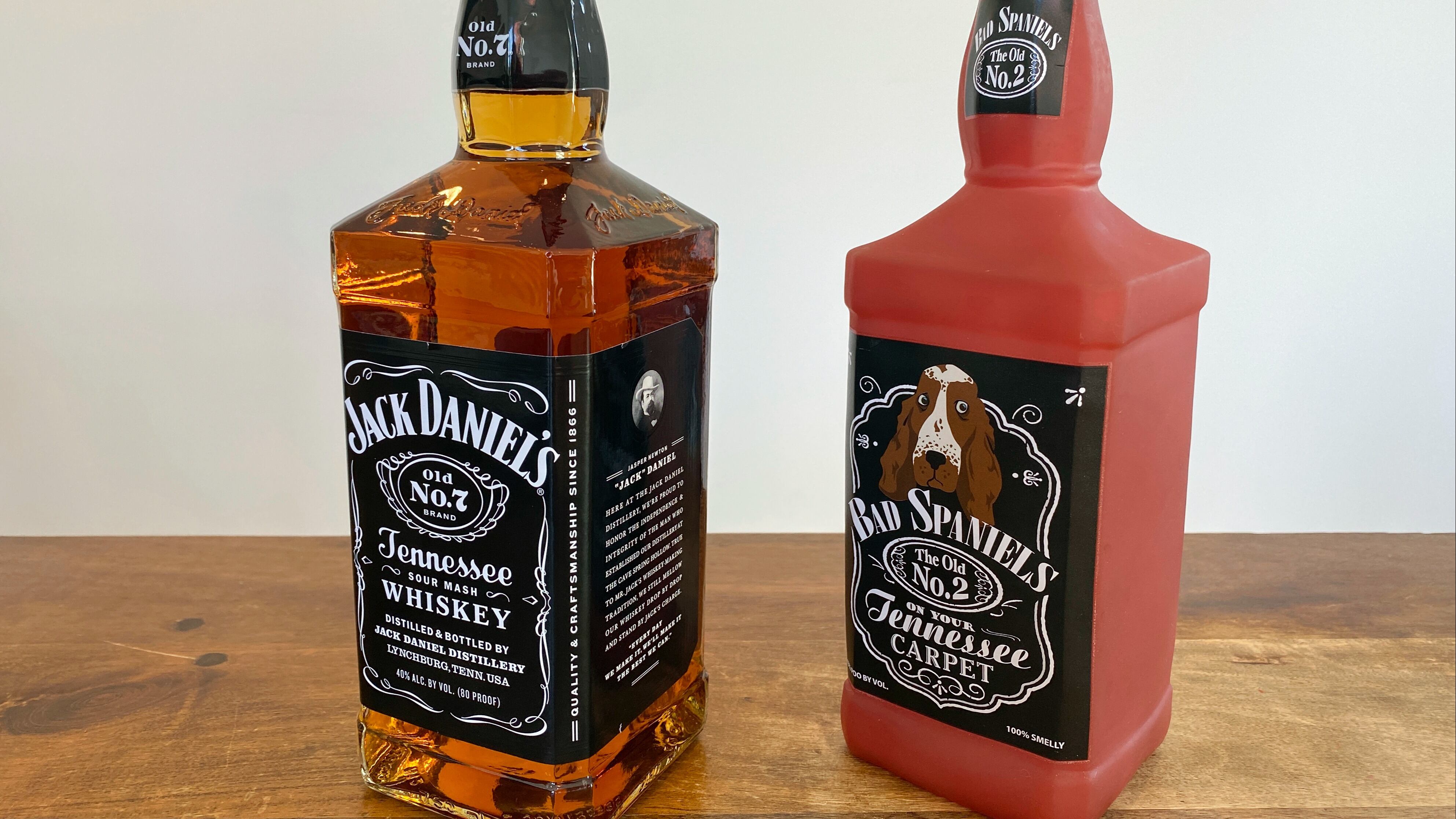
Jack Daniels was at the U.S. Supreme Court today. The whiskey-makers argued that a dog toy company violated federal trademark law with a product that parodies the distiller's iconic bottle. The toy is the Bad Spaniels Silly Squeaker toy by VIP products. The first amendment case pits the rights of a famous trademark holder against parody products. Jack Daniel says the toy damages its reputation, especially the references to dog poop.
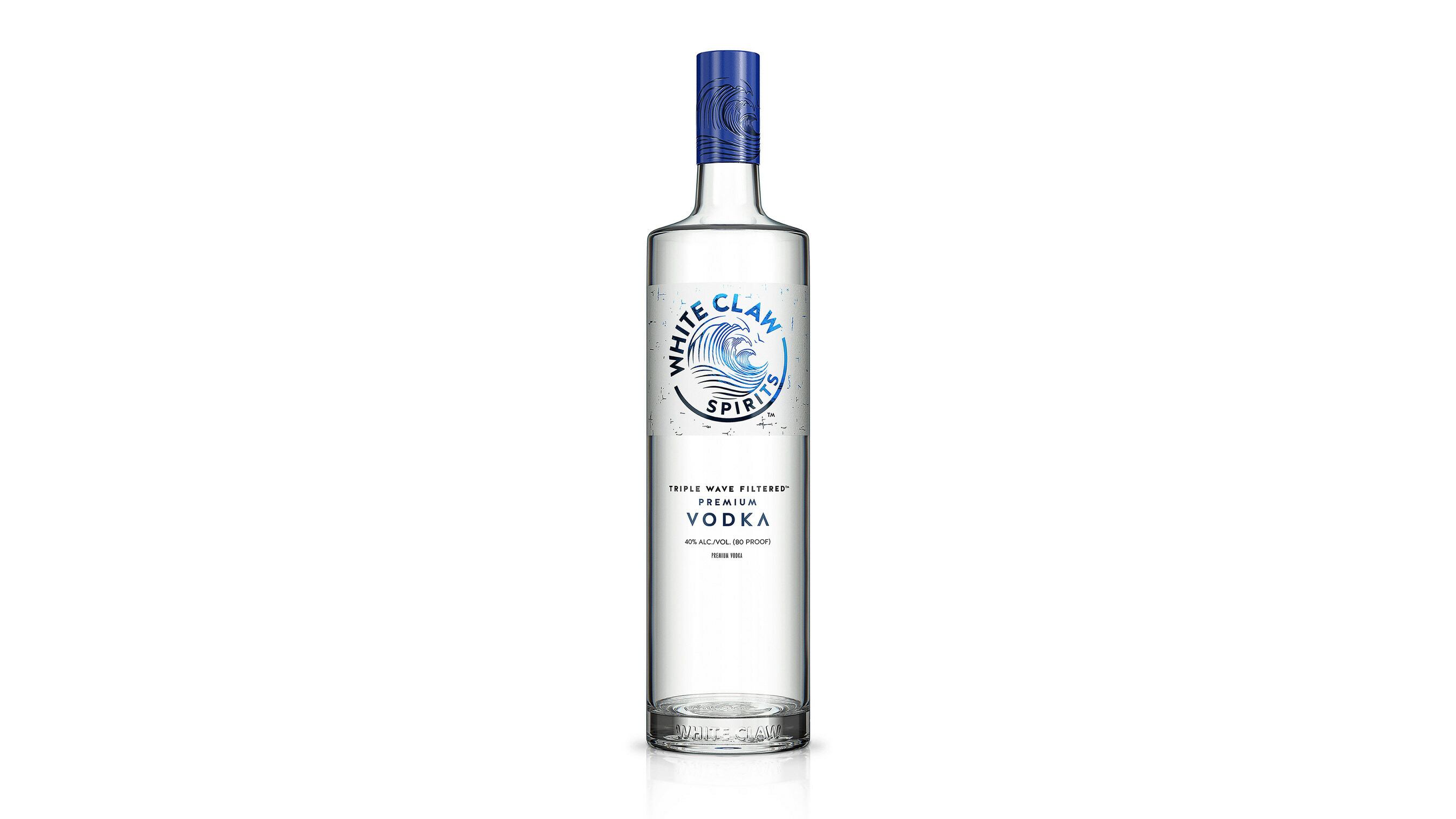
Alcohol brand White Claw is moving into spirits amid an industrywide shift away from hard seltzers. The spiked seltzer brand announced a new line of regular and flavored White Claw premium vodkas. The bottles are available in select markets across North America and come in an unflavored option as well as pineapple mango and black cherry white Claw has dominated the Heart Seltzer market for years. Now bringing the category into the mainstream as more consumers sought those low calorie alcohol drinks.
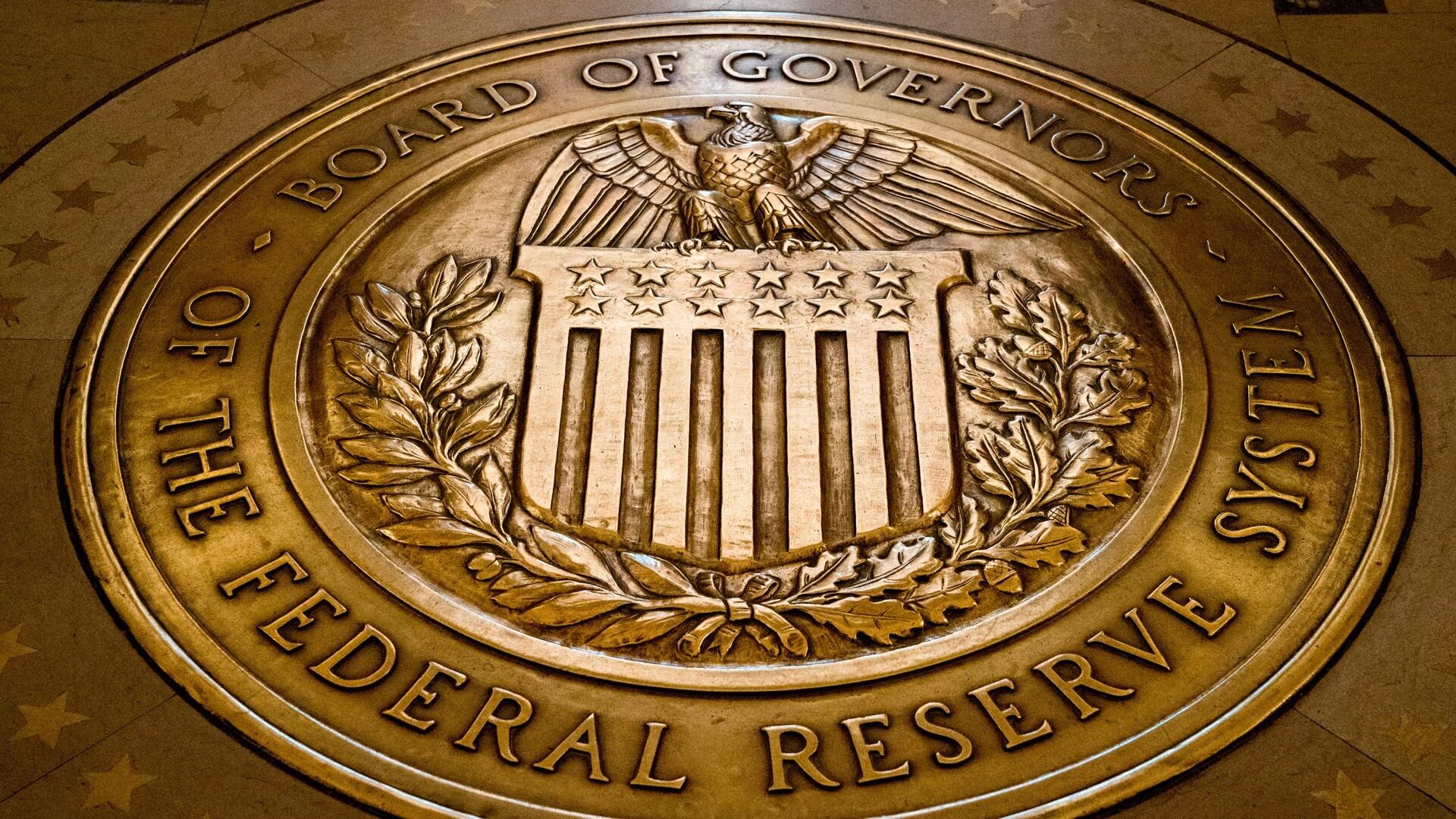
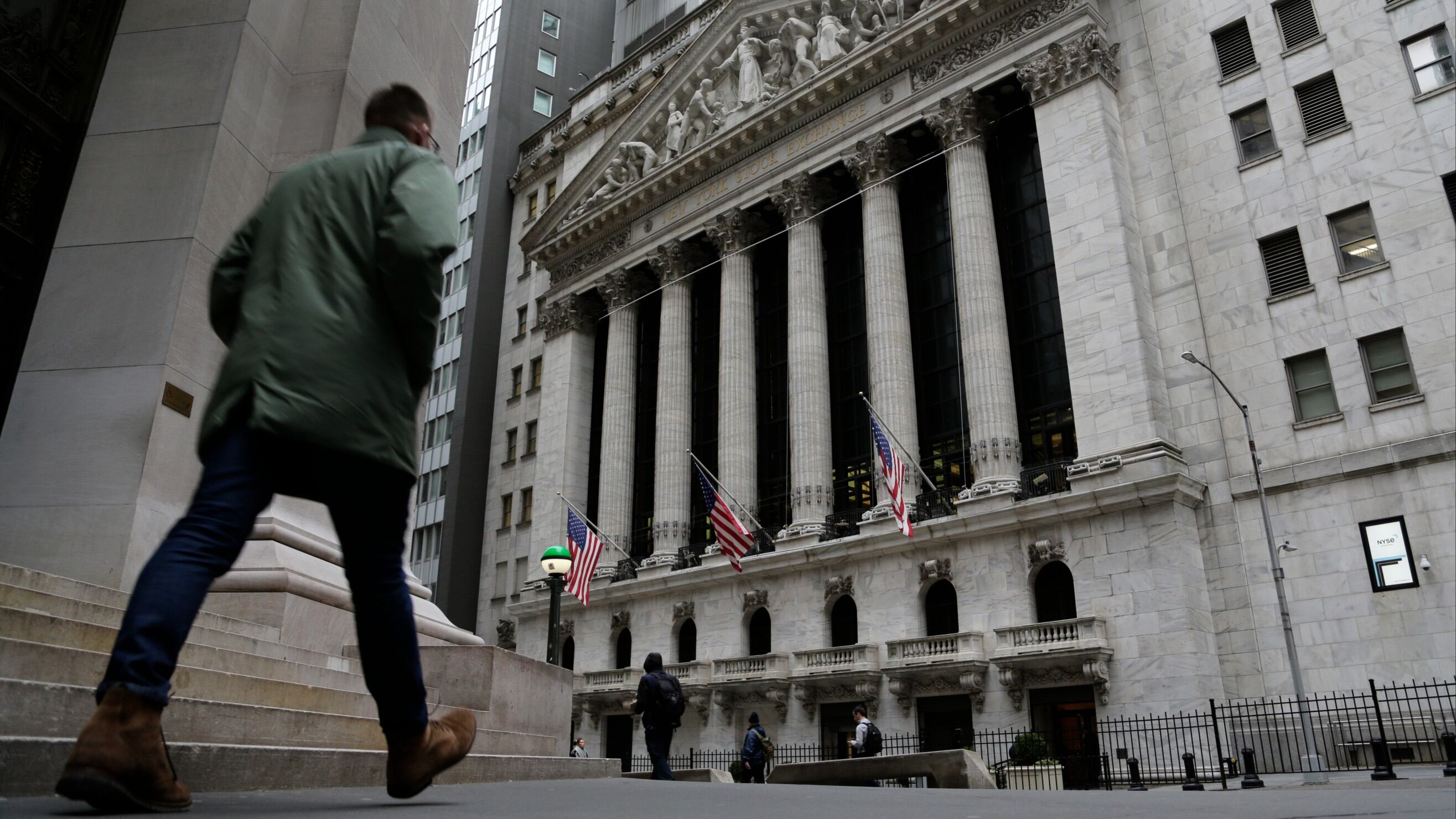
Stocks are holding relatively steady Wednesday as Wall Street bides its time until the Federal Reserve’s announcement in the afternoon about whether it will tighten the screws further on the economy.
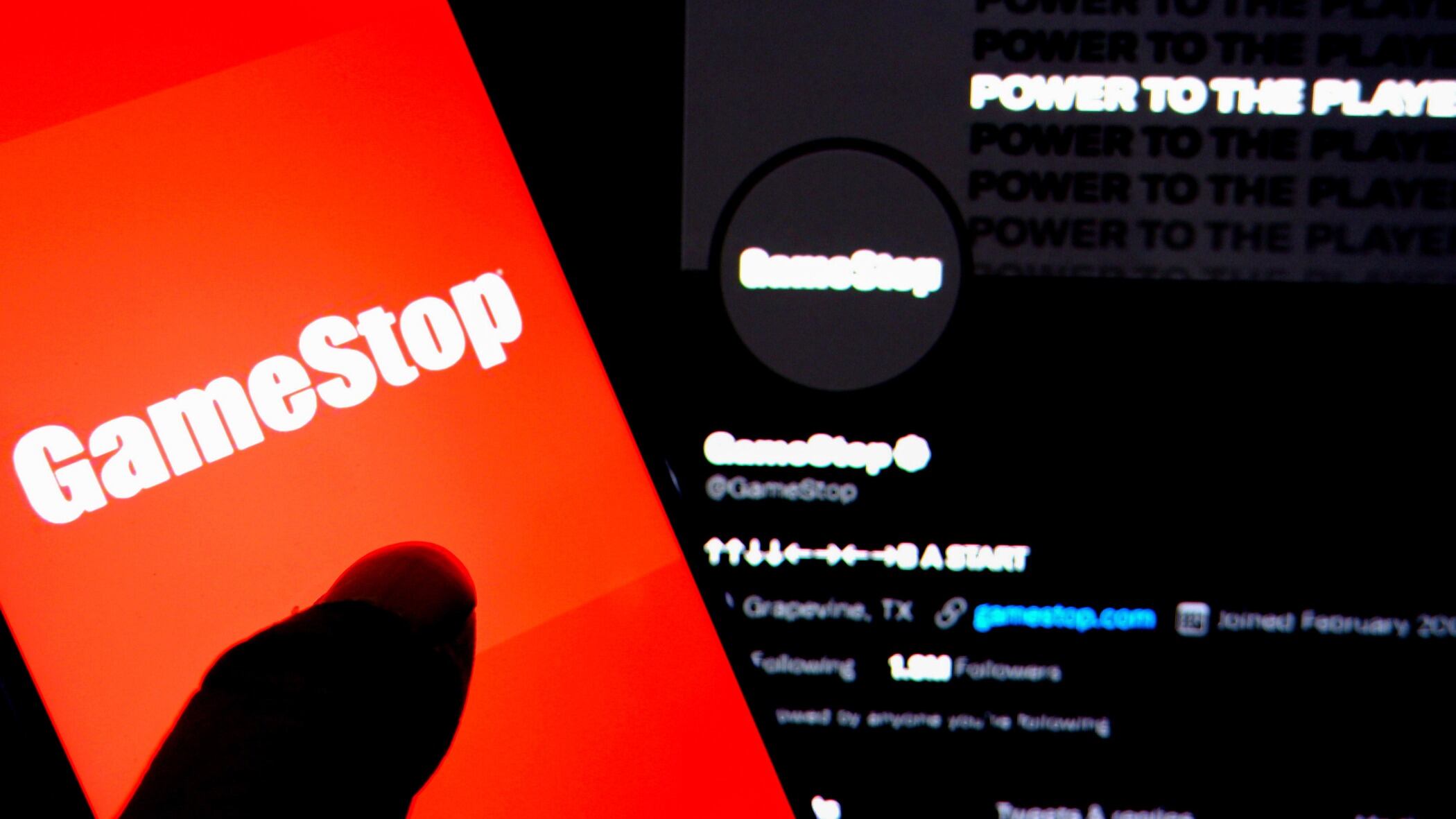
Meme stocks are rising before the opening bell Wednesday after GameStop, one of the most heavily traded off-brand stocks during the pandemic, posted a surprise profit for the fourth quarter.
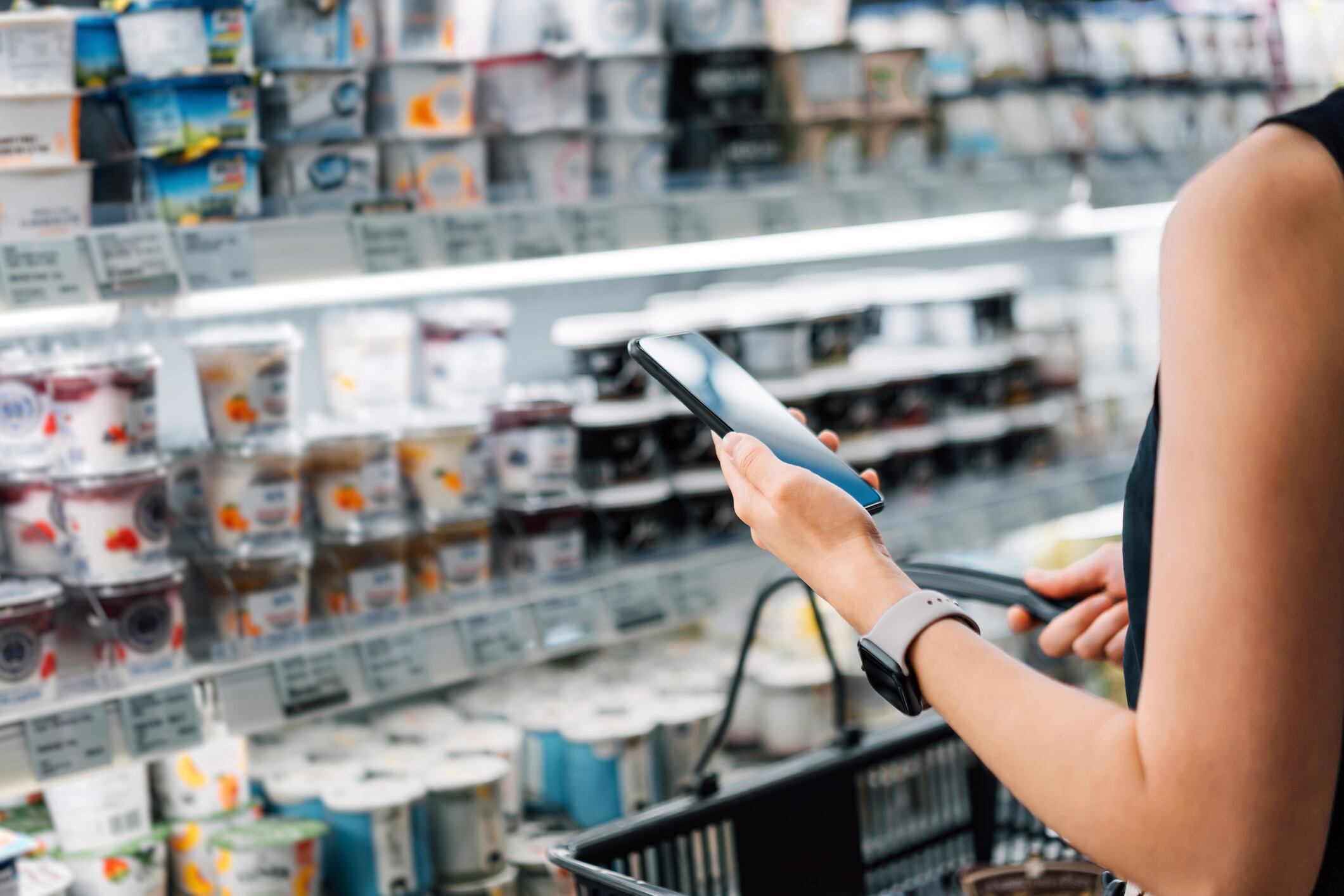
The rising cost of groceries is pushing more consumers to use Buy Now Pay Later (BNPL) services for necessities such as groceries, according to new data from Adobe Analytics.