Sir Martin Sorrell on Changing WPP's Operating Model
From the WPP Stream in Ojai, California, Cheddar's CEO Jon Steinberg speaks with WPP CEO Sir Martin Sorrell about the future of advertising.
The ad exec says clients want platforms like Snap and Pinterest to succeed. With the duopoly of Google and Facebook dominating the industry, with 75 percent of digital advertising and 30 percent of the entire ad market, his clients want control to be more distributed.
While Sorrell has seen Google as a "frenemy" in the past, he says he now sees the technology giant as a "flexible friend," because it's become more responsive to concerns. One of the reasons for Google's shift, Sorrell says, is the rise of companies like Amazon which provide an existential threat to the search and advertising model.
There's also been a lot of talk about how the rise of artificial intelligence may impact the American workforce. Sorrell says technology could be a net destroyer of jobs, and he expects that to become an increasingly critical political issue.
Last month, WPP cut its growth forecast for the third time this year. In the latest quarterly, revenue grew 0.8 percent to $4.78 billion. Sorrell says, "It's been very tough," and he's looking to see how things pan out next year.
On the future of advertising, the CEO says investment in innovation and branding is critically important.
Rising oil prices tied to the Iran conflict are driving up gas and airfare costs, creating new challenges for travelers heading into the spring break season.
The Supreme Court strikes down Trump-era tariffs, limiting presidential trade powers and raising questions about refunds, global trade, and business impact.
New research from GoDaddy and UCLA shows small businesses signal shifts in GDP, jobs, and digital growth earlier than traditional data or Wall Street trends.
GoFundMe launches Back in Business Fund with Paris Hilton to provide targeted grants helping women entrepreneurs recover and rebuild after natural disasters.
Samsung launches its “AI in Action Lab” in NYC, giving public high school students hands-on AI experience and tools to prepare for real world innovations.
Gen Z workers are increasingly worried AI could replace their jobs. However, experts say companies are using AI more to assist workers than replace them.
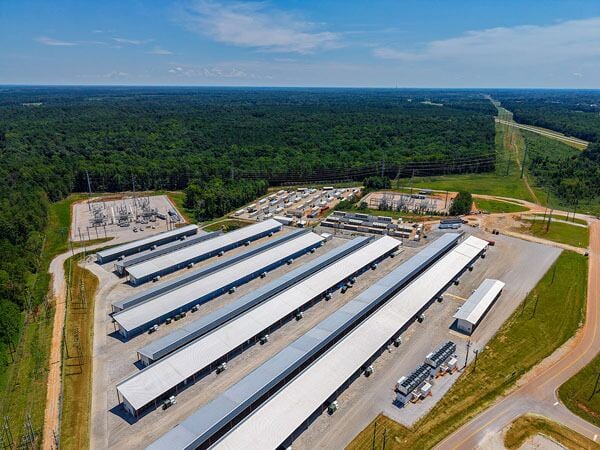
Matt Schultz of CleanSpark discusses Bitcoin mining and AI infrastructure converge, energy demand dynamics, and the company’s position in the evolving market.
Bhavin Shah of ServiceNow discusses how the new Autonomous Workforce AI automates tasks, integrates with Teams and Slack, and boosts workplace efficiency.