Canopy Growth CEO: Legal Pot 'More Complicated' in U.S.
*By Jacqueline Corba*
For all the progress that legal marijuana has made in the United States, the country remains a murky place for companies seeking to enter a nascent market with complicated and inconsistent laws, said the co-founder and chief executive of North America's largest cannabis company.
Bruce Linton, the CEO of Canopy Growth Corporation, said his company was able to lead the way and become the first publicly listed pot company because it scrupulously follows the rules.
"United States is getting more complicated," Linton said in an interview Thursday with Cheddar. "I'm not hearing as clear as a voice as I did on what to do three years ago. It's louder, but it's definitely not clearer."
Canopy was the first cannabis firm to be listed on the New York Stock Exchange when it began trading last week. Its stock is up more than 20 percent since its debut, and the company has a market cap of more than $6 billion. That makes it the largest pot stock out there. The Canadian marijuana company operates 10 production facilities in nine countries where pot is legal.
Linton said he wants Canopy to be a leader in the industry. "This is about public policy and how we push the agenda, and then follow it," he said, adding legalization should come from following existing rules.
"If you want to be on the New York Stock Exchange, you need to be following all the rules," said Linton. "What we try to do is lead, and that almost always results in having us do most things first."
Canopy Growth Corporation is used to doing this first. Before listing on the NYSE, it was the first cannabis company to go public when it listed on the TSX Venture Exchange, a junior exchange in Canada, in 2014. It moved to the Toronto Stock Exchange two years later.
For the full interview, [click here](https://cheddar.com/videos/canopy-growth-ceo-on-nyse-debut).
Stepping up a feud with Washington over technology and security, China's government on Sunday told users of computer equipment deemed sensitive to stop buying products from the biggest U.S. memory chipmaker, Micron Technology Inc.
Stocks are moving tentatively Monday, as Wall Street waits to see whether a pivotal meeting in the afternoon will help the U.S. government avoid a potentially disastrous default on its debt.
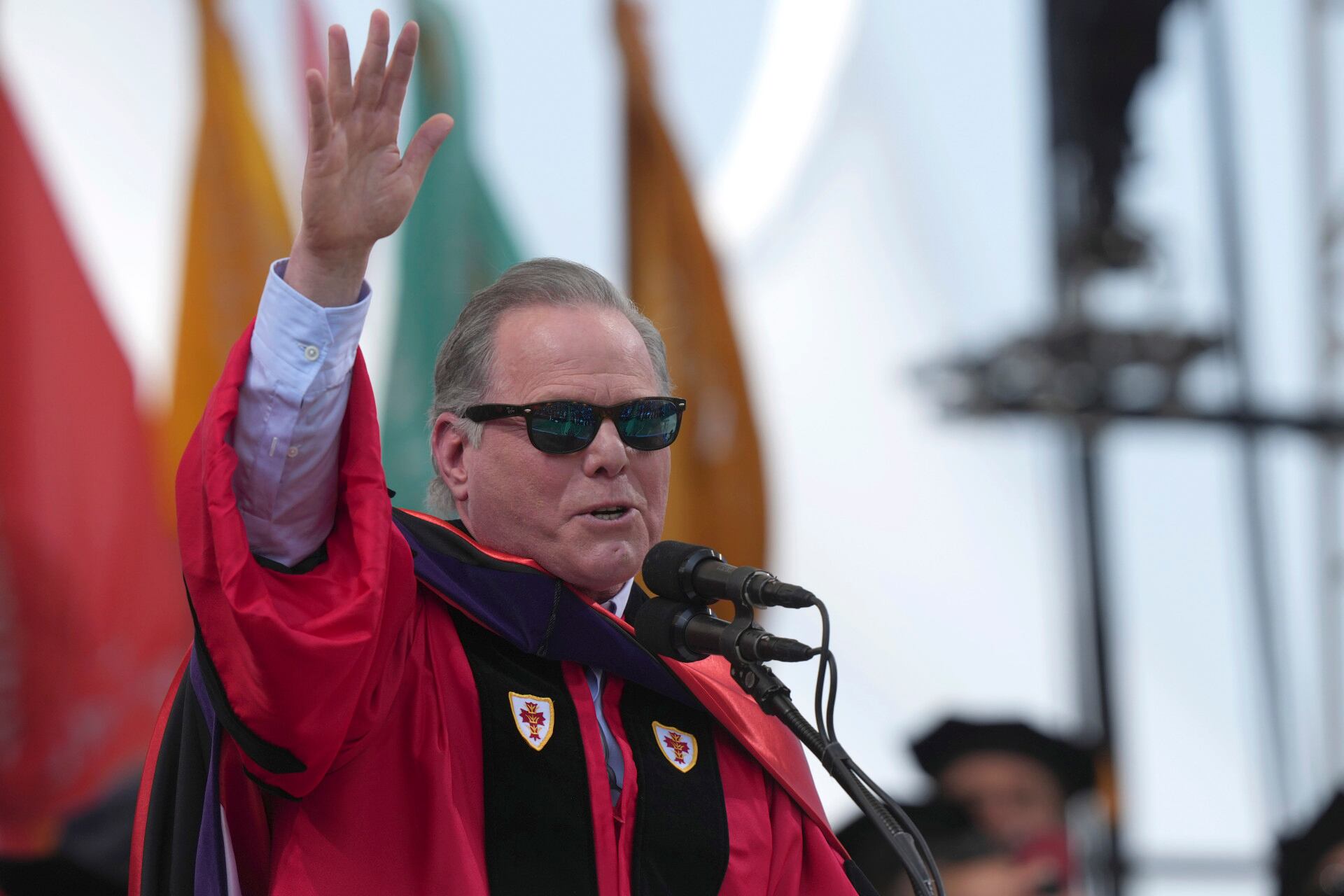
Scores of Boston University students turned their backs on the head of one of Hollywood's biggest studios, and some shouted “pay your writers,” as he gave the school's commencement address Sunday in a stadium where protesters supporting the Hollywood writers' strike picketed outside.
Gov. Ron DeSantis is asking that a federal judge be disqualified from the First Amendment lawsuit filed by Disney against the Florida governor and his appointees, claiming the jurist's prior statements in other cases have raised questions about his impartiality on the state's efforts to take over Disney World's governing body.
Ford CEO Jim Farley says the company will stop competing in over-served market segments and instead will place big bets on connected vehicles and digital services. The days of Ford being all things to all people are over, Farley said at the company's capital markets day event Monday.
The European Union slapped Meta with a record $1.3 billion privacy fine Monday and ordered it to stop transferring users personal information across the Atlantic by October, the latest salvo in a decadelong case sparked by U.S. cybersnooping fears.
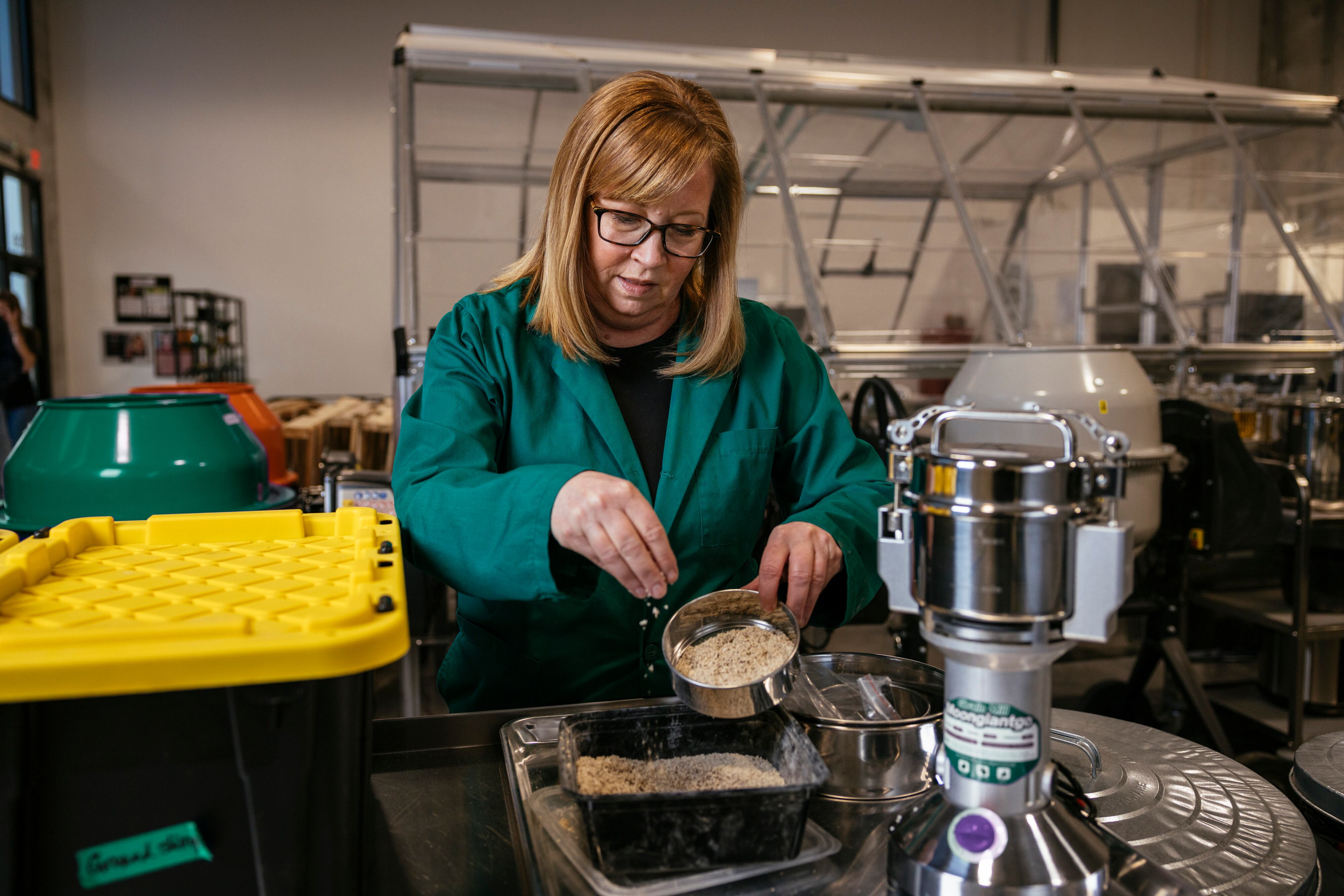
Joanne Rodriguez, founder and CEO of Mycocycle Inc., joined Cheddar News to discuss how her company uses mushrooms to decarbonize construction waste. "Mycocycle was started to address the waste mismanagement issue we have," she said. "Globally, we've got overflowing landfills that are creating human and environmental health issues."
The World Economic Forum recently released its future of jobs report and broke down what abilities employers are looking for. Julia Pollak, chief labor economist at ZipRecruiter, joined Cheddar News to discuss what top, in-demand job skills are needed in the rapidly-changing economy.