Fish-Waste Fueled Cannabis Company Looks to IPO, Says Green Relief CEO
*By Chloe Aiello*
Warren Bravo thinks investors will get behind his fish waste-based cannabis concept when his company, Canadian marijuana producer Green Relief, heads to the public market this year.
"We are going out, we'll say, sometime this year into the IPO space," Bravo, Green Relief CEO and co-founder, told Cheddar on Wednesday, adding that he's not committed to a specific time frame.
"We want to make sure the market conditions are right, because we only have one chance to do that successfully and we want to make sure Green Relief tells the story investors want to hear."
The story that Bravo is talking about concerns cannabis and fish ー or, more specifically, fish excrement.
Green Relief has developed a system in which filtered fish waste is used to fertilize cannabis plants, which in turn, clean the water for the fish. It's a closed loop, recirculating ecosystem that enables pesticide-free farming.
"It's the same ecosystem as any freshwater lake," Bravo said. "Any vegetation that grows in water is fertilized by the fish that live in that body of water. So we've commercialized an ecosystem, and made it scale-able and growing our cannabis plants in a very natural, clean, and organic way."
Once the fish are no longer of use to the cannabis plants, Green Relief donates them to charity ー Bravo said the company has managed to provide as many as 50,000 meals to homeless shelters in the Toronto area. In the future, Bravo said Green Relief may consider monetizing the aquaculture portion of its business, and experimenting with using more valuable fish, like Asian sea bass, fresh water prawn, or koi to clean the water. But for now, Green Relief is sticking to tilapia.
"Right now tilapia is what we do, because it's tried, proven and works really well in a farmed environment. So, as they say, 'if it ain't broke don't fix it,' and that's what we are using now," Bravo said.
Bravo added that the company is "on the path to profitability," as it considers a public listing, and is currently working with lawyers to finalize its prospectus.
For full interview [click here](https://cheddar.com/videos/cannabis-and-tilapia-make-for-unlikely-but-sustainable-pairing).
While it was a volatile week in tech as Meta experienced the biggest one-day drop in the history of the U.S. stock market, industry giant Amazon reported 40 percent growth — largely on the strength of the cloud. Dan Ives, managing director of equity research at Wedbush Securities, joined Cheddar News to break down how the e-commerce company stock managed to pop despite headwinds against its core retail business. "It's all about cloud because of sum of the parts, you could argue, amazon could be $3,500/$4,000 stock just based on cloud," he said. Ives also addressed the apparent the differing impact of Apple iOS changes on Facebook and Snapchat.
Following Ford's earnings miss, the stock price dropped despite a bullish outlook from the auto giant. Karl Brauer, an executive analyst with ISeeCars.com, joined Cheddar to break down why investors may not be sold on the carmaker because of the ongoing factor of supply constraints. "The product is not an issue. There's really good product coming from them, including the electric vehicle side, and the demand is not an issue. There's plenty of demand, but nobody really has a solid grasp on when we're going to get past the supply chain issue," said Brauer.
Image-sharing app Pinterest reported big beats on its Q4 earnings for the top and bottom lines. The social platform surprised investors after seeing a decline in users while earnings and revenue were much higher than expected.
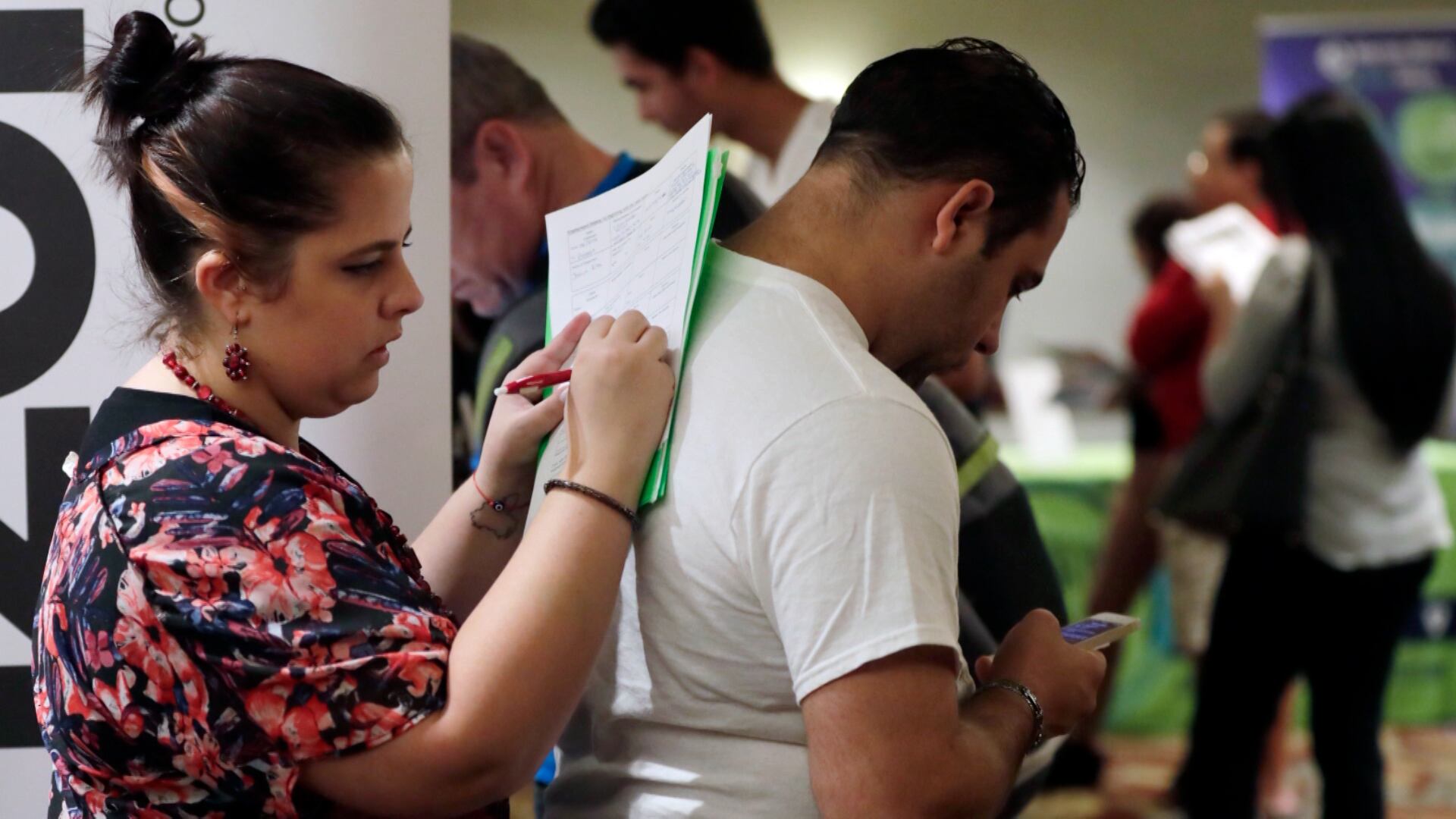
The Labor Department's January jobs report showed 467,000 jobs were added, compared to the 150,000 that were projected, a sign that employment is continuign to return to pre-pandemic levels. Lindsey Piegza, chief economist at investment bank Stifel, joined Cheddar to break down the report, noting the big gains but adding a note of caution. "Remember, even with this morning's stellar report, we're still millions below that level that we had reached prior to the onset of COVID-19," she said." Yes, we are recapturing jobs. We still have further ground that needs to be made before we can talk about reaching that previous peak." Piegza also discussed the role of the Federal Reserve going forward as the employment figures turn more positive.