Fish-Waste Fueled Cannabis Company Looks to IPO, Says Green Relief CEO
*By Chloe Aiello*
Warren Bravo thinks investors will get behind his fish waste-based cannabis concept when his company, Canadian marijuana producer Green Relief, heads to the public market this year.
"We are going out, we'll say, sometime this year into the IPO space," Bravo, Green Relief CEO and co-founder, told Cheddar on Wednesday, adding that he's not committed to a specific time frame.
"We want to make sure the market conditions are right, because we only have one chance to do that successfully and we want to make sure Green Relief tells the story investors want to hear."
The story that Bravo is talking about concerns cannabis and fish ー or, more specifically, fish excrement.
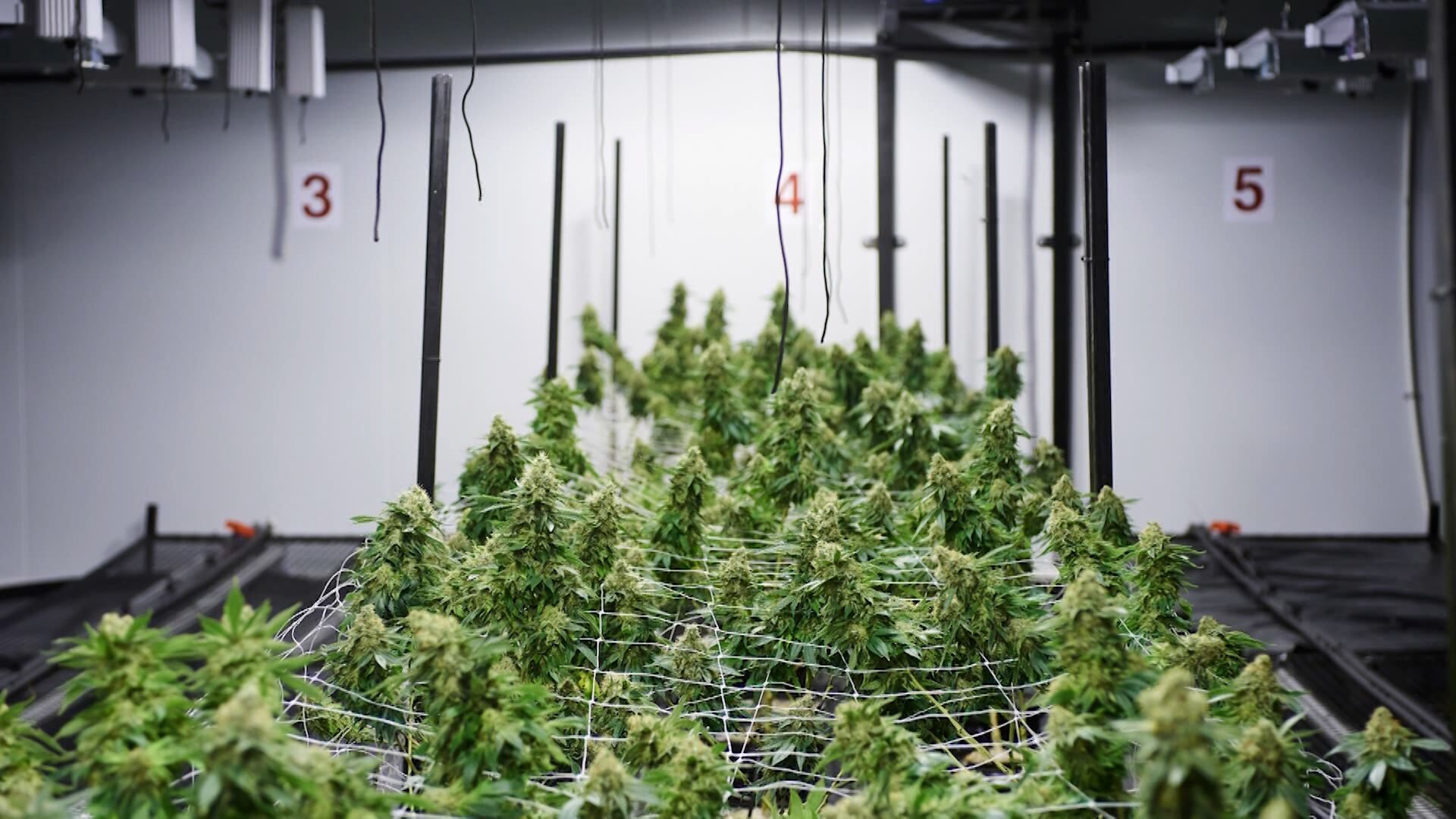
Green Relief has developed a system in which filtered fish waste is used to fertilize cannabis plants, which in turn, clean the water for the fish. It's a closed loop, recirculating ecosystem that enables pesticide-free farming.
"It's the same ecosystem as any freshwater lake," Bravo said. "Any vegetation that grows in water is fertilized by the fish that live in that body of water. So we've commercialized an ecosystem, and made it scale-able and growing our cannabis plants in a very natural, clean, and organic way."
Once the fish are no longer of use to the cannabis plants, Green Relief donates them to charity ー Bravo said the company has managed to provide as many as 50,000 meals to homeless shelters in the Toronto area. In the future, Bravo said Green Relief may consider monetizing the aquaculture portion of its business, and experimenting with using more valuable fish, like Asian sea bass, fresh water prawn, or koi to clean the water. But for now, Green Relief is sticking to tilapia.
"Right now tilapia is what we do, because it's tried, proven and works really well in a farmed environment. So, as they say, 'if it ain't broke don't fix it,' and that's what we are using now," Bravo said.
Bravo added that the company is "on the path to profitability," as it considers a public listing, and is currently working with lawyers to finalize its prospectus.
For full interview [click here](https://cheddar.com/videos/cannabis-and-tilapia-make-for-unlikely-but-sustainable-pairing).
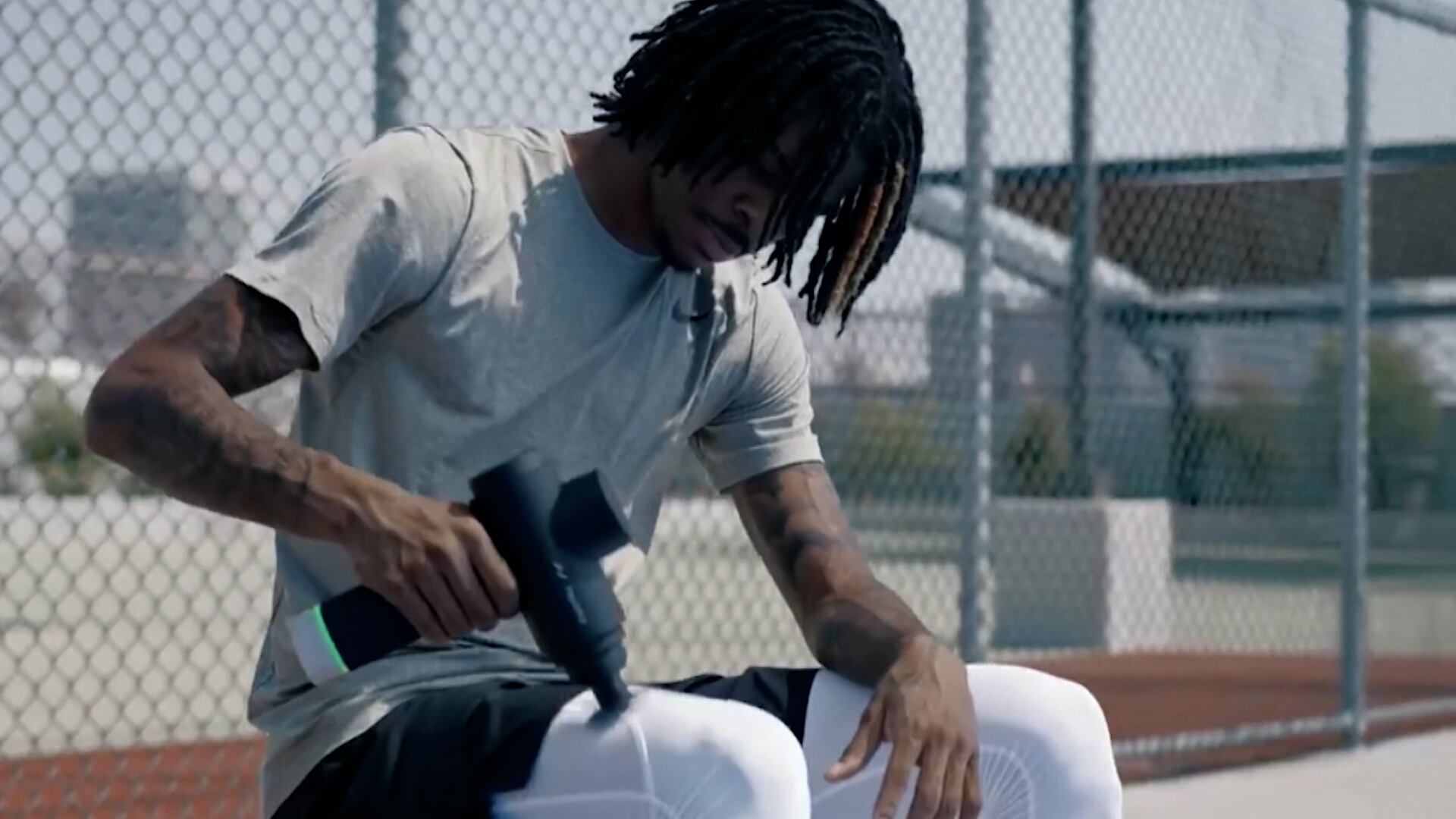
Hyperice is a technology company that specializes in physical recovery for athletes, and it's now partnering with the NFL. Christian McCaffrey, Carolina Panthers running back and Hyperice athlete-investor, and Jim Huether, Hyperice CEO, joined Cheddar News to discuss the partnership. "It's definitely for both for performance and for recovery, as somebody who plays a brutal sport and have to go through some of the unfortunate realities of injury," McCaffery said of the products. "You're always fighting for that 0.1 percent difference between winning and losing and and the little things and every second matters."
Aurora Cannabis showed a beat on sales for its quarterly earnings report, a positive sign despite a loss of $59 million. CEO Miguel Martin, joined Cheddar Movers to discuss its latest earnings and prospects for future growth. "If you look at our core businesses, they've all had a great quarter, so steady as we go. Our transformation plan is absolutely on track and we feel really good about where the company's going," he said. "Our balance sheet has never been stronger." Martin also discussed entering the U.S. market and the prospects for the medical marijuana market.
Elon Musk announced that he expects Starship to reach orbit in 2022. The SpaceX CEO delivered updates about the largest space vehicle to be constructed from its Texas facility. Jim Cantrell, CEO and co-founder at Phantom Space, joined Cheddar News to talk about the future of Starship. "I've always done wrong by betting against Elon," he said. "The one thing that I find very curious is it launches 100 metric tons into space, and last year, in the entire year, we launched 750. So, you know, with about seven launches, he could launch every satellite on Earth."
Shares of Astra fell after the aerospace company announced a failure to deliver its NASA satellite payload mid-launch, resulting in its stock price plummeting to the point where trading had to be halted twice.
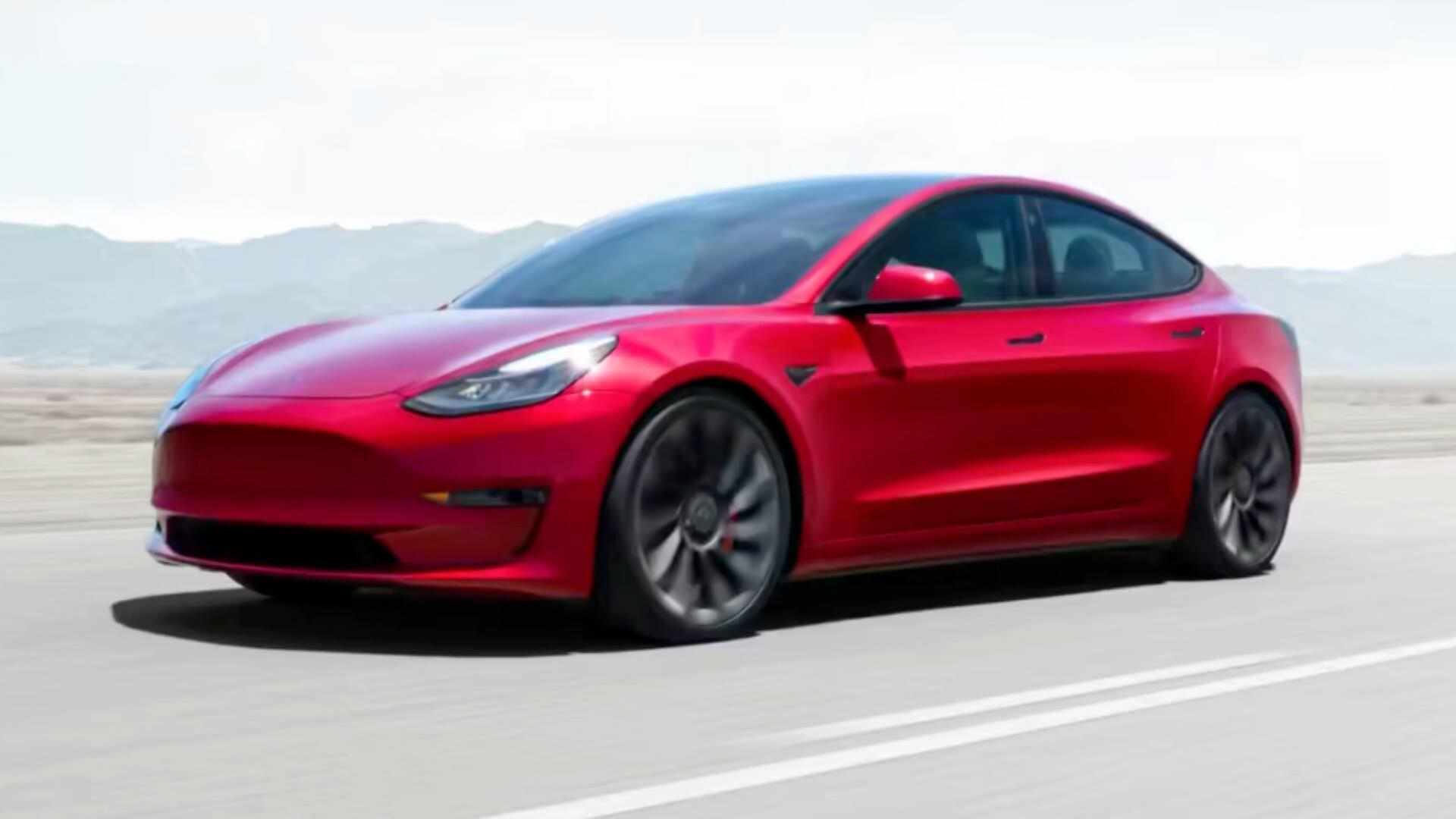
Amid a string of recalls for their electric cars, Tesla is also facing a lawsuit over workplace discrimination. The electric automaker is being accused by California’s Department of Fair Employment and Housing of a pattern of racial discrimination against Black workers. Caleb Silver, Editor-in-Chief at Investopedia, joined Cheddar News to discuss the numerous technical and safety issues that led to the recalls and the allegations of systemic racist abuse at its Fremont plant. "Tesla disputes these claims, but still you can’t avoid the pattern," he said.