Canadian Prime Minister Justin Trudeau comments on the shooting in Nova Scotia during a news conference April 20, 2020 in Ottawa, Canada. (Photo by Dave Chan / AFP) (Photo by DAVE CHAN/AFP via Getty Images)
By Rob Gillies
Prime Minister Justin Trudeau said Friday that Canada is banning the use and trade of assault-style weapons immediately.
Trudeau cited numerous mass shootings in the country, including the killing of 22 people in Nova Scotia April 18 and 19. He announced the ban of over 1,500 models and variants of assault-style firearms, including two weapons used by the gunman as well as the AR-15 and other weapons that have been used in a number of mass shootings in the United States
"Canadians need more than thoughts and prayers," Trudeau said.
The Cabinet order doesn’t forbid owning any of the military-style weapons and their variants but it does ban the use and trade in them. He said the order has a two-year amnesty period for current owners, and there will be a compensation program that will require a bill passed in Parliament.
In the meantime, they can be exported, returned to manufacturers, and transported only to deactivate them or get rid of them. In certain limited circumstances, they can be used for hunting.
“You do not need an AR-15 to take down a deer," Trudeau said. “So, effective immediately, it is no longer permitted to buy, sell, transport, import or use military-grade, assault weapons in this country.”
Trudeau said the weapons were designed for one purpose and one purpose only: to kill the largest number of people in the shortest amount of time.
"There is no use - and no place - for such weapons in Canada,” he said.
Mass shootings are relatively rare in Canada, but Trudeau said they are happening more often. Trudeau noted he was nearby when in Montreal when gunman Marc Lepine killed 14 women and himself at Montreal’s Ecole Polytechnique college in 1989. The Ruger Mini-14 Lepine used is among weapons included in the ban.
Trudeau has said his government would introduce further gun control legislation prohibiting military-style assault weapons, a measure that had already been planned before the coronavirus pandemic interrupted the current parliamentary session.
“As of today the market for assault weapons is closed. Enough is enough,” Public Safety Minister Bill Blair said.
The gunman in Nova Scotia, 51-year-old Gabriel Wortman, shot 13 people to death and set fires that killed nine others in one of the worst mass shootings in the country's history. Police have said he used a handgun that was obtained in Canada and long guns that he obtained in the U.S., but they have not specifically said what guns he used. The rampage started with an assault on his girlfriend and it ended with 22 people dead in communities across central and northern Nova Scotia. A number of people had disputes with the gunman.
Blair said two of the illegal long guns that Wortman used are now on the list of weapons banned. He declined to identify them. He said making such guns illegal in Canada will make it harder for criminals to obtain them.
“Every firearm begins legally and then moves into an illegal market,” Blair said.
Opposition Conservative leader Andrew Scheer accused Trudeau of using the “immediate emotion of the horrific attack in Nova Scotia to push the Liberals’ ideological agenda and make major firearms policy changes.”
Scheer said the Nova Scotia shooter did not have a firearms licence, so all of his guns were illegal.
“Taking firearms away from law-abiding citizens does nothing to stop dangerous criminals who obtain their guns illegally,” Scheer said in a statement. “The vast majority of gun crimes are committed with illegally obtained firearms. Nothing the Trudeau Liberals announced today addresses this problem."
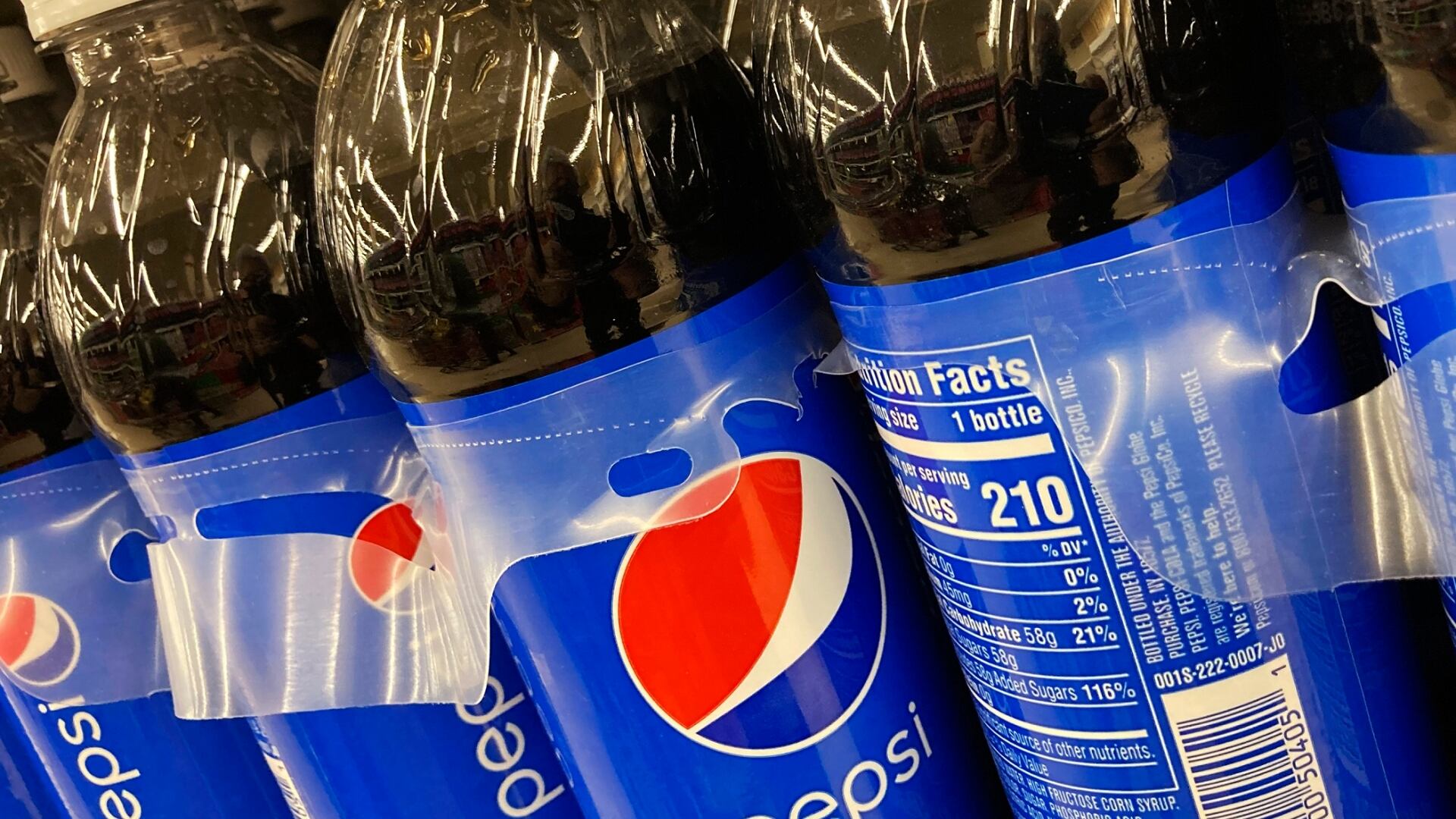
Following the invasion of Ukraine, a multitude of Western companies have paused doing business with Russia. PepsiCo, Coca-Cola, McDonald's, and Starbucks are the most recent companies to temporarily cease operations in Russia. Dean of Miami Herbert Business School at the University of Miami, John Quelch, joined Cheddar News to discuss what message this sends to Russia and the Russian consumer. “I would not underestimate the collective strength of all of these multinational companies, essentially coming together to make their collective statement in support of the political statements that have come out of Washington," he said.
The war in Ukraine continues to reveal heartbreaking gut-wrenching stories. The war in itself is not only devastating but also expensive. Experts estimate that Russia is draining nearly $20 million dollars each day to continue occupying and invading Ukraine. All this could force the country to turn to cryptocurrencies. It's a major turn for the country that briefly considered outlined digital assets entirely, but it could also have serious implications for cryptos. Managing Director at Quantum Fintech Group, Harry Yeh, joined Cheddar to discuss more.
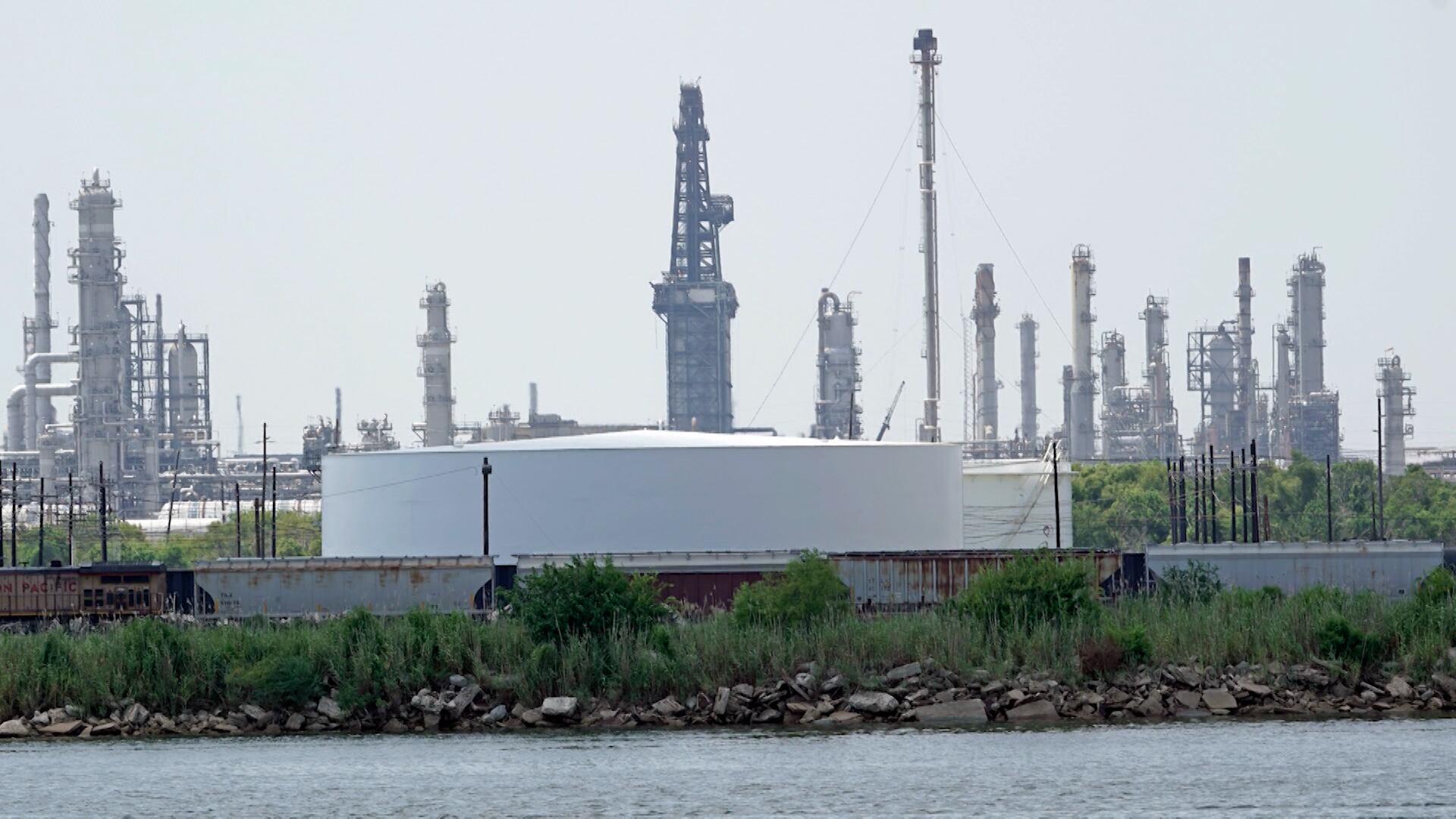
President Biden announced a ban on Russian oil and natural gas imports to the U.S. in response to its invasion of Ukraine, a move he warned could lead to an even greater surge in gas prices. The ban is prompting a conversation about the current oil production levels in the U.S. and whether or not the industry can ramp up production to soften the blow to American families at the gas pump. Clark Williams-Derry, Energy Finance Analyst with the Institute for Energy Economics and Financial Analysis, breaks down the state of the U.S. oil industry and how the ban might impact production levels here at home.
PepsiCo, Coca-Cola, McDonald’s, and Starbucks are the latest American food brands to have halted business operations in Russia after having faced scrutiny and criticism for originally failing to do so amid the country's invasion of Ukraine.
As Russia intensifies its war on Ukraine, President Biden announced a ban on oil imported from the aggressor nation. Critics of Russia have said this would be the best way to force Putin to pull back, but curbs on Russian oil exports are expected to send already skyrocketing oil and gas prices even higher, further impacting consumers, businesses, financial markets, and the global economy. Leslie Beyer, CEO of the Energy Workforce and Technology Council, joined Cheddar News' Closing Bell to discuss. "It's certainly going to increase pricing, but it is the right thing to do," she said. "The industry itself has already pulled out of the significant portion of its operations in Russia."
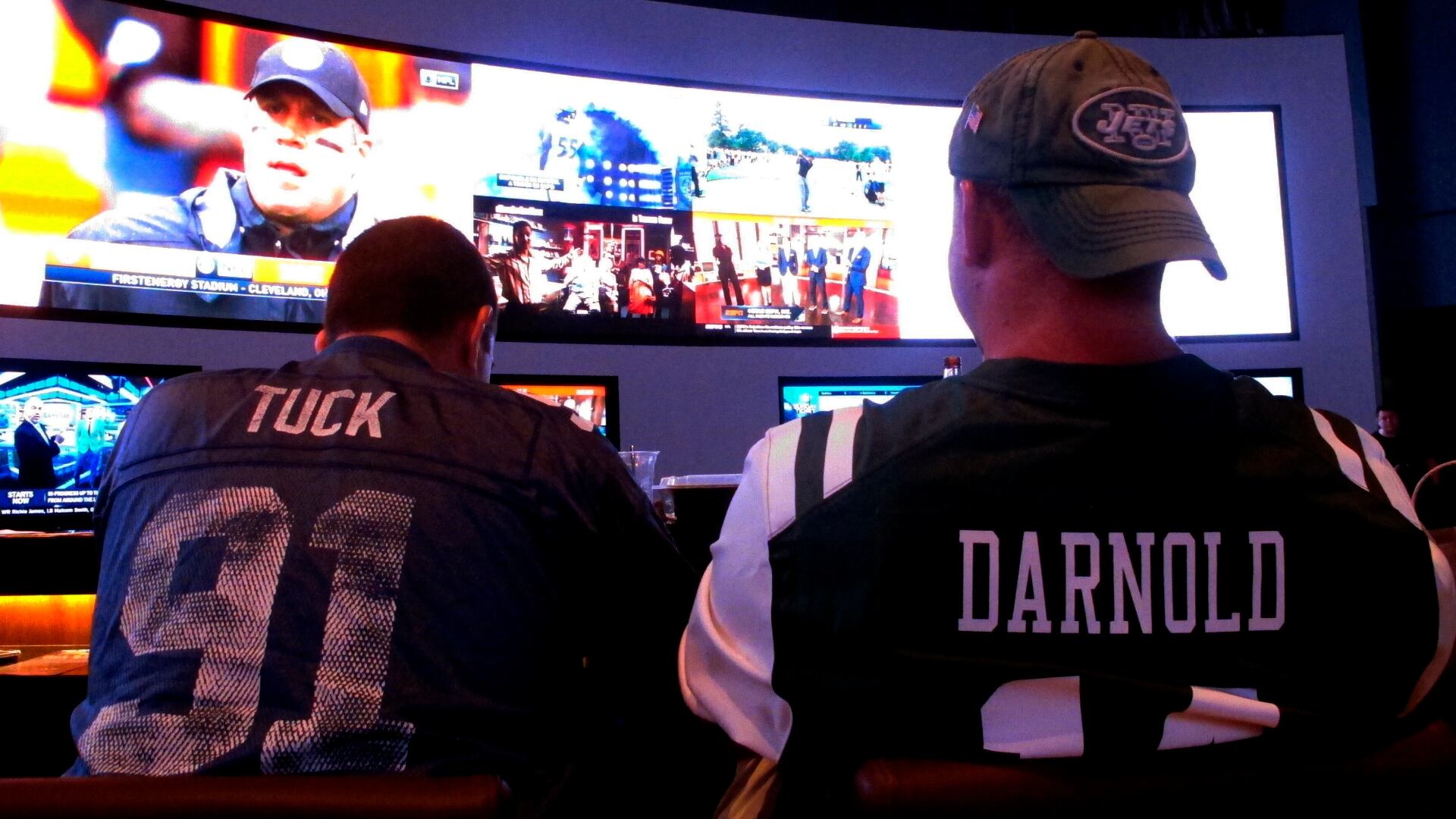
Sports Betting in the U.S. is booming. According to industry experts, we could see another boom this year as more states move towards statewide legalization of sports wagering. While this comes as huge news for fans, there are some very real concerns as to whether or not sports betting potentially poses a threat to public health. Senior Clinician at the Caron Treatment Centers, Eric Webber, joined Cheddar to discuss more.
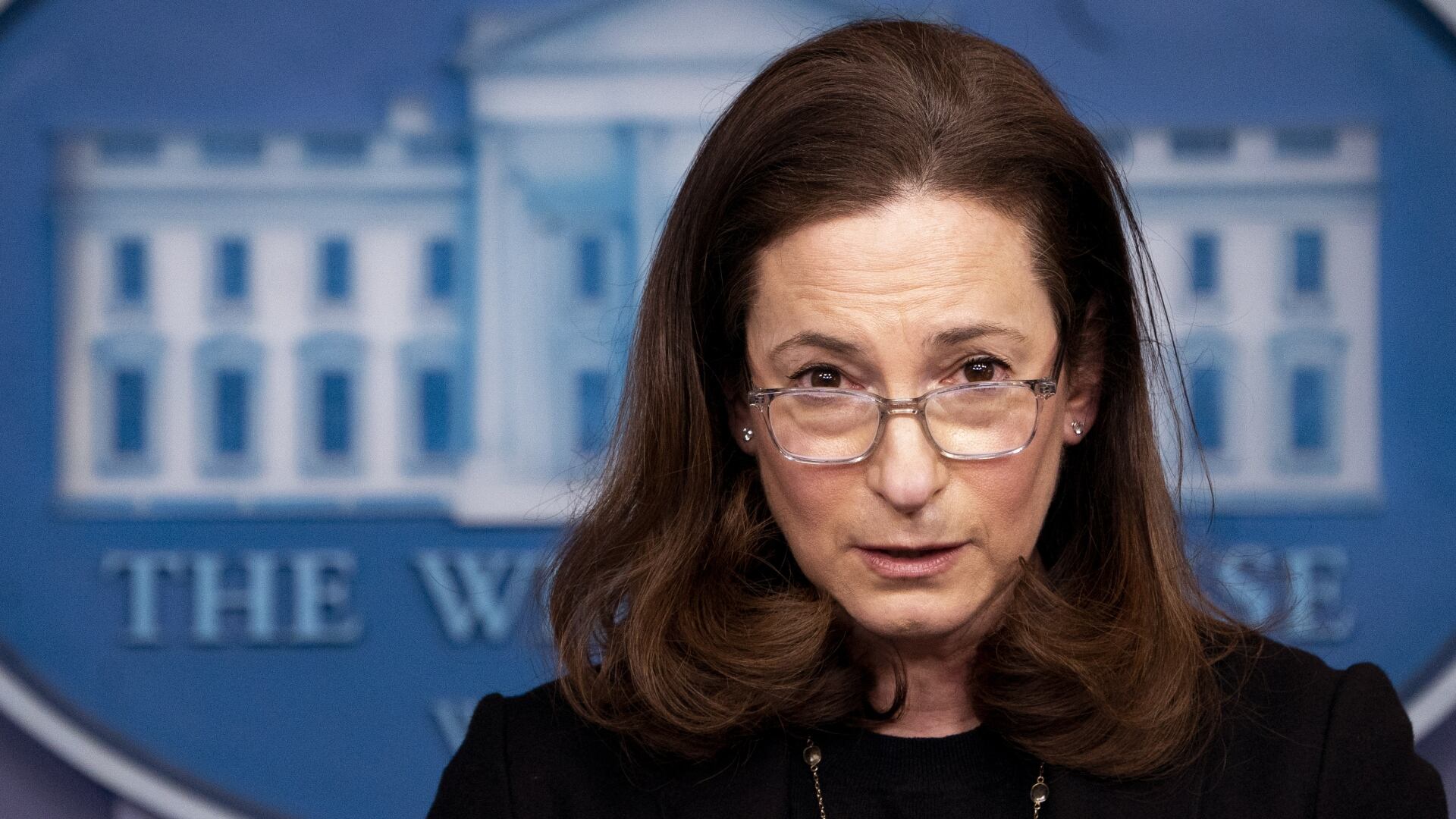
The Biden administration has made gender policy a core part of how it governs. The president established the first Gender Policy Council. It's on the same level as the National Security Council, Domestic Policy Council and National Economic Council, putting the interests of women and other underserved groups at the table for the most important policy discussions.
Cheddar News sat down with Jennifer Klein, executive director and co-chair of the White House Gender Policy Council, to discuss the council's work and its significance during Women's History Month.
State Representative Jessica González, Vice Chair of the Texas House LGBTQ Caucus, joins Cheddar News to discuss the latest Texas anti-transgender directive.
The United States Secretary of Agriculture, Tom Vilsack joins None of the Above to discuss the newly emerging conflict in Europe, what it means for agriculture in the states, dairy and meat consumption, and how the department is planning to promote climate-smart agriculture.