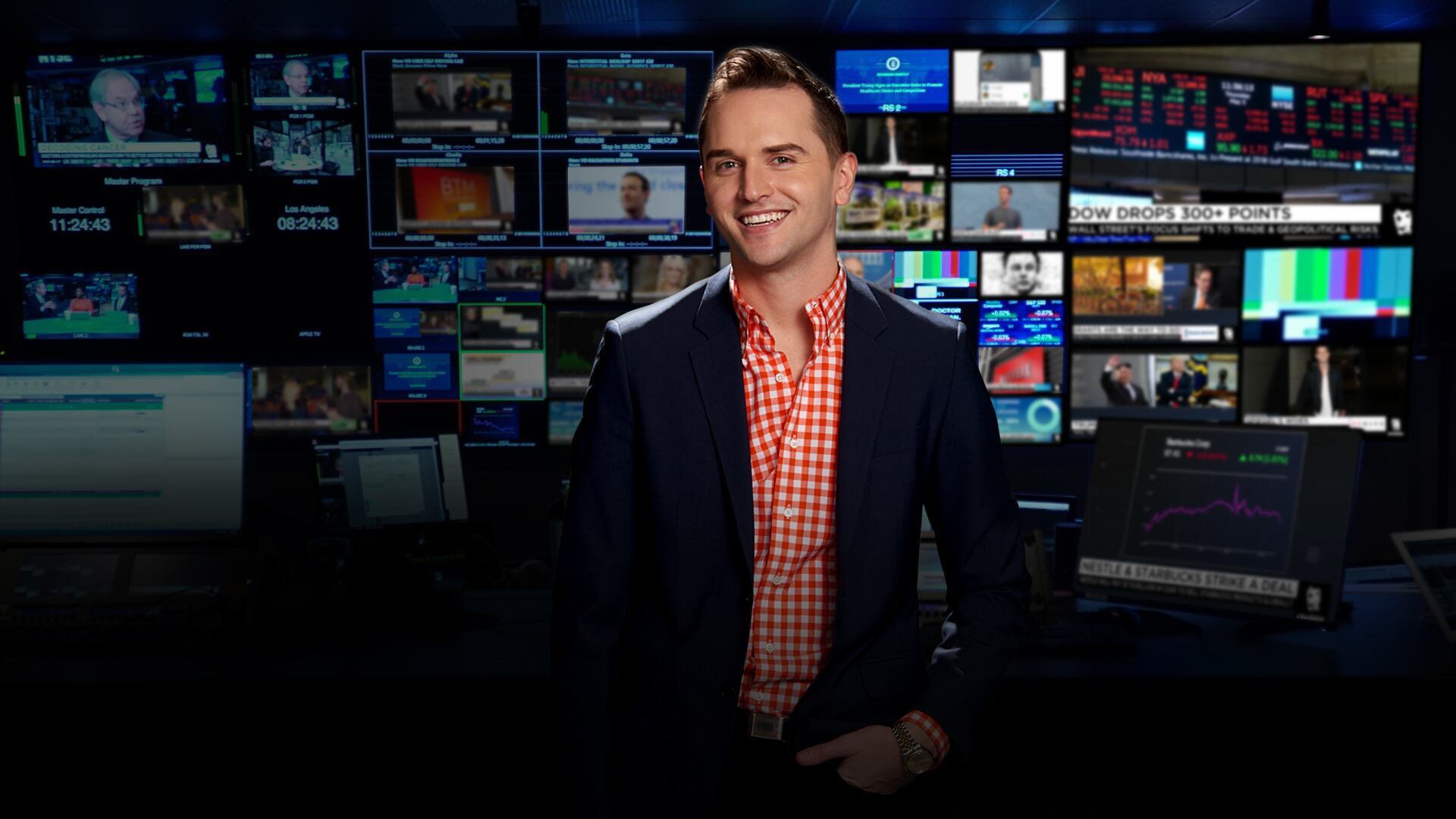
Samsung’s new Galaxy S9 may be meant to compete with the iPhone 8, but Android Central’s Russell Holly says the latest device could give even Apple’s high-end smartphone a run for its money.
“It’s going to be an interesting price for people who are looking to not spend that $1,000 price tag [for an iPhone X],” the senior editor told Cheddar.
At $720, the S9 is priced a little higher than the iPhone 8 ($700) but less than the 8 Plus ($800) and comes in well under Apple’s premium product.
The lack of a sticker shock isn’t the only draw for consumers, says Holly. Though the phone looks a lot like Samsung’s well-received S8, it's packed with a few attractive upgrades.
The S9’s camera operates at 960 frames per second in slow motion and also has “a physical aperture for better low-light and daylight situations,” says Holly. And the S9’s new processor gives its battery a lot more juice than the S8.
Another notable feature is the S9’s AR emoji function, which is built into the camera itself. This allows users to share their AR emojis across other apps “instead of just the one purpose that you have with Apple [animojis in the iPhone X].”
Samsung dropped the S9 and S9+ at the World Mobile Congress in Barcelona, which takes place this week through Friday.
For the full interview, [click here](https://cheddar.com/videos/calling-the-2018-mobile-world-congress-to-order).
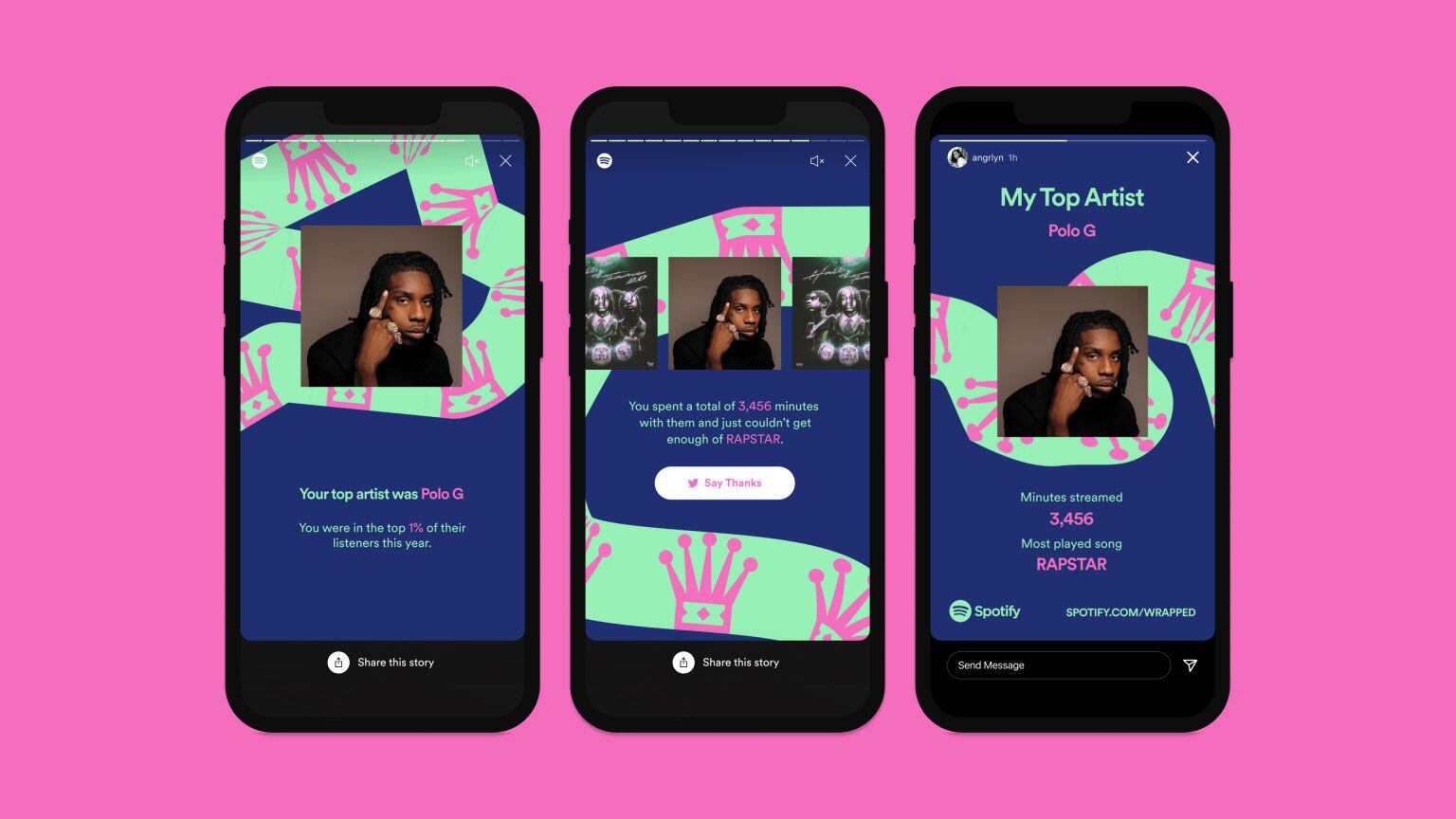
Spotify has just officially released its 2021 'Wrapped'. For the past few years, the streaming giant has been presenting customers with their listening habits from the prior year, including favorite artists, most listened to the genre, podcasts, songs you name it. However, critics say this method just shows how apps can collect our data. CEO of Prevailion Karim Hijazi, joined Cheddar to discuss more.
Recent internal documents obtained by the New York Times reveal how exactly TikTok's algorithm works. The report highlights how the app is mainly focused on retaining two metrics which are retention and time spent. In addition, the document titled, "TikTok Algo 101" details how the algorithm understands human nature from when we get bored to our sensitivity and culture ques. It means the app monitors will kind of videos you like. Professor of Computer Science at the University of California in San Diego Julian McCauley, joined Cheddar to discuss more.
Carlo and Baker discuss the sweeping new vaccine mandate in NYC that will target all private businesses. Plus, Trump's media venture gets its CEO and more.
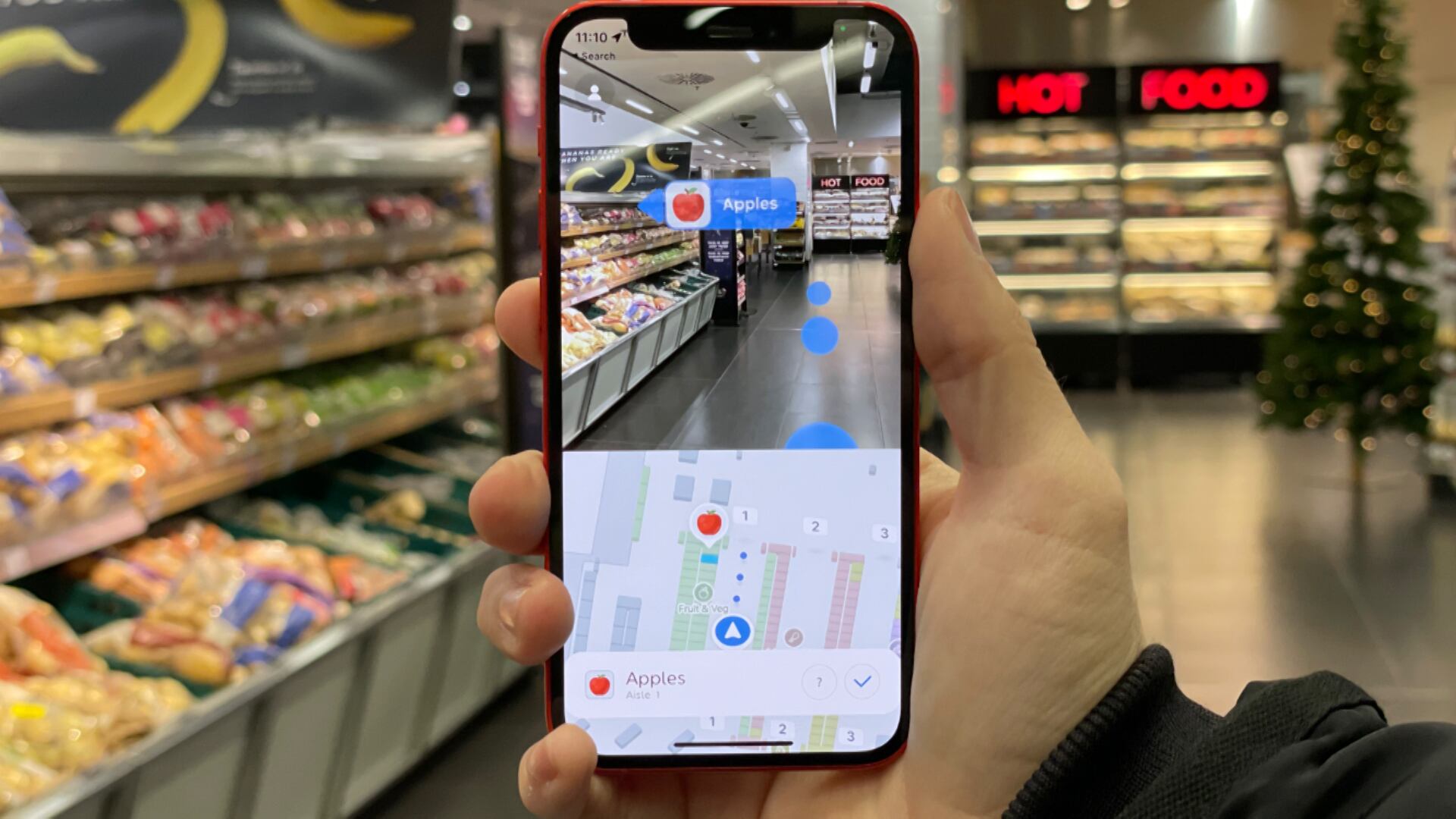
The UK-based augmented reality startup, Dent Reality, raised the equivalent of $3.4 million USD in its most recent funding round. Dent Reality has created an AR app for smartphones that helps shoppers navigate retail locations by providing a layout of a store's aisles, while showing where to find specific items. The company works mainly with grocery stores but aims to integrate its tech with all types of physical spaces. Dent Reality CEO Andrew Hart joins Cheddar News' Closing Bell to discuss.
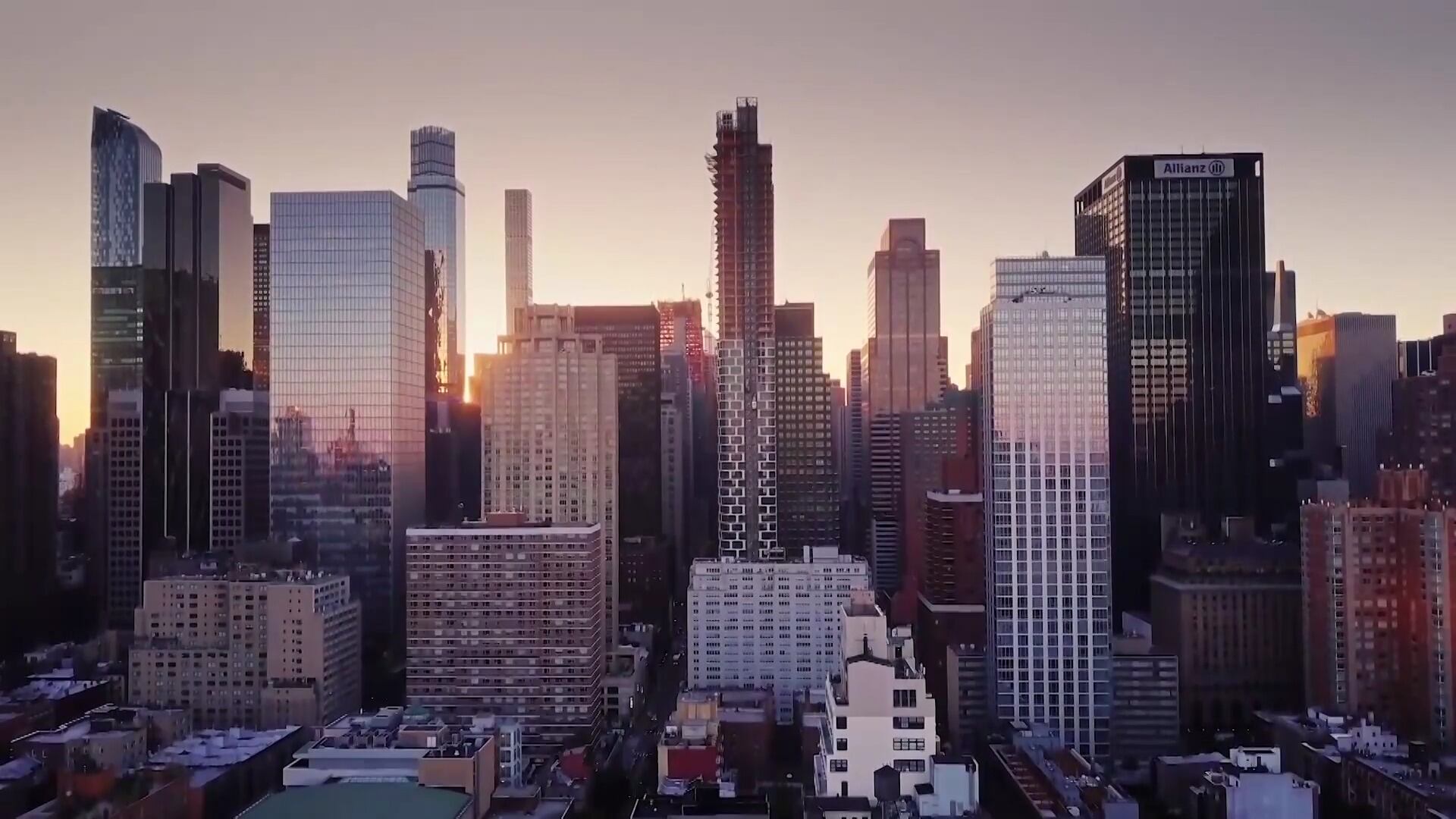
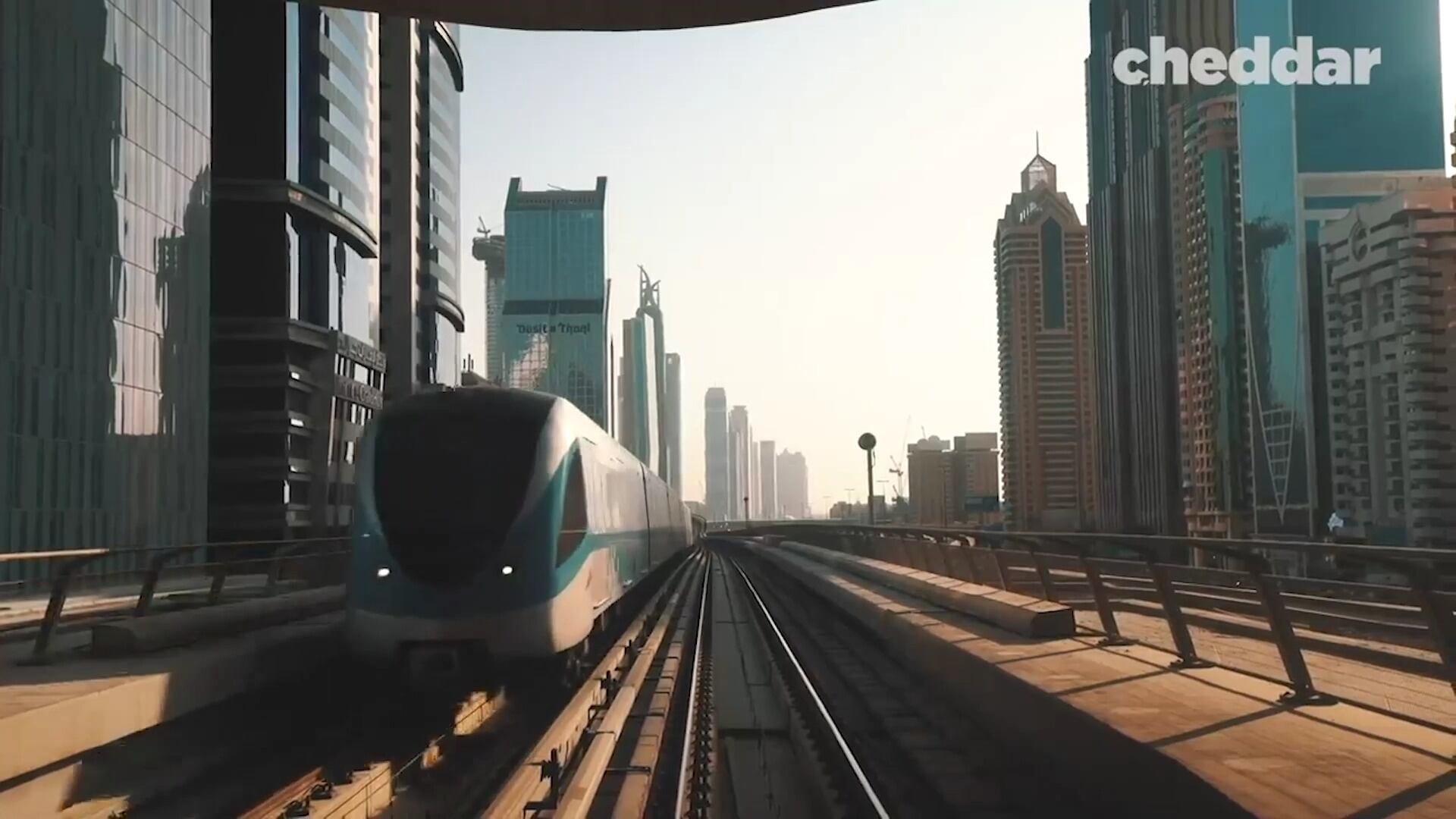
The world is amidst a skyscraper boom. In 2018, 146 buildings over 650 feet were constructed. That’s more than the total amount of skyscrapers constructed between 1979 and 1999. And all this construction is transforming our cities.
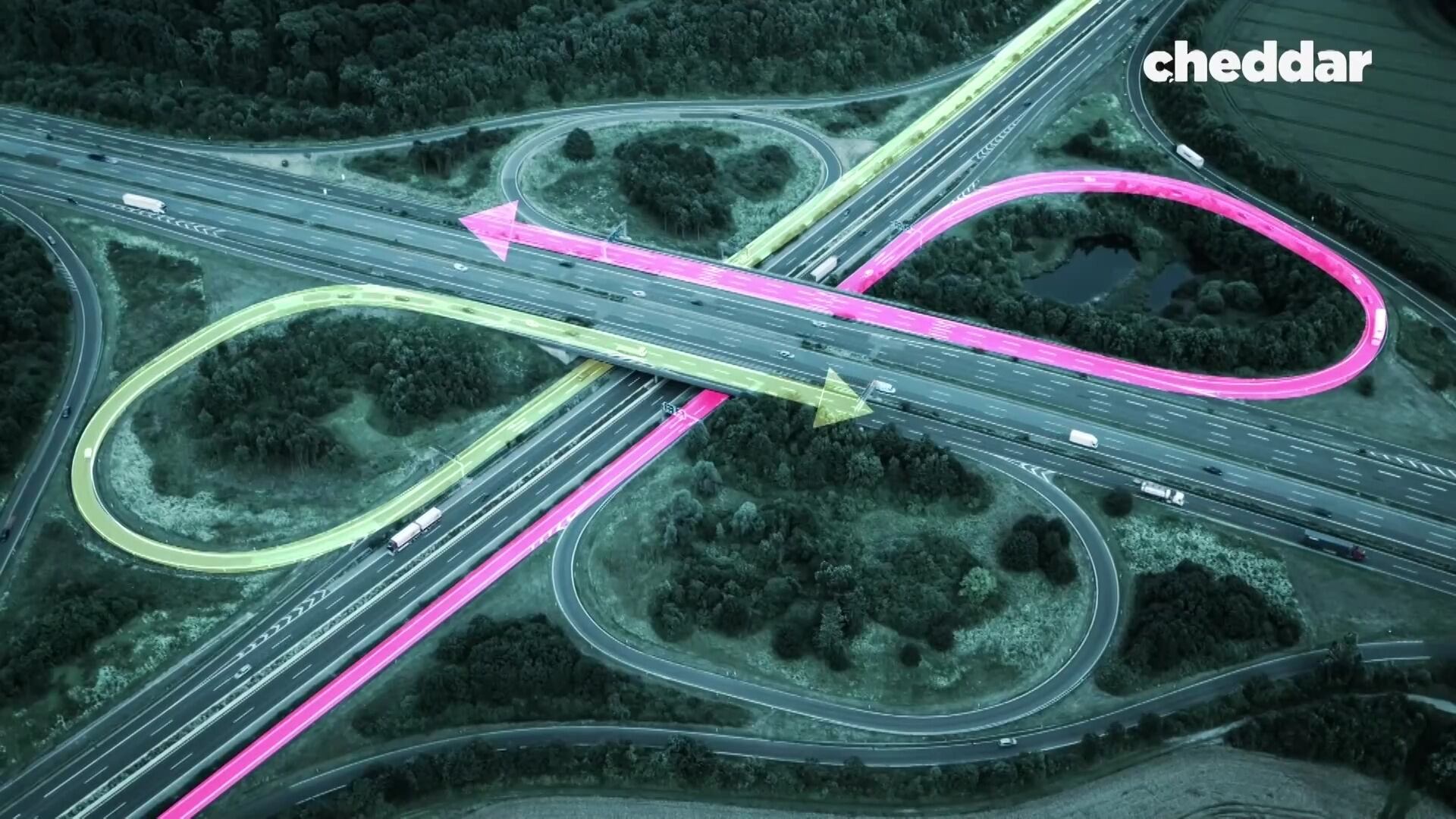
It’s no secret that America’s infrastructure is aging. The average American bridge is 43 years old. 49% of our streets and highways are in poor condition. That’s why rebuilding our roads is near the top of President Biden’s to-do list. But repaving is just surface level, some suggest we need to rethink the structures themselves.
Throughout history, humans have tried their best to predict what the future will look like. Today, it’s fun to look back and laugh at some of the wacky conceptual drawings of “cities of the future”. While the majority of these ideas look silly today, some concepts almost became our reality, if not for a few key shortcoming.