California's Bureau of Cannabis Control is urging Californians to "Get #Weedwise" with a new public information campaign, targeting the state's stubborn black market.
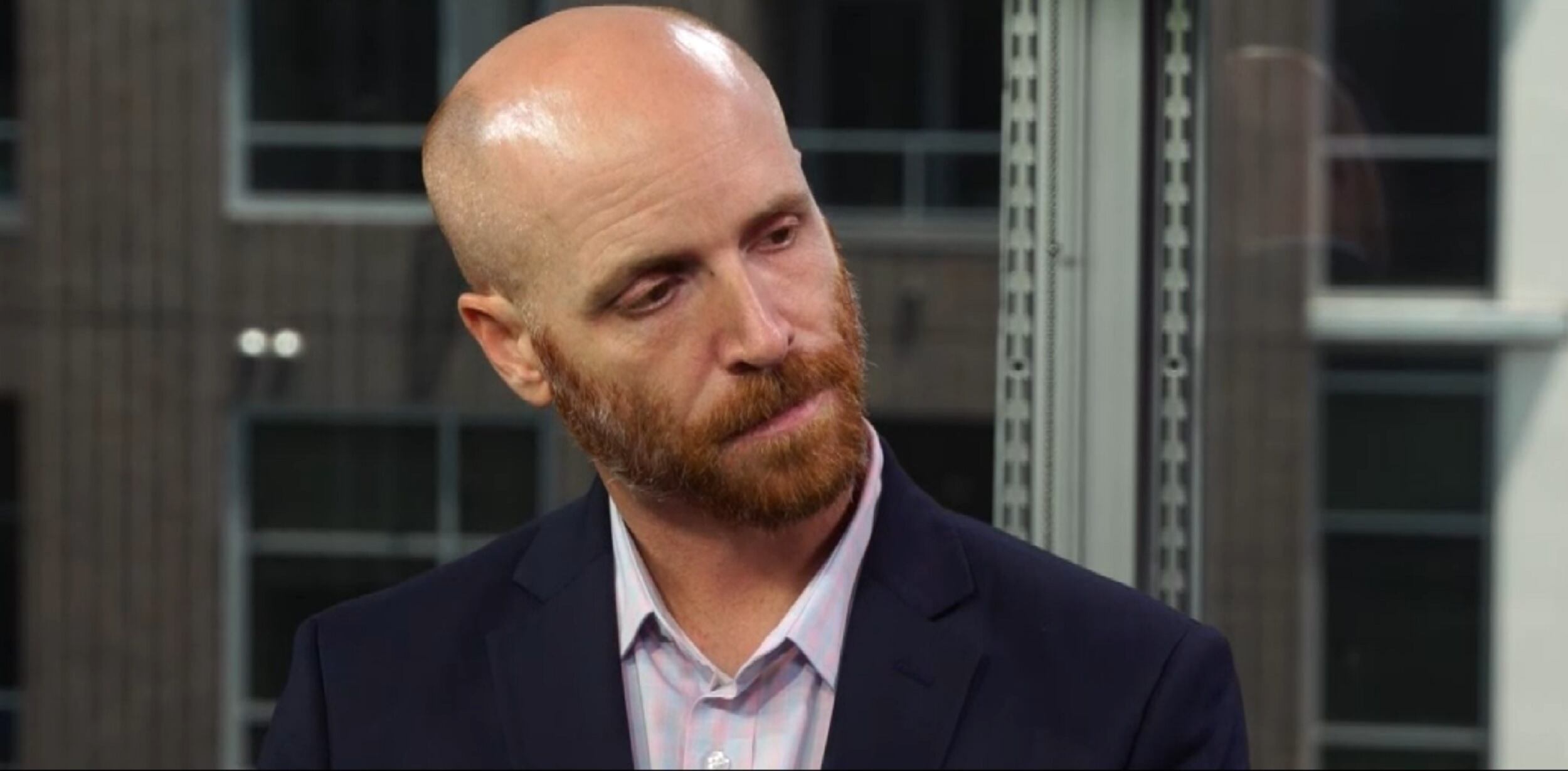
"The illegal market is looking to make money hand over fist as fast as they can. They're not concerned about patient safety or the well-being of the consumer," the Bureau of Cannabis Control's Alex Traverso told Cheddar.
Through a series of billboards, digital marketing, and a clever hashtag, the state's cannabis regulatory body is educating consumers on the risks of black market cannabis and encouraging them to visit CAPotcheck.com before hitting their local dispensary or retail cannabis shop. There, they can verify whether the store they've been patronizing actually has a license. Influencing consumer behavior is just the state's latest weapon in the fight against illicit cannabis shops that are responsible for an estimated 80 percent of cannabis sold in the state annually. These shops undercut legitimate businesses and the state's tax revenue, as well as endanger cannabis consumers.
Although most states and countries that have moved to legalize cannabis struggle with a black market, California's unique regulatory history makes its situation particularly tricky. California legalized medicinal marijuana in 1996 and let the system run largely unregulated until the state tried to both legalize recreational and regulate the wild medical market right around the same time in 2015 and 2016. As a result, there are hundreds of bootleg pot shops from the old days, according to the Los Angeles Times, continuing to sell without a license.
Some shoppers, Traverso said, may not even know the shop they visit is an illicit dispensary, running the risk of purchasing unregulated, untested, or even toxic products.
"If you're buying flower, for instance, there could be pesticides in there, mold, E. coli," Traverso said. "There's some bad stuff out there, and I don't think people recognize that."
Aside from risking their health, consumers that buy illegal products are harming legal businesses, which typically have higher prices and slimmer margins due to costs incurred from regulatory compliance, testing, and taxes. Since most of California's licenses are concentrated in Southern California, where the black market is most resilient, Traverso said that's where the Bureau is focusing the lion's share of its advertising and energy.
Aside from influencing consumer behavior, the Bureau of Cannabis Control has also been working with state and local authorities on enforcement ー or forcibly shutting down illicit shops ー and working to quickly license retailers, so they don't turn to the black market.
"Between licensing, between shutting down these bad operators, and then also encouraging consumers through this campaign to shop the licensed and legal market, that's really our three-part approach on how we are going to hopefully solve this problem," Traverso said.