Opposition to May's Brexit Plan Threatens to Derail Negotiations
*By Chloe Aiello*
British Prime Minister Theresa May finally garnered European Union support for her Brexit plan, but unrest at home threatens to dismantle negotiations ー and lawmakers have warned there is no plan B.
"The worst case scenario for many, particularly for anyone who is a 'Remainer,' is that we leave the EU without a deal in place at all," Ayesha Javed, Deputy Editor of The Wall Street Journal's WSJ City, told Cheddar on Monday.
The 585-page deal is designed to keep the United Kingdom within the EU's economic orbit through a transitional period, after which those ties will slowly weaken. The deal includes provisions to prevent a hard border in Ireland, [according to the Guardian,](https://www.theguardian.com/politics/2018/nov/14/theresa-mays-brexit-deal-everything-you-need-to-know) and guarantees some legal protections for the millions of EU citizens living in the U.K. and vice versa. Much of the focus of the deal has been on goods, rather than on financial services, Javed added, and details concerning trade and securities must still be ironed out.
"The idea is to keep trade as friction-less as possible, although that seems unlikely to happen," she added.
By approving May's plan in Brussels on Sunday, the European Union lawmakers implicitly threw their support behind May, as she works to ensure U.K. Parliament votes to approve the agreement on Dec. 12. She faces tremendous opposition.
"There are lawmakers, for example on the opposition Labour side, who say that the deal goes too far. Some are still pushing for a second referendum. There are others within Theresa May's Conservative Party who say that the deal doesn't go far enough," Javed said. "Some say that this deal is the worst of all worlds. And others say this is just a compromise that Theresa May has had to come up with."
EU leaders have warned there is no alternative to the negotiated deal. If U.K. Parliament slaps it down, a few different things could happen.
In the event the deal dies in Parliament, May could request more time from the EU, although Javed said she doubts an extension would be approved. Alternatively, May could face a leadership challenge from within her own party. Lastly, "Remainers," or those who prefer the U.K. remain part of the EU, could opt for another referendum on Brexit. That, Javed said, would be "an extreme scenario," because in pushing for a referendum, the U.K. could ultimately end up leaving the EU with no deal at all.
A no-deal Brexit would "cause huge disruption at the borders, it would mean tariffs and checks at the borders, and all sorts of unforeseen circumstances, and so that's something that a lot of lawmakers are very keen to avoid," Javed said.
"So while many might try to hold out for another referendum, it could go entirely the other way," she added.
The U.K. is scheduled to officially leave the EU on Mar. 29, 2019.
Following the invasion of Ukraine, a multitude of Western companies have paused doing business with Russia. PepsiCo, Coca-Cola, McDonald's, and Starbucks are the most recent companies to temporarily cease operations in Russia. Dean of Miami Herbert Business School at the University of Miami, John Quelch, joined Cheddar News to discuss what message this sends to Russia and the Russian consumer. “I would not underestimate the collective strength of all of these multinational companies, essentially coming together to make their collective statement in support of the political statements that have come out of Washington," he said.
The war in Ukraine continues to reveal heartbreaking gut-wrenching stories. The war in itself is not only devastating but also expensive. Experts estimate that Russia is draining nearly $20 million dollars each day to continue occupying and invading Ukraine. All this could force the country to turn to cryptocurrencies. It's a major turn for the country that briefly considered outlined digital assets entirely, but it could also have serious implications for cryptos. Managing Director at Quantum Fintech Group, Harry Yeh, joined Cheddar to discuss more.
President Biden announced a ban on Russian oil and natural gas imports to the U.S. in response to its invasion of Ukraine, a move he warned could lead to an even greater surge in gas prices. The ban is prompting a conversation about the current oil production levels in the U.S. and whether or not the industry can ramp up production to soften the blow to American families at the gas pump. Clark Williams-Derry, Energy Finance Analyst with the Institute for Energy Economics and Financial Analysis, breaks down the state of the U.S. oil industry and how the ban might impact production levels here at home.
PepsiCo, Coca-Cola, McDonald’s, and Starbucks are the latest American food brands to have halted business operations in Russia after having faced scrutiny and criticism for originally failing to do so amid the country's invasion of Ukraine.
As Russia intensifies its war on Ukraine, President Biden announced a ban on oil imported from the aggressor nation. Critics of Russia have said this would be the best way to force Putin to pull back, but curbs on Russian oil exports are expected to send already skyrocketing oil and gas prices even higher, further impacting consumers, businesses, financial markets, and the global economy. Leslie Beyer, CEO of the Energy Workforce and Technology Council, joined Cheddar News' Closing Bell to discuss. "It's certainly going to increase pricing, but it is the right thing to do," she said. "The industry itself has already pulled out of the significant portion of its operations in Russia."
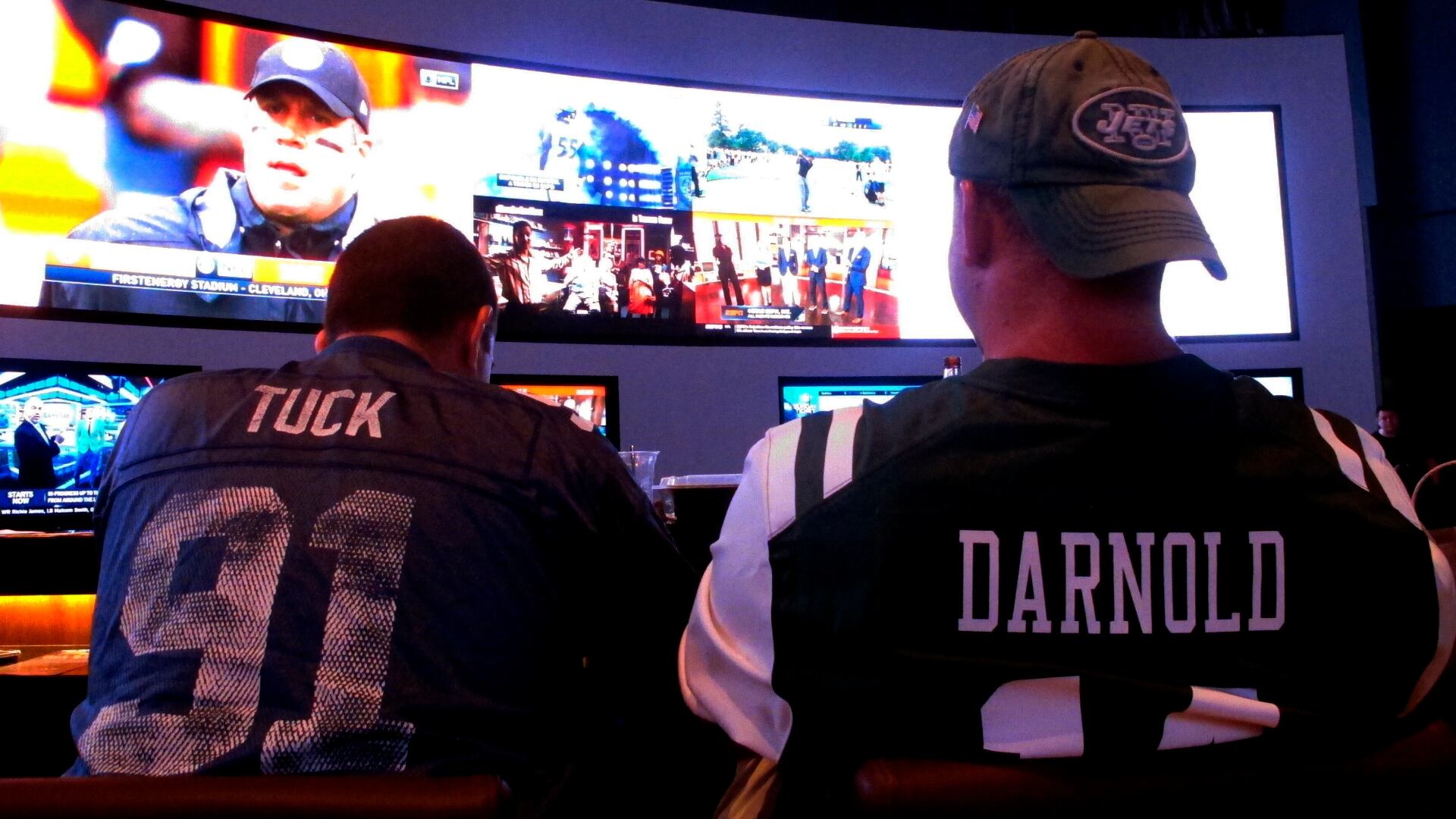
Sports Betting in the U.S. is booming. According to industry experts, we could see another boom this year as more states move towards statewide legalization of sports wagering. While this comes as huge news for fans, there are some very real concerns as to whether or not sports betting potentially poses a threat to public health. Senior Clinician at the Caron Treatment Centers, Eric Webber, joined Cheddar to discuss more.
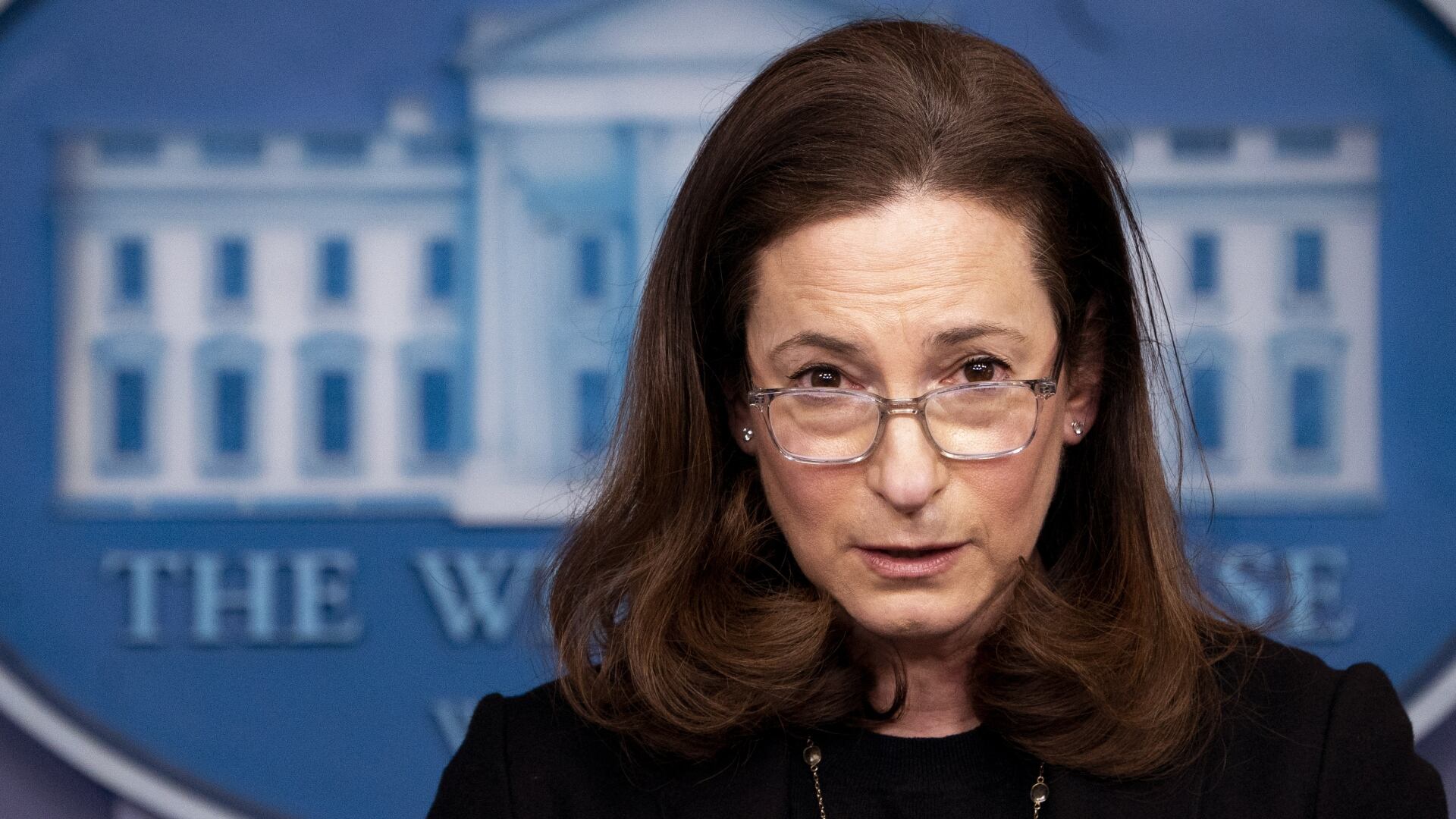
The Biden administration has made gender policy a core part of how it governs. The president established the first Gender Policy Council. It's on the same level as the National Security Council, Domestic Policy Council and National Economic Council, putting the interests of women and other underserved groups at the table for the most important policy discussions.
Cheddar News sat down with Jennifer Klein, executive director and co-chair of the White House Gender Policy Council, to discuss the council's work and its significance during Women's History Month.
State Representative Jessica González, Vice Chair of the Texas House LGBTQ Caucus, joins Cheddar News to discuss the latest Texas anti-transgender directive.
The United States Secretary of Agriculture, Tom Vilsack joins None of the Above to discuss the newly emerging conflict in Europe, what it means for agriculture in the states, dairy and meat consumption, and how the department is planning to promote climate-smart agriculture.