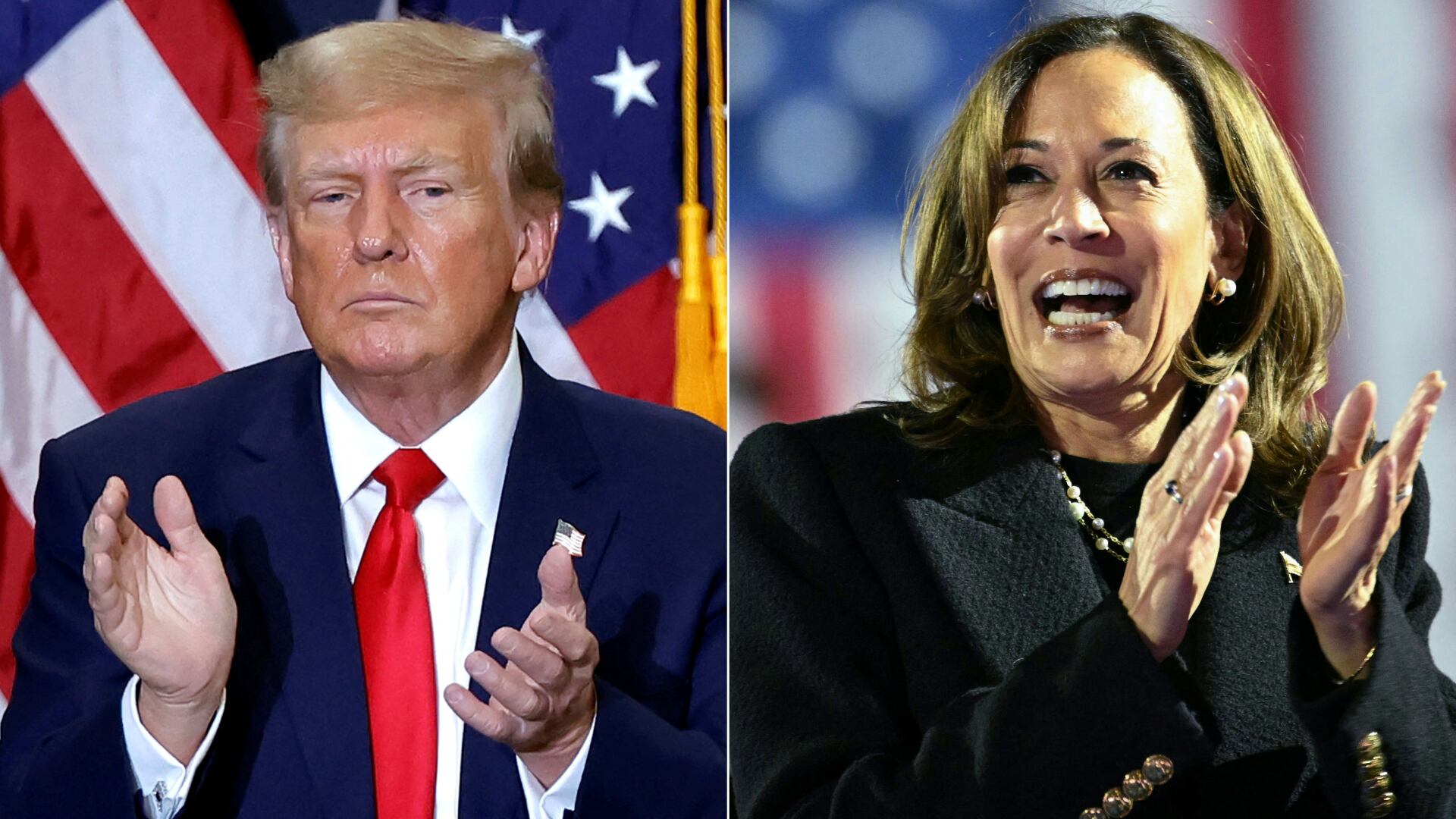
As voters weigh the candidates’ various proposals heading into the 2020 presidential election, issues around higher education and mounting national student loan debt are factors many are considering before casting a ballot.
Currently, more than 40 million Americans have student loan debt, and collectively they owe the federal government $1.5 trillion. In a poll conducted by Cheddar, 12 percent of prospective voters said they defaulted on their loans with another 8 percent in danger of doing the same.
A Brookings study found that approximately 40 percent of student loan borrowers are expected to default by 2023. The financial strain, particularly in a year where the COVID-19 crisis has piled up hospital bills for many families, has moved student debt planning higher up on the list of critical voting concerns.
Plans for higher education
The Trump administration so far has rolled out the College Scorecard, a tool for prospective college students to navigate the cost of various schools, the earning potential based on major, and secondary higher education options, like apprenticeships. The president largely views higher education as a consumer-driven marketplace.
While federal spending under Trump has reached landmark levels, he plans to slash funds for higher education by $170 billion. The cut would effectively limit access to students in need of financial aid, but the president has shown some flexibility on Pell Grants for lower-income families. Access to government-subsidized loans would also end, leaving those still in school or facing an economic fallout to cover interest fees.
Joe Biden, meanwhile, has a plan to cancel student debt for millions of qualifying students. Those who attended public universities, historically Black colleges and universities, or minority-serving institutions would have their loans wiped out. He also has said that attending public universities should be free for low and middle-income students.
Students from families making less than $125,000 annually would also have their obligations forgiven.
President Donald Trump's administration last month awarded a $1.2 billion contract to build and operate what's expected to become the nation’s largest immigration detention complex to a tiny Virginia firm with no experience running correction facilities.
Cracker Barrel said late Tuesday it’s returning to its old logo after critics — including President Donald Trump — protested the company’s plan to modernize.
Federal Reserve Gov. Lisa Cook's lawyer says she'll sue President Donald Trump's administration to try to prevent him from firing her. Longtime Washington attorney Abbe Lowell said Tuesday that Trump “has no authority to remove” Cook. If Trump succeeds in removing Cook from the Fed's board of governors, it could erode the Fed’s political independence, which is considered critical to its ability to fight inflation because it enables the Fed to take unpopular steps like raising interest rates. The Republican president said Monday he was removing Cook because of allegations she committed mortgage fraud. Cook was appointed by Democratic President Joe Biden in 2022 and says she won't step down.
Federal Reserve governor Lisa Cook late Wednesday said she wouldn’t leave her post after Trump on social media called on her to resign over an accusation from one his officials that she committed mortgage fraud.
Politico's Marcia Brown breaks down the MAHA draft roadmap: industry-friendly, light on regulation, heavy on research and voluntary food policy changes.
Intel CEO Lip-Bu Tan says he’s “always operated within the highest legal and ethical standards” after coming under pressure following President Donald Trump’s call for him to resign.
Millions of Americans saving for retirement through 401(k) accounts could have the option of putting their money in higher-risk private equity and cryptocurrency investments.
A new federal rule would make it easier for companies to use drones over longer distances out of sight of the operator without having to go through a cumbersome waiver process.
President Donald Trump has signed the GENIUS Act into law, setting new regulations for stablecoins, a type of cryptocurrency tied to assets like the U.S. dollar.