By Josh Boak
President Joe Biden drew a red line on his $2.3 trillion infrastructure plan Wednesday, saying he is open to compromise on how to pay for the package but inaction is unacceptable.
The president turned fiery in an afternoon speech, saying that the United States is failing to build, invest and research for the future and adding that failure to do so amounts to giving up on “leading the world.”
“Compromise is inevitable,” Biden said. “We’ll be open to good ideas in good faith negotiations. But here’s what we won’t be open to: We will not be open to doing nothing. Inaction, simply, is not an option.”
The president has taken heat from Republican lawmakers and business groups for proposing that corporate tax increases should finance the infrastructure package. He challenged the idea that low tax rates would do more for growth than investing in workers, roads, bridges, clean water, broadband, school buildings, the power grid, electric vehicles and veterans hospitals.
Biden last week proposed a $2.3 trillion infrastructure plan that would largely be funded by an increase in the corporate tax rate to 28% and an expanded global minimum tax set at 21%. But he said he was willing to accept a rate below 28% so long as the projects are financed.
“I’m willing to listen to that," Biden said. "But we gotta pay for this. We gotta pay for this. There’s many other ways we can do it. But I am willing to negotiate. I’ve come forward with the best, most rational way, in my view the fairest way, to pay for it, but there are many other ways as well. And I’m open.”
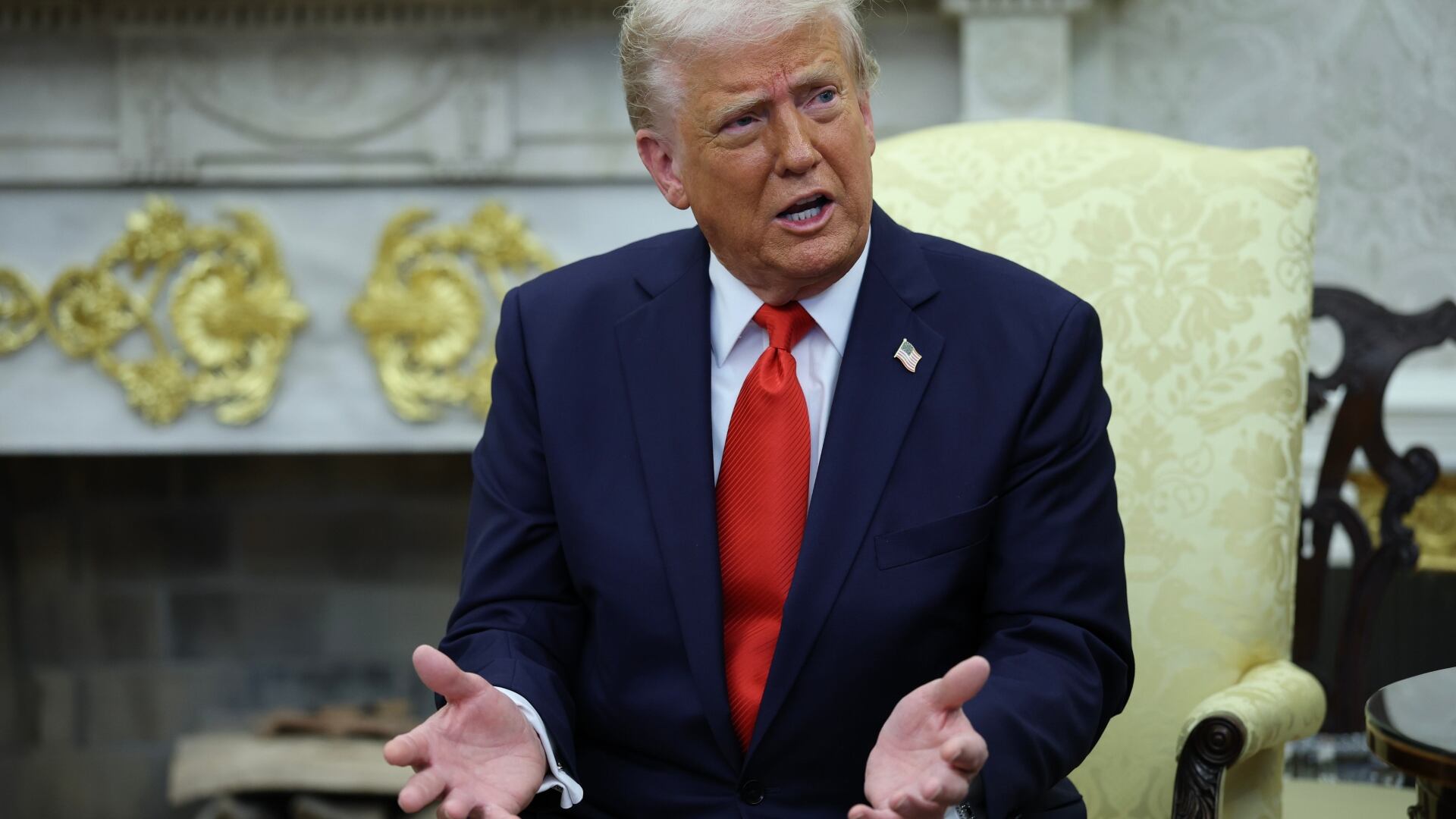
Treasury Secretary Janet Yellen, for her part, said it was “self-defeating” for then-President Donald Trump to assume that cutting the corporate tax rate to 21% from 35% in 2017 would make the economy more competitive and unleash growth. Yellen said that competing on tax rates came at the expense of investing in workers.
“Tax reform is not a zero-sum game,” she told reporters on a call. “Win-win is an overused phrase, but we have a win-win in front of us now.”
Yellen said the president's plan would focus on investing in workers' skills and traditional infrastructure such as roads and bridges as well as modern infrastructure such as broadband. The tax increases would produce roughly $2.5 trillion in revenues over 15 years, enough to cover the eight years' worth of infrastructure investments being proposed.
The roughly $200 billion gap between how much the taxes would raise and how much the administration wants to spend suggests there is space to address critics, such as West Virginia Sen. Joe Manchin, a key Democratic vote, who would prefer a 25% rate. Republican lawmakers have opposed the plan because of its tax hikes and what they say is an overly broad definition of infrastructure.
Commerce Secretary Gina Raimondo said businesses and lawmakers should come to the bargaining table, noting that there could be room to negotiate on the rate and timeline.
“There is room for compromise,” Raimondo said at a White House briefing. “What we cannot do, and what I am imploring the business community not to do, is to say, ‘We don’t like 28. We're walking away. We're not discussing.'"
Key to the Biden administration's pitch is bringing corporate tax revenues closer to their historic levels, rather than raising them to new highs that could make U.S. businesses less competitive globally.
Trump's 2017 tax cuts halved corporate tax revenues to 1% of gross domestic product, which is a measure of the total income in the economy. Revenues had previously equaled 2% of GDP. That higher figure is still below the 3% average of peer nations in the Organization for Economic Co-operation and Development, the Treasury Department said in its summary of the plan.
Still, some say the administration's claim is misleading.
“The administration should use statistics that directly measure the burden on the corporate sector,” said Kyle Pomerleau, a fellow at the conservative American Enterprise Institute. “In fact, many measures of effective tax rates show that the U.S.’s burden is pretty close to middle of the road. Biden’s plan would certain push up to the high end among our major trading partners.”
Yellen also said the 2017 tax cuts failed to deliver on Trump's promise of an accelerating economy. Instead, the cuts encouraged other countries to keep reducing their own tax rates in a “race-to-the-bottom” that the Biden plan believes can be halted with an enhanced minimum tax and agreements with other nations.
The infrastructure investments would increase the level of GDP in 2024 by 1.6%, according to estimates by Moody's Analytics.
But the proposal has also drawn criticism from business groups such as the U.S. Chamber of Commerce and the Business Roundtable, which argue that higher taxes would hurt U.S. companies operating worldwide and the wider economy.
The Penn-Wharton Budget Model issued a report Wednesday saying the combined spending and taxes would cause government debt to rise by 2031 and then decrease by 2050. But following the plan, GDP would be lower by 0.8% in 2050.