President Joe Biden on Wednesday announced his administration will extend the moratorium on federal student loan payments until August 31, easing the fears of millions of borrowers who would have to resume payments on May 1 after two years of pandemic relief.
"I know folks were hit hard by this pandemic," the president said in a Twitter video announcing the extension. "And though we've come a long way in the last year, we're still recovering from the economic crisis it caused. This continued pause will help Americans breathe a little easier as we recover and rebuild from the pandemic."
The past two years have been a boon for the more than 43 million Americans who hold a combined $1.6 trillion in federal student loan debt. At the onset of the COVID-19 pandemic in March 2020, the CARES Act instituted a moratorium on federal student loan payments and the accumulation of interest on those loans.
The original moratorium lasted through September 2020, which President Donald Trump extended through the end of December, and again through January 31, 2021.
President Joe Biden came into office and extended the payment pause through September 30, 2021, again through January, and for a third time, after much public pressure earlier this year, with the moratorium set to end on the first of May. Now it has been pushed back yet again.
Progressive lawmakers and student debt groups met the decision with praise but called on the president to cancel wide swathes of student debt through an executive order.
"We recognize that extending the payment pause is important to borrowers struggling to shoulder the harm caused by the pandemic, economic shocks, and inflation," Natalia Abrams, the president and founder of the Student Debt Crisis Center, said in a statement. "However, President Biden's piecemeal, short-term approach is not enough to meet these challenging times."
Supporters of cancellation argue the president's powers under the Higher Education Act of 1965 allow him to forgive student debt without an act of Congress. They say he's already used this authority to pause federal loan payments and the accumulation of interest.
The Departments of Justice and Education last year reviewed whether or not the president has the legal authority to cancel debt via executive order. The results of that review are contained in a heavily redacted memo, released by the Debt Collective in October after a Freedom of Information Act request, which did not offer any clarity to the public.
White House Press Secretary Jen Psaki has not provided a timeline for when the memo's contents would be made public, despite repeated questions over the past several months, saying the president continues to consider his options.
Biden has already canceled $15 billion of federal student debt for certain borrowers without any congressional input. The cancellation applies to borrowers with total and permanent disabilities, some borrowers who applied for the Public Service Loan Forgiveness program, students defrauded by the ITT Technical Institute, and students who did not complete degrees at institutions that have since shuttered.
Biden's decision and the larger conversation around debt cancellation have prompted backlash from some. Sen. Tom Cotton (R-Ark.) in a tweet called the continued extension of the moratorium "an insult" to borrowers who have paid off their debt.
Many have already noted that the extension only lasts for a little over four more months, at which time the administration is likely to face the same calls to extend the moratorium or cancel some amount of federal student debt outright.
The moratorium is also set to end just two months before the midterm elections, and the political calculation will loom large as the White House decides whether to extend again later this year.
"[T]oday's news should also be a reminder that the student debt crisis continues to loom over the financial futures of families across the country," Mike Pierce, executive director of the Student Borrower Protection Center, said in a statement.
"Come August, people with student debt will have no one to blame but Joe Biden if they still remain trapped in America's broken student loan system because he didn't keep his promise to cancel student debt," he said.
A new report from ProPublica and the Washington Post found that Facebook Groups played a major role in the spread of misinformation linked to the January 6 insurrection with more than 650,000 posts claiming that Joe Biden's election victory was illegitimate.
Millions of Americans with young children have relied on the child tax credit since the federal government began issuing checks in July 2021. The last round of payments was sent out just before the Christmas holiday — at the same time as the omicron variant surged. Leah Hamilton, associate professor of social work at Appalachian State University, joined Cheddar to discuss what the end to the tax credit means as the U.S. sees the end of many relief programs and its highest number of COVID cases since the start of the pandemic. "It'll become harder for families to meet their basic needs, increasing national childhood poverty rates and the proportion of families who have difficulty putting food on the table, maintaining stable housing, and paying their bills," Hamilton said. She also pointed to research that the credit as a long-term investment in children offsets claims that it contributes to macroeconomic impacts like inflation.
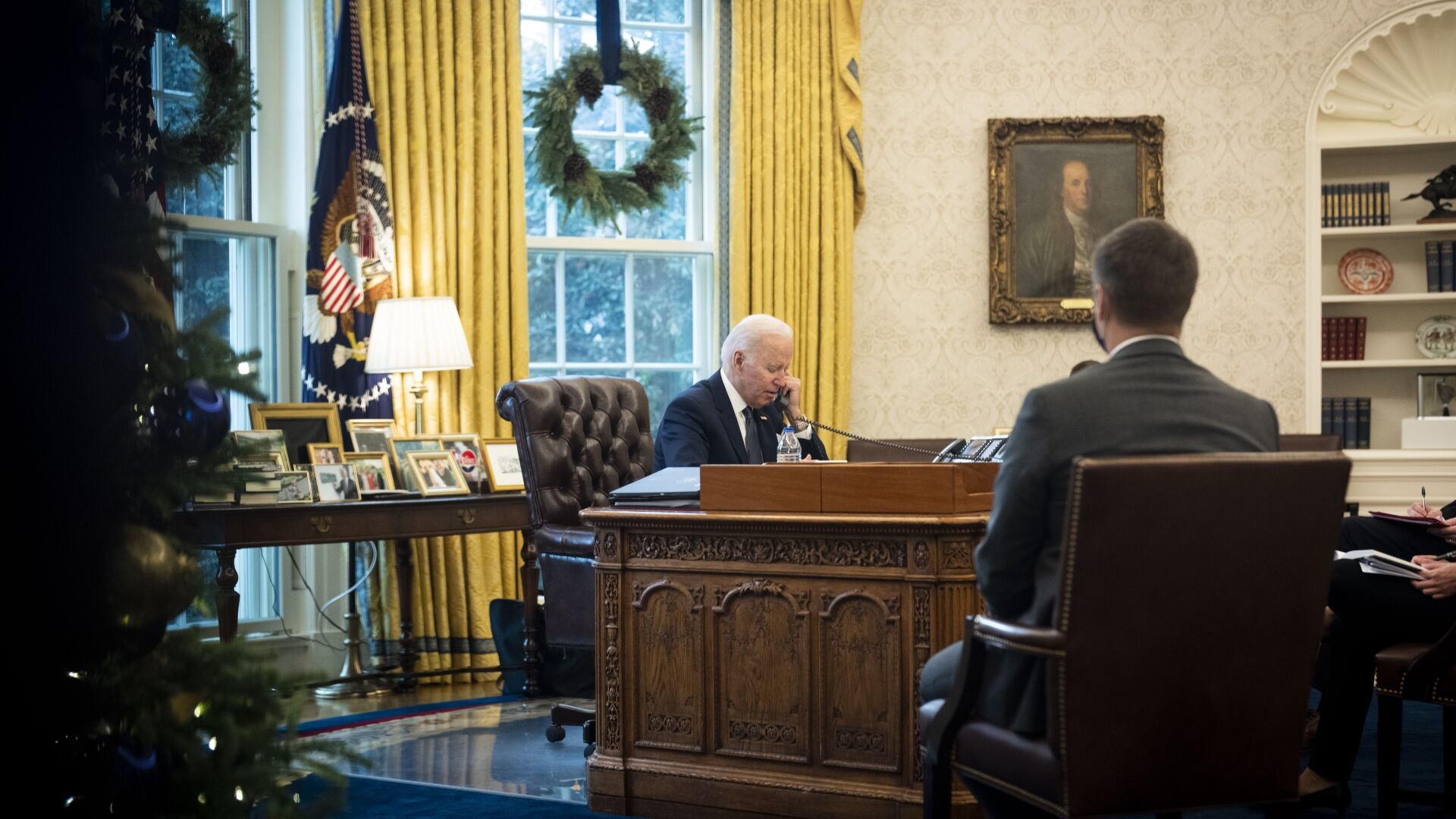
U.S. President Joe Biden spoke with Ukrainian President Volodymyr Zelensky over the week-end, just days after he spoke with Russian President Vladimir Putin. The call comes as Washington prepares to meet with Moscow on January 10, as tensions mount over Russia's military build up near its border with Ukraine. Cheddar News speaks with Mustafa Tameez, a former advisor to the U.S. Department of Homeland Security, about the issue.
Several Silicon Valley insiders are being accused of contorting a 1990s-era tax break to avoid taxes on millions of dollars of investment profits. The tax break is known as the qualified small business stock exemption, and it allows early investors in certain companies to avoid half of the taxes on up to $10 million in capital gains. A piece recently published in the New York Times says venture capital firms like Andreessen Horowitz replicated the tax exemption by giving shares of companies to friends and family, who would otherwise face a 23.8% capital gains bill. The CEO of Roblox is also accused of replicating the tax break for his family members at least 12 times. Although the loophole known as 'stacking' is considered to be legal, the Times piece implies that the exemption has been manipulated for the ultra-wealthy to become more wealthy. Greycroft co-founder and Chairman Emeritus Alan Patricof joins Cheddar News' Closing Bell to discuss.
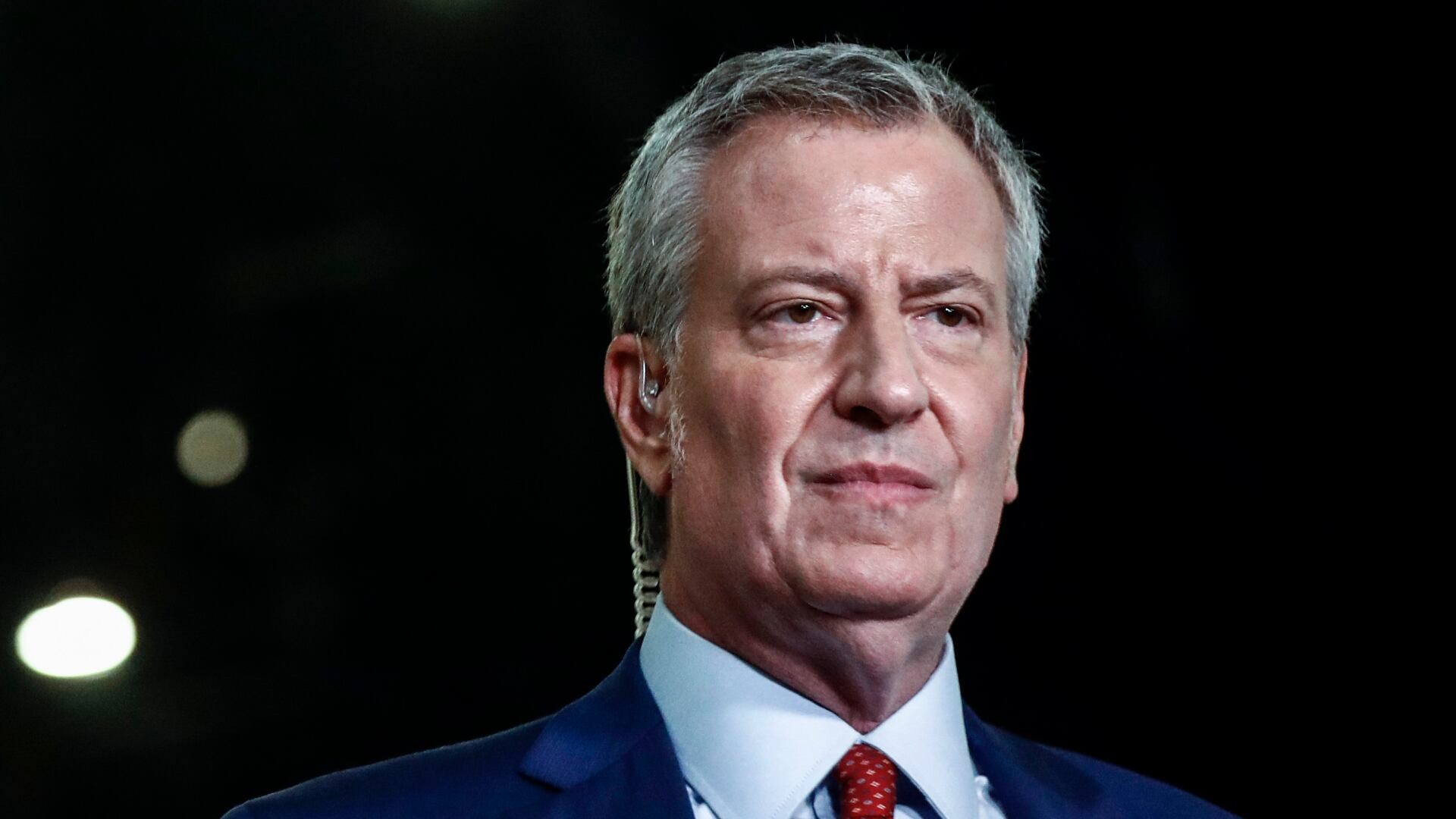
Chris Sommerfeldt, City Hall reporter for the New York Daily News, joins Cheddar News' Closing Bell, where he discusses both the wins and losses of Bill de Blasio's eight years as New York City Mayor.
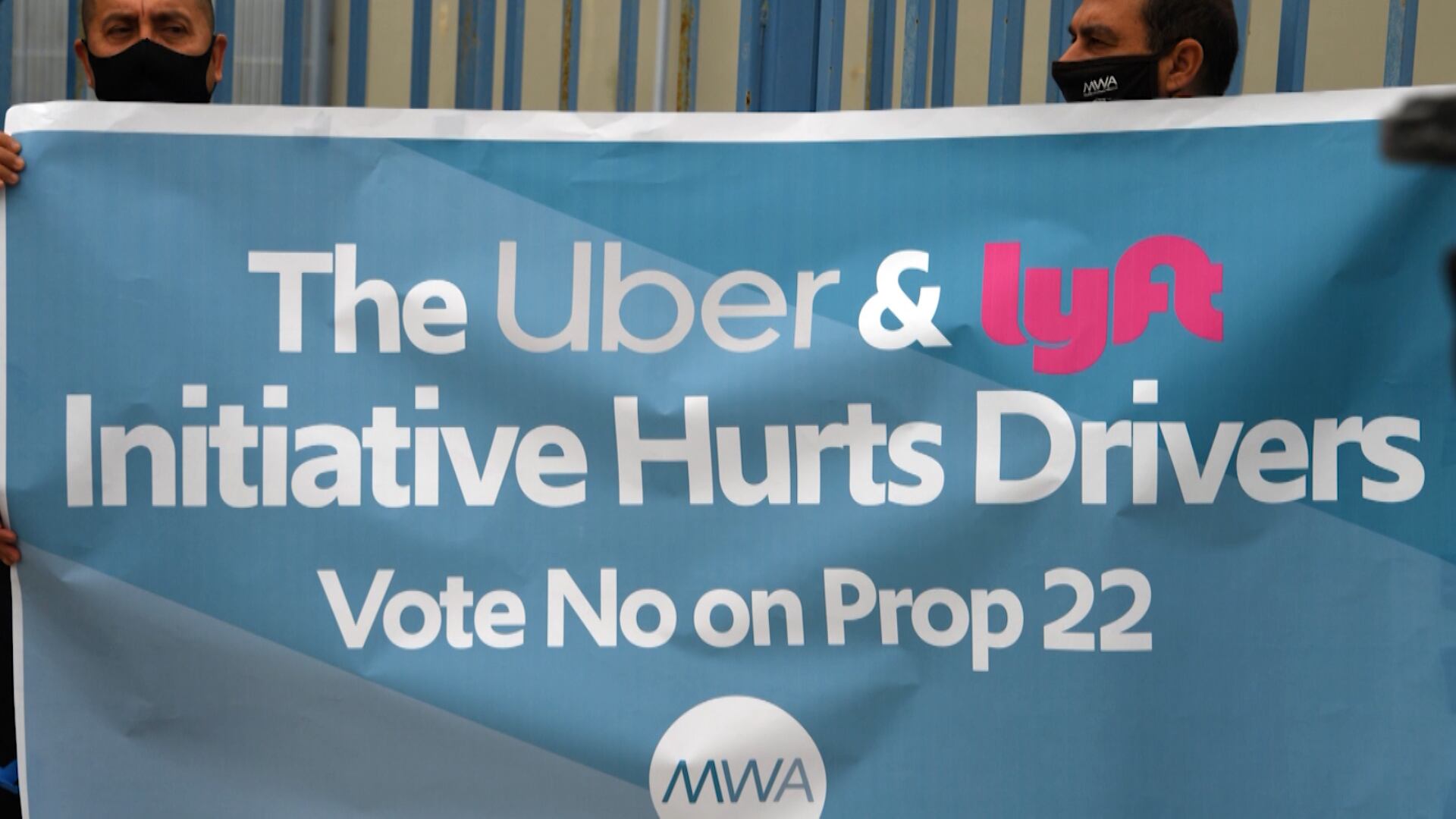
The push to regulate the gig worker economy is gaining steam as the share of workers who participate in freelancing through businesses like Uber and Lyft have also exponentially grown during the pandemic. Employment attorney Mark Kluger, founding partner at Kluger Healey, LLC, joined Cheddar to break down how the battle to reclassify gig workers will continue in the new year, and why the issue continues to generate conflict. "More and more workers are using gig work as their primary source of income and as a result of that they are not like employees in the sense that they don't have benefits like health insurance," Kluger noted.
2021 saw markets continue to be impacted by the onslaught of the coronavirus pandemic -most recently in the form of the Omicron variant- in addition to the global supply chain shortage, and increased inflation. But it wasn't all bad news, as crypto soared throughout the year, and meme stocks continued to have a moment. With the year coming to a close, investors are keeping an eye out to see if they should expect more of the same in the new year. Chris Vecchio, Senior Analyst, at DailyFX tells us what market trends to be on the watch for in 2022.