By Jonathan Lemire, Zeke Miller, Jill Colvin and Will Weissert
Democrat Joe Biden was on the cusp of winning the presidency on Friday as he opened up narrow leads over President Donald Trump in the critical battlegrounds of Georgia and Pennsylvania.
Those put Biden in a stronger position to capture the 270 Electoral College votes needed to take the White House. The winner will lead a country facing a historic set of challenges, including a surging pandemic and deep political polarization.
The focus on Pennsylvania, where Biden led Trump by more than 9,000 votes, and Georgia, where Biden led by more than 1,500, came as Americans entered a third full day after the election without knowing who will lead them for the next four years. The prolonged process added to the anxiety of a nation whose racial and cultural divides were inflamed during the heated campaign.
Biden was at his home in Wilmington, Delaware, as the vote count continued and aides said he would address the nation in primetime. Trump largely remained in the White House residence as more results trickled in, expanding Biden’s lead in must-win Pennsylvania. In the West Wing, televisions remained tuned to the news amid trappings of normalcy, as reporters lined up for coronavirus tests and outdoor crews worked on the North Lawn on a mild, muggy fall day.
Trump's campaign, meanwhile, was quiet -- a dramatic difference from the day before, when it held a morning conference call projecting confidence and held a flurry of hastily arranged press conferences announcing litigation in key states.
With his pathway to reelection appearing to greatly narrow, Trump was testing how far he could go in using the trappings of presidential power to undermine confidence in the vote.
On Thursday, he advanced unsupported accusations of voter fraud to falsely argue that his rival was trying to seize power in an extraordinary effort by a sitting American president to sow doubt about the democratic process.
“This is a case when they are trying to steal an election, they are trying to rig an election,” Trump said from the podium of the White House briefing room.
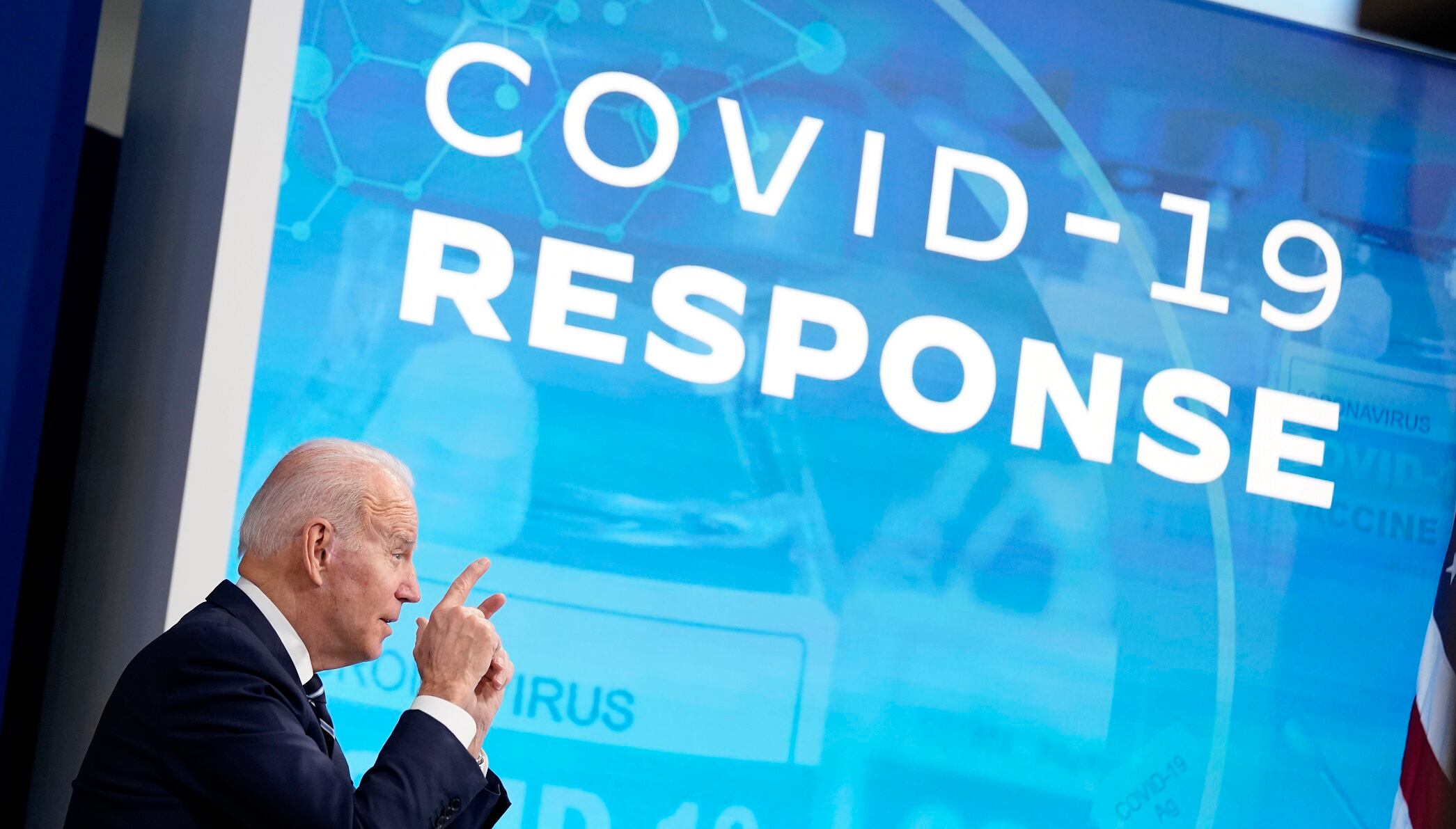
The president pledged on Friday, in a statement, to pursue challenges "through every aspect of the law" but also suggested that his fight was “no longer about any single election.” Biden spent Thursday trying to ease tensions and project a more traditional image of presidential leadership. After participating in a coronavirus briefing, he declared that “each ballot must be counted.”
“I ask everyone to stay calm. The process is working,” Biden said. “It is the will of the voters. No one, not anyone else who chooses the president of the United States of America.”
Trump showed no sign of giving up and was was back on Twitter around 2:30 a.m. Friday, insisting the “U.S. Supreme Court should decide!”
Trump’s erroneous claims about the integrity of the election challenged Republicans now faced with the choice of whether to break with a president who, though his grip on his office grew tenuous, commanded sky-high approval ratings from rank-and-file members of the GOP. That was especially true for those who are eyeing presidential runs of their own in 2024.
Maryland GOP Gov. Larry Hogan, a potential presidential hopeful who has often criticized Trump, said unequivocally: “There is no defense for the President’s comments tonight undermining our Democratic process. America is counting the votes, and we must respect the results as we always have before.”
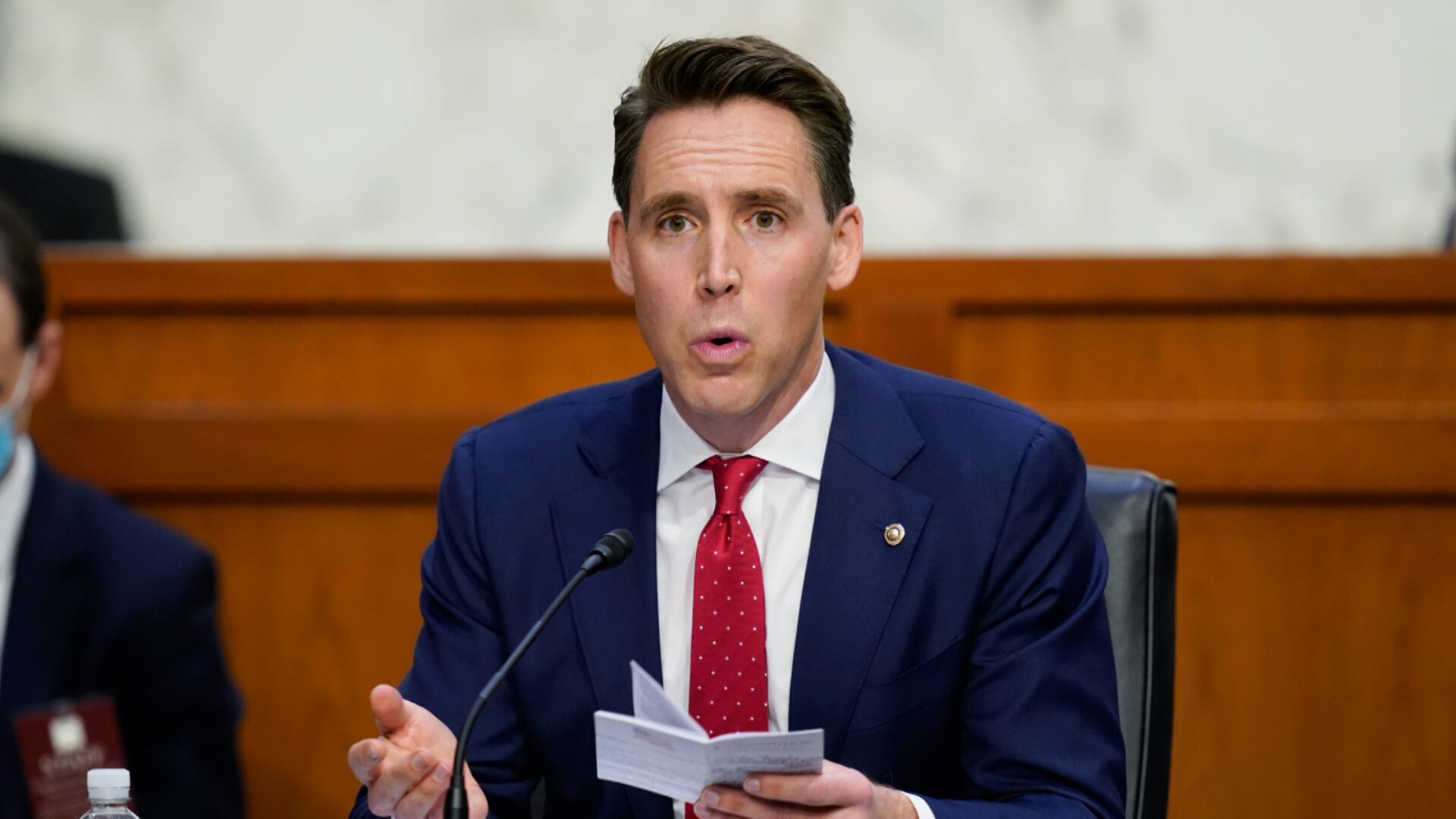
But others who are rumored to be considering a White House run of their own in four years aligned themselves with the incumbent, including Sen. Josh Hawley, R-Mo., who tweeted support for Trump’s claims, writing that “If last 24 hours have made anything clear, it’s that we need new election integrity laws NOW.”
Trump’s campaign engaged in a flurry of legal activity, saying it would seek a recount in Wisconsin and had filed lawsuits in Pennsylvania, Michigan and Georgia.
But judges in the three states quickly swatted down legal action. A federal judge who was asked to stop vote counts in Philadelphia instead forced the two sides to reach an agreement without an order over the number of observers allowed.
“Really, can’t we be responsible adults here and reach an agreement?” an exasperated U.S. District Judge Paul S. Diamond said during an emergency hearing Thursday evening. “The whole thing could (soon) be moot.”
In Pennsylvania, officials had not been allowed to process mail-in ballots until Election Day under state law, and those votes went heavily in Biden’s favor.
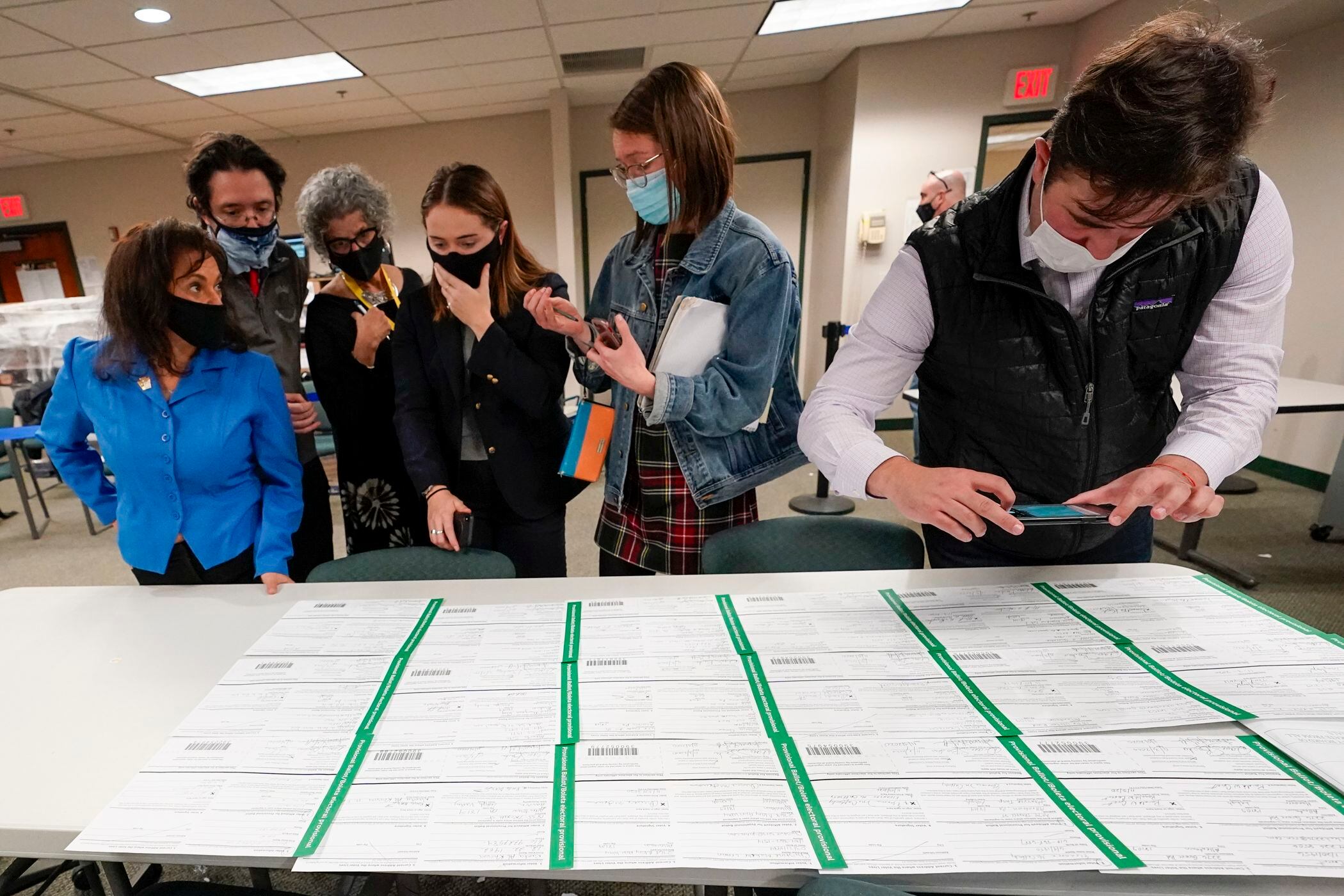
Mail ballots from across the state were overwhelmingly breaking in Biden’s direction. A final vote total may not be clear for days because the use of mail-in ballots, which take more time to process, has surged as a result of the coronavirus pandemic.
The Trump campaign said it was confident the president would ultimately pull out a victory in Arizona, where votes were also still being counted, including in Maricopa County, the state’s most populous area. The AP has declared Biden the winner in Arizona and said Thursday that it was monitoring the vote count as it proceeded.
“The Associated Press continues to watch and analyze vote count results from Arizona as they come in,” said Sally Buzbee, AP’s executive editor. “We will follow the facts in all cases.”
Trump's campaign was lodging legal challenges in several states, though he faced long odds. He would have to win multiple suits in multiple states in order to stop vote counts, since more than one state was undeclared.
Some of the Trump team's lawsuits only demand better access for campaign observers to locations where ballots are being processed and counted. A judge in Georgia dismissed the campaign’s suit there less than 12 hours after it was filed. And a Michigan judge dismissed a Trump lawsuit over whether enough GOP challengers had access to handling of absentee ballots
Biden attorney Bob Bauer said the suits were legally “meritless.” Their only purpose, he said “is to create an opportunity for them to message falsely about what’s taking place in the electoral process.”
Weissert reported from Wilmington, Delaware. Associated Press writers Colleen Long and Alexandra Jaffe in Washington contributed to this report.
Updated on November 6, 2020, at 4:57 p.m. ET with the latest information.