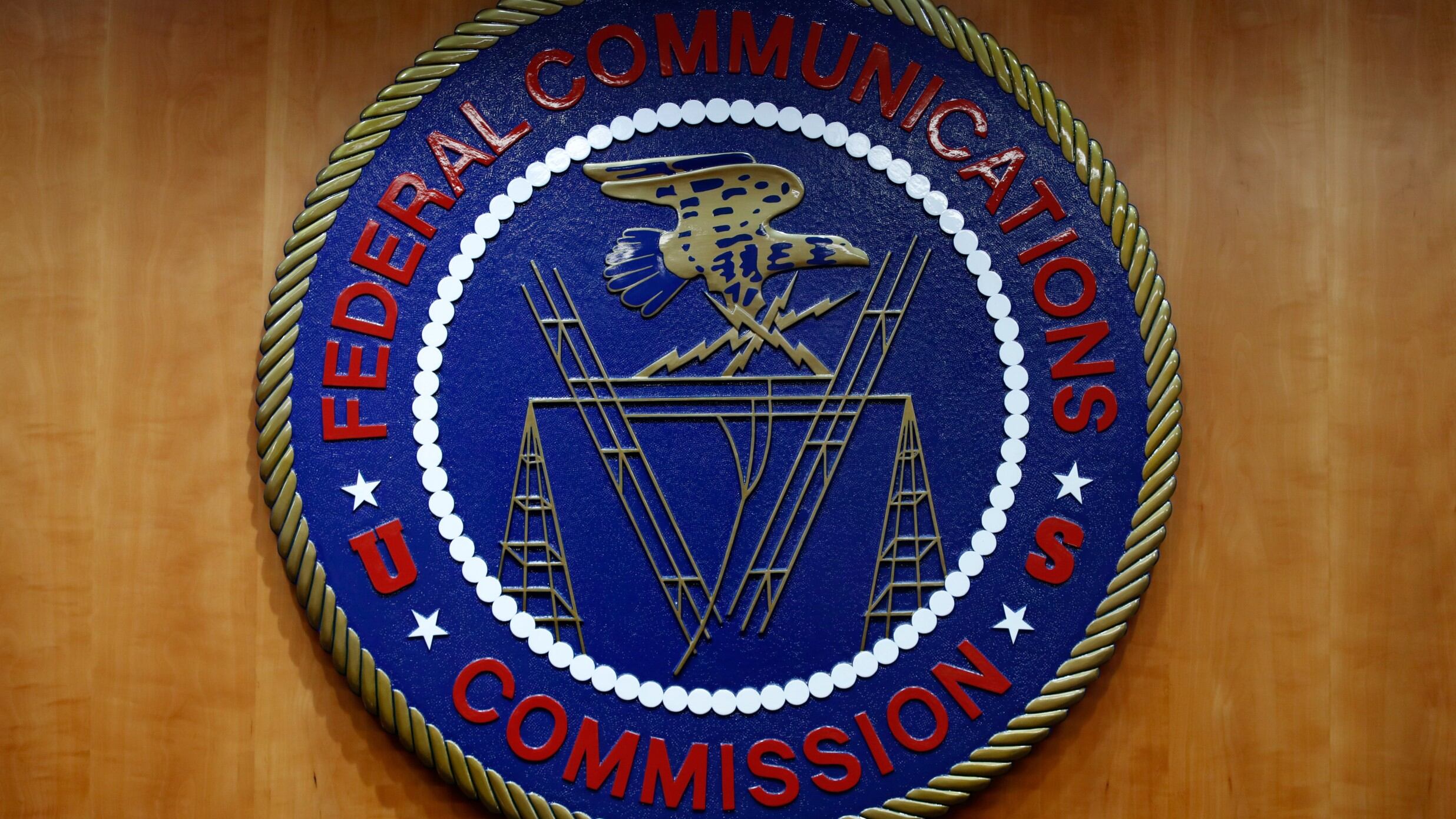
The seal of the Federal Communications Commission (FCC) is seen before an FCC meeting to vote on net neutrality in Washington, Dec. 14, 2017. The Biden administration and major consumer tech players are launching an effort to put a nationwide cybersecurity certification and labeling program in place to help consumers choose smart devices that are less vulnerable to hacking. Officials liken the new "U.S. Cyber Trust Mark" initiative to the Energy Star program that rates appliances' energy efficiency. It will be overseen by the Federal Communications Commission. (AP Photo/Jacquelyn Martin, File)
The Biden administration and major consumer technology players on Tuesday launched an effort to put a nationwide cybersecurity certification and labeling program in place to help consumers choose smart devices that are less vulnerable to hacking.
Officials likened the new U.S. Cyber Trust Mark initiative — to be overseen by the Federal Communications Commission, with industry participation voluntary — to the Energy Star program, which rates appliances’ energy efficiency.
“It will allow Americans to confidently identify which internet- and Bluetooth-connected devices are cybersecure,” deputy national security adviser Anne Neuberger told reporters in a pre-announcement briefing.
Amazon, Best Buy, Google, LG Electronics USA, Logitech and Samsung as among industry participants.
Devices including baby monitors, home security cameras, fitness trackers, TVs, refrigerators and smart climate control systems that meet the U.S. government’s cybersecurity requirements will bear the “Cyber Trust” label, a shield logo, as early as next year, officials said.
FCC Chairwoman Jessica Rosenworcel said the mark will give consumers “peace of mind” and benefit manufacturers, whose products would need to adhere to criteria set by the National Institute of Standards and Technology to qualify.
The FCC was launching a rule-making process to set the standards and seek public comment. Besides carrying logos, participating devices would have QR codes that could be scanned for updated security information.
In a statement, the Consumer Technology Association said consumers could expect to see certification-ready products at the industry’s annual January show, CES 2024, once the FCC adopts final rules. A senior Biden administration official said it was expected that products that qualify for the logo would undergo an annual re-certification.
The Cyber Trust initiative was first announced in October following a meeting between White House and tech industry representatives.
The proliferation of so-called smart devices has coincided with growing cybercrime in which one insecure device can often give a cyberintruder a dangerous foothold on a home network.
An April report from the cybersecurity firm Bitdefender and networking equipment company NetGear, based on their monitoring of smart homes, found that the most vulnerable devices in 2022 were, far and away, smart TVs, followed by smart plugs, routers and digital video recorders.
Providers of numerous smart home devices often don’t update and patch software fast enough to thwart newly emerging malware threats. The Cyber Mark standards are expected to make clear which devices patch vulnerable software in a timely fashion and secure their communications to preserve privacy, officials said. Also important will be informing consumers which devices are equipped to detect intrusions.
Nutritional supplement beverage company Athletic Greens has achieved unicorn status. The company announced a new $115 million funding round, bringing its valuation to $1.2 billion. The company's flagship product AG1 combines 75 different vitamins, minerals, and other nutrients into one daily serving. Athletic Greens says it is poised to reach the millions of consumers who are currently driving the health and wellness market's exponential growth. Athletic Greens founder and CEO Chris Ashenden joins Cheddar News' Closing Bell to discuss.
Is Spotify a platform for content creators, or is it a media company? The streaming giant may have to find an answer sooner rather than later amid a controversy involving its most popular podcast host, Joe Rogan. Rogan has hosted guests who have made false claims about COVID-19 vaccines, and in turn, some musicians like Neil Young and Joni Mitchell have removed their discographies from Spotify in protest. Rogan says he welcomes content advisories, and will balance out his guests going forward, but is it enough? And is Spotify liable in any way? John Freeman, Vice President of CFRA Research, joins Closing Bell to discuss Rogan's response to the controversy, whether Spotify should be considered a media company with responsibility for its content, and more.
The gaming industry has seen multiple large scales deals this month alone, including Microsoft's megadeal for Activision Blizzard. And, seemingly in response, rival Sony, picked up Bungie for $3.6 billion, a studio once owned by both Microsoft and Activision. The sector is reportedly on track to spend $150 billion on mergers and acquisitions just this year alone, a record-breaking total, according to investment firm Drake Star Partners. Michael Metzger, a partner at the firm specializing in technology, media, and communications, joined Cheddar to discuss the flurry of deals in the gaming space and what might be behind the hot M&A activity.
Ari Redbord, head of legal and government affairs and TRM Labs, joins Cheddar News to discuss why Facebook is ditching its crypto project and what that means for the space.
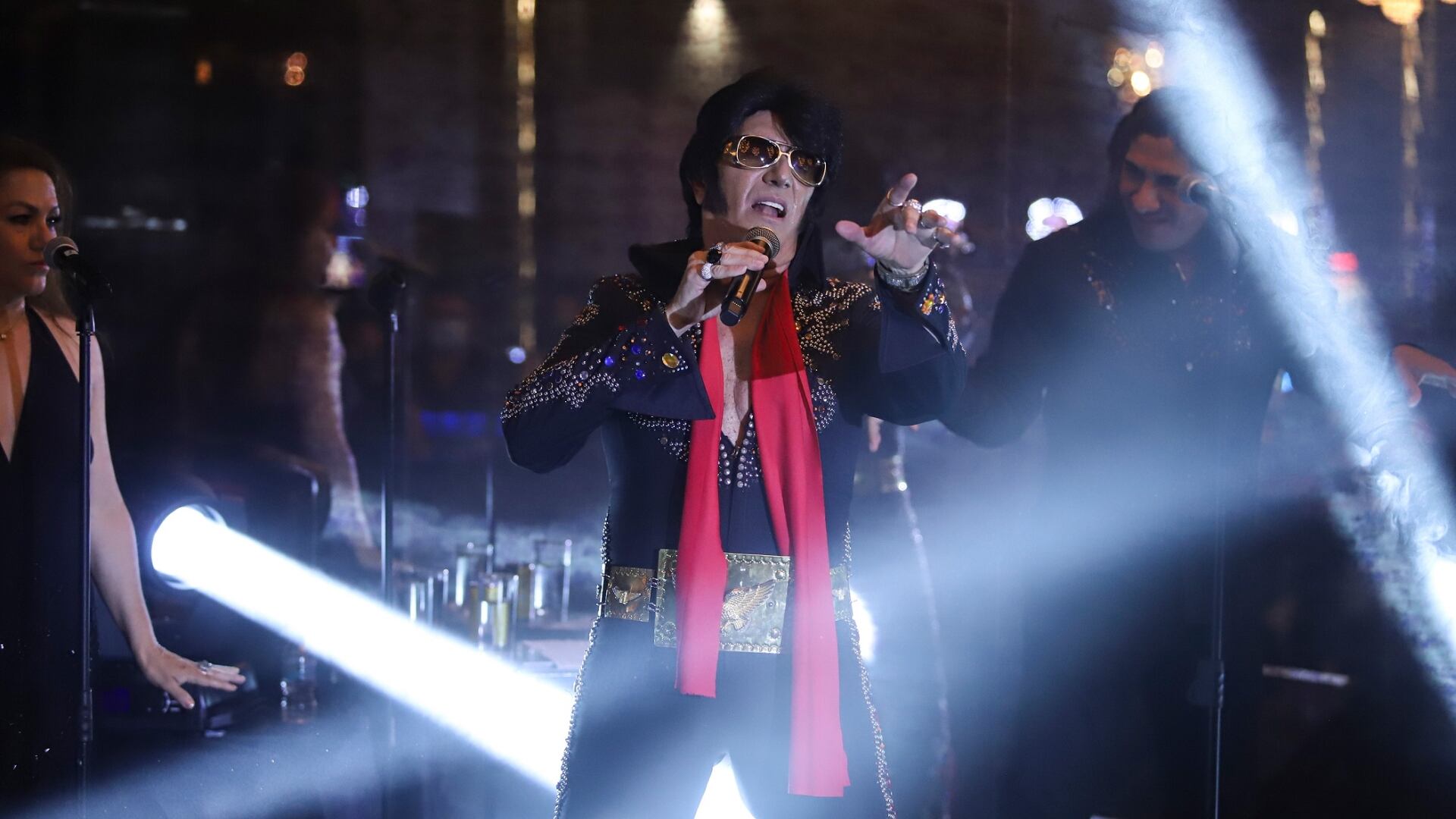
A virtual gathering in the online space, Decentraland, of Elvis Presley impersonators is looking to grab the Guinness World Record for most Elvis impersonators in one place after the record-keeping org recently approved the use of avatars as stand-ins for people.
Tesla reported record profits for an electric fourth quarter, but investors still have plenty of questions. The EV giant will not be releasing any new vehicles this year and provided no updates on its Cybertruck. Cheddar News was joined by Ed Butowsky, Chapwood Investments Managing Partner to go over Tesla's quarter and analyze its concerns going forward.
Julius De Kempenaer, Senior Technical Analyst at Stockcharts.com, joined Cheddar News to break down what led to Apple's massive quarter, and what the future may hold for the tech giant as competition with Microsoft ramps up.