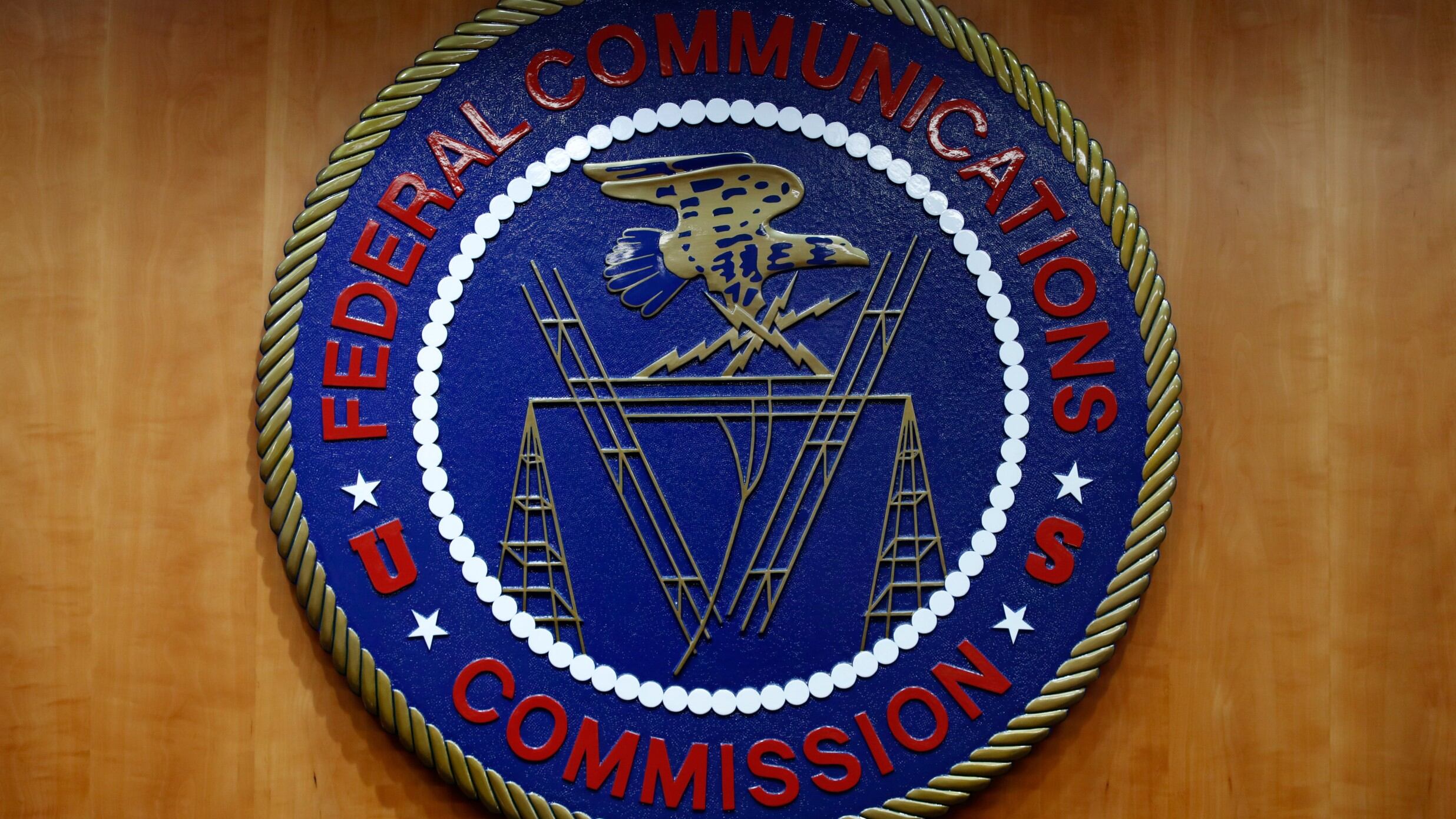
The Biden administration and major consumer technology players on Tuesday launched an effort to put a nationwide cybersecurity certification and labeling program in place to help consumers choose smart devices that are less vulnerable to hacking.

Officials likened the new U.S. Cyber Trust Mark initiative — to be overseen by the Federal Communications Commission, with industry participation voluntary — to the Energy Star program, which rates appliances’ energy efficiency.

“It will allow Americans to confidently identify which internet- and Bluetooth-connected devices are cybersecure,” deputy national security adviser Anne Neuberger told reporters in a pre-announcement briefing.

Amazon, Best Buy, Google, LG Electronics USA, Logitech and Samsung as among industry participants.

Devices including baby monitors, home security cameras, fitness trackers, TVs, refrigerators and smart climate control systems that meet the U.S. government’s cybersecurity requirements will bear the “Cyber Trust” label, a shield logo, as early as next year, officials said.

FCC Chairwoman Jessica Rosenworcel said the mark will give consumers “peace of mind” and benefit manufacturers, whose products would need to adhere to criteria set by the National Institute of Standards and Technology to qualify.

The FCC was launching a rule-making process to set the standards and seek public comment. Besides carrying logos, participating devices would have QR codes that could be scanned for updated security information.

In a statement, the Consumer Technology Association said consumers could expect to see certification-ready products at the industry’s annual January show, CES 2024, once the FCC adopts final rules. A senior Biden administration official said it was expected that products that qualify for the logo would undergo an annual re-certification.

The Cyber Trust initiative was first announced in October following a meeting between White House and tech industry representatives.

The proliferation of so-called smart devices has coincided with growing cybercrime in which one insecure device can often give a cyberintruder a dangerous foothold on a home network.

An April report from the cybersecurity firm Bitdefender and networking equipment company NetGear, based on their monitoring of smart homes, found that the most vulnerable devices in 2022 were, far and away, smart TVs, followed by smart plugs, routers and digital video recorders.

Providers of numerous smart home devices often don’t update and patch software fast enough to thwart newly emerging malware threats. The Cyber Mark standards are expected to make clear which devices patch vulnerable software in a timely fashion and secure their communications to preserve privacy, officials said. Also important will be informing consumers which devices are equipped to detect intrusions.

Share:
More In Technology
Big Tech Firms Like Amazon, Google Accused of Exaggerating Climate Actions
Big tech companies such as Amazon and Google are garnering criticism for failing at their proposed climate pledges, most of which rely on carbon offsets — a potential loophole where companies pay others to address their omissions. Gilles Dufrasne, policy officer at Carbon Market Watch, joined Cheddar News to explain the organization's negative evaluation. "The objective here is not to bash companies and say everybody is doing the wrong thing," he said. "The objective is to also provide lessons, and there are some companies that are doing the right thing."
John Warren
Assessing the environmental impact of mining cryptocurrency.
Markets Open Lower On Weak Meta Earnings
U.S. markets opened lower as disappointing Meta earnings dragged down the tech-heavy Nasdaq. Today, investors will be watching for Amazon's Q4 earnings report set for release after the market close. Greg Swenson, Founding Partner, Brigg Macadam joined Cheddar's Opening Bell to discuss.
Stocks Open Mostly Higher on Strong Tech Earnings
Markets opened mostly higher led by gains in the tech sector on strong Q4 earnings. It comes after a tumultuous January which saw stocks suffer one of their worst months since the early days of the pandemic. Jim Worden, Chief Investment Officer, Wealth Consulting Group joined Cheddar's Opening Bell to discuss early market activity.
Fitness Brand CLMBR Shaking Up The At-Home Fitness Industry
CLMBR is hoping to become the next big thing in connected fitness. The brand offers a high intensity, low impact workout with on-demand, instructor-led classes. Avrum Elmakis, CLMBR's CEO and founder, joined Cheddar to discuss where the company is heading next.
Amazon, Nike Considering Potential Bids For Peloton
Peloton is reportedly drawing interest from multiple suitors. According to the Wall Street Journal, Amazon is considering acquiring the exercise bike company as it looks to expand into the health and wellness technology industry. Hatem Dhiab, managing partner at Gerber Kawasaki, joined Cheddar to discuss Peloton's future and which company might be its best bet as a buyer.
Amazon Shares Jump on Solid Cloud Revenue, Profit From Rivian Stake
Amazon shares jumped north of 13 percent in after-hours trading as the E-commerce giant posted a beat on earnings in its fourth quarter. Amazon saw particular success in its cloud computing business, as well as its stake in EV startup, Rivian after its massive IPO. Deren Baker, CEO, Edge by Ascential joined Cheddar's Opening Bell to discuss.
Google Parent Alphabet Posts Strong Q4 Results, Revenue Growth of 32%
Google parent company Alphabet reporting a beat on its Q4 earnings report, with revenue up 32%. The company's strong quarter was thanks to success in its cloud and advertising businesses, which both saw solid year-over-year growth. Angelo Zino, Senior Industry Analyst, CFRA Research joined Cheddar's Opening Bell to discuss the tech giant's blowout results.
Load More