California might be doubling down on its pro-marijuana stance.
Berkeley Mayor Jesse Arreguín told Cheddar that the state could soon follow in his city’s cannabis law footsteps.
“California is actually looking at potentially becoming a sanctuary state for cannabis, just like we’re a sanctuary state for enforcement of federal immigration laws,” he told Cheddar on Tuesday.
Berkeley’s City Council announced last month that municipal agencies would no longer collaborate with the Drug Enforcement Administration to enforce federal policies on recreational, adult-use marijuana. It became the first “sanctuary” city for marijuana in the U.S.
The move was a direct jab at Attorney General Jeff Sessions, who earlier this year scrapped Obama-era rules that said the federal government would not interfere with states’ cannabis laws. Arreguín encourages states and cities looking to offer citizens an extra layer of protection to take the plunge and stand for states’ rights.
“Cannabis is still a drug under federal law, but many states … have actually decided that now is the time for decriminalization,” he said, “to remove the black market, to address the social impact that the war on drugs has had on communities of color, and to try to level the playing field.”
For the full interview, [click here](https://cheddar.com/videos/berkeley-mayor-california-could-become-marijuana-sanctuary-state).
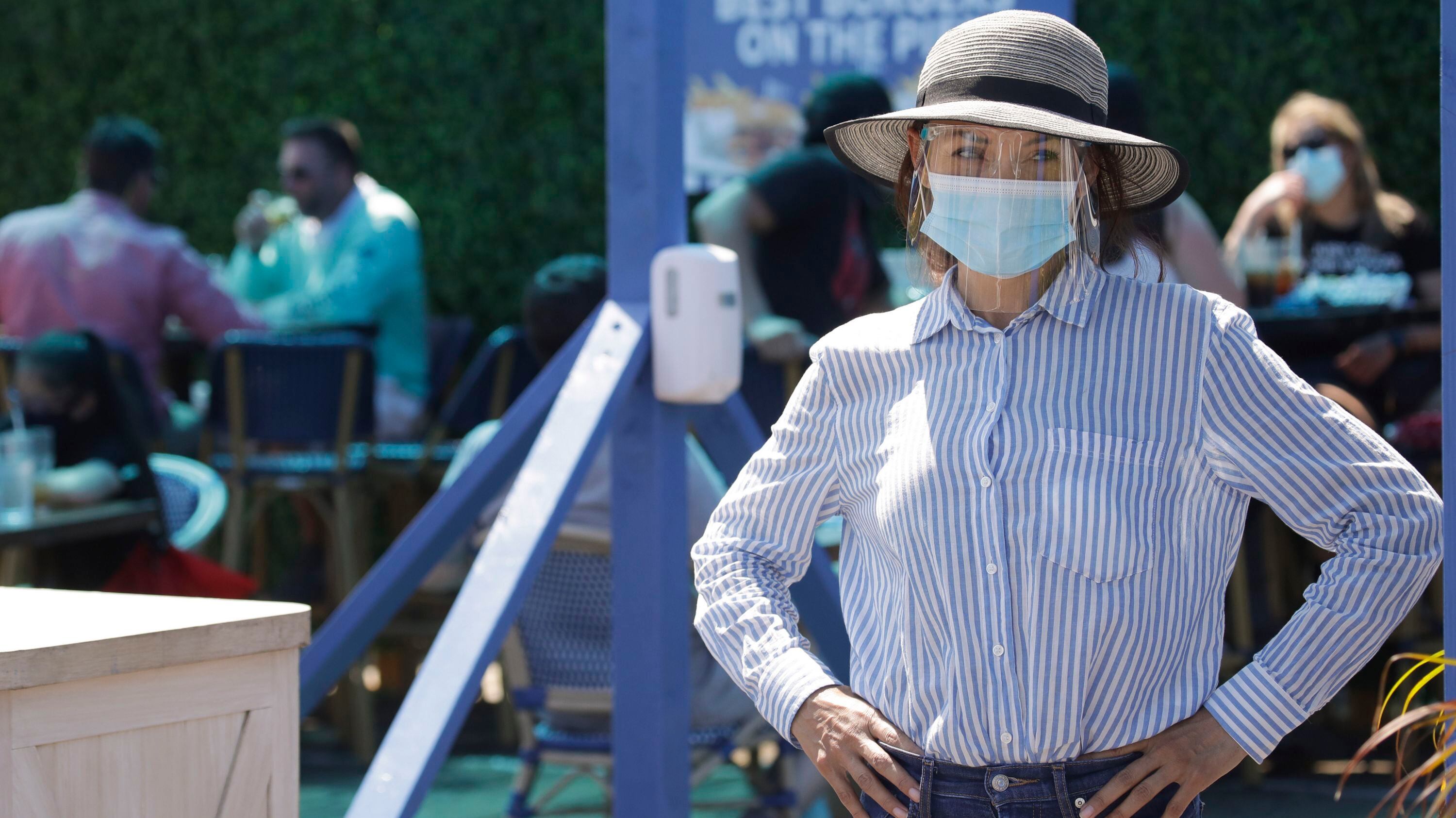
California Gov. Gavin Newsom has extended the closure of bars and indoor dining statewide and has ordered gyms, churches and hair salons closed in most places as coronavirus cases keep rising.
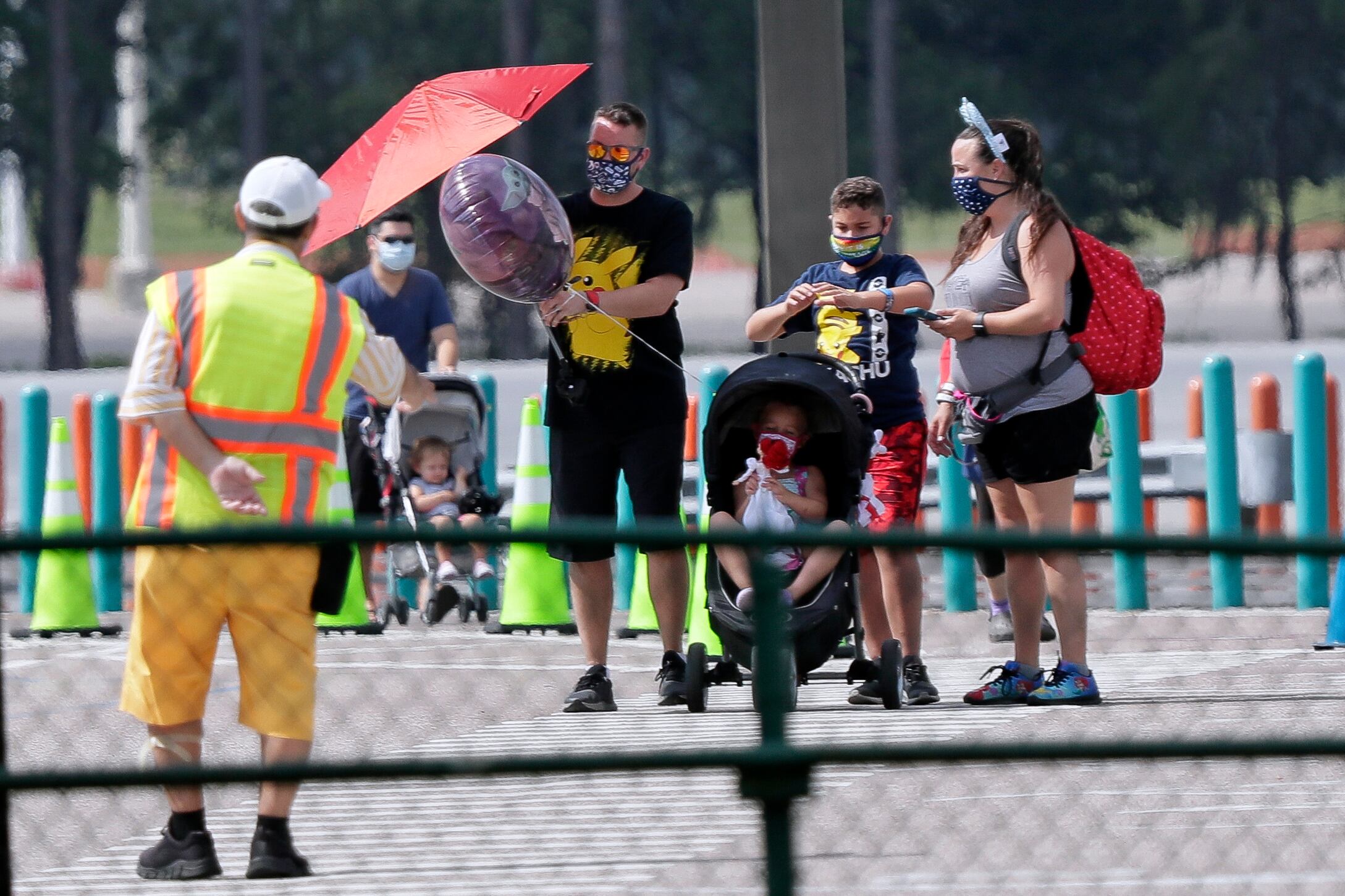
Disney World reopened to the public over the weekend, just as its home state of Florida recorded 15,000 new coronavirus cases -- smashing the daily record reported by any state since the pandemic began.
Carlo's joined by Josh Topolsky, editor-in-chief of Input Magazine, for a special Friday pod about the big decision from the Supreme Court on Trump's taxes, Biden's new populist economic message, the coming eviction wave and more.
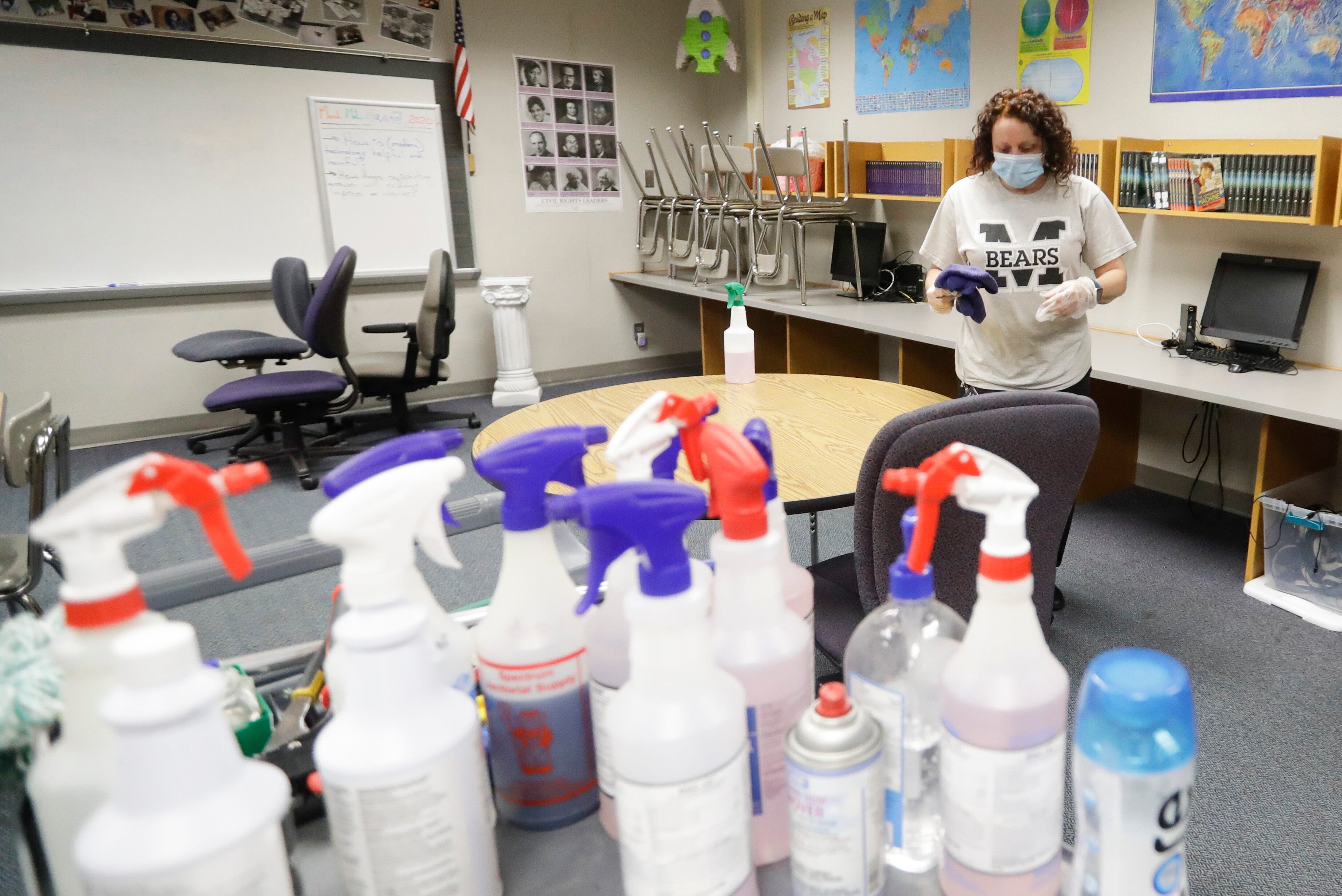
Jill and Carlo discuss the latest in the debate over how to reopen schools in the fall, as the Ivy League throws in the towel on fall sports and puts the entire college football season in limbo. Plus, the Supreme Court delivers a win to conservatives, an oppressive heat wave settles in, an iconic retailer goes bankrupt, and the iPhone 12 is coming.
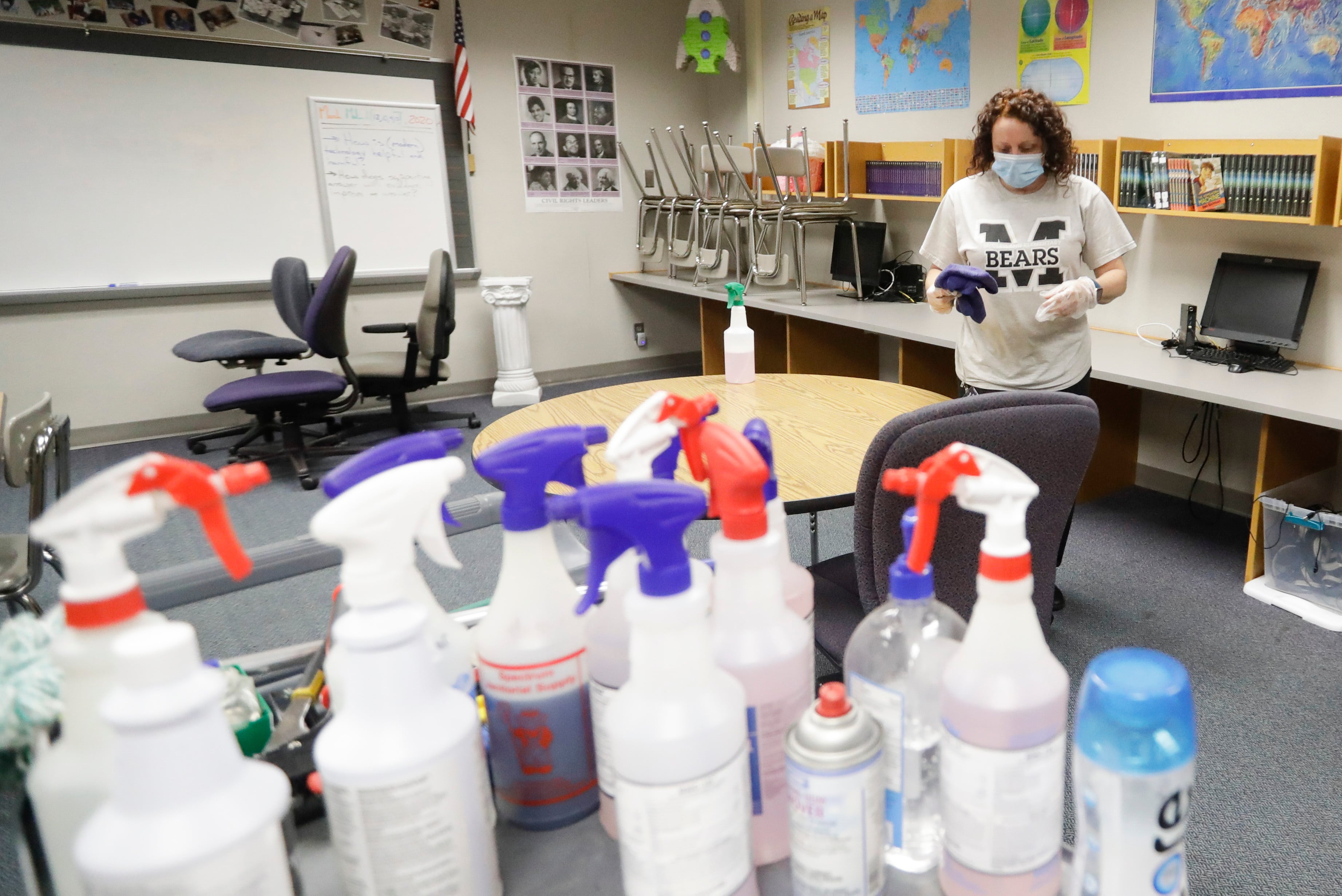
Dr. Nathaniel Beers, president of the HSC Health Care Systems, talks child safety as coronavirus spread concern grows. Beers also discusses the American Academy of Pediatrics' recommendation to open U.S. schools in the fall.
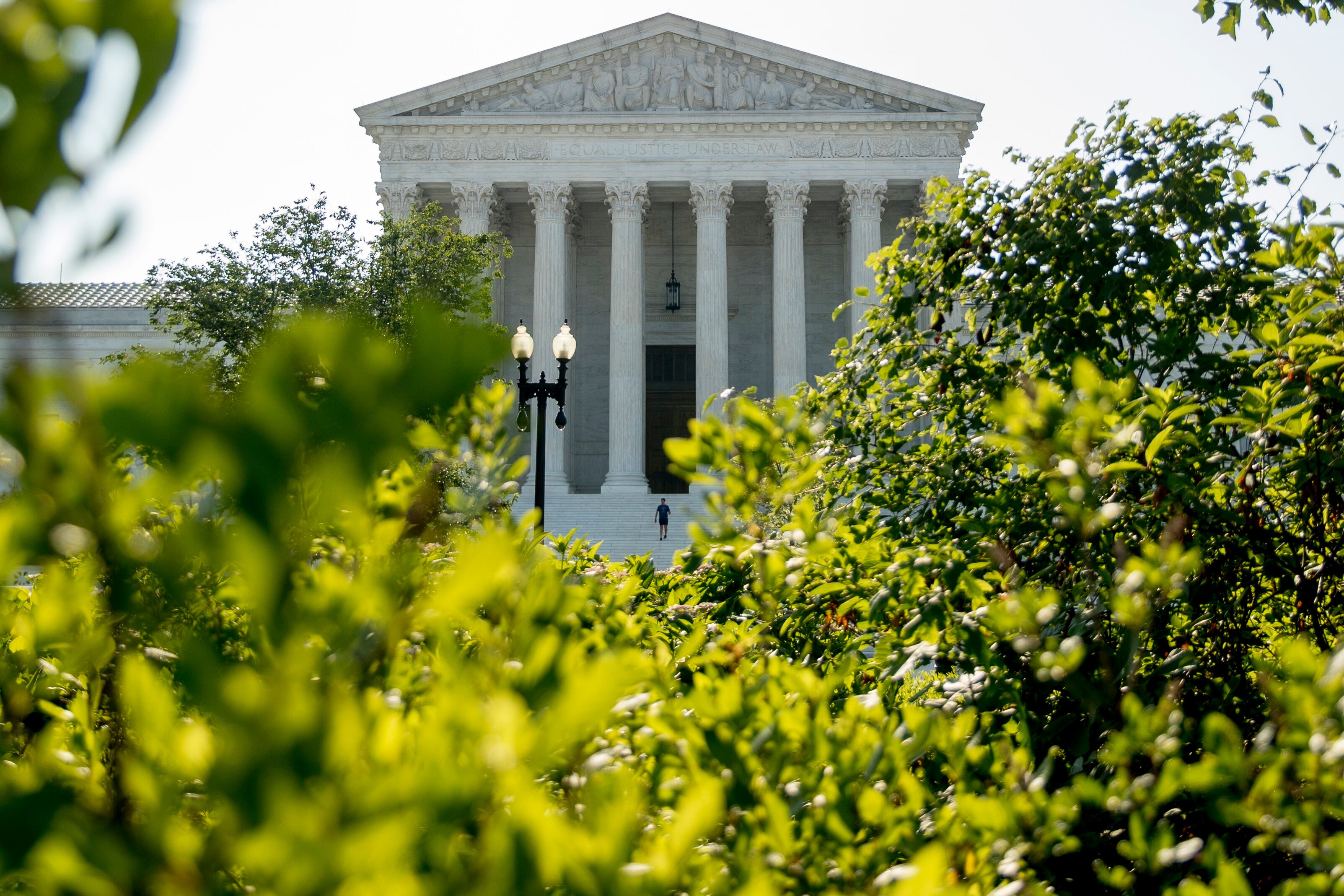
The Supreme Court is siding with the Trump administration in its effort to allow more employers to opt out of providing no-cost birth control to women as required by the Affordable Care Act.
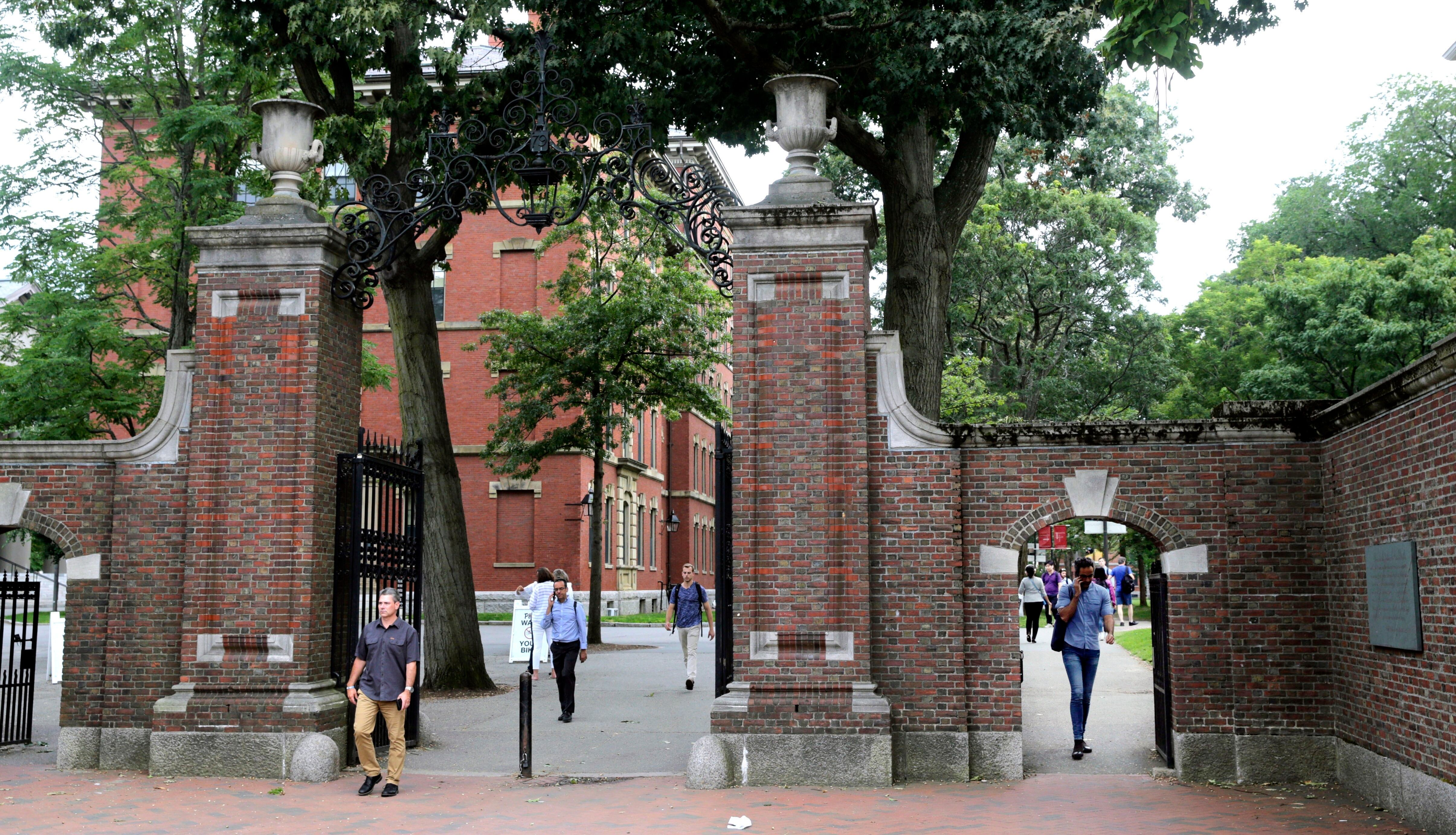
The schools filed a federal lawsuit Wednesday challenging the Trump administration’s decision to bar international students from staying in the U.S. if they take classes online this fall.
Dr. Fauci warns against complacency; the thorny back-to-school debate rages on; another expose on President Trump rocks D.C. & LinkedIn wants to make it so you never mispronounce your coworker's name again.
Immigration and Customs Enforcement, the agency that oversees student visas, just released new guidelines for international students, which say that if an international student is enrolled in a program that decides to go fully virtual, they must leave the county.
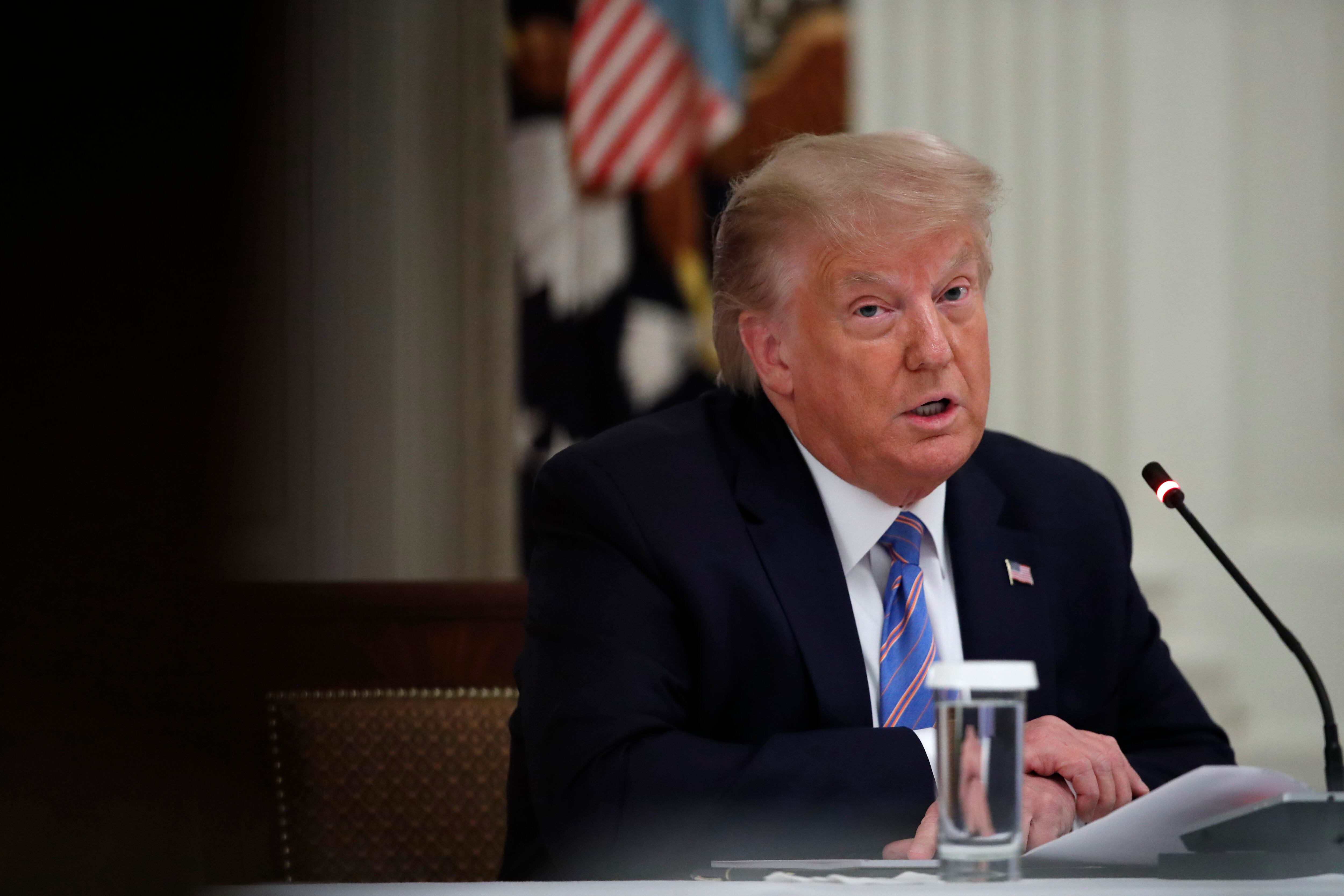
President Donald Trump on Tuesday launched an all-out effort to reopen schools this fall.