Bed Bath & Beyond has defaulted on a major credit line with JPMorgan and is now considering "all strategic alternatives," including bankruptcy, to right its financial ship.
In an SEC filing, the company said it is taking a number of steps to stabilize itself, such as cost cutting and lowering capital expenditures. The retailer is also actively reducing its footprint of stores and distribution centers and negotiating with landlords to bring down rental costs.
"These measures may not be successful," the company said.
The filing is just the latest evidence that Bed Bath & Beyond is about to go bust. The embattled retailer previously said bankruptcy was a possibility, but a default escalates its troubles.
Bed Bath & Beyond owes $550 million to JPMorgan and another $375 million to lender Sixth Street, which is a sizable chunk of its $1.2 billion debt load.
Outside of bankruptcy, other options that could keep the company running include an acquisition — though no buyers have publicly announced their interest.
The board has named Carol Flaton, a restructuring expert, as an independent director.
TikTok once again finds itself in a precarious position as lawmakers in Washington move forward with a bill that could lead to a nationwide ban on the platform.
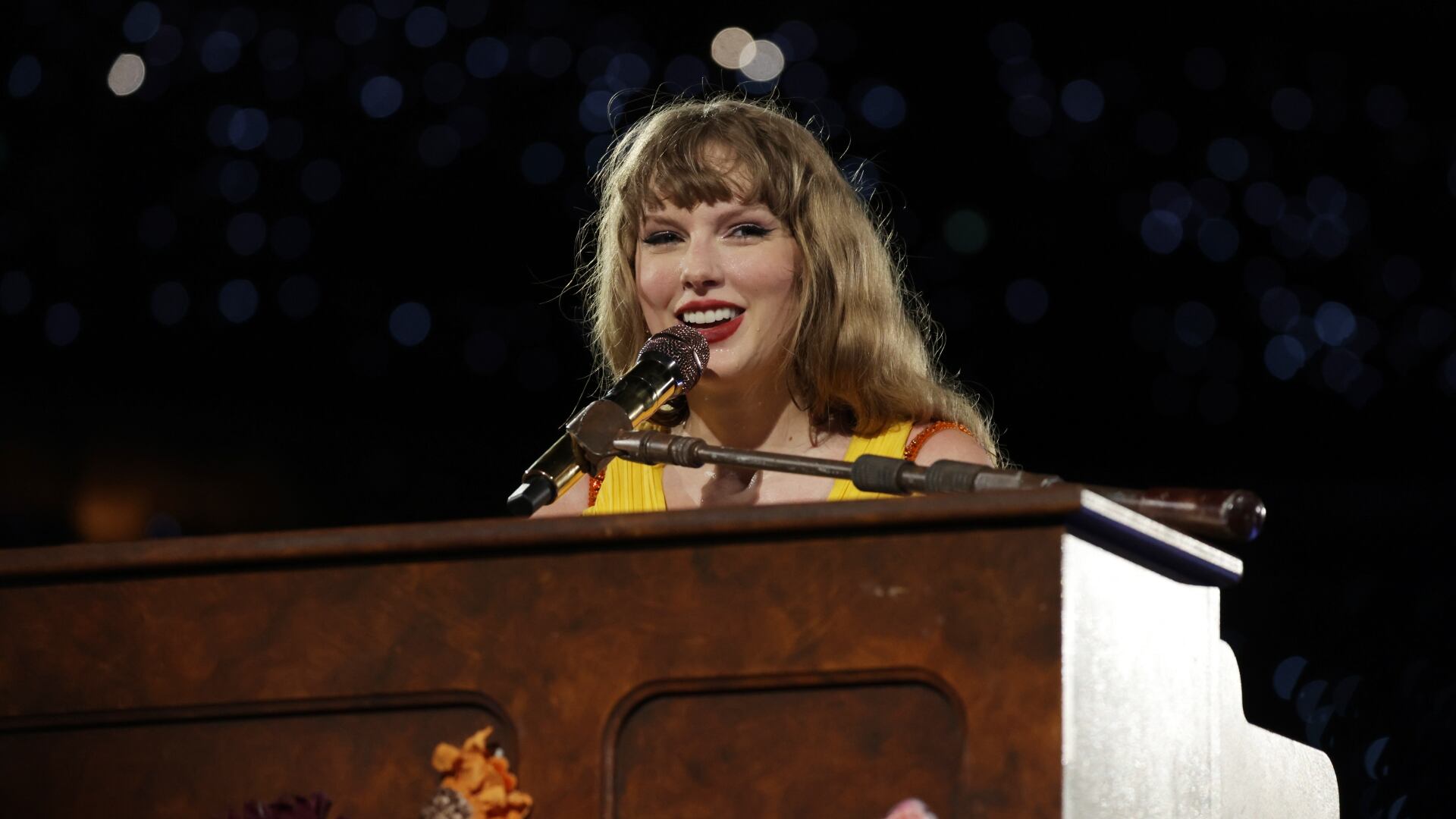
Bryan West, Gannett’s Taylor Swift reporter, recaps the many, many, theories and Easter eggs Swifties are debating as her ‘Eras Tour’ film comes to Disney+.
‘Our Biggest Fight’ author and Project Liberty founder Frank McCourt, Jr. explains his problem with the internet – and why this Tiktok bill is just a starting point.
Consumer prices in the United States picked up last month, a sign that inflation remains a persistent challenge for the Federal Reserve and for President Biden.
Jayesh Govindarajan, head of A.I. at Salesforce, explains the company's new Einstein copilot, plus other ways it is investing in artificial intelligence.
Altro founder and CEO Michael Broughton shares how his company is bringing both expanded credit access and financial wellness to underserved consumers, plus netting early investments from Tinashe, Quavo, and Jay Z’s Marcy Ventures.
Portillo’s CEO Michael Osanloo discusses the company’s decades of profitability, opening restaurants in new markets, and why it doesn’t need trends like dynamic pricing.