Be Well: Keeping an Eye on Your Own Finances Amid Bank Collapses
With Americans watching multiple banks collapse this year, there are growing concerns about their own accounts and whether or not they can trust financial institutions. Marty Cantor, CPA and economic development consultant, joined Cheddar News to break down why some banks are struggling and what certain income earners should considering doing with their own finances. "If you have less than $250,000 in your own name in any bank, or $500,000, if you have joint tendency, you're going to be ok because the FDIC will protect it. The credit unions have a national association of credit unions that provide the same coverage. But if you're over $250,000, an individual depositor, you ought to take a hard look and maybe move some money to another bank," he said.
Lawmakers in several states are embracing legislation to let children work in more hazardous occupations, longer hours on school nights and in expanded roles including serving alcohol in bars and restaurants as young as 14.
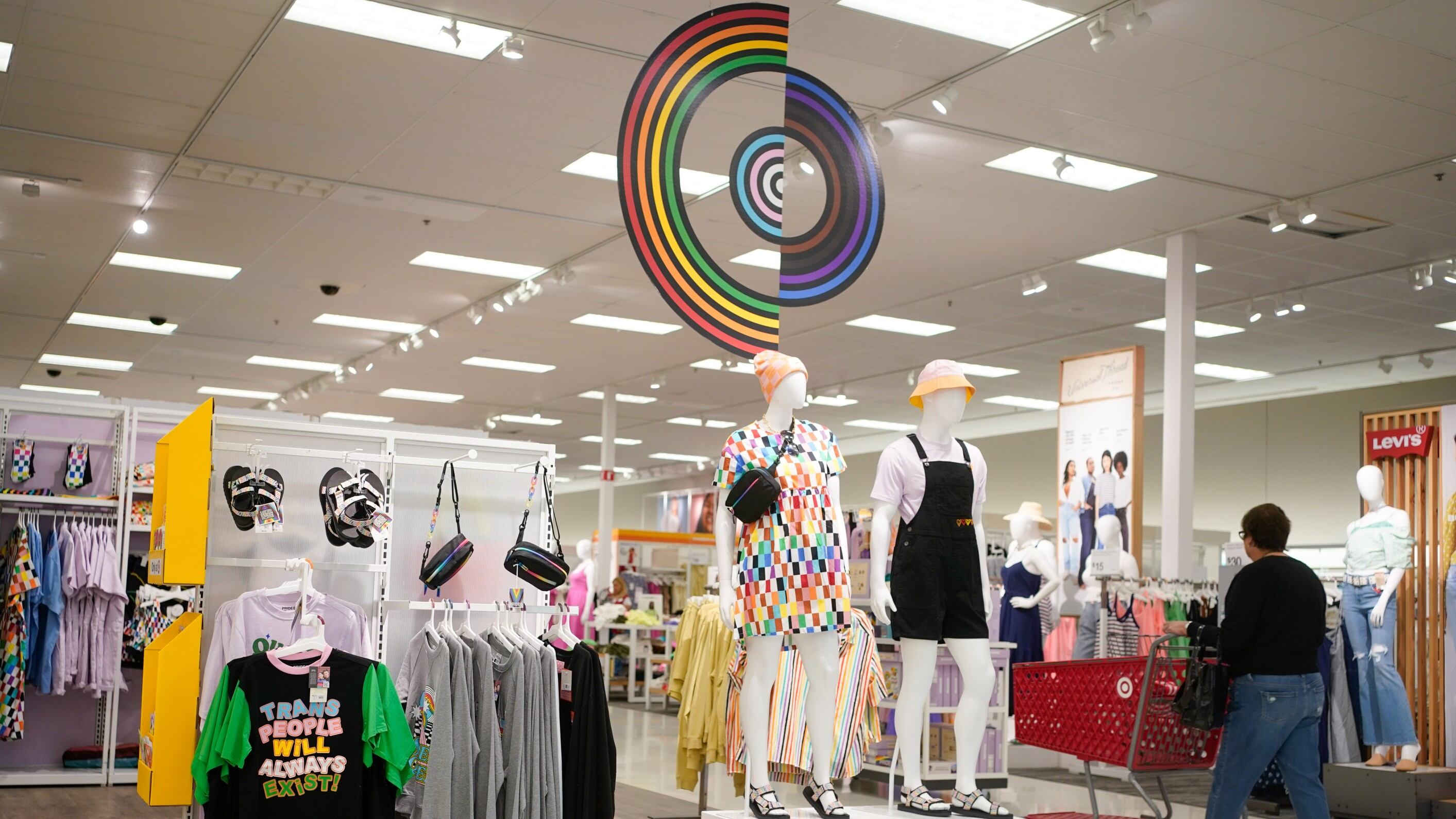
Target once distinguished itself as being boldly supportive of the LGBTQ+ community. Now that status is tarnished after it removed some LGBTQ+-themed products and relocated Pride Month displays to the back of stores in certain Southern locations in response to online complaints and in-store confrontations that it says threatened employees’ well-being.
With one of three major rating agencies warning that America’s AAA credit is at risk, the stakes are growing in the standoff in Washington over raising the nation's debt limit.
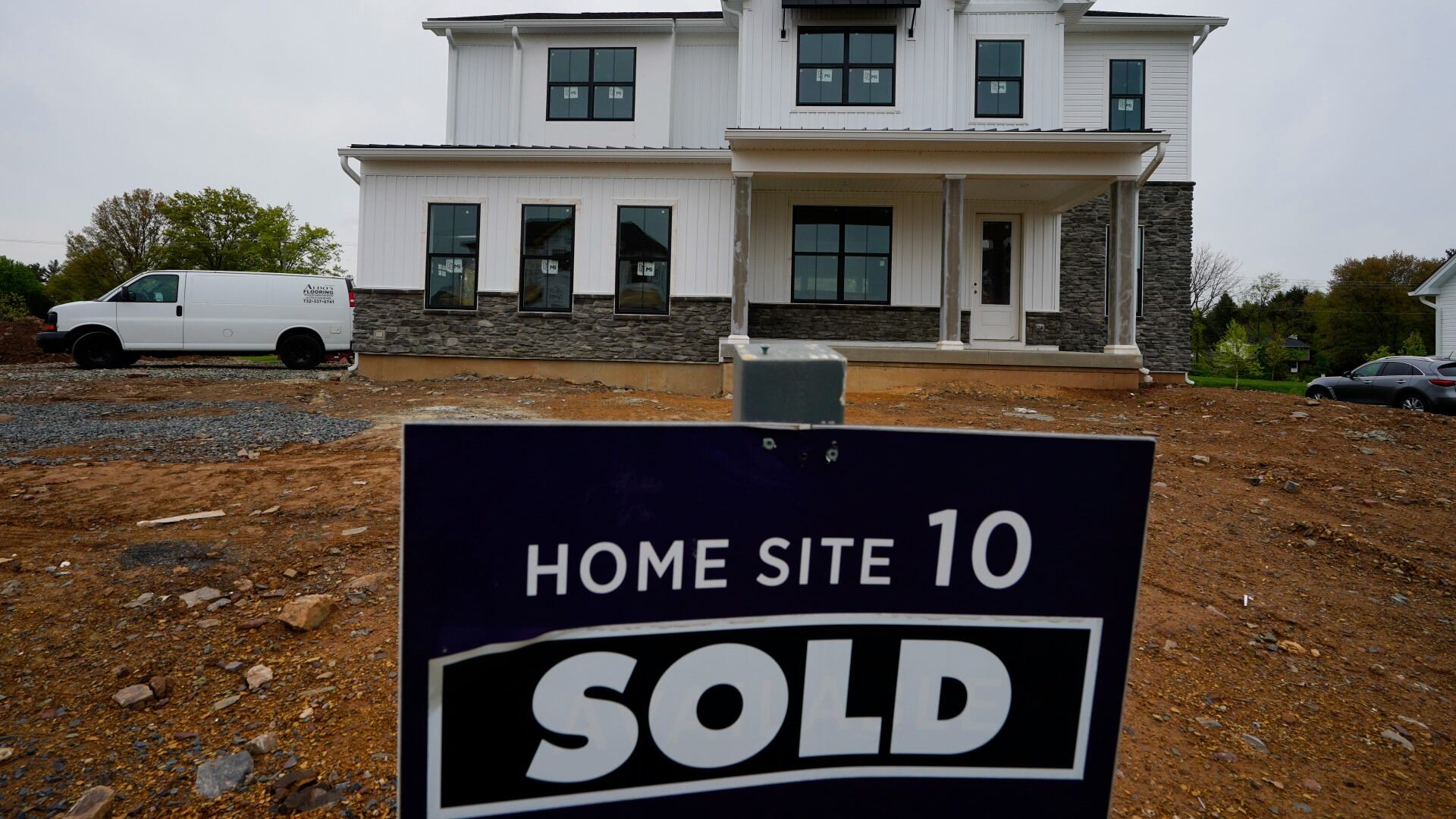
The average long-term U.S. mortgage rate rose this week to its highest level since mid March, driving up borrowing costs for prospective homebuyers facing a housing market that’s constrained by a dearth of homes for sale.
On this edition of Stretching Your Dollar, Corey William Schneider talks about how he made exploring the city a full-time job by founding the New York Adventure Club.
Facebook owner Meta on Wednesday cut positions across its business and operations teams in the final round of layoffs that were first announced in March.
The U.S. economy grew at a lackluster 1.3% annual rate from January through March as businesses wary of an economic slowdown trimmed their inventories, the government said Thursday, a slight upgrade from its initial estimate.