While the coronavirus pandemic forced many media companies to slow down production and forced athletics to grind to a halt, Barstool Sports adapted and CEO Erika Nardini says the company was able to capitalize on a slew of non-sports-related content.
Now Barstool Sports' priority is to show buyers at the company's first appearance at the NewFronts marketing conference that it can still be profitable even without the return of North American pro leagues.
"We wanted to show, not only the showcasing of what we're creating -- so, all of the brands we're developing and running -- but also how we're performing for advertisers," she said.
Barstool's success during the shutdowns, Nardini explained, is not only attributable to the team's ability to "create content that's authentic" but also its commitment to creating content that fans want to engage with.
"We're building some of, if not, the very biggest brands on the internet," she said. "I think that during quarantine, most media companies stopped making content. They either had production challenges, they weren't able to gather in studios. We took the opposite approach."
Barstool's growth on social media platforms like TikTok and Instagram has also allowed the company's "brands the ability to play ball with those audiences" where they otherwise might not have had access, according to the CEO.
"Every single brand that's created at Barstool is programmed and produced for the internet, which means that we naturally attract what you would call 'young viewers,'" she said.
Even with the success of the non-sports content, Nardini said the company will not abandon its newfound format despite the imminent return of the pros, but will instead marry the new content with Barstool's core programs.
"What we've found is when you have eyes for the internet, and you're making content for the internet, that stuff can last," she noted.
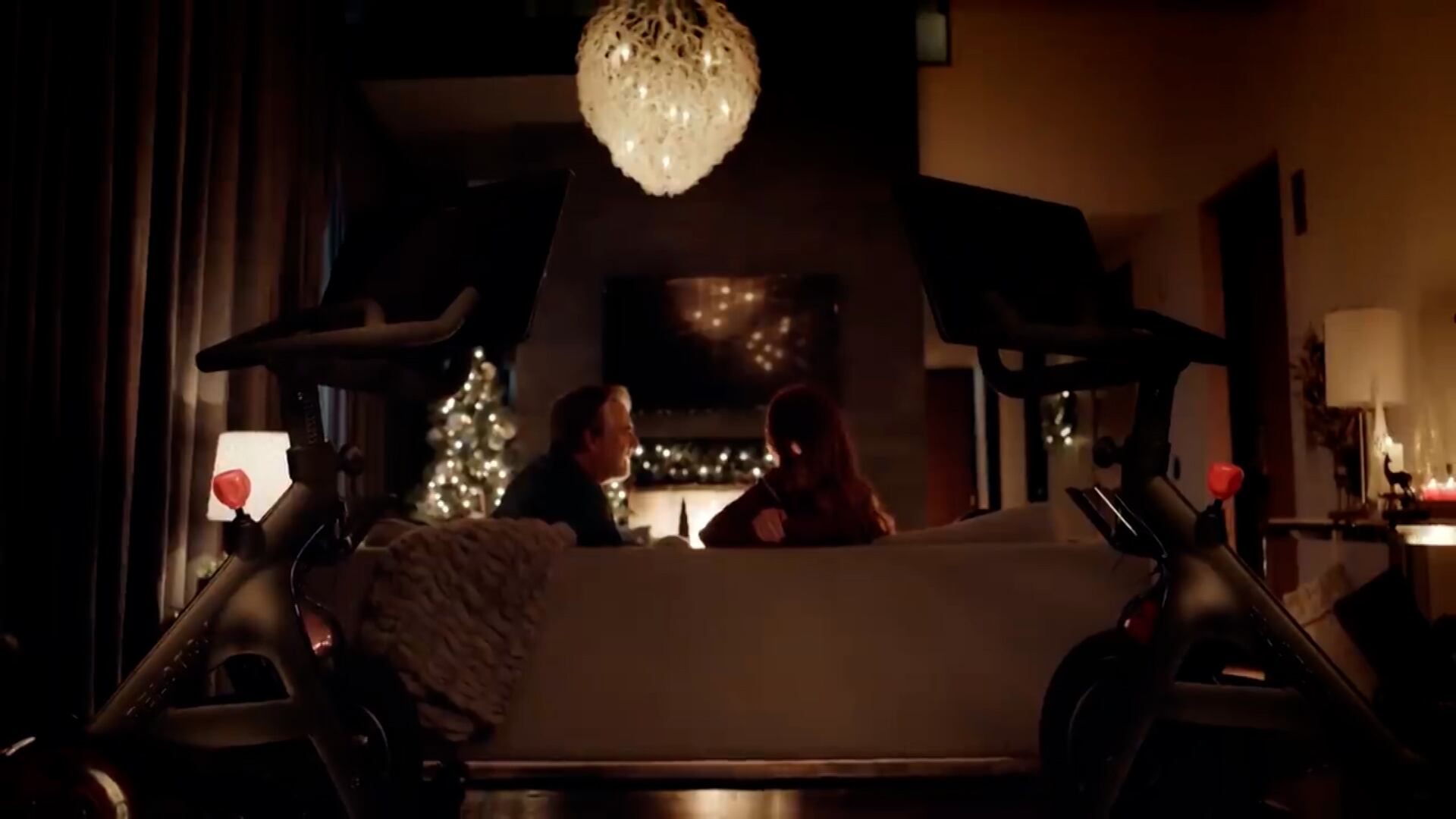
Spoiler alert: And Just Like That... Peloton fired back. Over the weekend, the fitness giant posted a video featuring a character from the new 'Sex and the City' reboot, 'And Just Like That,' who had supposedly died following the use of a Peloton bike. Following the show's premiere last week, Peloton actually saw a drop in shares as a result of the character death. Mark Lehmann, CEO at JMP Securities, discusses why the character death may not have been such a marketing nightmare for Peloton after all.
Gabe Pincus, president of the investment advisor GA Pincus Funds, joined Wake Up With Cheddar to break down what's happening with meme stocks, as retail trader favorites AMC, GameStop, and Bed Bath & Beyond all moved sharply lower on Monday. He noted that even with the drop there is still room for the meme stocks to tumble even more. "They're still up 500 percent, 800 percent, 900 percent from their all-time lows, so there's plenty more room for them to go down," said Pincus.
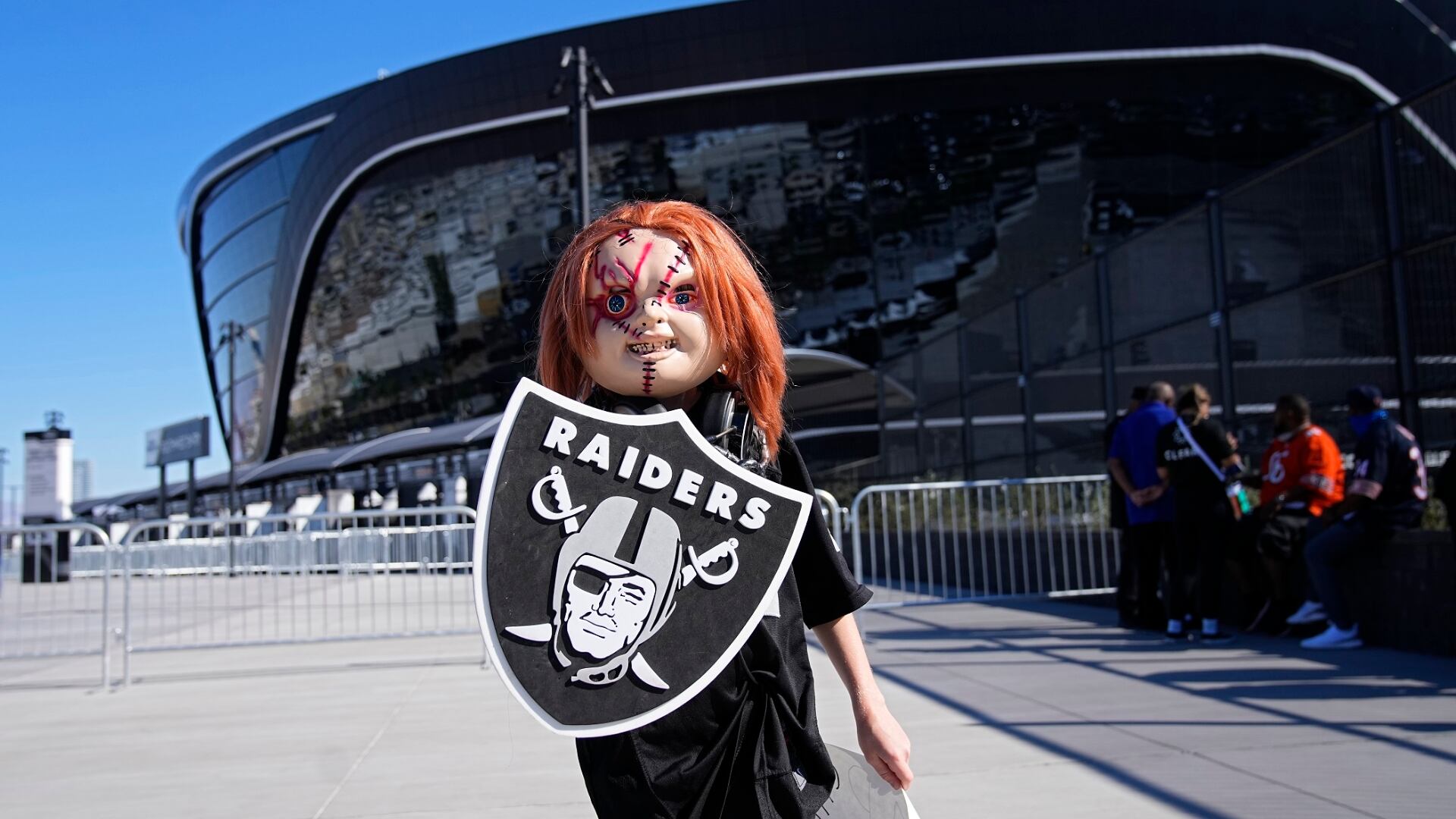
Allegiant Stadium in Las Vegas is slated to be the home of Super Bowl LVIII in 2024. The stadium was completed in July 2020 for a price tag of $1.8 billion.
Cheddar is looking back at the 12 biggest buzzwords of the year leading up to Christmas. Today's word of the day, 'Yolo Trade.' Yolo Trade: (noun) derived from the acronym 'You Only Live Once.' Describes a trade where someone goes all in on a stock.
While people have been spending more time on their phones throughout the pandemic, a new report shows they were also spending more money as well. A review from Sensor Tower on the global app ecosystem this year found that the app economy will see record consumer spending in 2021, up nearly 20% from 2020. Sensor Tower director of sales and financial institutions Anthony Bartolacci joins Cheddar News' Closing Bell to break down the report.