*By Michael Teich*
Democrats led by Senator Mark Warner are stepping up the charge against big tech, but they may not accomplish anything unless the party makes major gains in the midterm elections, according to Axios reporter David McCabe.
Disinformation and privacy concerns on social media platforms have become a major concern of many lawmakers after Russian interference in the 2016 U.S. Presidential election was uncovered.
"It's not hugely surprising to see Democrats engaging on the disinformation piece because of the concerns about 2016," McCabe said Tuesday in an interview with Cheddar.
Facebook has spent nearly two years working to counter political misinformation campaigns on its platform. The company announced Tuesday it found and removed 32 pages and accounts linked to an influence campaign on Facebook and Instagram. Warner said in a statement Tuesday that "the Kremlin continues to exploit platforms like Facebook to sow division and spread disinformation."
Before Facebook's announcement, McCabe had obtained Warner's policy papers, which propose 20 ways to address disinformation online, protect user privacy, and encourage greater competition.
McCabe said he's skeptical that Warner's proposals can be enacted in the near-term. Despite a growing tech-lash and heightened concerns over data privacy that resulted from Facebook's Cambridge Analytica scandal, the issues are not priorities for Democrats or Republicans.
"Going into midterms, this hasn’t proven to be a big election issue," McCabe said before Facebook's latest revelation.
If Democrats can shift party control of Congress in November, they may be able to get enough momentum behind Warner's ideas, said McCabe. But even if they do well in midterms, the Democrats will have to go up against big tech's robust lobbying efforts. McCabe said the Democrats' intentions, as outlined by Warner, may prompt tech companies to spend even more on lobbying lawmakers in Washington.
In September, legislators will question social media executives including Twitter's Jack Dorsey in order to evaluate how government regulations might prevent the spread of misinformation and propaganda on social platforms.
For more on this, [click here](https://cheddar.com/videos/mark-warners-uphill-battle-against-big-tech).
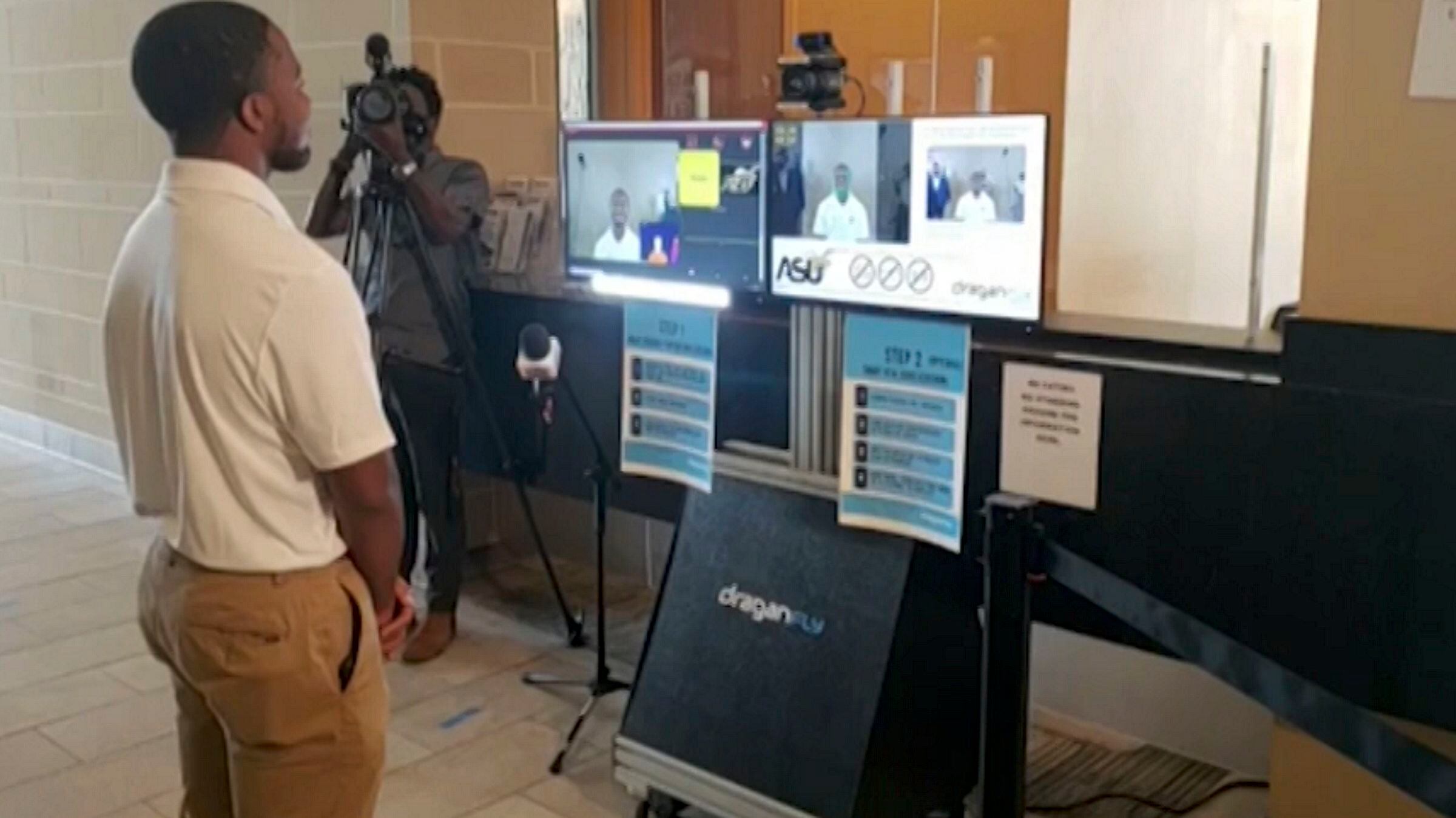
Alabama State University has managed to keep COVID-19 infections at zero despite rising cases on college campuses. University president, Quinton Ross, Jr, joined Cheddar to discuss new technology that scans for coronavirus symptoms.
In the 1980's and 90's, the solar car was deemed the future of transportation. Yet, just as quickly as it arrived, the solar car disappeared. But today, as the problems caused by our reliance on fossil fuels have grown, so has a demand for alternative sources of energy for our vehicles. While electric cars are rapidly gaining a larger share of the automotive market, this technology still relies on electricity from a grid often fueled by petroleum or coal. And this is why some companies today are again trying to harness the most powerful energy source we know: the sun.
Electric vehicle maker, Nikola, announced a partnership with General Motors to construct its electric pick up truck, the Badger. Founder and executive chairman, Trevor Milton, joined Cheddar to production timeline and benefits of joining GM.
From Wall Street to Silicon Valley, these are the top stories that moved markets and had investors, business leaders, and entrepreneurs talking this week on Cheddar.
Stocks fell sharply on Wall Street Thursday as high-flying technology companies took a tumble after months of spectacular gains.
With just two months left until the U.S. presidential election, Facebook says it is taking additional steps to encourage voting, minimize misinformation and reduce the likelihood of post-election “civil unrest.”
Patreon has been valued at over $1.2 billion as the coronavirus pandemic forces creators find new outlets. CEO Jack Conte joined Cheddar to discuss the company's vision.
Altice USA, Cheddar's parent company, has made an offer to purchase the rest of Cogeco, which owns Atlantic Broadband. Altice USA will sell the Canadian assets to Rogers Communications.
Samsung’s second attempt at a foldable smartphone will come with a $2,000 price tag and a few elite perks aimed at affluent consumers still able to afford the finer things in life during tough times.
Facebook said Tuesday that it removed a small network of accounts and pages linked to Russia's Internet Research Agency, the “troll factory" that has used social media accounts to sow political discord in the U.S. since the 2016 presidential election.