*By Carlo Versano*
Avis Budget Group [announced](https://markets.businessinsider.com/news/stocks/avis-budget-group-fleet-expands-to-100-000-connected-cars-benefitting-customers-cities-and-the-company-bottom-line-1027453677) this week it has 100,000 connected cars in its global fleet, a milestone that the chief innovation officer said shows the company best-known for airport rentals is poised to become a next-generation mobility provider.
The car rental company that vows "We Try Harder" also announced recently it's adding Waymo, Lyft, and Airbnb to its slate of partners.
The expansion is all part of a strategic effort to appeal to Avis's customers who increasingly view mobility and transportation as a service, said the CIO Arthur Orduna.
"We need to understand how people want to consume their mobility," Orduna said Thursday in an interview on Cheddar.
He said he's divided future Avis customers into two camps: urban commuters, attracted to the company's on-demand services like Zipcar; and travelers who need access to rentals to get around a new place.
The main priorities for building a company that can service both types of customers, he said, are connected cars and the Avis app.
The ability to communicate with a vehicle creates a better experience for users ー finding and unlocking one's car via the app, for example ー Orduna said.
The app also helps Avis to streamline its fleet operations, and, as connected cars produce data on their own movements, Avis can use that data to partner with other companies and smart cities, "based on a digital ecosystem," Orduna said.
Avis, which operates in 11,000 locations in 180 countries, is also betting that the future of mobility means autonomy.
"AV \[autonomous vehicles]\ is not a matter of if ー it's really a matter of when," Orduna said.
To that end, Avis's partnership with Waymo, Alphabet's self-driving car unit, offers short-distance rides to a select group of residents in Arizona, where Waymo is testing its technology. This is in addition to an earlier deal for Avis to service Waymo's autonomous fleet.
For full interview, [click here] (https://cms.cheddar.com/videos/VmlkZW8tMjIyMjI=).
Stocks closed lower to end the day Thursday, the second to last trading day of 2021. The Dow snapped a six-day winning streak, and the S&P 500 was weighed down by chip and energy stocks. This all comes as weekly jobless claims fell to a 52-year low to 198,000. Kevin Riley, Managing Partner at Exponential Investment Partners, joins Cheddar News' Closing Bell to discuss today's close, his 2022 market predictions, the state of business in China, and more.
Daniel Newman, Founding Partner and Principal Analyst at Futurum Research, joins Cheddar News' Closing Bell, where he says the markets are going to feel very uncomfortable receiving news of more potential setbacks for chip manufacturers after already enduring a lengthy chip shortage.
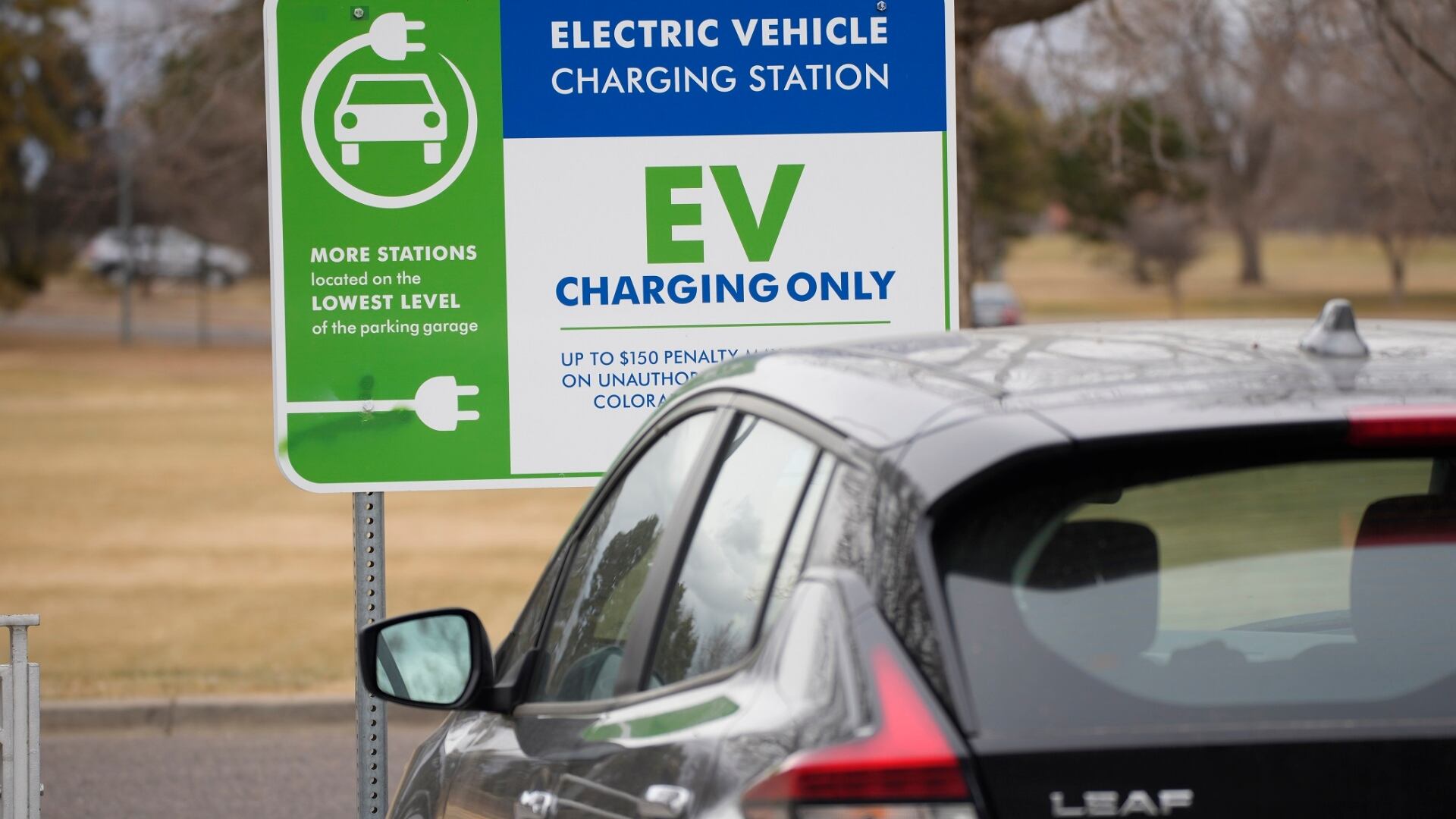
The federal government and numerous industries have been preparing for a greener future, setting goals to reduce greenhouse emissions by switching to electric vehicles. But the next hurdle to clear is convincing the wider public to get on board. Arun Kumar, managing director in automotive practice at AlixPartners, spoke to Cheddar's Ken Buffa about consumer trends related to EV transition and said he believes a widespread switch is imminent in 2022. Despite this, he acknowledged there are still significant obstacles to overcome, including high prices and more charging stations. "Without charging infrastructure, people are going to struggle with increasing adoption of electric vehicles in the future," Kumar told Cheddar. "I think by 2030 our estimate is that about a million chargers need to be put in place nationally in the U.S."
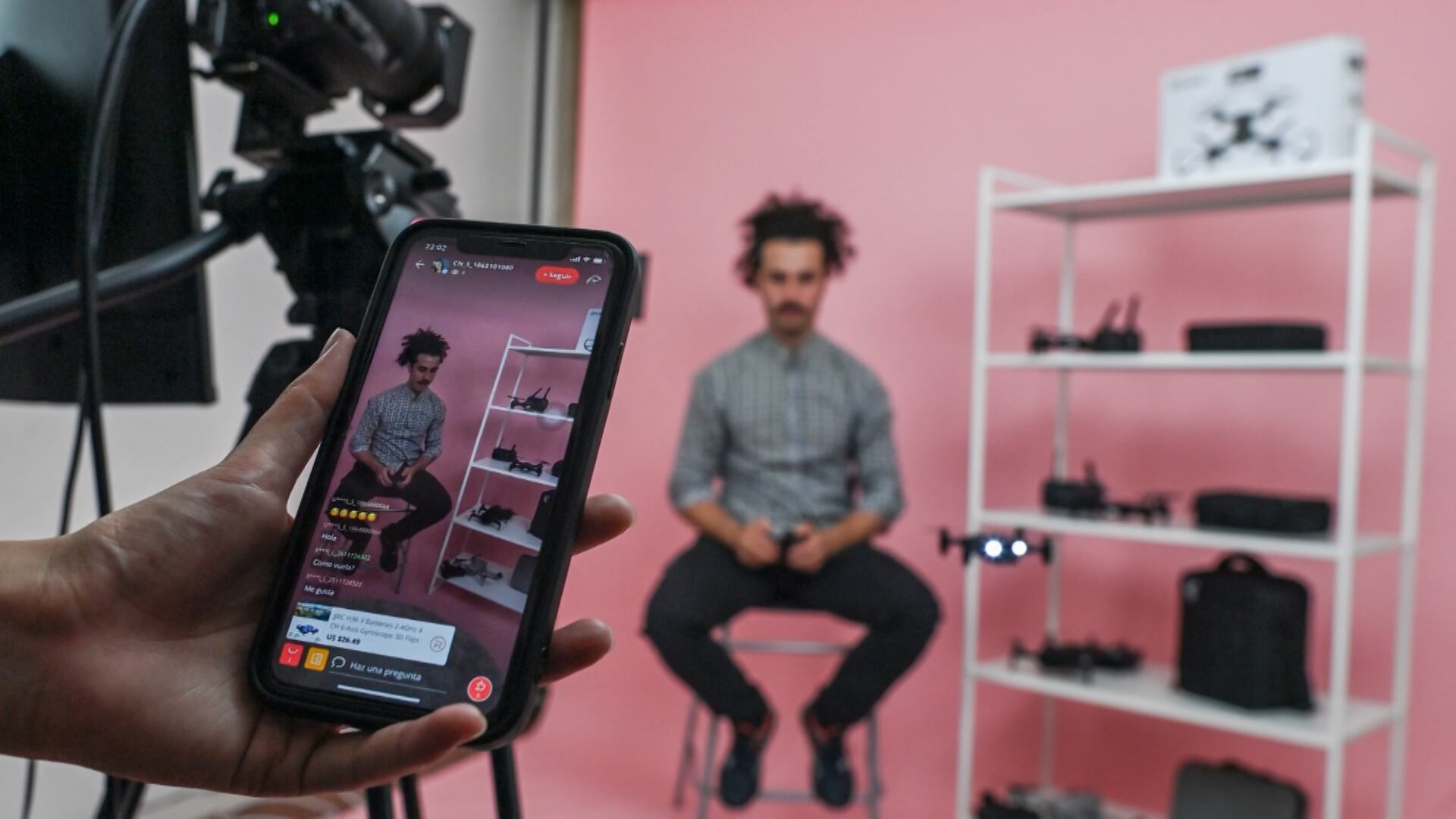
The pandemic has supercharged the creator economy, and there are no signs of it slowing down no matter when the pandemic officially ends. Creators prove to be a key factor in driving purchasing decisions and retail sales, and an increasing amount of platforms are taking advantage of the social influence. Karissa Bell, senior editor at Engadget, joins cheddar news to discuss the creator economy boom.
The National Women's Soccer League is partnering with Voyager Digital as its first-ever cryptocurrency brokerage in a multi-year deal. Marla Messing, interim CEO of the NWSL, and Steve Ehrlich, CEO of Voyager Digital, joined Cheddar to discuss benefitting the league and educating players and fans as a way of democratizing cryptocurrency. Messing explained that the players themselves will own half the assets as part of how the deal is structured. "My hope is, just in terms of the expectations of crypto over the long term, that I hope a lot of them are able to just let it sit there," she said. "And that one day this will be a nice retirement account for them."