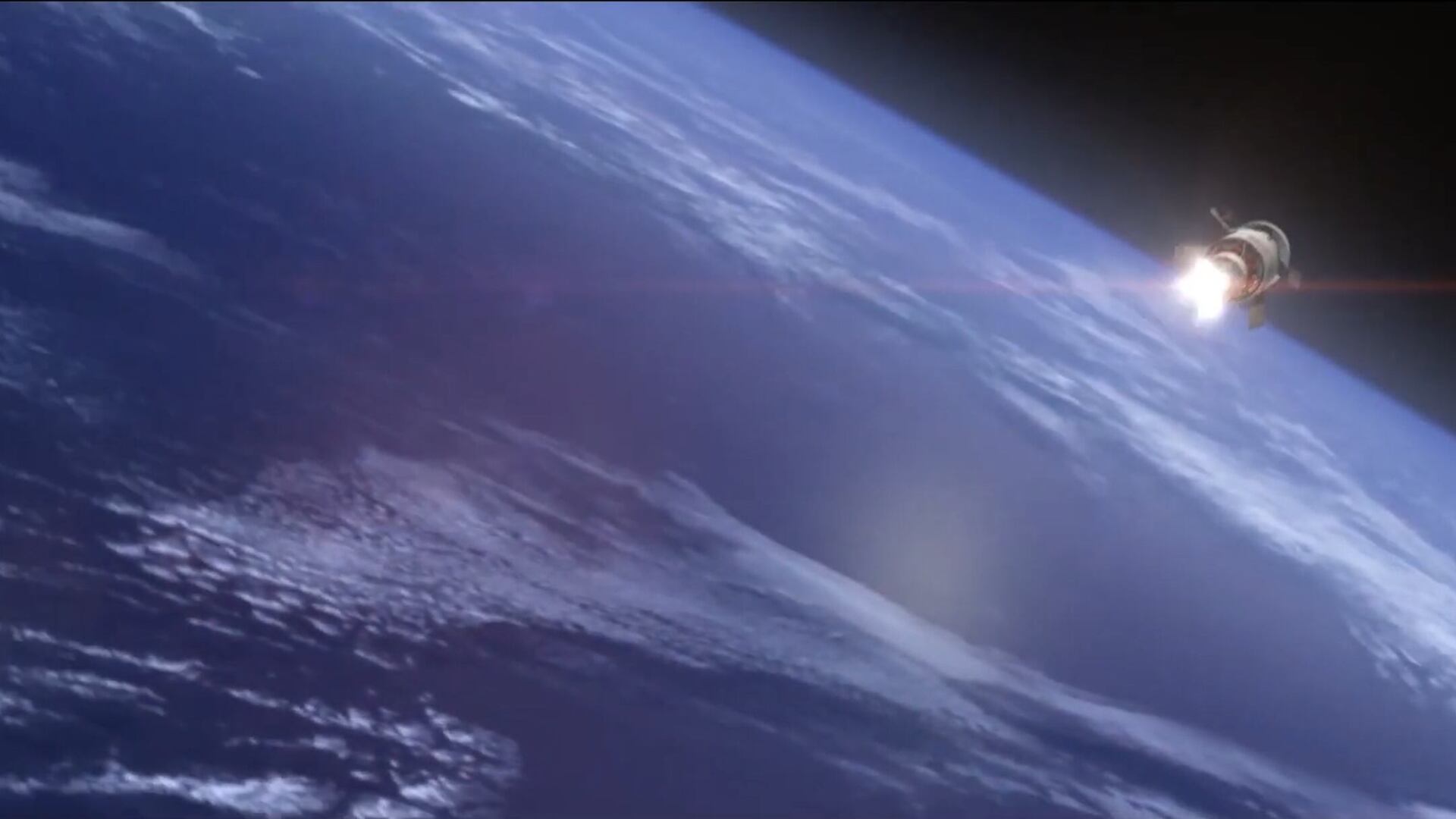
If you're searching for the future of transportation, look up. Transportation startup Skyryse just completed an end-to-end autonomous helicopter flight, where the pilot never had to touch the controls.
"This is a really large step toward realizing a transportation system in the sky that can one day move us away from the cars and the crumbling infrastructure that is throughout our cities," explained Mark Groden, the company's founder and CEO.
While the helicopter, called Luna, isn't to be overlooked, it isn't the main attraction as far as Skyryse is concerned. That distinction belongs to the Skyryse Flight Stack technology, which the company hopes will revolutionize short-distance air travel. The sector is flooded right now, with as many as 130 companies looking for a piece of the pie, including big names like Uber involved. Skyryse isn't looking to beat them, but assist them.
"What we're focused on is building the technology that will lead to this transportation system," said Groden.
Reliable, widely-used short-distance air travel has seemed like something of a pipe dream until now, but Groden is quick to point out the first automated flight actually took place decades ago, when the Lockheed-1011 safely crossed the Atlantic. The idea of automated air travel isn't a new one, and the CEO believes it will expedite the process of making it a reality.
"The pragmatic approach we're taking, following existing paths that the FAA is already very keen to work with us on, will allow us to realize this in single-digit years, and far sooner than I think a lot of people expect," he said.
Rent the Runway is making its trading debut on the NASDAQ. The fashion company has struggled since the onset of the pandemic, not having turned a profit since 2019. Crunchbase reporter Sophia Kunthara explains how Rent the Runway has had to make necessary changes to its business model in order to keep itself afloat.
As negotiations drag on in Washington, DC over President Biden's social spending bills, Senate Democrats have introduced a new idea to fund Biden's plans: taxing the unrealized capital gains held by billionaires. Barron's reporter Sabrina Escobar joins Cheddar News' Closing Bell, where she explains what's in the billionaire tax proposal, who it will impact, and why it's on the table.
GM exceeded earnings expectations, yet still felt the chip shortage squeeze. Baron's Senior Writer Al Root discussed GM's segue into the electric car car world despite its struggles.
Jay Jacobs, SVP and Head of Research & Strategy, at Global X ETFs, joins Cheddar News' Closing Bell, where he explains why the Dow and S&P fell from their recent records during Wednesday's session. Jacobs also broke down the numbers in Ford's Q3 earnings as the results rolled in.
Two recent studies by Conference Board, ESGauge, and Spencer Stuart find that the number of Black directors at S&P 500 companies is growing, but more needs to be done in order to see real gains in the boardroom. Jerusha Stewart, CEO of Take Your Seat joins Cheddar News to discuss what more needs to be done for a more inclusive workplace.
The freight industry has its newest unicorn. Flock Freight recently reached the $1 billion mark after recently raising $215 million dollars. It comes during a watershed moment for the global shipping and freight industry, with the pandemic and other issues leading to the ongoing supply chain crisis.
Flock Freight and its shared truckload service may be a solution. Flock Freight CEO Oren Zaslansky joined Cheddar News' Closing Bell to discuss.
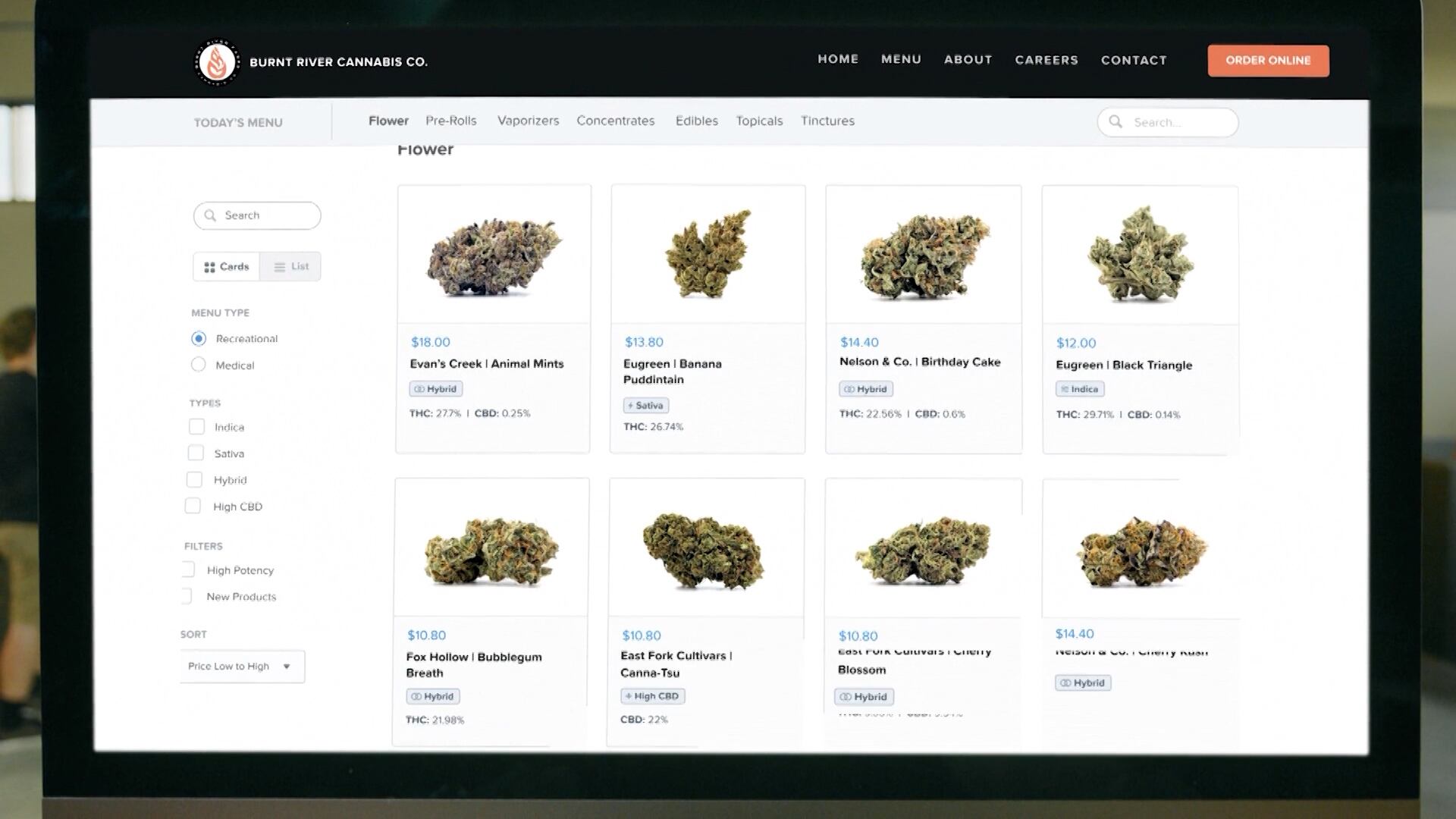
Cannabis tech company Dutchie raised $350 million in Series D Funding in October, and Ross Lipson, CEO and co-founder, joined Cheddar's "Closing Bell" to talk about how the funds will be used to grow the business. He noted that attracting the best talent, research and development, and expanding the brand's international reach are among the top priorities with this latest round of funding. Lipson also provided a breakdown of how his company "powers a dispensaries operations" through point of sales and e-commerce transactions.