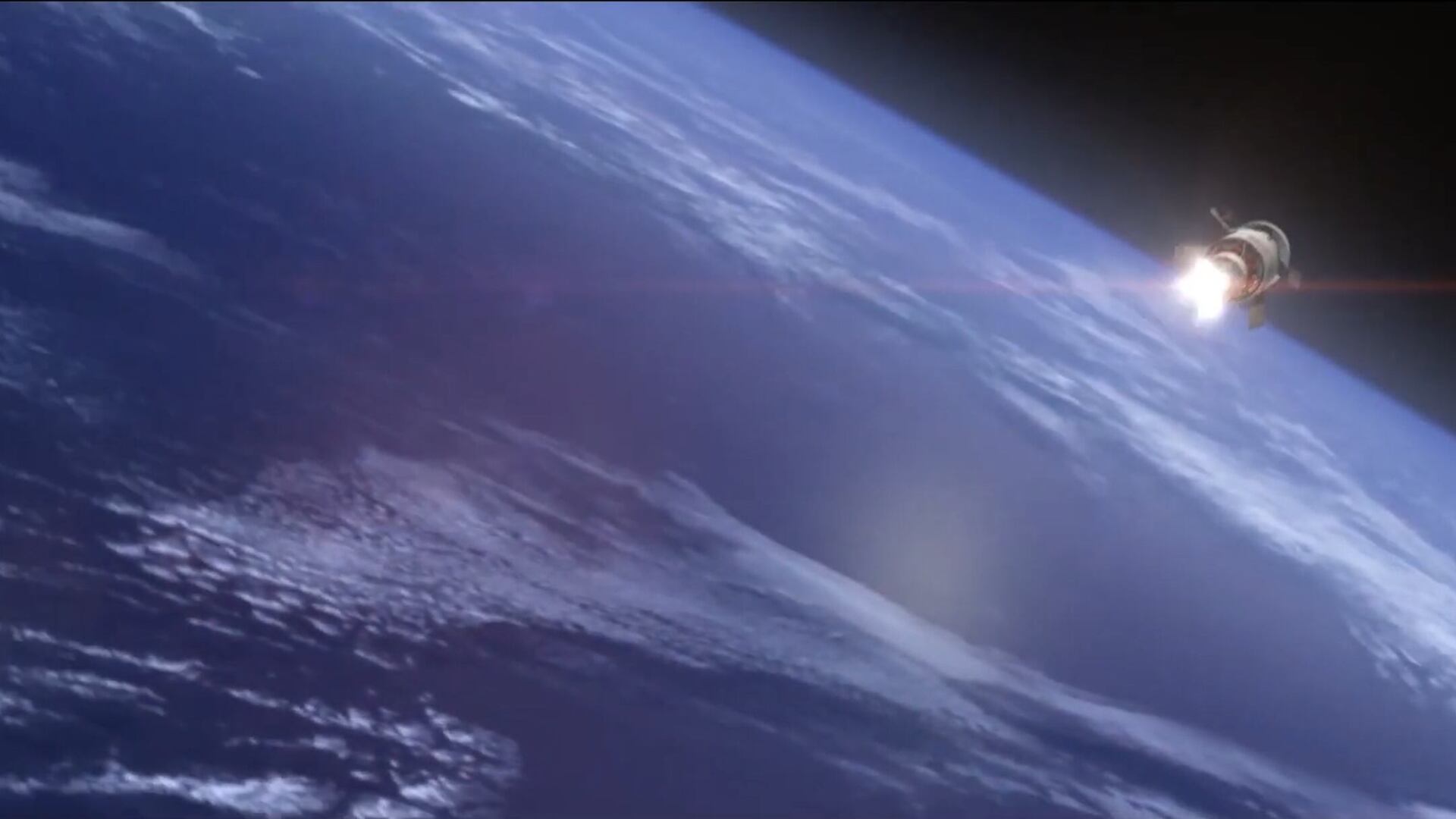
If you're searching for the future of transportation, look up. Transportation startup Skyryse just completed an end-to-end autonomous helicopter flight, where the pilot never had to touch the controls.
"This is a really large step toward realizing a transportation system in the sky that can one day move us away from the cars and the crumbling infrastructure that is throughout our cities," explained Mark Groden, the company's founder and CEO.
While the helicopter, called Luna, isn't to be overlooked, it isn't the main attraction as far as Skyryse is concerned. That distinction belongs to the Skyryse Flight Stack technology, which the company hopes will revolutionize short-distance air travel. The sector is flooded right now, with as many as 130 companies looking for a piece of the pie, including big names like Uber involved. Skyryse isn't looking to beat them, but assist them.
"What we're focused on is building the technology that will lead to this transportation system," said Groden.
Reliable, widely-used short-distance air travel has seemed like something of a pipe dream until now, but Groden is quick to point out the first automated flight actually took place decades ago, when the Lockheed-1011 safely crossed the Atlantic. The idea of automated air travel isn't a new one, and the CEO believes it will expedite the process of making it a reality.
"The pragmatic approach we're taking, following existing paths that the FAA is already very keen to work with us on, will allow us to realize this in single-digit years, and far sooner than I think a lot of people expect," he said.
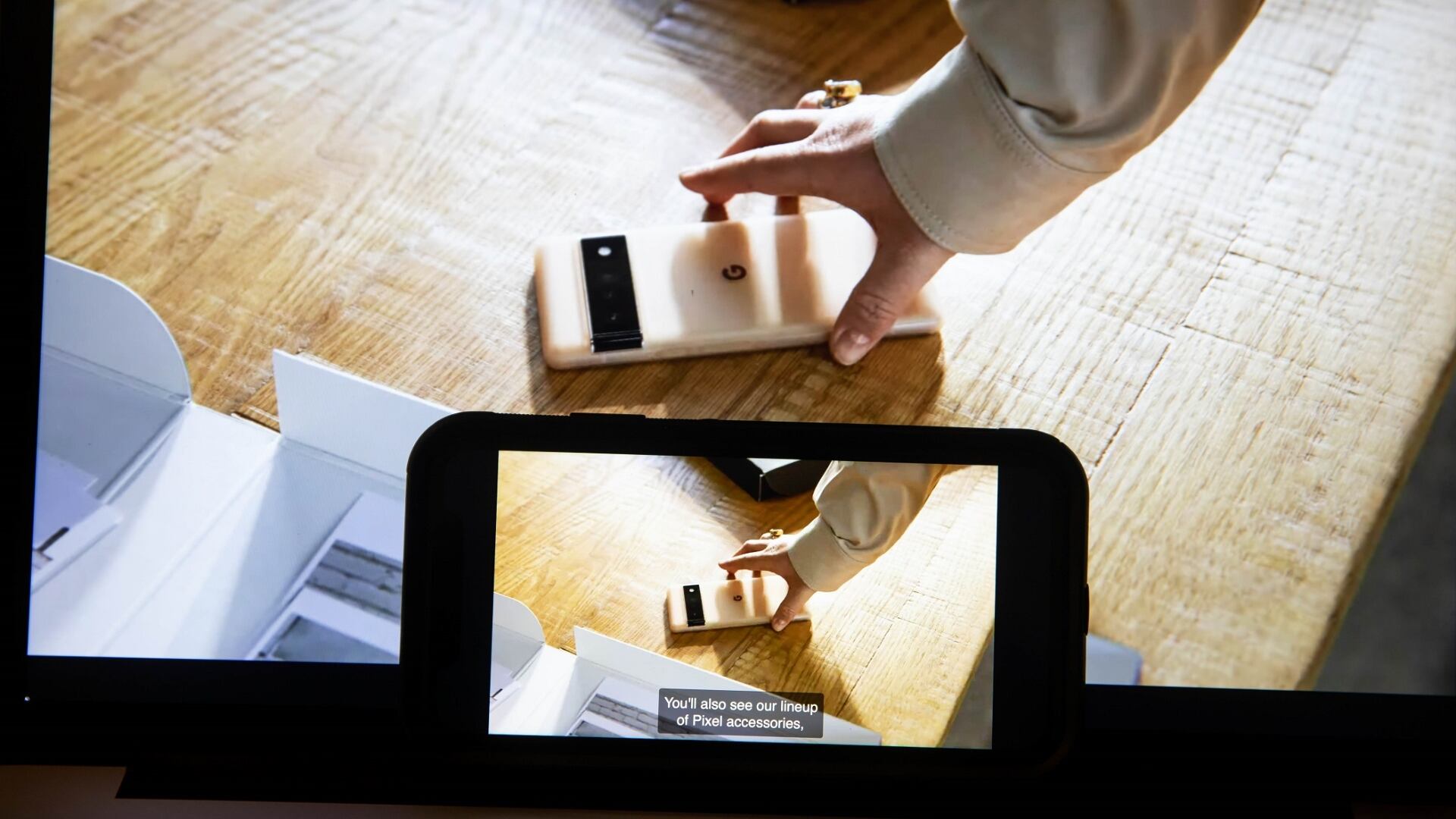
Cheddar's Ken Buffa took the Pixel 6 Pro for a test drive, highlighting some of the new features. The latest Google smartphone comes with an upgraded camera visor that holds three cameras in place as well as Gorilla Glass Victus covering the front and back protecting against drops and scratches. The device also contains Google's first homemade processor chip called Tensor and retails for about $899.
Overstock CEO Jonathan Johnson joined Cheddar's "Opening Bell" to talk about the company's Q3 earnings beat. While supply chain issues have plagued businesses across industries, Johnson noted that the company largely avoided constraints by not pressuring suppliers to fill Overstock's own distribution centers, encouraging them to use their own. "We have a higher in-stock percentage today than we did a year ago. Not quite as high as we did pre-pandemic but better than it was last year at this time," he said.
Google notified a number of small and medium-sized customers that potential antitrust bills could have negative impacts on their own businesses. The warning appears to be an effort to drum up enough opposition to give pause to lawmakers before enacting any such legislation.
Anthony Bartolacci, VP of financials of data Sensor Tower, joined Cheddar to talk about Robinhood's massive earnings miss. He attributed part of it to the platform's exposure to cryptocurrency and its lackluster performance in Q3 following volatility. Bartolacci also noted some headwinds from a drop in engagement on the platform due to people returning to work and having less time to day trade contributing to the miss.
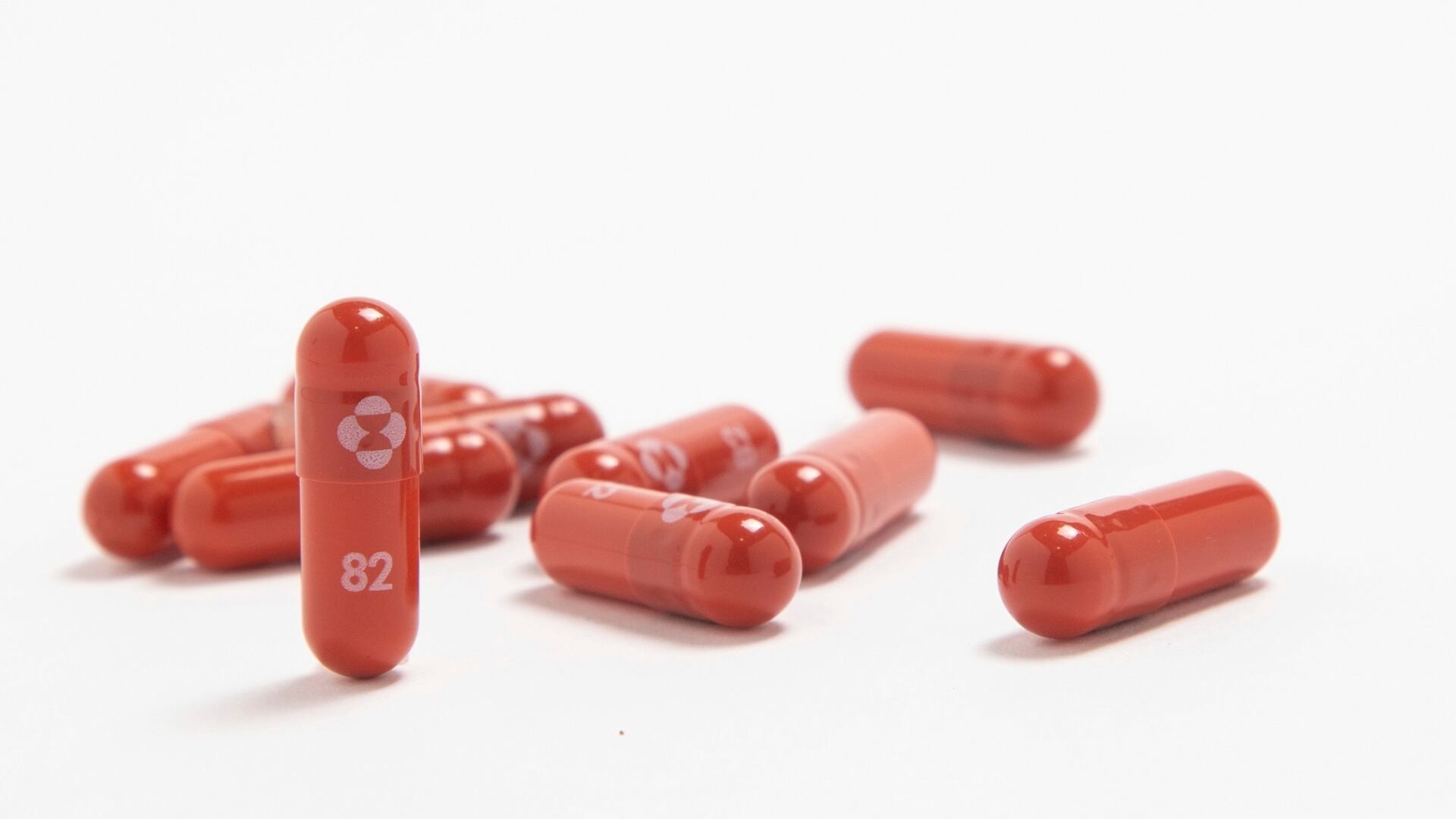
Pharmaceutical company Merck has announced that it will share the formula of its COVID-19 pill with poor countries free of charge. The company still intends to charge wealthier nations leaving the end cost at more than $700 per five-day treatment course.
Dems race for a deal on President Biden's economic agenda ahead of his big foreign trip. What to make of the latest threat assessment in Afghanistan. Plus, the meme cryptocurrency of the moment that's now worth more than many Fortune 500 companies.