Total spending on Super Bowl ads has skyrocketed over the years, growing 5 times larger than it was 23 years ago. In addition to the networks, the entertainment and pop culture partners are also benefiting from the high price tag for 30 seconds of airtime. Ryan Schinman, Co-Founder & CEO of Mayflower Entertainment, was with us to share how he connects brands with athletes, celebrities, and influencers.
Schinman is responsible for orchestrating some of the largest endorsement deals ever made between Madison Avenue and Hollywood. He is credited for creating such partnerships as: Matthew McConaughey and Scarlett Johansson with Dolce and Gabbana, Diddy and Usher with Mercedes, and Oprah and DJ Khaled with Weight Watchers. Schinman said the Super Bowl ad that he was involved in that he is most proud of was the Justin Timberlake commercial with Pepsi. He said it made Pepsi "beyond relevant" in the pop culture world.
Super Bowl ads cost around $5 million. Schinman said there's no exact science for measuring the success of a marketing campaign because there are too many variables. Put simply, if brands can improve their visibility and sell more products, it's worth the investment, he added.
Americans traveled in record numbers over July 4th despite rising costs. Skift's Sarah Kopit explains what it says about consumers, airfares, and summer travel.
The U.S. economy is being held up in part by the AI boom, but that boom could still lead to broader prosperity or inequality, says a Nobel Prize winner.
Foundation Robotics co-founder Michael LeBlanc explains how humanoid robots are moving from the lab to military and industrial missions and what comes next.
Jeff Burnstein, President of the Association for Advancing Automation (A3), discusses humanoid robots, AI, smart manufacturing, and the future of U.S. industry.
Should kids be banned from social media? Nick Lichtenberg of Fortune breaks down the global push to restrict under-16 users and what it means for Big Tech.
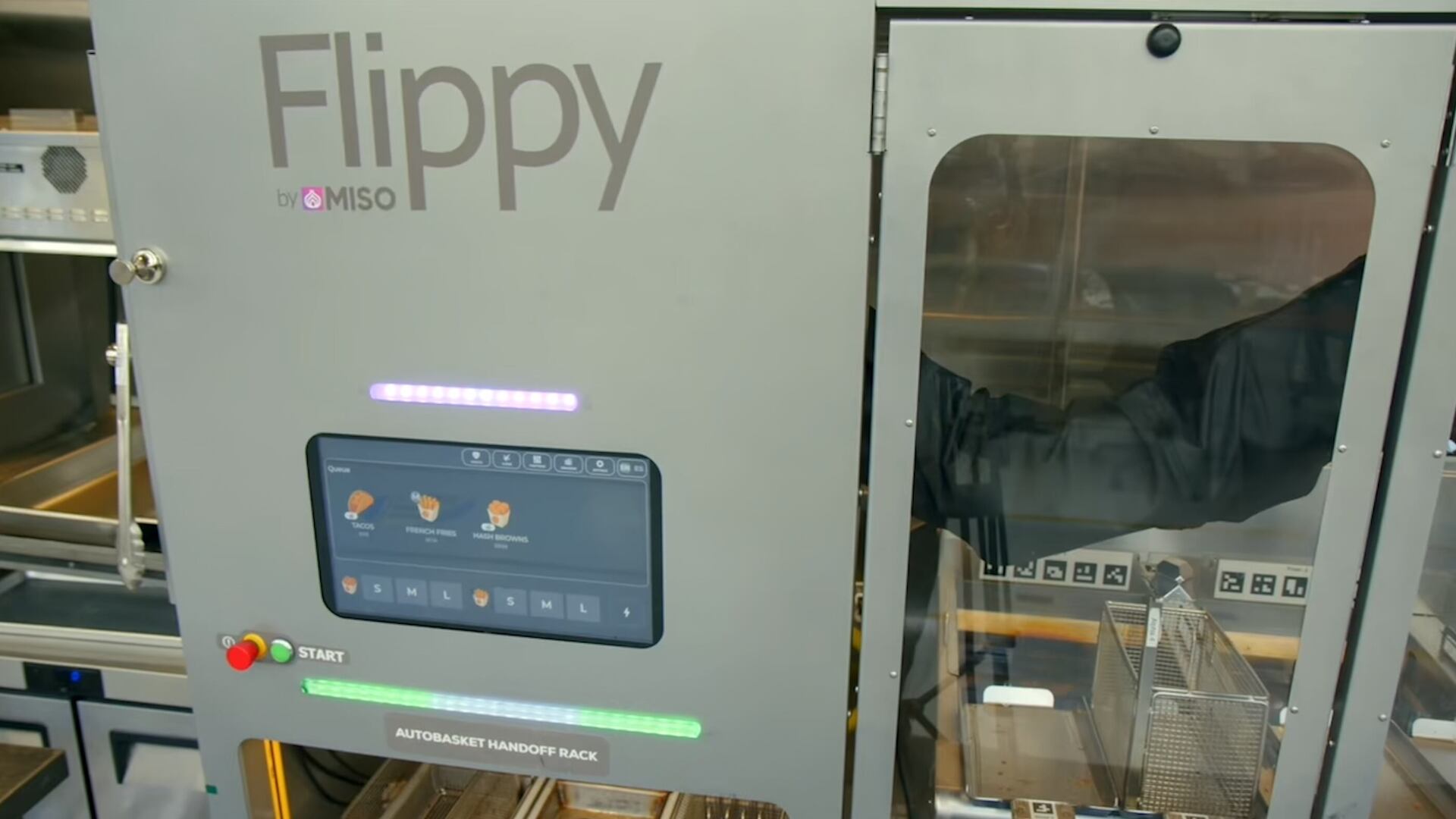
Miso Robotics CEO Rich Hull discusses Flippy Fry Station, the future of AI-powered restaurant automation and how acquiring Zume's IP could reshape food robotics
After two years of AI-fueled spending, Wall Street is asking what's next. Gil Luria breaks down monetization, valuations, winners, losers, and AI's future.