Amazon's Alexa has made its way into augmented reality smart glasses. Paul Boris, Chief Operating Officer at Vuzix, showcases the company's integration of voice-technology into its glasses at CES in Las Vegas.
Vuzix, a supplier of smart glasses and augmented reality technologies, looks to launch the first pair of its kind during the second quarter of 2018. Users will be able to use their voice to activate Alexa and project information in the new field of view. Boris explains that the goal of the $1,000 smart glasses is to help people stay digitally connected while remaining present in the real world.
Vuzix isn't the first company to take on smart glasses. Google struggled with Google Glass, and many would say Snap's Spectacle product underperformed. Boris responds by describing how Vuzix's product is different and breaks down why now is the right time for his company to roll out a consumer product with Amazon Alexa integration.
One month after its launch, new streaming venture CNN+ announced it was shutting down. Seth Schachner, the managing director of StratAmericas and digital business executive, joined Cheddar News to talk about the high-profile media flop. "That's a really, really different beast than what HBO Max is, which is video streaming, entertainment features," he said. “It's a tough sell when you really look at these things in the cold light of day as to whether or not they actually fit together."
Meta wants creators to make money from the metaverse, but it's going to take a large chunk of the cut. The tech giant is planning to keep nearly 50% of all digital asset sales within Horizon Worlds, the virtual reality platform that's considered an integral part of the company's unfolding metaverse. Rolf Illenberger, Co-founder and Managing Director of VRdirect, joined Cheddar to discuss why Meta is taking heat for this move, and what it could be doing as an alternative to help support creators, small businesses, and consumers.
Catching you up on what you need to know on April 18, 2022, with Russian missile attacks on the Ukrainian city of Lviv killing seven, mass shootings in South Carolina and Pittsburgh, Lucky Charms cereal under official investigation by the FDA, and more.
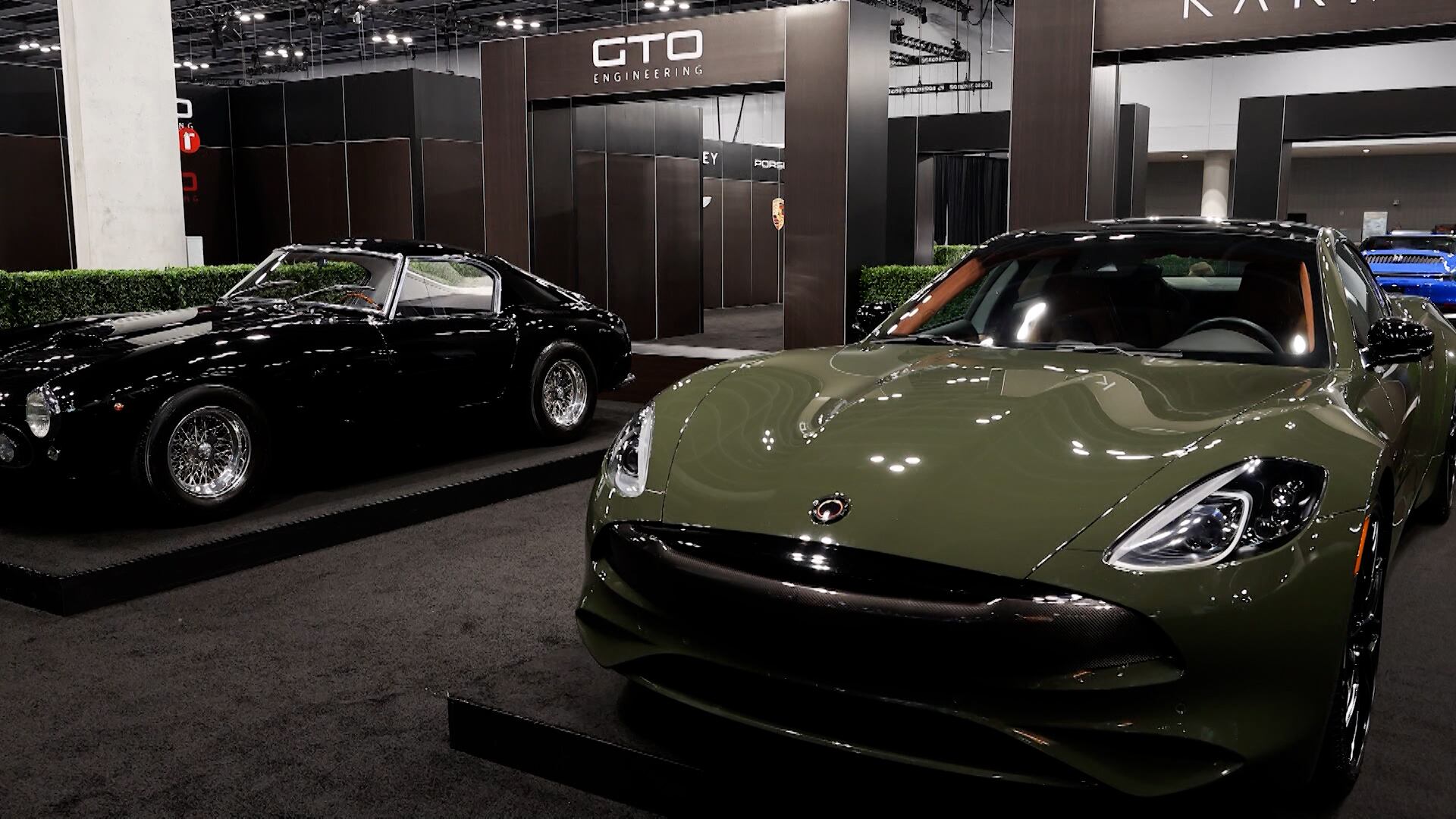
Lisa Whalen, Automotive and Mobility Analyst at Morning Consult, joined Cheddar News' Closing Bell to break down the famed auto show's emphasis on electric vehicles this year, reflecting a shift toward electrification in the automotive industry.