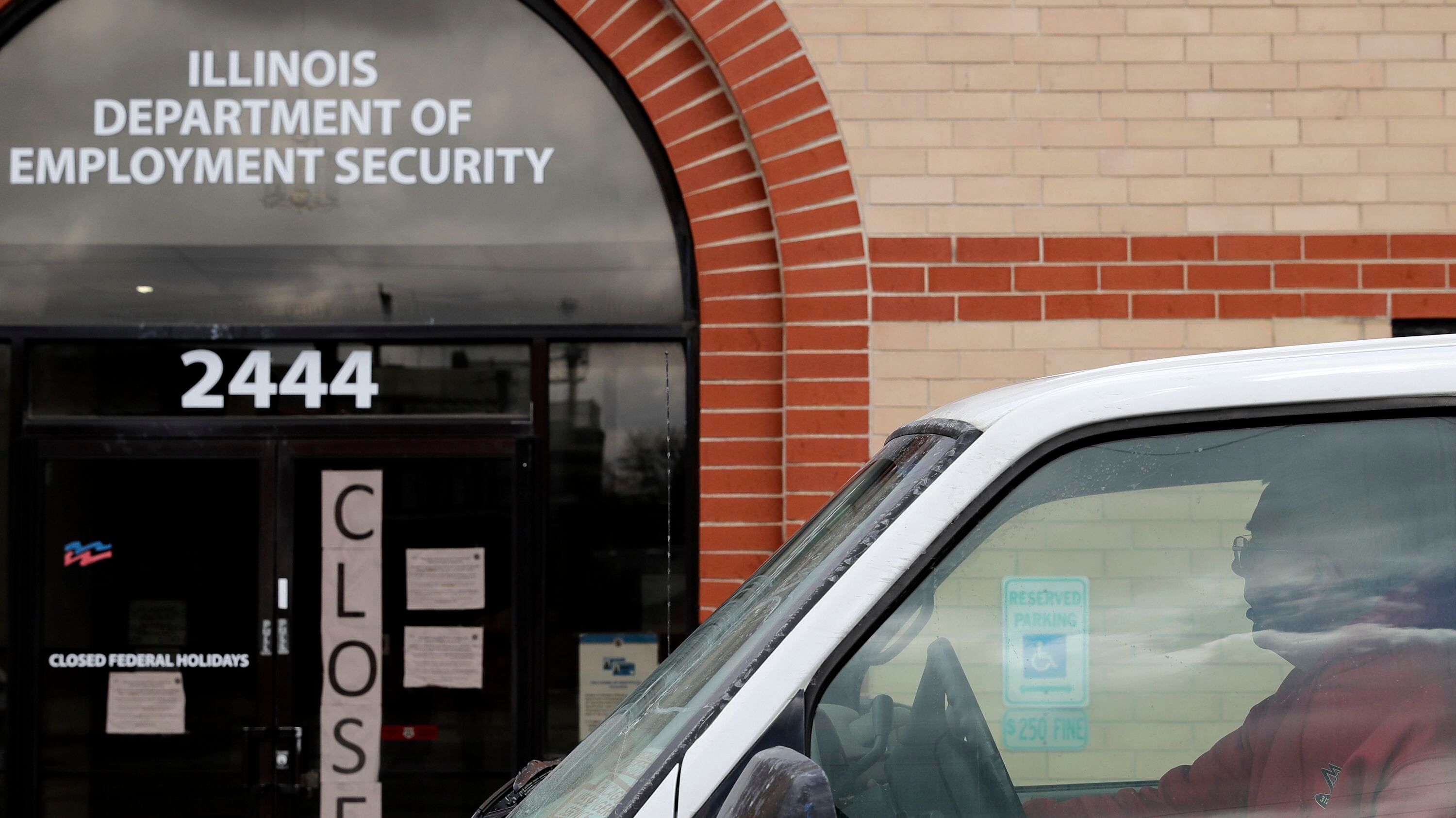
A man looks at the closed sign in front of Illinois Department of Employment Security in Chicago, Wednesday, April 15, 2020. With half-a-million people bounced out of jobs in the past month because of the COVID-19 pandemic, Illinois' unemployment safety net has been stretched to the limit. (AP Photo/Nam Y. Huh)
Another 5.2 million people filed for unemployment in the week ending April 11, according to a U.S. Department of Labor report released Thursday morning.
In any other year, that would be a historic jump, but this is the fourth consecutive week that jobless claims numbered in the multimillions. A total of 22 million have applied for unemployment benefits during that time.
Last week's number is actually a turnaround from the week prior when 6.6 million applied. The drop could be a sign that the trend is starting to slow; some analysts believe that the number will steadily drop in the coming weeks, even as the U.S. continues to see relatively high numbers.
California had the most jobless claims with 660,966, but that represented a fall from 918,814 the prior week. New York saw its number continue to rise with 395,949 claims, an increase from 344,451.
Before the coronavirus put the economy on lockdown, the one-week national record for jobless claims had been 695,000 in 1982.
Unlike the Great Recession, which saw layoffs trickle in over a longer period, the nature of the coronavirus shutdown has led to an immediate spike in unemployment.
The most optimistic economists are hoping the situation can be reversed just as quickly, once governors begin to steadily reopen the economy, but many experts believe the recovery will take time.
In the meantime, states are struggling to keep up with the massive waves of claims. State unemployment funds are being strained, with a number set to run out in the next few months.
Quantum computing is moving from science fiction to national strategy. Infleqtion CEO Matt Kinsella explains Trump's new executive order and what it means.
Americans traveled in record numbers over July 4th despite rising costs. Skift's Sarah Kopit explains what it says about consumers, airfares, and summer travel.
The U.S. economy is being held up in part by the AI boom, but that boom could still lead to broader prosperity or inequality, says a Nobel Prize winner.
Foundation Robotics co-founder Michael LeBlanc explains how humanoid robots are moving from the lab to military and industrial missions and what comes next.
Jeff Burnstein, President of the Association for Advancing Automation (A3), discusses humanoid robots, AI, smart manufacturing, and the future of U.S. industry.
Should kids be banned from social media? Nick Lichtenberg of Fortune breaks down the global push to restrict under-16 users and what it means for Big Tech.
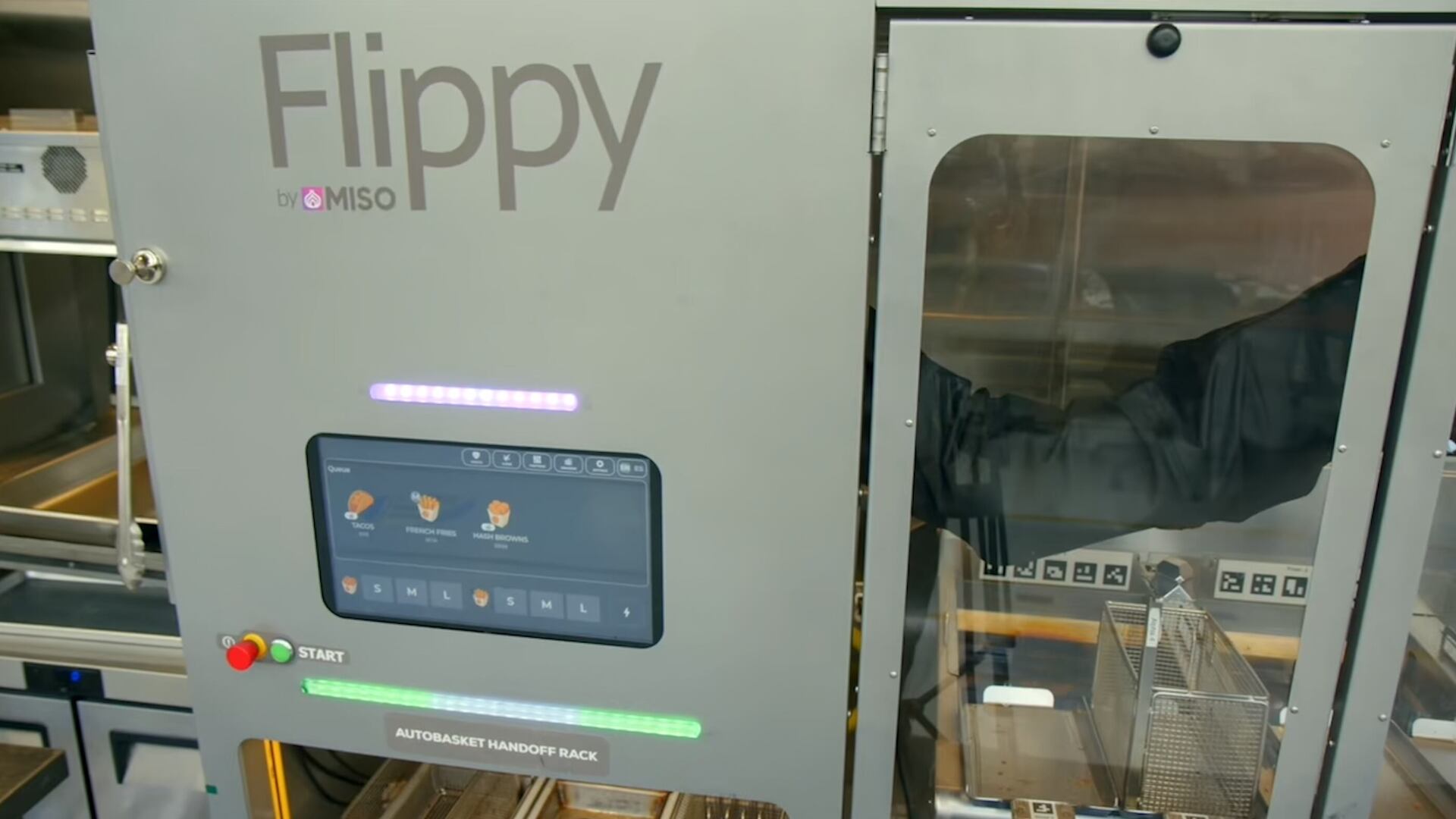
Miso Robotics CEO Rich Hull discusses Flippy Fry Station, the future of AI-powered restaurant automation and how acquiring Zume's IP could reshape food robotics