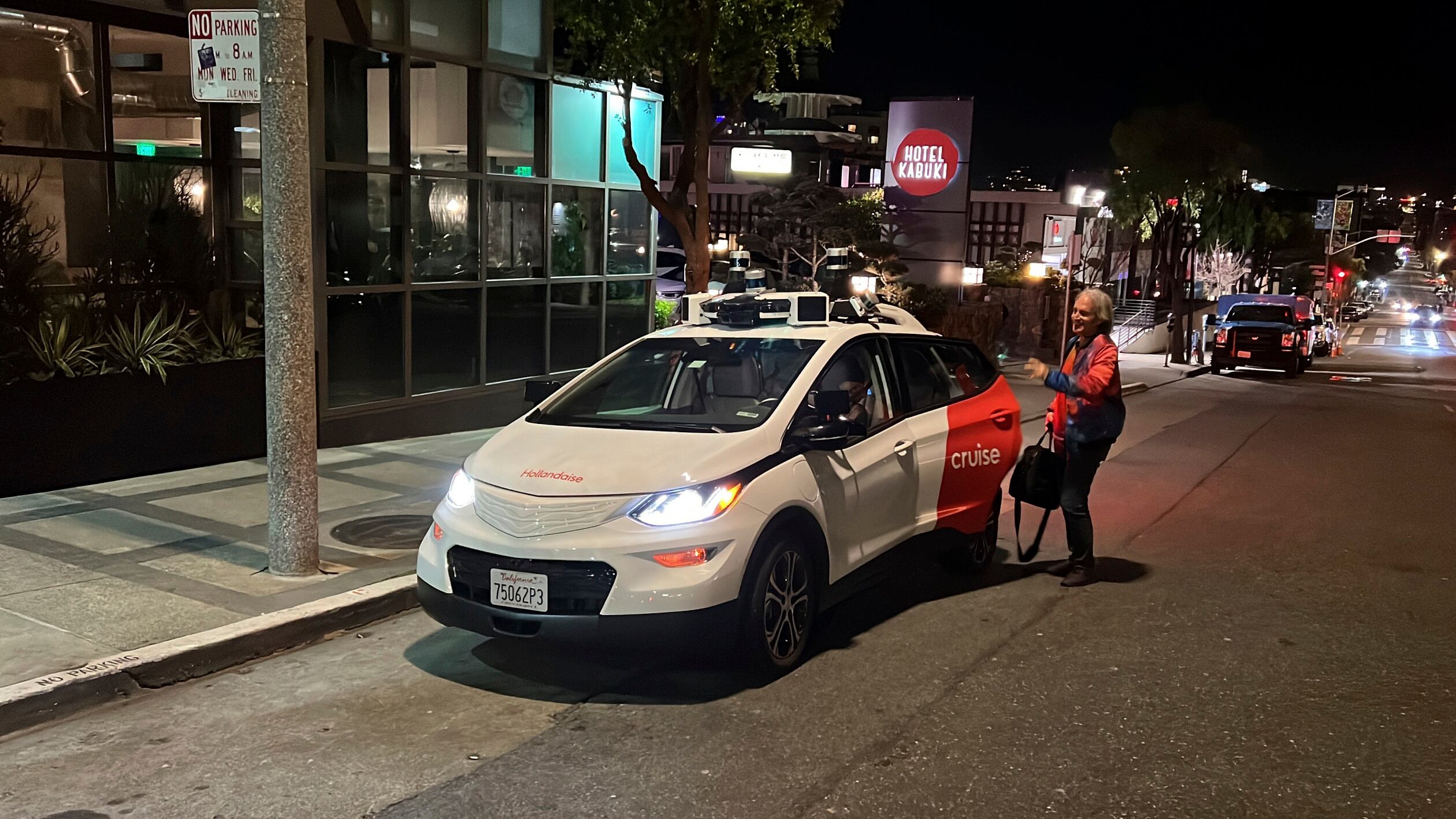
This Sept. 6, 2012, file photo, shows the Amazon logo in Santa Monica, Calif. Amazon said Friday, June 26, 2020, that it is buying self-driving technology company Zoox, which envisions a future where people will request a ride on their phones and a car will drive up without a driver. (AP Photo/Reed Saxon, File)
An autonomous vehicle company acquired this year by Amazon has unveiled a four-person “robo-taxi," a compact, multidirectional vehicle designed for dense, urban environments.
The carriage-style interior of the vehicle produced by Zoox Inc. has two benches that face each other. There is no steering wheel. It measures just under 12 feet long, about a foot shorter than a standard Mini Cooper.
It is among the first vehicles with bidirectional capabilities and four-wheel steering, allowing for better maneuverability. It has a top speed of 75 miles per hour.
The vehicle is being tested in the company's base of Foster City, California, as well as Las Vegas and San Francisco, Zoox said Monday.
Zoox, based Foster City in Silicon Valley, was founded in 2014 and acquired by Amazon in June. It operates as an independent subsidiary at Amazon.
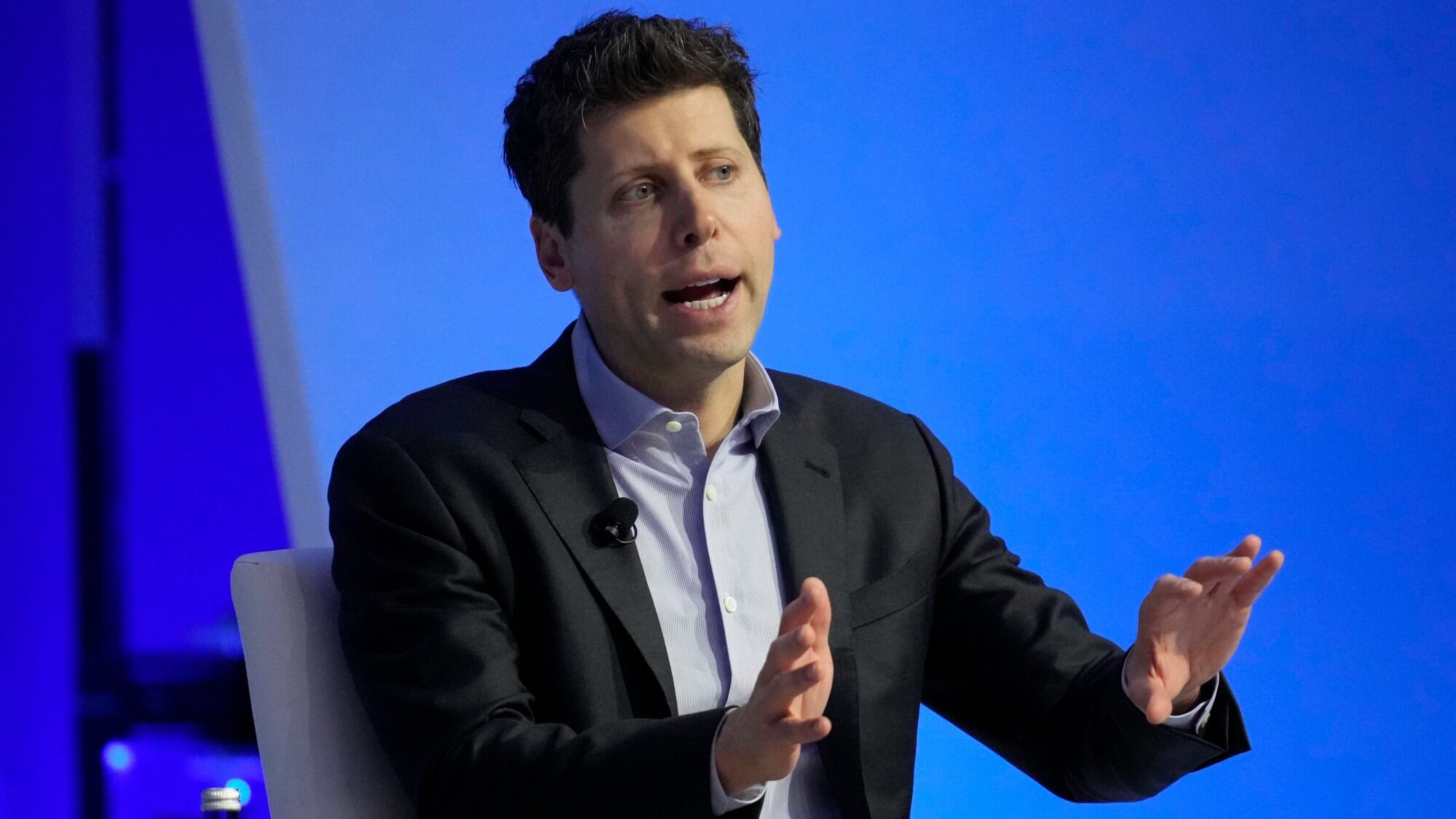
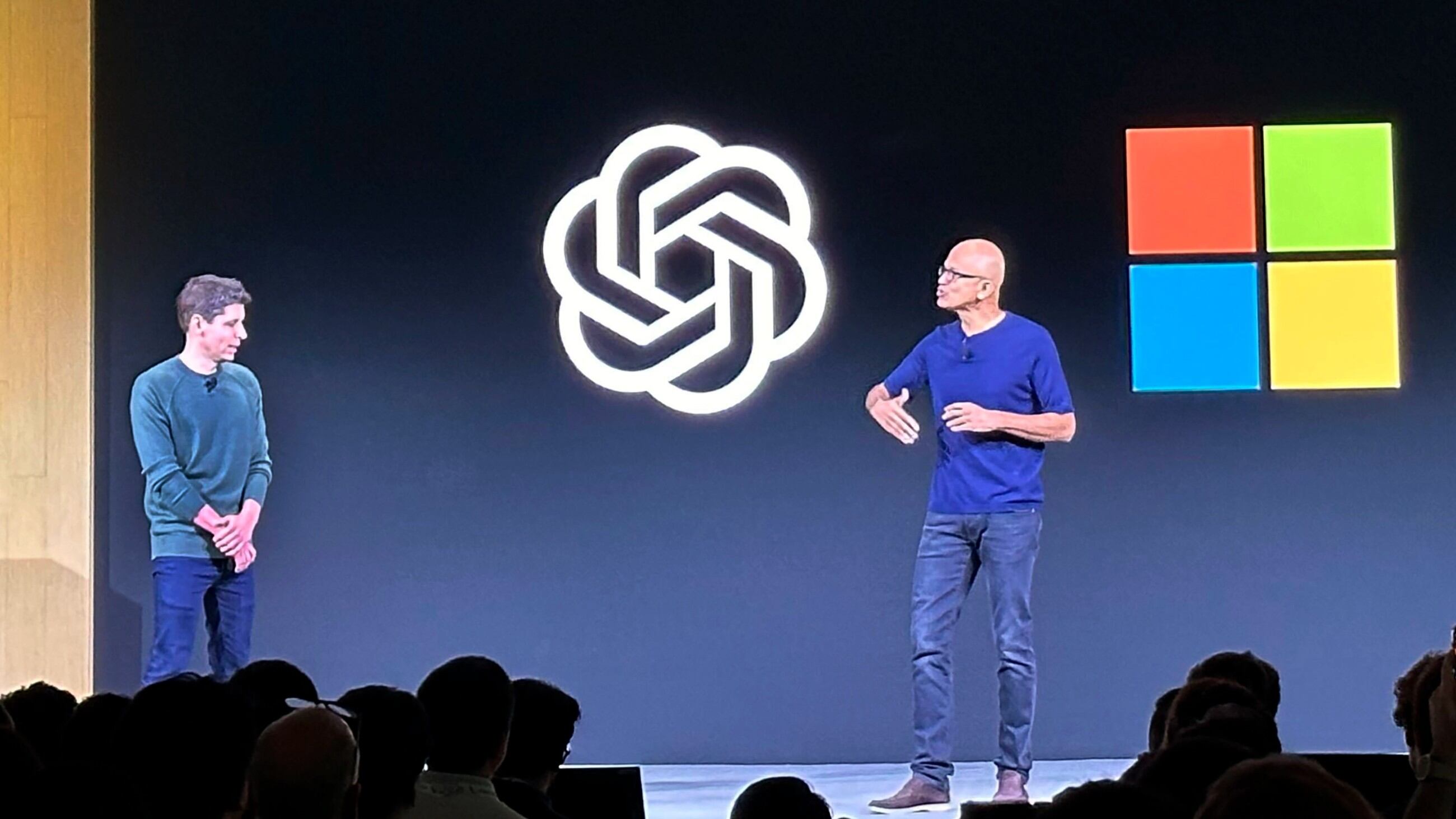
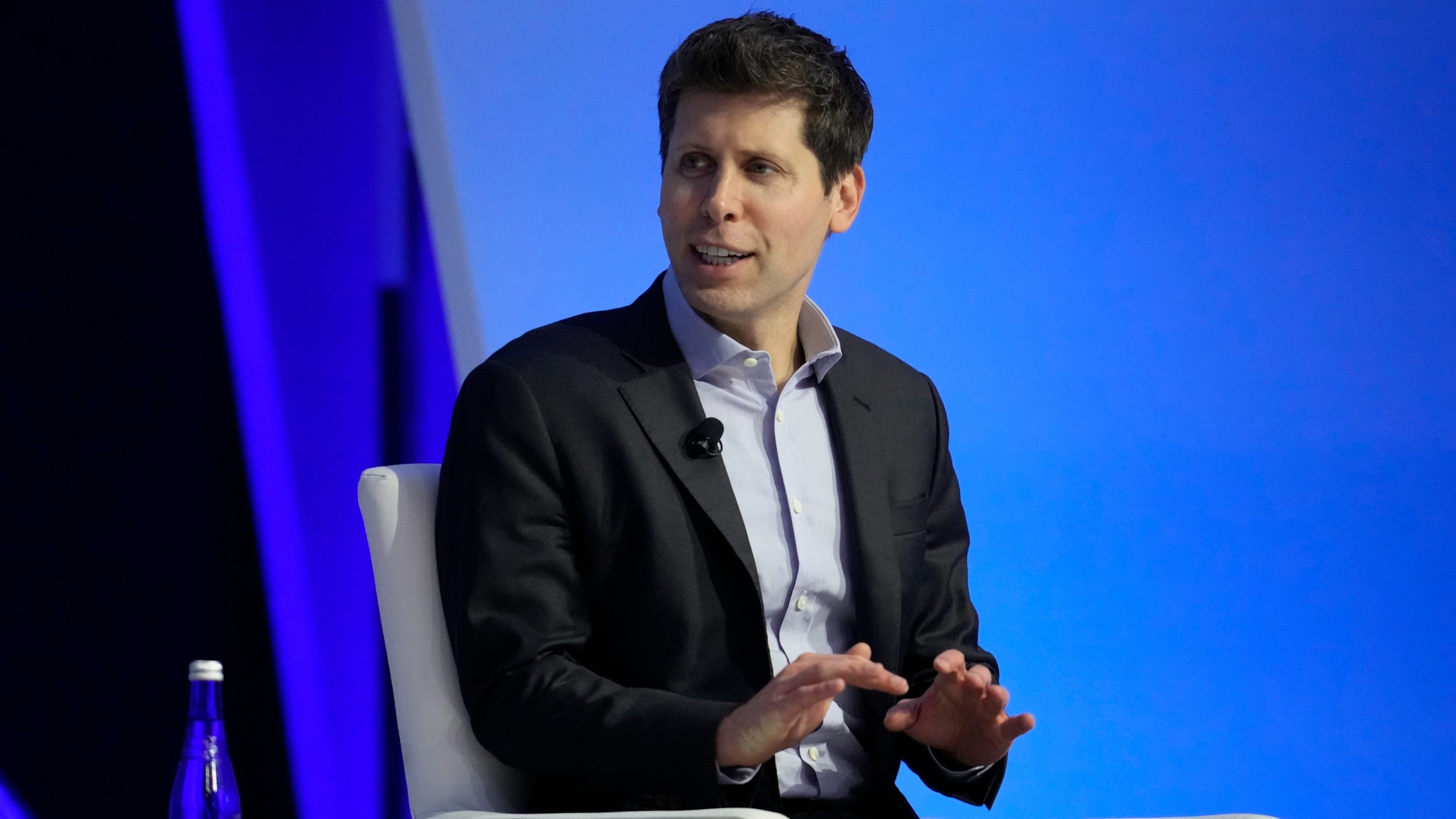
Microsoft has announced that it's hired Sam Altman and another co-founder of ChatGPT maker OpenAI after they unexpectedly departed the company days earlier in a corporate shakeup that shocked the artificial intelligence world.
Many factors lie behind the disconnect, but economists increasingly point to one in particular: The lingering financial and psychological effects of the worst bout of inflation in four decades.
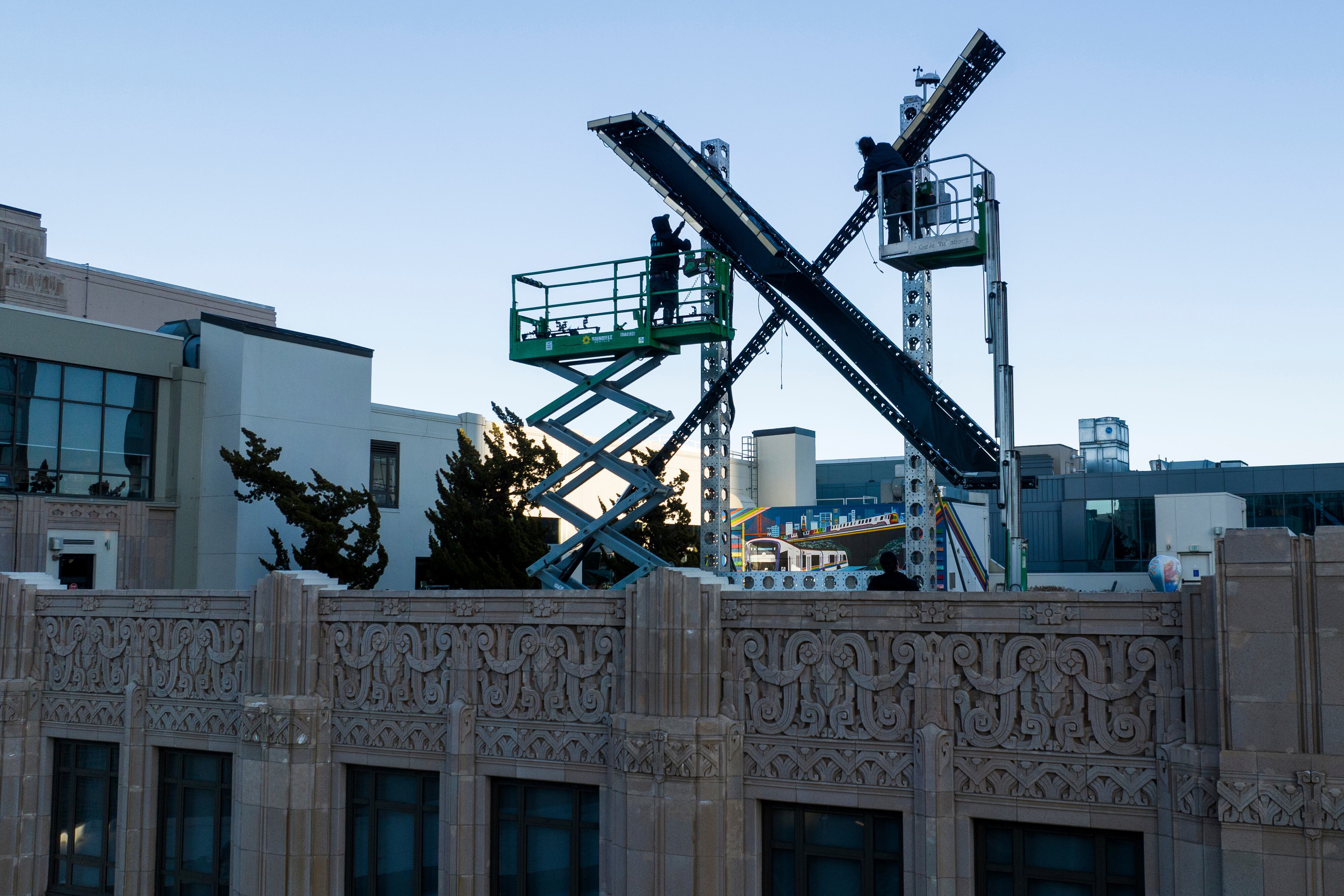
Advertisers are fleeing social media platform X over concerns about their ads showing up next to pro-Nazi content, hate speech on the site in general or billionaire owner Elon Musk’s own posts endorsing an antisemitic conspiracy theory.
Big Business This Week is a guided tour through the biggest market stories of the week, from winning stocks to brutal dips to the facts and forecasts generating buzz on Wall Street.
The board of ChatGPT-maker Open AI said Friday it has pushed out its co-founder and CEO Sam Altman after a review found he was “not consistently candid in his communications” with the board.