In today's episode of This Changes Things hosts Baker Machado and Hope King bring you the top stories in business and tech, starting with Amazon's goal to take over the shipping industry.
Amazon announced it's preparing to launch its own delivery service for businesses. The service, dubbed "Shipping with Amazon" is expected to begin in Los Angeles for Amazon's independent merchants that sell on its site. From there, it plans to expand to other cities and outside businesses.
Plus, small businesses are slamming Whole Foods for new policies that charge the brands more for prime shelf space and dropping minimum order requirements. The brands are saying the new policies have hurt their bottom lines and aren't afraid to walk away if Whole Foods doesn't address the situation.
Fast Company's Christopher Zara breaks down the OpenAI-Apple legal battle, the AI chip race, and what's next for the future of artificial intelligence.
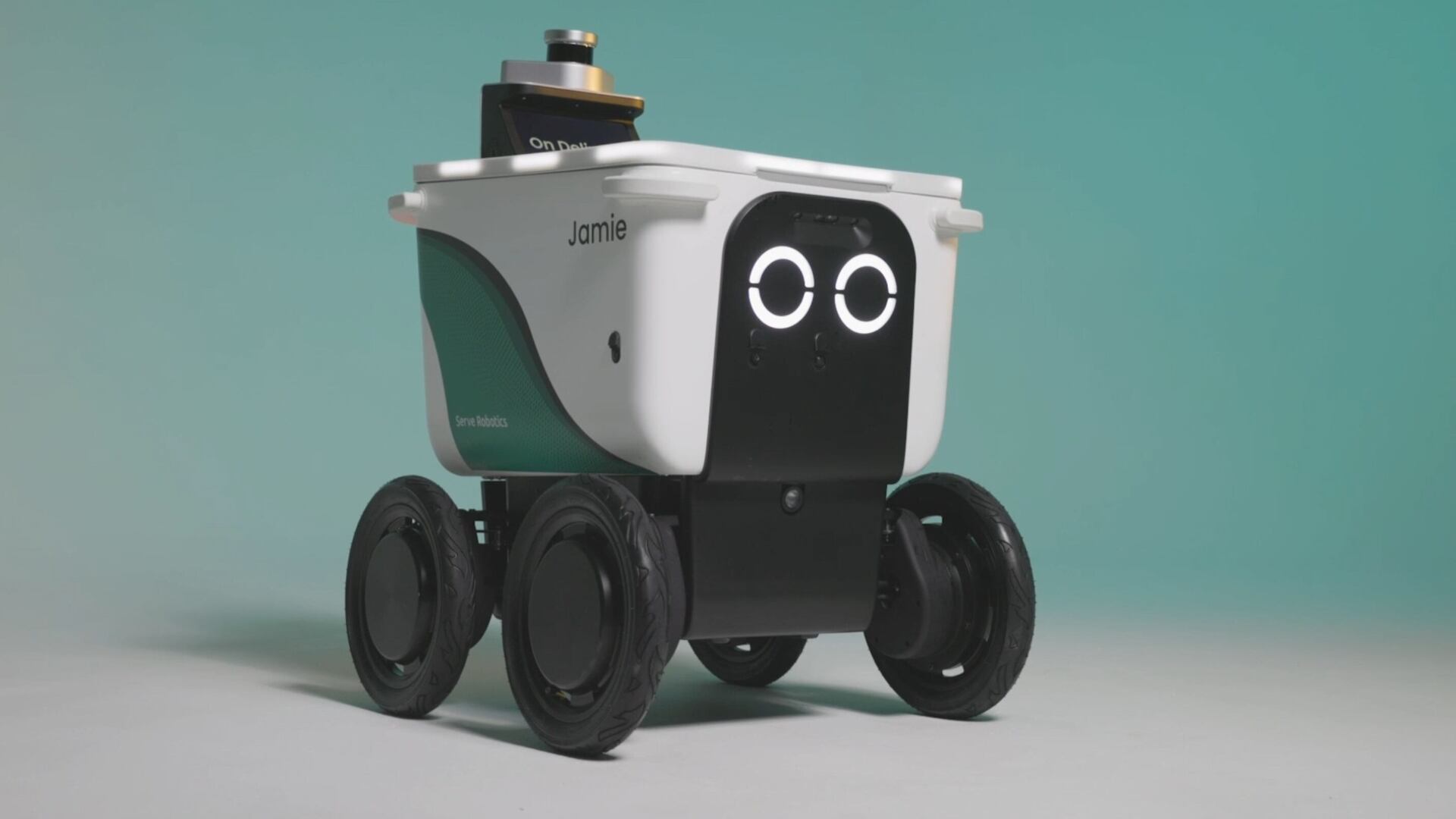
Glacier CEO Rebecca Hu-Thrams explains how AI-powered robots are making recycling smarter, reducing landfill waste, and transforming the future of waste.
Deep Fission CEO Liz Muller discusses underground nuclear reactors, powering AI, cutting energy costs, and why the future of clean power may be below ground.
Adidas shares how FIFA World Cup 2026 will drive innovation, fan engagement, and billions in opportunity with new gear, technology, and business strategy.
Kristian Kerr, Head of Macro Strategy at LPL Financial, breaks down the firm's 2026 Mid-Year Outlook, recession risks, AI, the Fed, and what's next for markets.
Jess Inskip, Director of Investor Research at StockBrokers.com, breaks down Q2, the AI trade, Fed policy, earnings, and where investors should look next.