Amazon Raises Minimum Wage to $15 for All Employees
*By Carlo Versano*
Amazon said Tuesday it will raise the minimum wage for all its workers in the U.S. to $15 an hour.
The e-commerce giant announced in a [blog post](https://blog.aboutamazon.com/working-at-amazon/amazon-raises-minimum-wage-to-15-for-all-us-employees) that the change would be effective Nov. 1, include all full-time, part-time, and seasonal employees and that there would be no conditions attached to the raise.
Further, Jay Carney, the former Obama press secretary who heads Amazon ($AMZN) corporate affairs, said the company will advocate for an increase in the federal minimum wage, which has been at $7.25 since 2009.
The company said 250,000 employees and 100,000 seasonal hires will benefit from the changes. Whole Foods employees, who have begun organizing for a union, will be included. Amazon bought Whole Foods last year for nearly $14 billion.
In a press release, Amazon CEO Jeff Bezos said, "We listened to our critics, thought hard about what we wanted to do, and decided we wanted to lead."
Amazon has been under increasing pressure from Congress, led by Sen. Bernie Sanders (I-VT), over wages and work conditions at its fulfillment centers.
The U.S. economy is being held up in part by the AI boom, but that boom could still lead to broader prosperity or inequality, says a Nobel Prize winner.
Foundation Robotics co-founder Michael LeBlanc explains how humanoid robots are moving from the lab to military and industrial missions and what comes next.
Jeff Burnstein, President of the Association for Advancing Automation (A3), discusses humanoid robots, AI, smart manufacturing, and the future of U.S. industry.
Should kids be banned from social media? Nick Lichtenberg of Fortune breaks down the global push to restrict under-16 users and what it means for Big Tech.
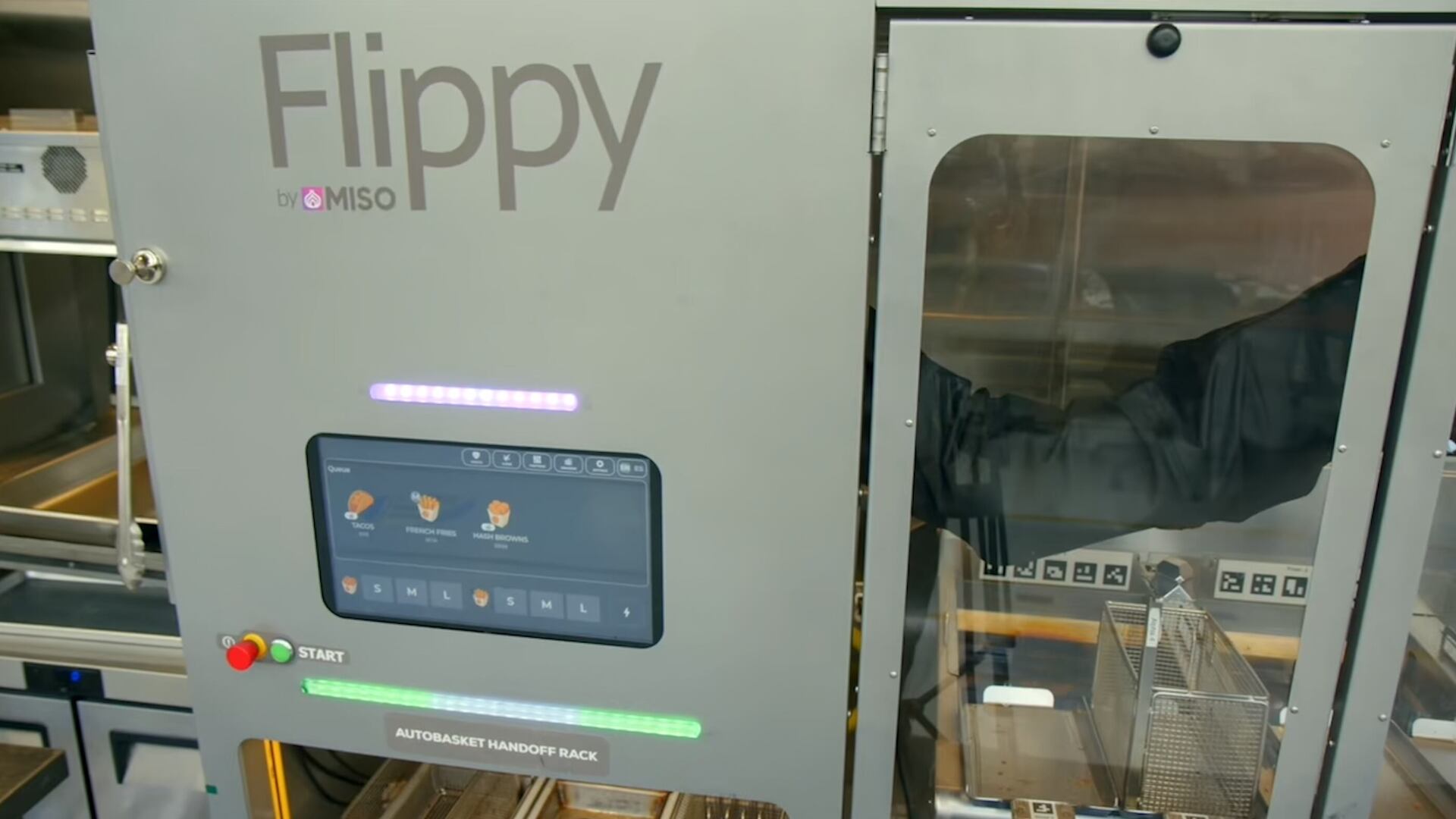
Miso Robotics CEO Rich Hull discusses Flippy Fry Station, the future of AI-powered restaurant automation and how acquiring Zume's IP could reshape food robotics
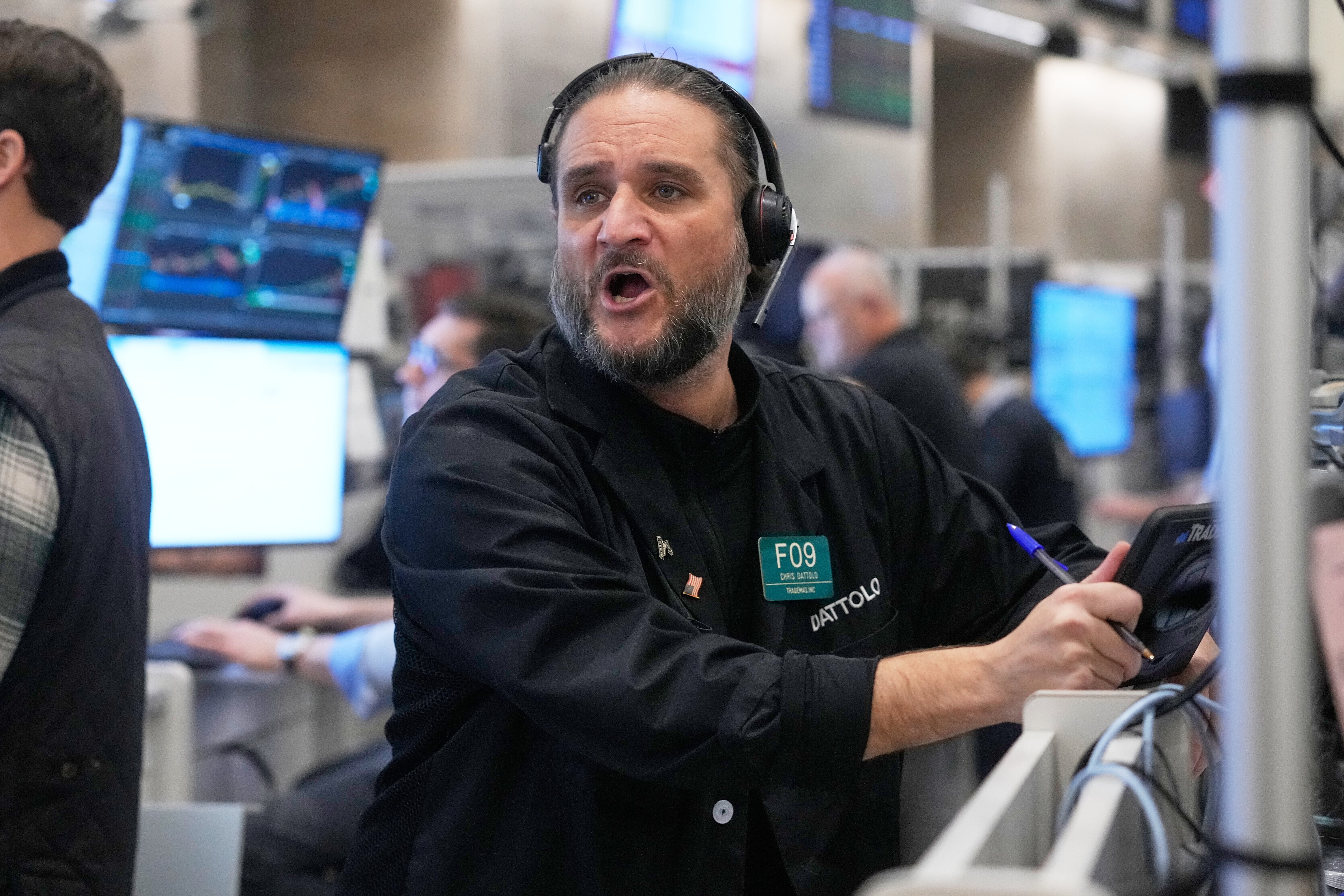
After two years of AI-fueled spending, Wall Street is asking what's next. Gil Luria breaks down monetization, valuations, winners, losers, and AI's future.