The Airbnb app icon is seen on an iPad screen, Saturday, May 8, 2021, in Washington. Airbnb will allow its employees to live and work almost anywhere around the world, fully embracing a remote work policy to attract staff and ensure flexibility. The San Francisco short-term-stay company said late Thursday, April 28, 2022, that under the new policy, employees can work from the office, home or during their travels to 170 countries. (AP Photo/Patrick Semansky, File)
Airbnb will allow its employees to live and work almost anywhere around the world, fully embracing a remote work policy to attract staff and ensure flexibility.
The San Francisco short-term-stay company said late Thursday that under the new policy, employees can work from the office, home or during their travels to 170 countries.
Staff will still have to meet in person for regular team meetings and events, CEO Brian Chesky said in a message to employees. Salaries won't change if employees decide to move.
Employees can spend up to three months working in each country they visit every year but they will still need a permanent address for tax and payroll reasons, which involves a "mountain of complexities," but Chesky said the company is working on an open-source solution.
The new policy will put the company in a better position to hire and retain the best people by not “limiting the talent pool to a commuting radius around our offices," Chesky said. Remote work and flexibility “will become the predominant way that we all work 10 years from now," he said.
Millions of people switched to working remotely during the pandemic to limit potential exposure to COVID-19. Companies are beginning to ask those workers to come back to the office, at least on a hybrid basis, including other tech companies such as Facebook parent Meta and Microsoft.
Ed Mitzen, the CEO of Business for Good, explains how and why he’s giving back by funding businesses from marginalized entrepreneurs to push social change.
Dana D’Auria, co-CIO at Envestnet, breaks down how she’s expecting markets to perform as ‘cracks’ from the rate hike cycle slowly filter into the economy.
A large cargo ship lost power and issued a mayday call moments before it struck the Francis Scott Key Bridge early Tuesday, though it was still moving toward the span at a rapid speed.
Candace Mitchell Harris discusses her path from computer scientist to founder of beauty tech tool MYAVANA – and how it uses A.I. to analyze each person’s unique haircare needs.
Michael Harris, NYSE global head of capital markets shares what to expect from IPOs in 2024, including A.I. excitement and why interest rate cuts are always helpful.
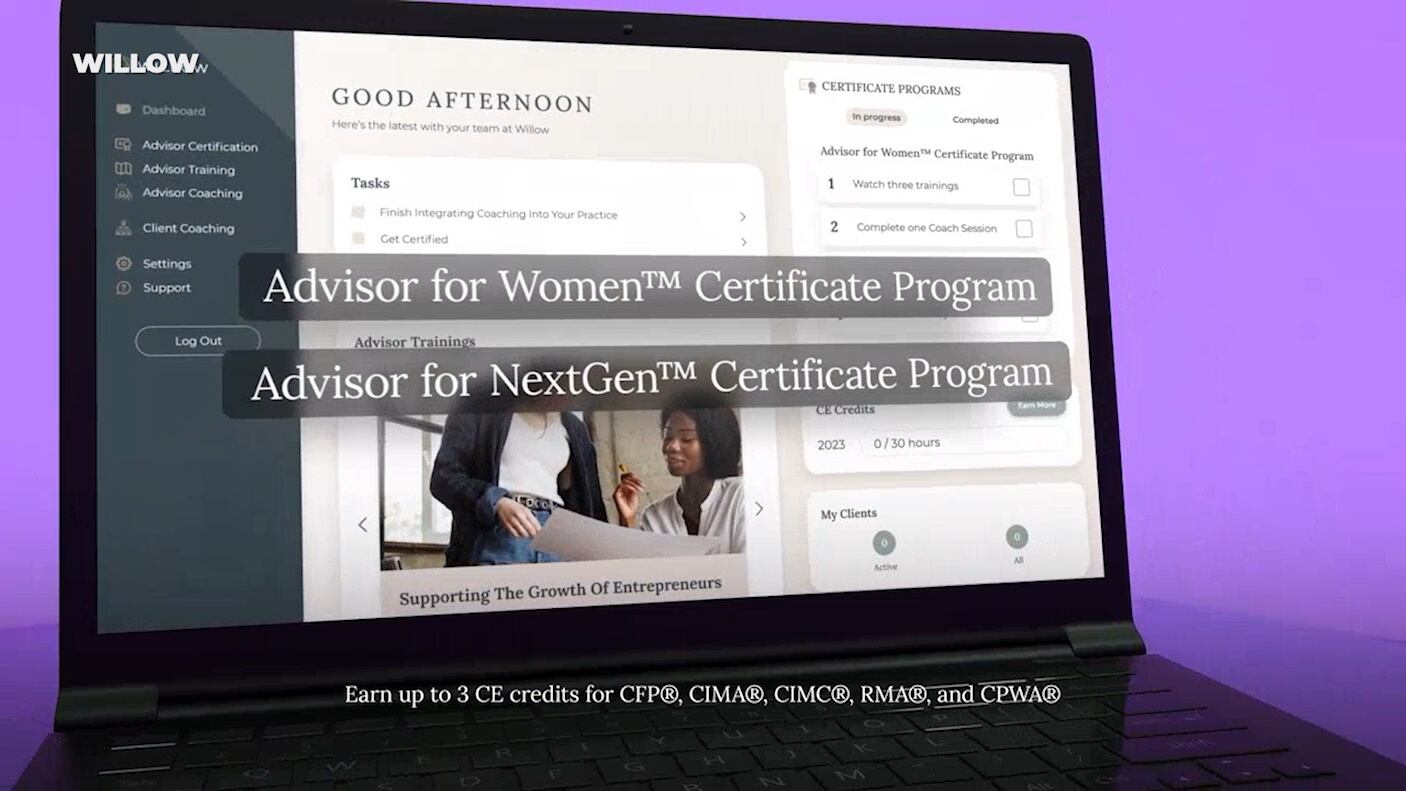
Lacy Garcia, Founder & CEO of Willow, shares why women, traditionally underserved by fintech, are looking for trust and a personal relationship from their financial advisor.
Alexander Reed, CFA and CIO for Envisage Wealth, breaks down why he thinks rates could stay higher for longer and why real estate, utilities, and regional banks are sectors to avoid.
Big brands that have relied on TikTok videos to reach younger consumers do not appear to be panicking as they wait to see what happens. But they have started planning.
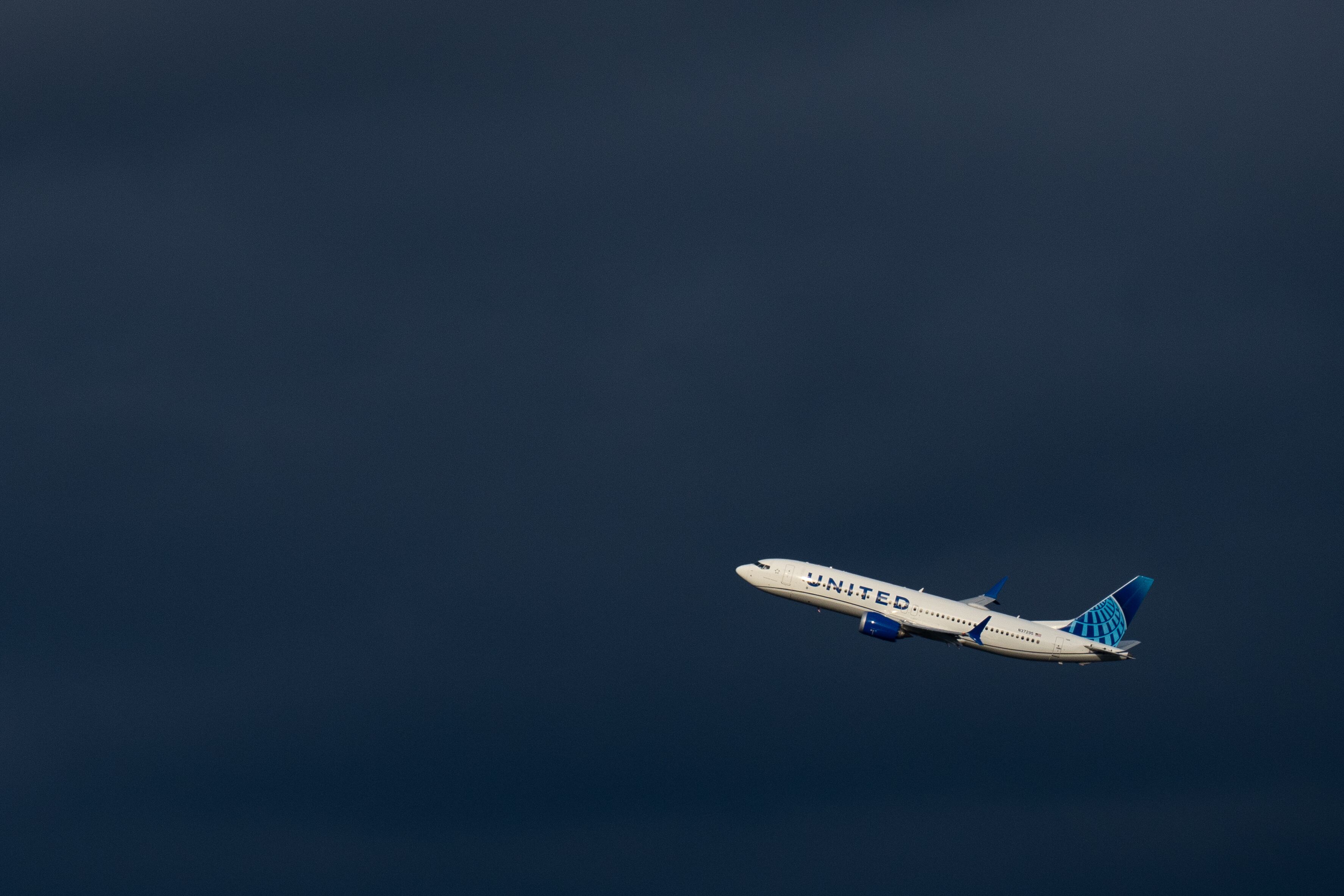
It's been 15 years since the last fatal crash of a U.S. airliner, but you wouldn't know that from a torrent of flight problems that made news in the last three months.