Air New Zealand wants to give passengers the option to lie down while they fly. The airline has filed patent and trademark applications for its "Economy Skynest" concept, which would modify the economy cabin in planes to include six full-length sleeping pods. The famously remote island nation would plug the sleeping pods into planes taking some of the longest flights in the world.
"We have a real history of innovation, and we want to push the boundaries as much as we can," Kerry Reeves, Air New Zealand's head of airline programmes, told Cheddar. "This is all about giving our customers, even in economy, the best possible choice of travel experience."
The pods are about 6.5 feet long and 22 inches wide. They include blankets, sheets, pillows, and privacy curtains. USB outlets and reading lights could be included as well.
Don't expect the Skynest on your next flight though. The concept is still in development.
"At this stage, we're still very much in the exploration stage of the concept," Reeves said. "We've taken it right through feasibility. We know we can do this. We're just finalizing the viability of the concept before we give it the absolute go-ahead to put it on an aircraft."
The company put in three years of research and gathered feedback from 200 customers who tested prototypes at a hangar in Auckland.
With renderings of the concept now circulating, Reeves said the positive response has been resounding.
"The amount of interest from customers all around the world, many, many cultures, has been absolutely huge," he said.
Though the pods will be located in economy class, Air New Zealand has not yet announced what access to the pods might cost but said there is likely to be high demand.
Final approval of Skynest is set for 2021, at which point the company would begin the service on the 17-hour Auckland-New York route.
Astronauts will have to wait until next year before flying to the moon and another few years before landing on it. NASA on Tuesday announced the latest round of delays in its Artemis moon-landing program.
The Biden administration has enacted a new labor rule that aims to prevent the misclassification of workers as independent contractors. The labor department rule going into effect Tuesday replaces a scrapped Trump-era standard that lowered the bar for classifying employees as contractors
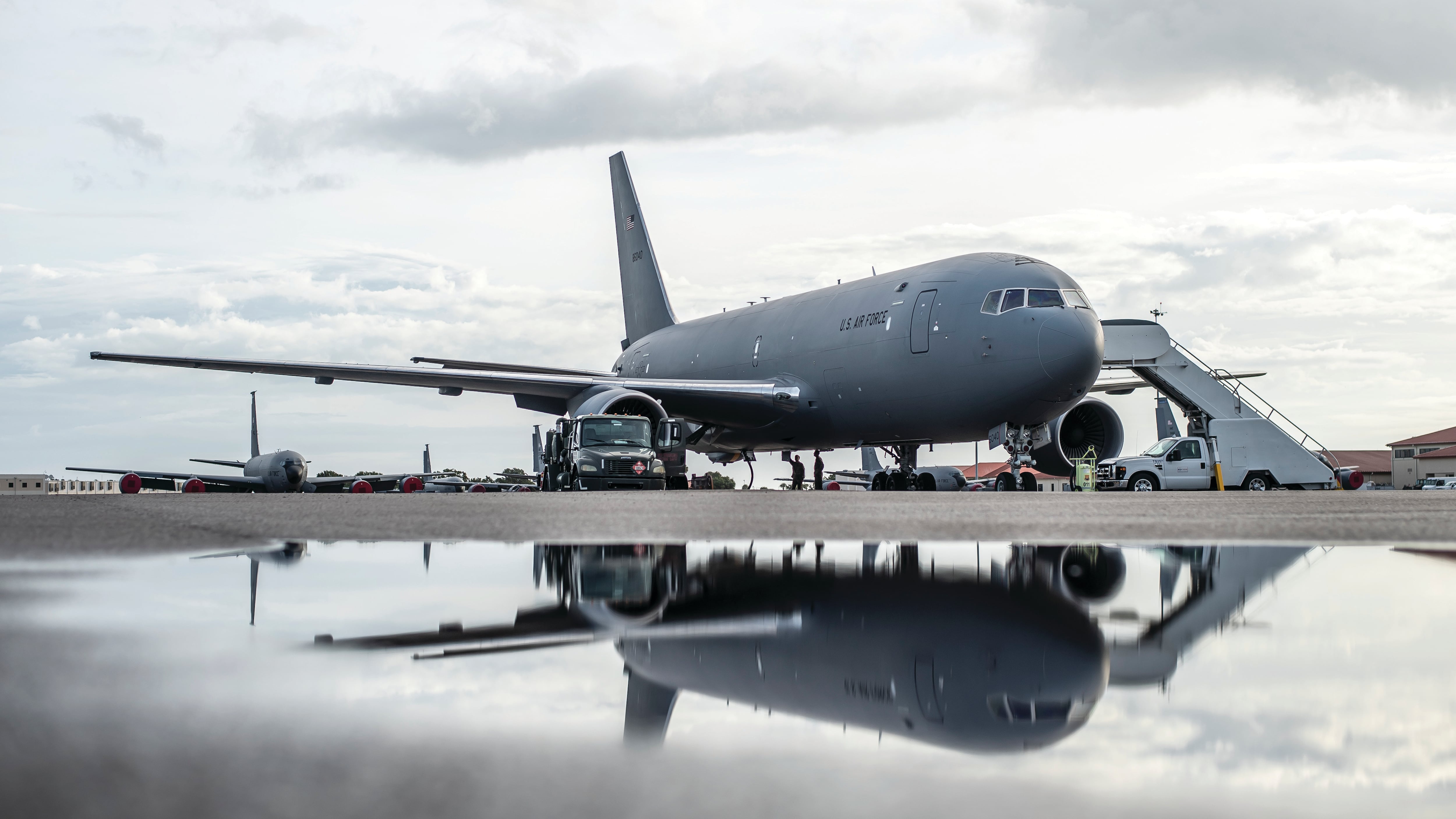
The KC-46 was to be the ideal candidate for a fixed-price development program. Instead, it has cost Boeing billions, and made industry wary of such deals.
Dave Long, CEO and Co-Founder of Orangetheory Fitness joins Cheddar to chat trends in the industry for 2024. He updates us on the company's plans to expand and what the state of the economy has meant for business.
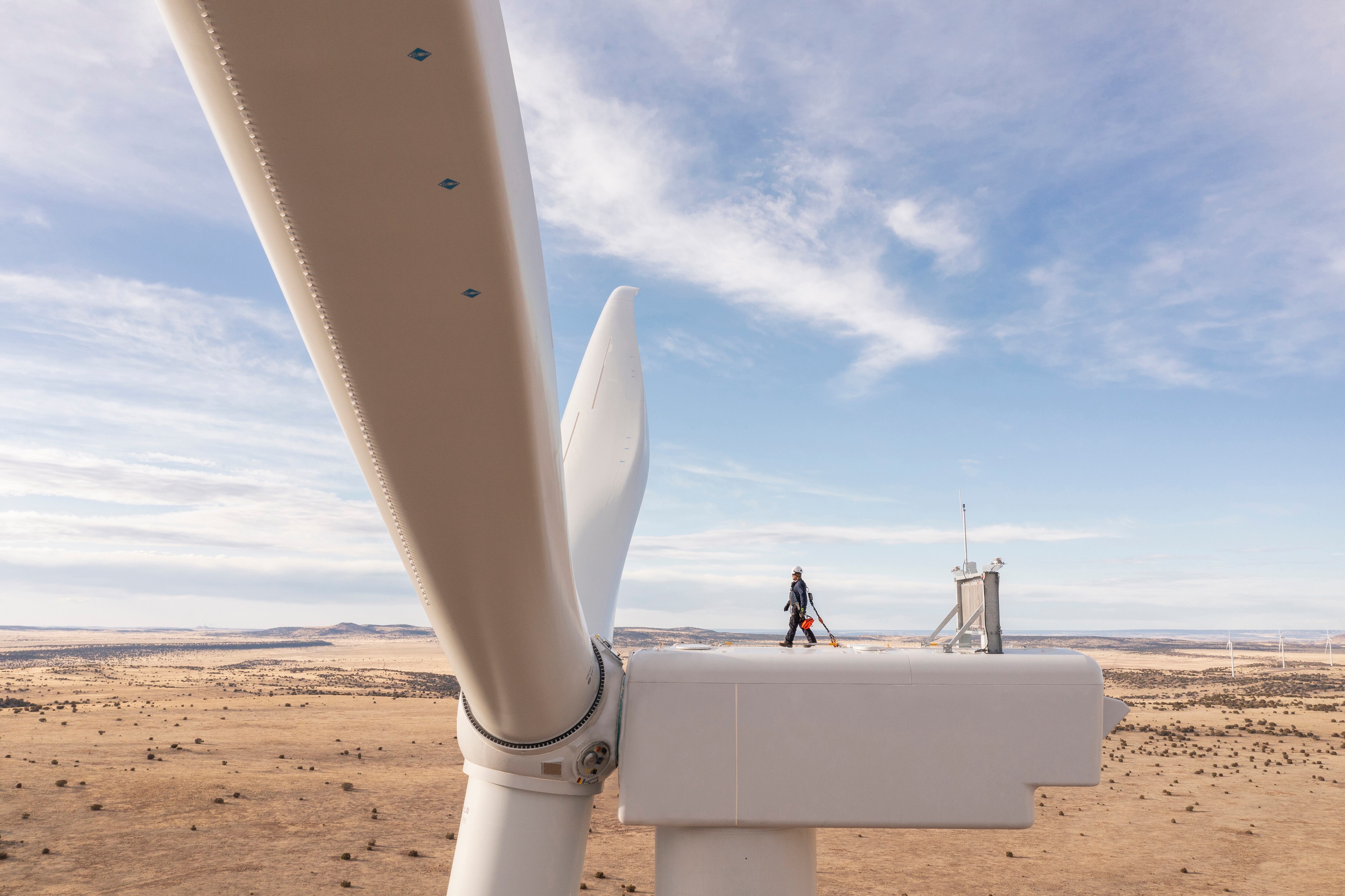
One of the world's largest renewable energy developers will be getting hundreds of wind turbines from General Electric spinoff GE Vernova as part of a record equipment order and long-term service deal.
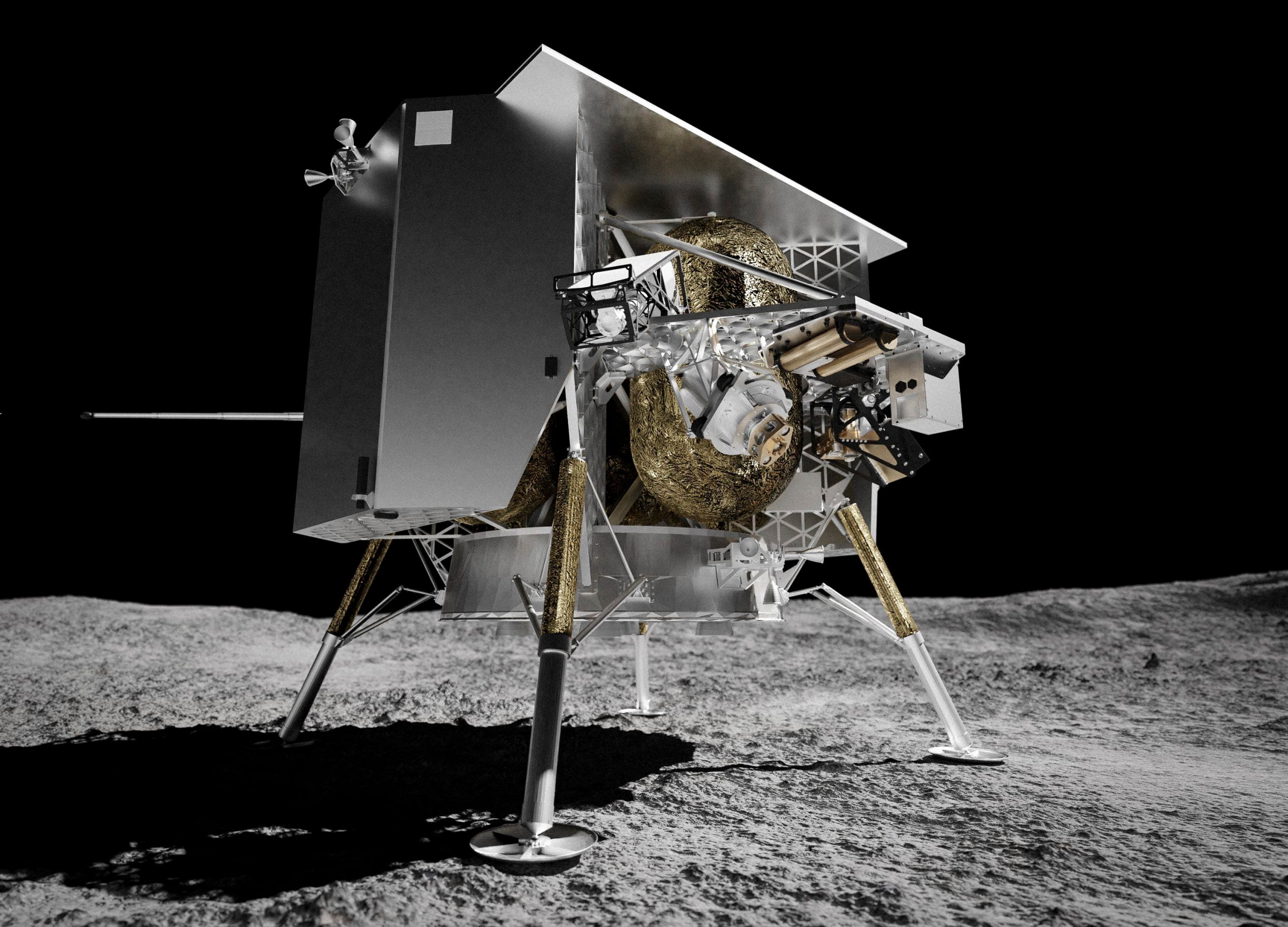
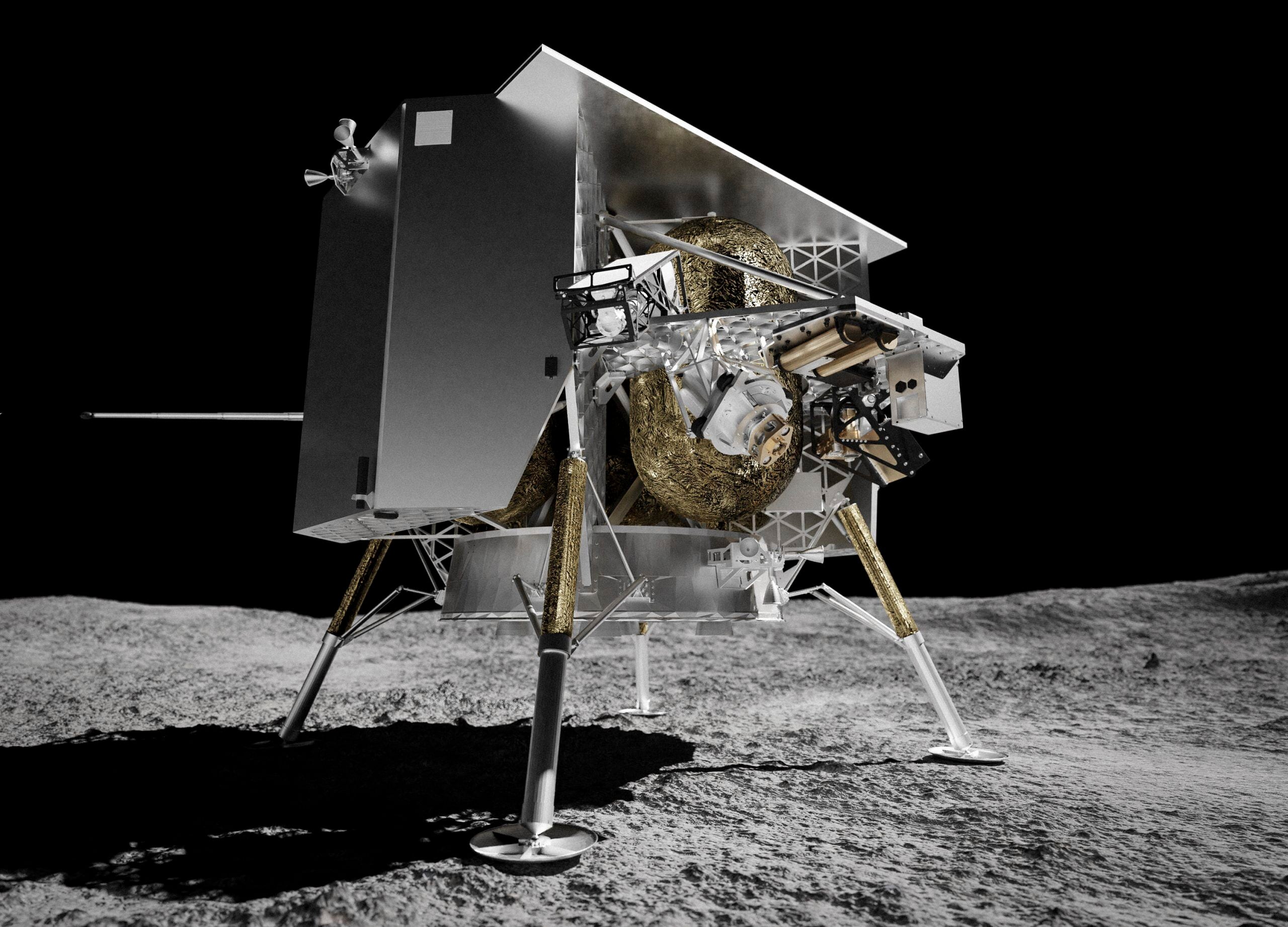
A moon landing attempt by a private US company appears doomed because of a fuel leak on the newly launched spacecraft. Astrobotic Technology managed to orient the lander toward the sun Monday so its solar panel could capture sunlight and charge its onboard battery.
Treasury Secretary Janet Yellen has announced that 100,000 businesses have signed up for a new database that collects ownership information intended to help unmask shell company owners. Yellen says the database will send the message that “the United States is not a haven for dirty money.”
A new version of the federal student aid application known as the FAFSA is available for the 2024-2025 school year, but only on a limited basis as the U.S. Department of Education works on a redesign meant to make it easier to apply.
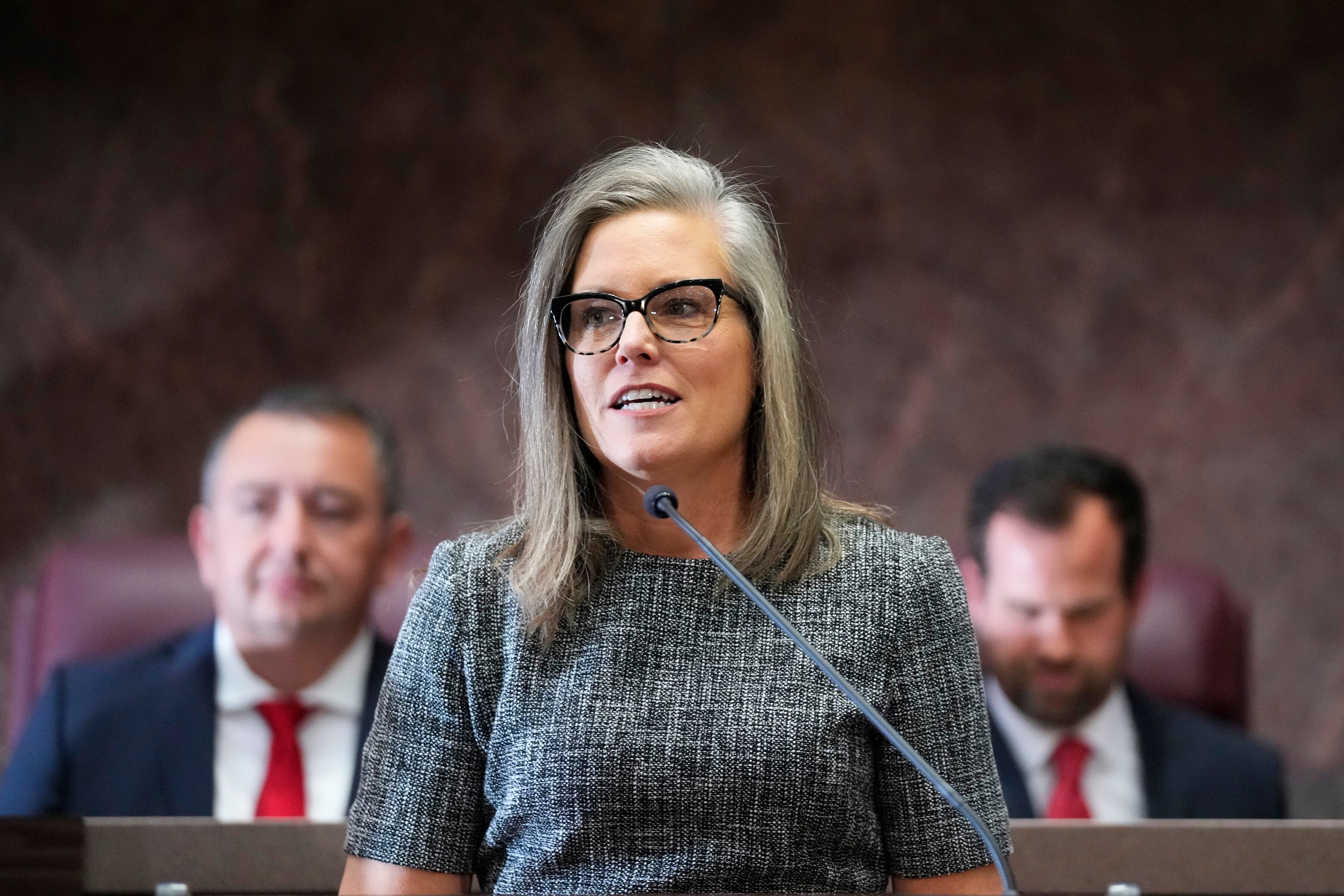
A steep budget deficit caused by plummeting tax revenues and escalating school voucher costs will be in focus Monday as Democratic Gov. Katie Hobbs and the Republican-controlled Arizona Legislature return for a new session at the state Capitol.