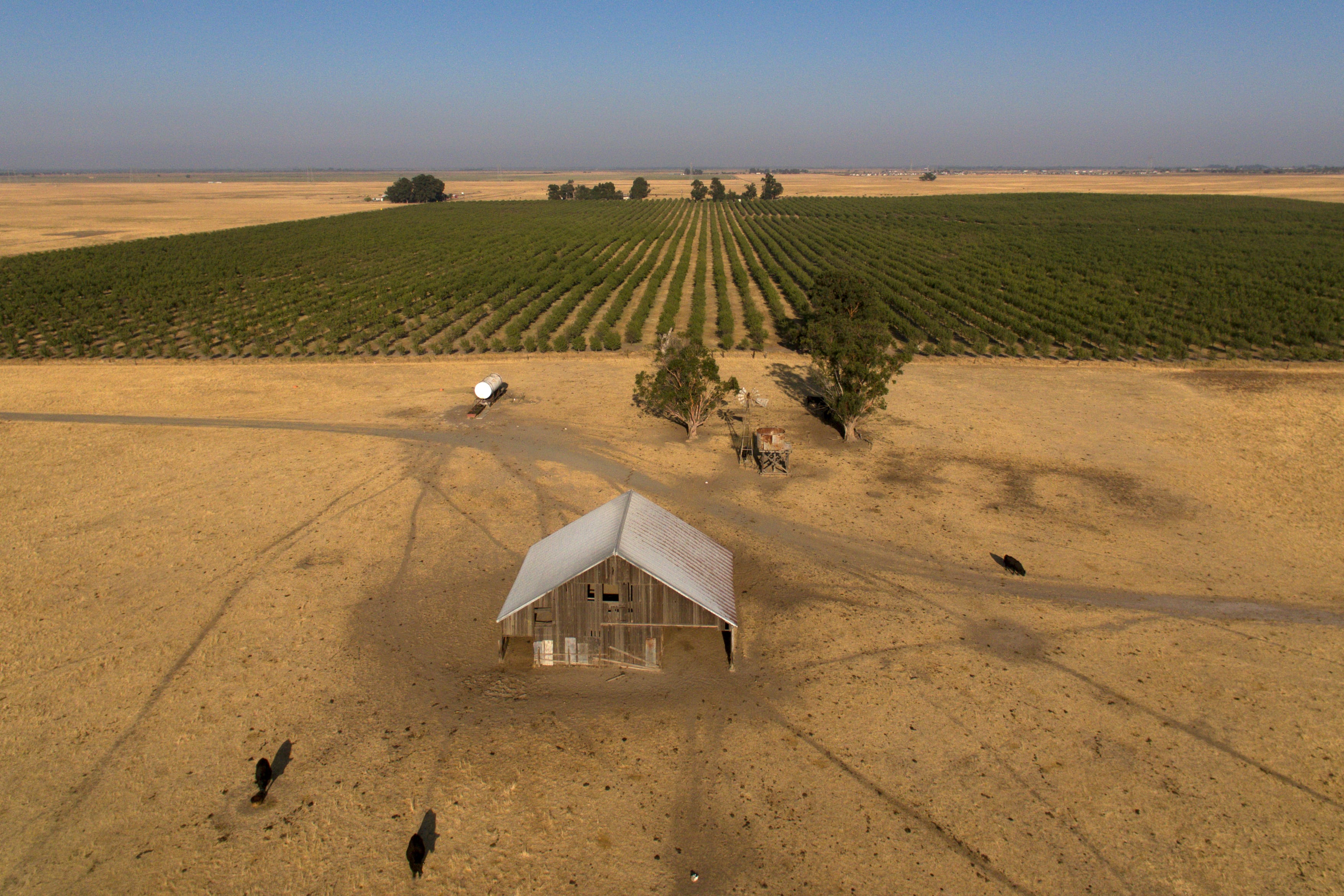
*By Madison Alworth* U.S. farmers are feeling the squeeze of tariffs, but Secretary of Agriculture Sonny Perdue insisted they understand why. "They are honorable people, they don't like people cheating," Perdue said Wednesday in an interview on Cheddar. The Secretary said that "customers" ー likely referring to China ー are fully responsible for the tensions. "We would love for these customers to come to the table and stop the practices that began the tariffs initially." This month, the federal government has distributed [$25.8 million](https://www.washingtonpost.com/business/2018/09/21/bailout-checks-begin-arriving-farmers-trumps-trade-war-escalates/?utm_term=.ccf99905c0d3) in bailout money to farmers who have been impacted by the trade disputes. The Trump administration has said it plans to allocate $12 billion in total relief money to farmers as exports to and from China slow ー or stop entirely. The three-part plan divides the bailout money among various agriculture sectors based on need and overall impact from tariffs. But not everyone agrees with the division and allocation of funds, and many farmers are still in the process of requesting aid and awaiting approval. According to the Washington Post, between Sept. 4 and Sept. 20, the USDA received 39,447 applications for aid, and as of last week, the department had only approved 7,851. Among the industries receiving bailouts are soybeans, cotton, dairy, corn, hogs, and wheat. Wheat farmers typically sell around 20 million bushels to China from March to June, but this year, no wheat was sold. Those farmers are now receiving 14 cents a bushel. The long-term goal is to stop the bailout ー and for trade to return to normal for both the government and the country's farmers. "The mantra is trade, not aid," Perdue said. "There's not a farmer in this country that would not rather have a good crop at a fair price than a government check." But the issue is further complicated by the farming cycle. Most of the crops in question were planted before the latest tariffs went into effect ー or were even announced, for that matter. "This is to keep them in business until the next time. This is not going to be to make them whole. It's not going to be the end all. But it's going to make up for decisions that were made after they put that crop in the ground," Perdue said. In the meantime, the future of trade remains uncertain, and farmers are naturally uneasy. "There's legitimate anxiety. It's like a drought ー when's it going to end?" Perdue said. Perdue continued to emphasize China's accountability, asking, "What's the end game? And that's really up to our customers to determine when they're going to stop the retaliatory tariffs." As of this week, no future trade talks have been announced between the U.S. and China. For full interview [click here](https://cheddar.com/videos/u-s-secretary-of-agriculture-on-the-impact-of-trade-wars-for-farmers).