U.S. markets had a strong open Monday morning on President Trump's announcement that U.S. and Chinese officials are willing to continue talks in an effort to de-escalate mounting trade tensions.
Speaking from the G7 summit in Biarritz, France, Trump said that Chinese negotiators had called U.S. officials and requested a new round of talks. "We'll be getting back to the table. And I think they want to do something," he said. "This is a very positive development for the world."
China's Foreign Ministry spokesperson Geng Shuang, however, said at a press conference Monday that he was not aware of any calls, but that the trade feud should be solved "through dialogue and consultation."
Meanwhile, Chinese Vice Premier Liu He said at an economics conference in Chongqing that China favored "calm negotiations" to resolve trade tension. "We resolutely oppose the escalation of the trade war, which is not beneficial for the U.S. or China. It is also not beneficial to the world," Liu said, according to multiple reports citing government transcripts.
By midday, the Dow was up more than 250 points, while the S&P 500 and Nasdaq Composite were up more than one percent. Yet the news came too late for Asian markets, which had plummeted by close Monday local time.
The Hang Seng Index in Hong Kong and the Shanghai Composite Index ended the day down 1.91 percent and 1.17 percent respectively. The Nikkei in Tokyo closed down 2.17 percent and South Korea's Kospi Index fell 1.6 percent.
On Monday, Trump also repeatedly lauded Chinese President Xi Jinping as a "great leader" and a "brilliant man" — a far cry from the "enemy" characterization that Trump gave Xi last week.
The enduring trade dispute between the U.S. and China, which has both ebbed and surged in recent months, significantly escalated last week. China announced on Friday that it would hit $75 billion worth of U.S. goods with new retaliatory tariffs and proceed with a steep tariff levied on U.S. vehicles and car parts.
In response, Trump announced that the U.S. would hike its 25 percent tariff on $250 billion worth of Chinese imports to 30 percent, and increase the forthcoming 10 percent tariff on $300 billion worth of goods to 15 percent. Friday's culmination sent U.S. stocks into a nosedive and led to an outcry from industry against the escalation.
Trump added he was confident that Liu's remarks on calm negotiations were sincere and were not a bid to quell market woes. "I think they want to make a deal. I think they should make a deal, and I think if they don't make a deal it will be very bad for China," he said during a press conference with President Emmanuel Macron of France.
At a separate event, Treasury Secretary Steven Mnuchin said Liu's remarks were "very significant statements" and that the U.S. was communicating with the vice premier, who is China's chief negotiator, through intermediaries.
China, nonetheless, urged the U.S. on Monday not to "miscalculate the situation" and to cease its "erroneous ways."
"China firmly opposes and rejects such stark trade bullying and maximum pressuring tactics," Shuang said. "I would like to remind the U.S. once again that threats and intimidation will never work on China."
In response to a question on the trade uncertainty fueling market volatility, Trump said "Sorry, it's the way I negotiate ... and it has done very well for me over the years."
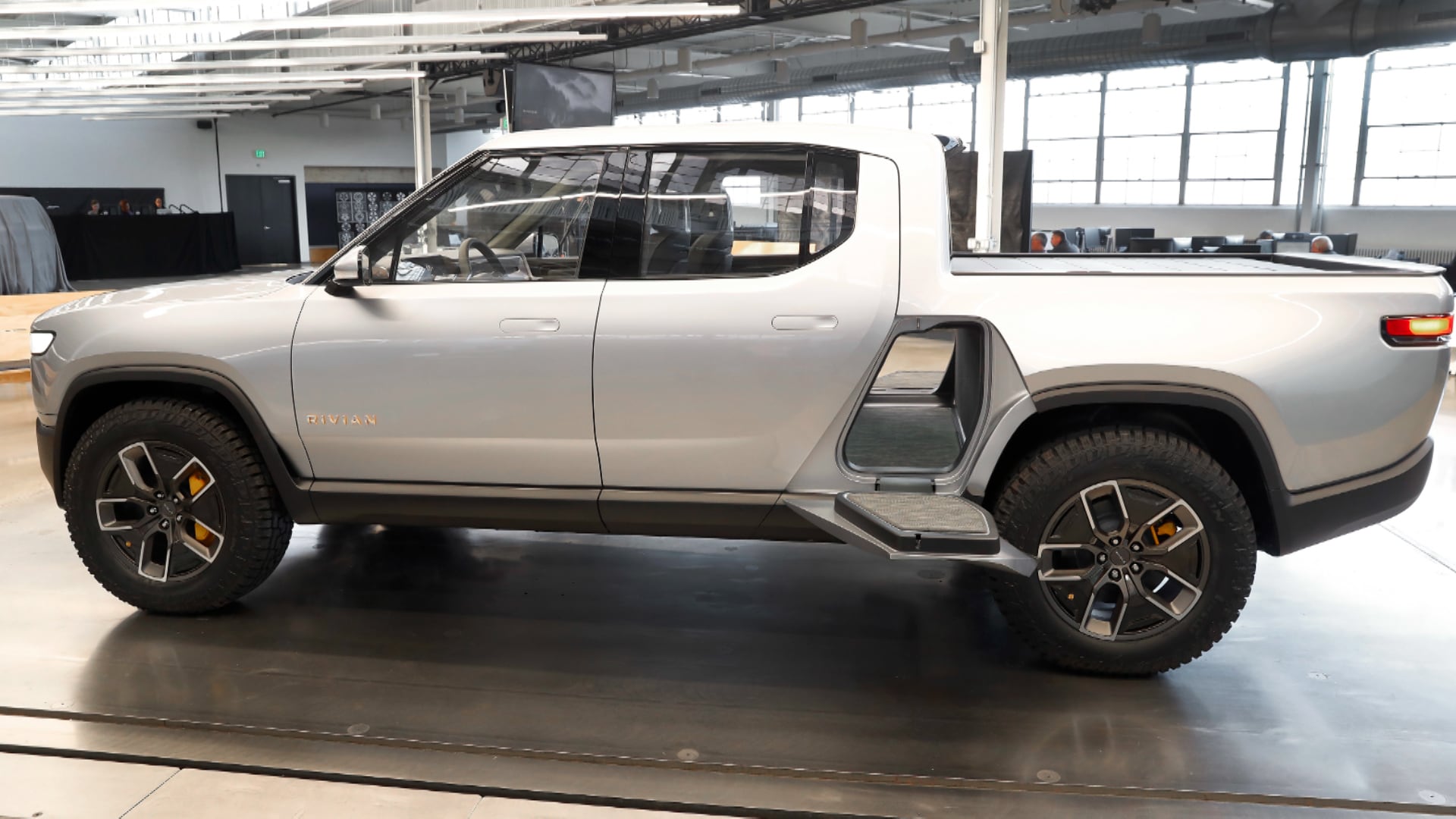
Asad Hussain, lead mobility analyst at data company PitchBook, joined Cheddar to discuss the blockbuster Rivian IPO. The electric truck maker's valuation jumped to more than $90 billion, signaling progress in the "multi-decade transformation in mobility," according to Hussain. He noted that electric automakers like Rivian, Tesla, and Lucid, will continue to lead electrification in being free to innovate and lacking the legacy issues facing traditional, combustion engine carmakers.
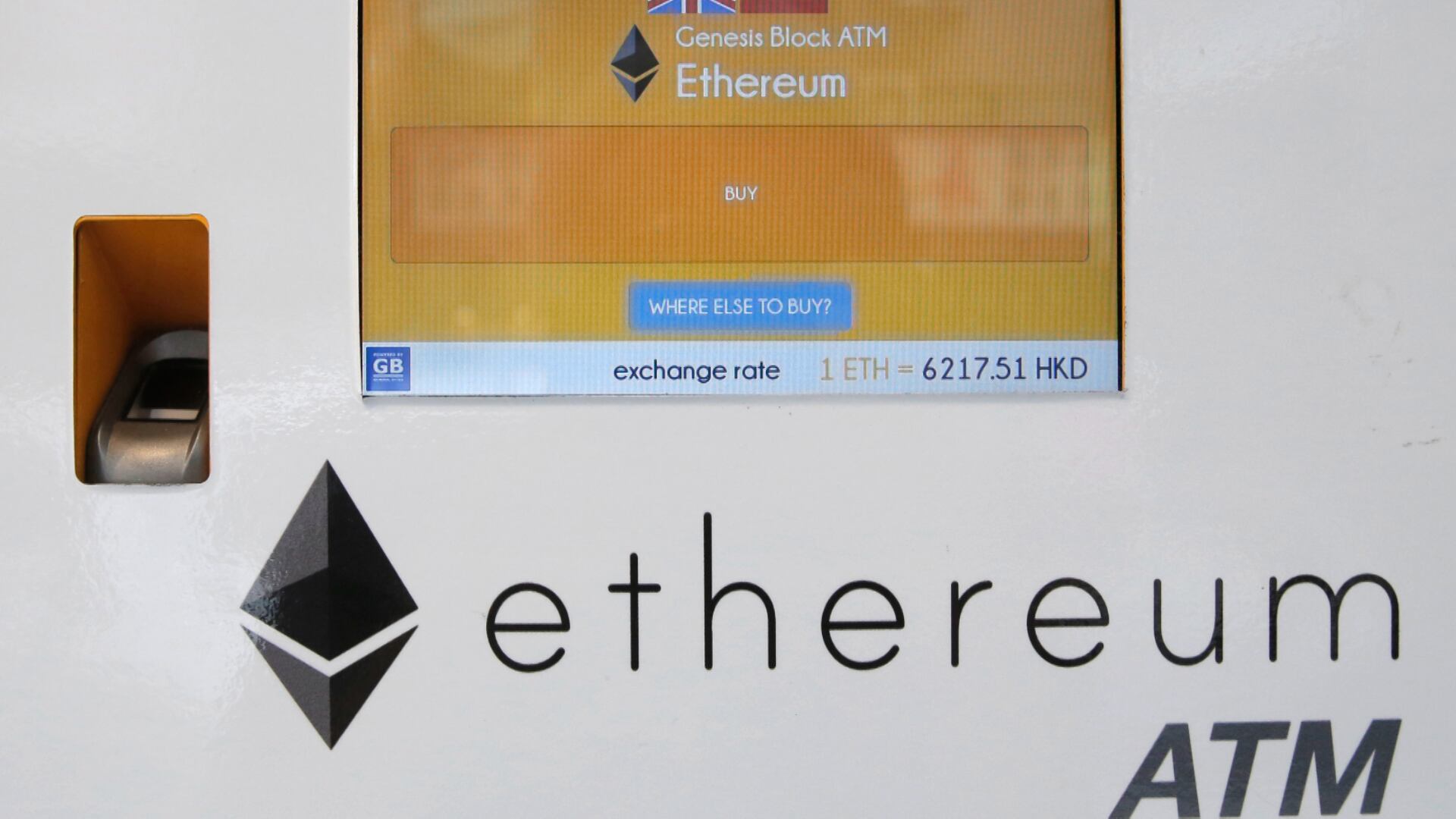
Coinbase reported third quarter earnings yesterday and revenue did not at all meet estimates, with the company saying that it also saw a staggering decrease of about 1.4 million customers in comparison to the previous quarter. This comes in the same week where bitcoin and ethereum, two of its most important digital assets hit record highs. Martin Gaspar, research analyst at CrossTower explains how a soft crypto trading quarter contributed to the less-than-ideal revenue outcome.
John Jannarone, Editor-In-Chief at IPOedge.com, joined Wake Up With Cheddar to discuss Riivian ahead of its public debut on the Nasdaq, as investors gear up for the biggest IPO for a U.S. company since Facebook.
DoorDash is set to acquire European-based food delivery company Wolt in an $8.1 billion deal. Ann Berry, chief investment officer at media platform Wheelhouse, joined Cheddar to discuss how this positions DoorDash in the prepared food and potentially the grocery delivery space. "I do think that what DoorDash is trying to be thoughtful about now is how to take that there's been a shift in consumer behavior in terms of mobile ordering and delivery and try and apply it to other categories," she said, also pointing to its partnership with beauty supply company Ulta.
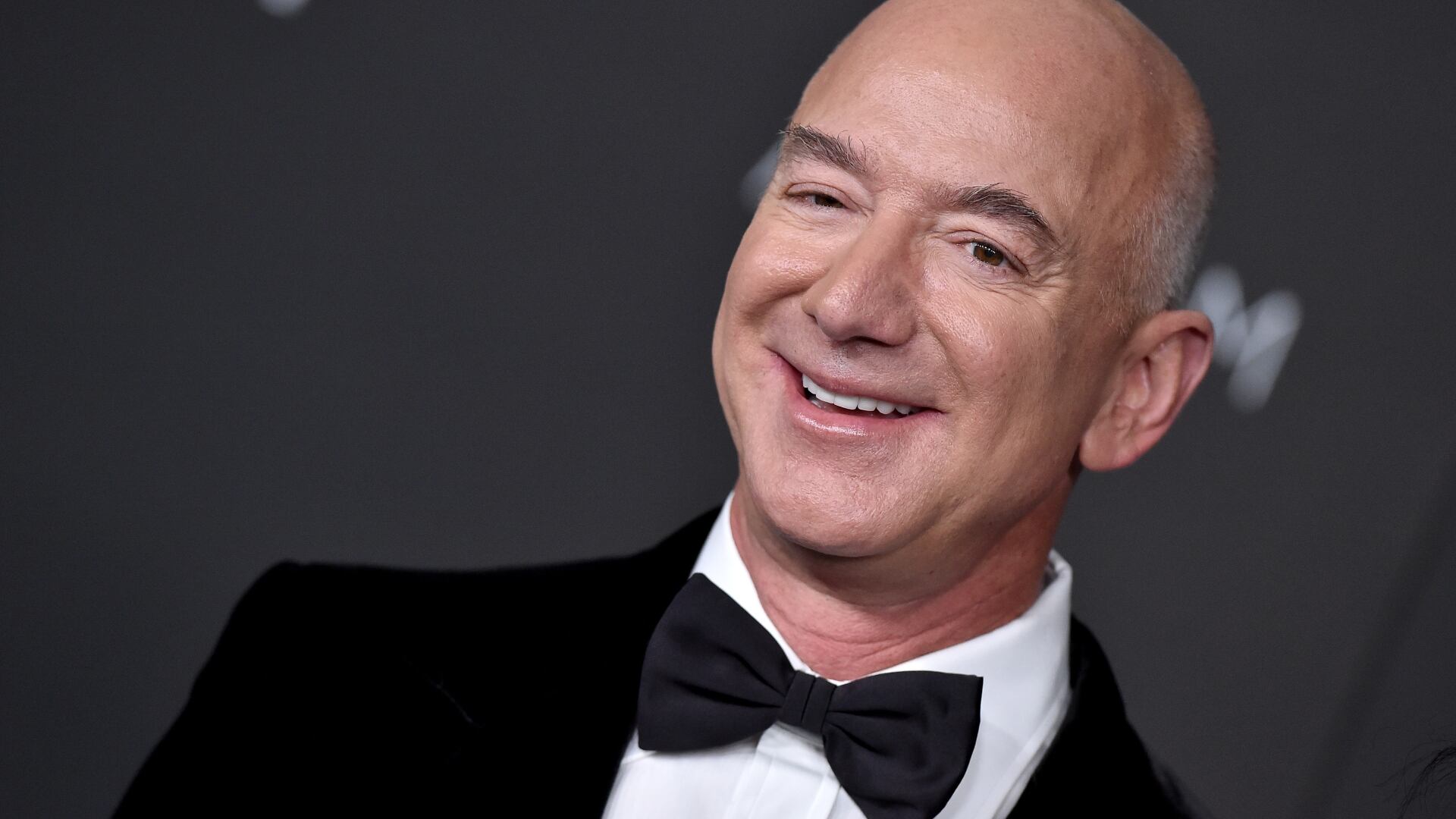
Amazon founder Jeffrey Bezos took to the stage at the U.N.'s COP26 Climate Summit to unveil a new plan to combat climate change, but some say it might do more harm than good. Justine Calma, Science Reporter at The Verge, joined Cheddar to discuss.
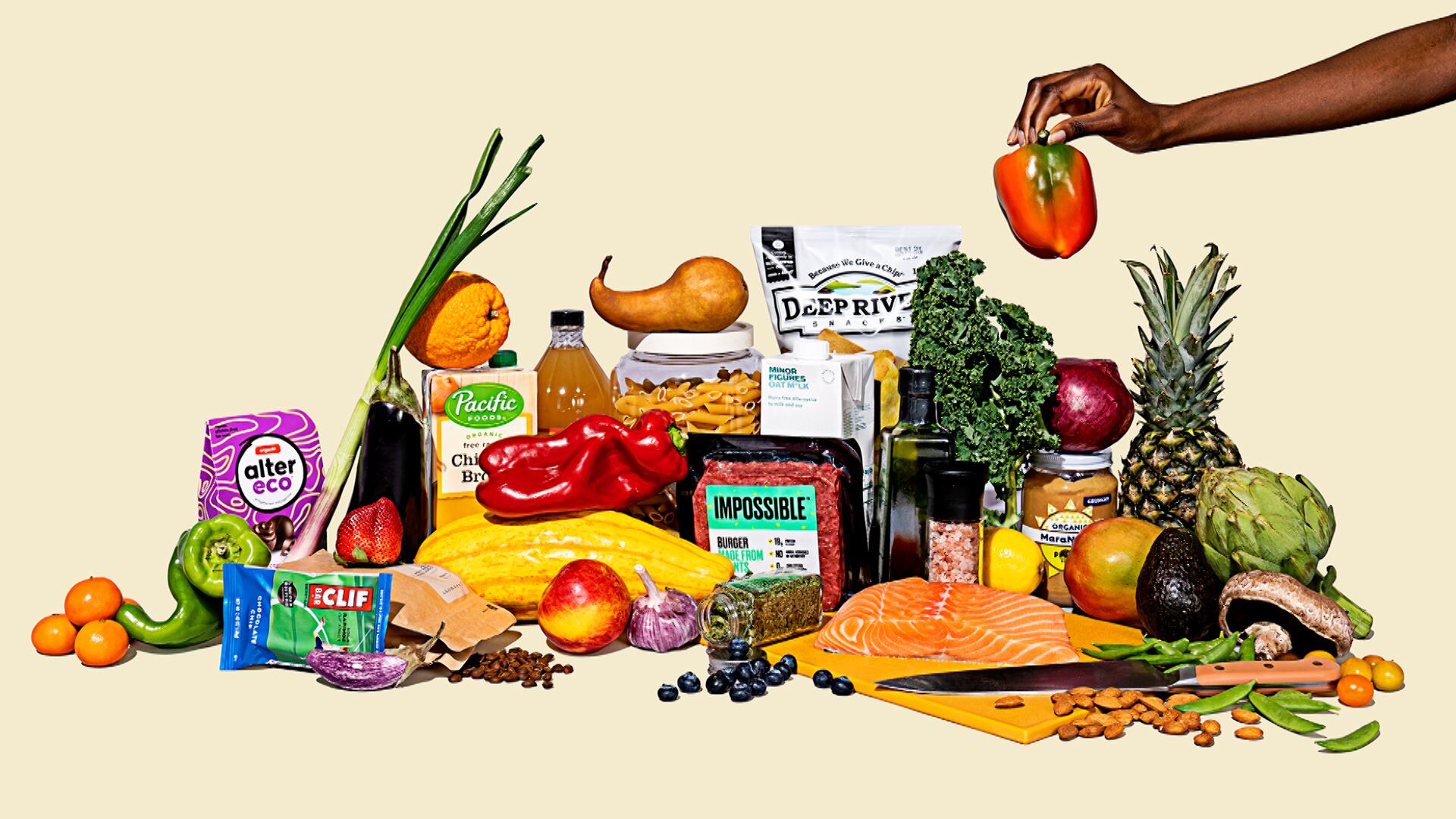
Misfits Market, the grocery delivery company that capitalizes on curbing food waste, expanded into California for the first time on Wednesday. Abhi Ramesh, founder and CEO, joined Cheddar to discuss the launch in the Golden State, after the company's beginnings in Philadelphia and experiencing a wave of growth amid the pandemic. He noted that the expansion was an opportunity to provide West Coast communities with fresh produce as "one in five California households are in food deserts and don't have access to fresh, healthy food."
George Seay, CEO of Annandale Capital, talks about the supply chain issues and labor shortages impacting the tech sector, and where to hedge as inflation rises.
The Justice Department has filed a lawsuit to block Penguin Random House from acquiring its rival Simon & Schuster. The DOJ hopes this will block the merger, which it says would ultimately hurt authors and consumers nationwide. Barry C. Lynn, executive director of the Open Markets Institute, joined Cheddar to explain what the lawsuit signals about the Biden administration's approach to cracking down on antitrust, and why Amazon might be next.
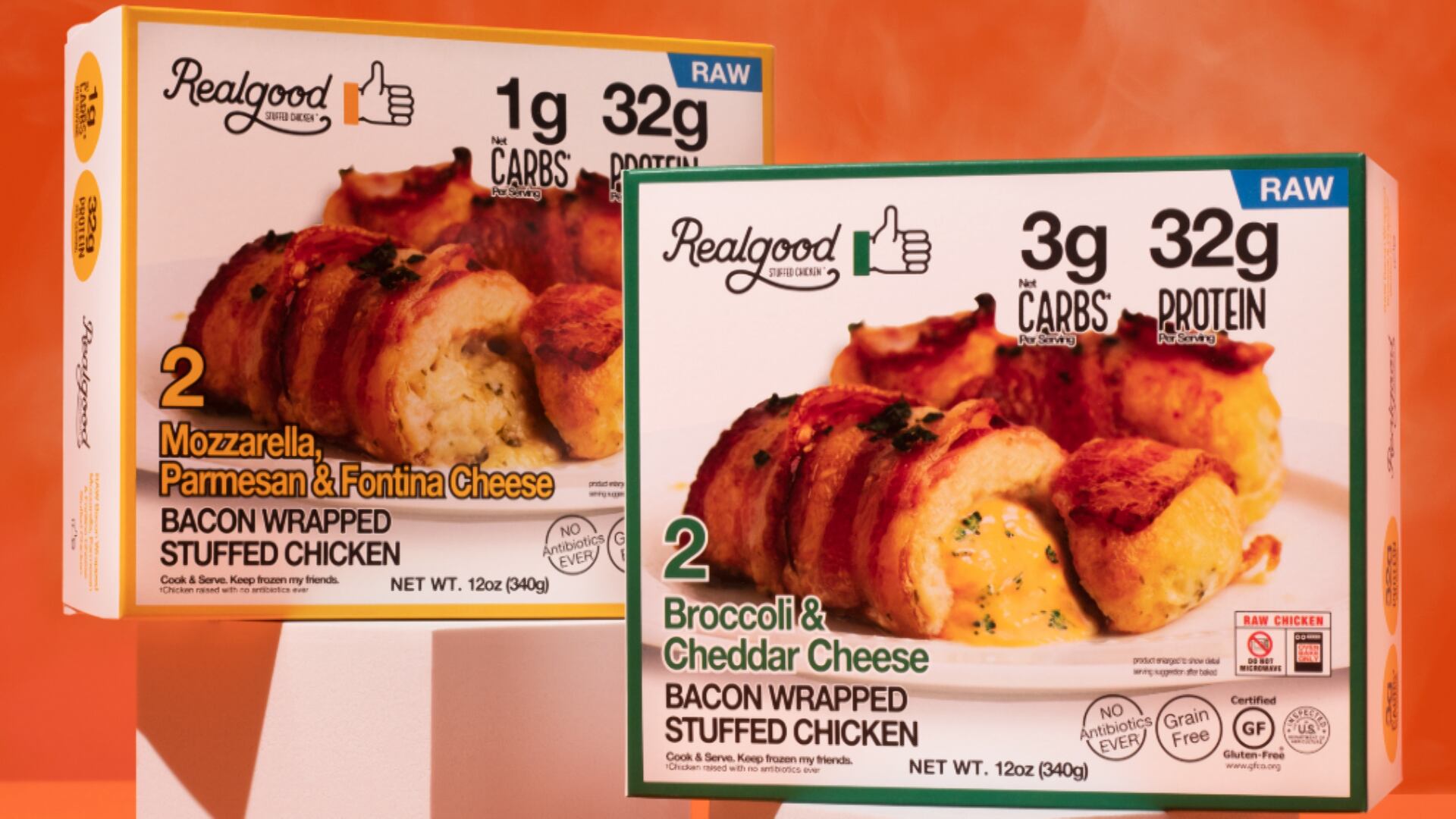
Bryan Freeman, Executive Chairman of Real Good Foods, discusses the need for healthy meal choices in the frozen food space and what expansion for the company looks like.
Lance Ippolito, Head Trader at The Future of Wealth, talks about the health of the tech sector amid the supply chain challenges and the catalysts fueling record highs on the stock market.