U.S. markets had a strong open Monday morning on President Trump's announcement that U.S. and Chinese officials are willing to continue talks in an effort to de-escalate mounting trade tensions.
Speaking from the G7 summit in Biarritz, France, Trump said that Chinese negotiators had called U.S. officials and requested a new round of talks. "We'll be getting back to the table. And I think they want to do something," he said. "This is a very positive development for the world."
China's Foreign Ministry spokesperson Geng Shuang, however, said at a press conference Monday that he was not aware of any calls, but that the trade feud should be solved "through dialogue and consultation."
Meanwhile, Chinese Vice Premier Liu He said at an economics conference in Chongqing that China favored "calm negotiations" to resolve trade tension. "We resolutely oppose the escalation of the trade war, which is not beneficial for the U.S. or China. It is also not beneficial to the world," Liu said, according to multiple reports citing government transcripts.
By midday, the Dow was up more than 250 points, while the S&P 500 and Nasdaq Composite were up more than one percent. Yet the news came too late for Asian markets, which had plummeted by close Monday local time.
The Hang Seng Index in Hong Kong and the Shanghai Composite Index ended the day down 1.91 percent and 1.17 percent respectively. The Nikkei in Tokyo closed down 2.17 percent and South Korea's Kospi Index fell 1.6 percent.
On Monday, Trump also repeatedly lauded Chinese President Xi Jinping as a "great leader" and a "brilliant man" — a far cry from the "enemy" characterization that Trump gave Xi last week.
The enduring trade dispute between the U.S. and China, which has both ebbed and surged in recent months, significantly escalated last week. China announced on Friday that it would hit $75 billion worth of U.S. goods with new retaliatory tariffs and proceed with a steep tariff levied on U.S. vehicles and car parts.
In response, Trump announced that the U.S. would hike its 25 percent tariff on $250 billion worth of Chinese imports to 30 percent, and increase the forthcoming 10 percent tariff on $300 billion worth of goods to 15 percent. Friday's culmination sent U.S. stocks into a nosedive and led to an outcry from industry against the escalation.
Trump added he was confident that Liu's remarks on calm negotiations were sincere and were not a bid to quell market woes. "I think they want to make a deal. I think they should make a deal, and I think if they don't make a deal it will be very bad for China," he said during a press conference with President Emmanuel Macron of France.
At a separate event, Treasury Secretary Steven Mnuchin said Liu's remarks were "very significant statements" and that the U.S. was communicating with the vice premier, who is China's chief negotiator, through intermediaries.
China, nonetheless, urged the U.S. on Monday not to "miscalculate the situation" and to cease its "erroneous ways."
"China firmly opposes and rejects such stark trade bullying and maximum pressuring tactics," Shuang said. "I would like to remind the U.S. once again that threats and intimidation will never work on China."
In response to a question on the trade uncertainty fueling market volatility, Trump said "Sorry, it's the way I negotiate ... and it has done very well for me over the years."
John Petrides, Portfolio Manager at Tocqueville Asset Management, joins Cheddar News' Closing Bell, where he breaks down Monday's market activity amid the emergence of the omicron variant, and what it could mean for the Fed's timeline when it comes to raising rates and tapering pandemic aid.
Amid continued volatility due to COVID-19, high inflation, and changing consumer and business behavior, what are investors thinking as we close out the fourth quarter and look ahead to 2022? Hady Farag, Partner and Associate Director at Boston Consulting Group, joins Cheddar News' Closing Bell to discuss what investors are prioritizing, what risks they are watching out for, and more.
Don Basile, CEO, Monsoon Blockchain & Founder of Bitcoin Latinum, joins Cheddar News' Closing Bell, where he explains why we're seeing major crypto investors look to purchase expensive pieces of art, and discusses what the NFT space could look like in the not-too-distant future.
Jack Constantine, chief digital officer and product inventor at Lush, joined Cheddar to talk about the cosmetic company's mass exodus from major social media platforms TikTok, Facebook, Instagram, and Snapchat, in the wake of recent reports that Instagram specifically had negative impacts on teen girls. He noted that with teenage girls being a large part of its consumer base and audience, Lush had a responsibility to market its company on outlets that prioritize mental wellbeing. "For us, we've always been a social brand, and it started to feel that social media was no longer offering what we felt we wanted to gain from it," he said. "And then obviously when you add that to the damage that it's causing, it just feels like a combination that we can't continue on with." The company also pulled out of social media platforms in 2019.
Jon Lowen, Co-Founder of Surfside, joined Wake Up With Cheddar's Baker Machado to discuss Uber's partnership with cannabis retailer Tokyo Smoke, as it's the first time a cannabis merchant has been listed on UberEats across all of its global markets.
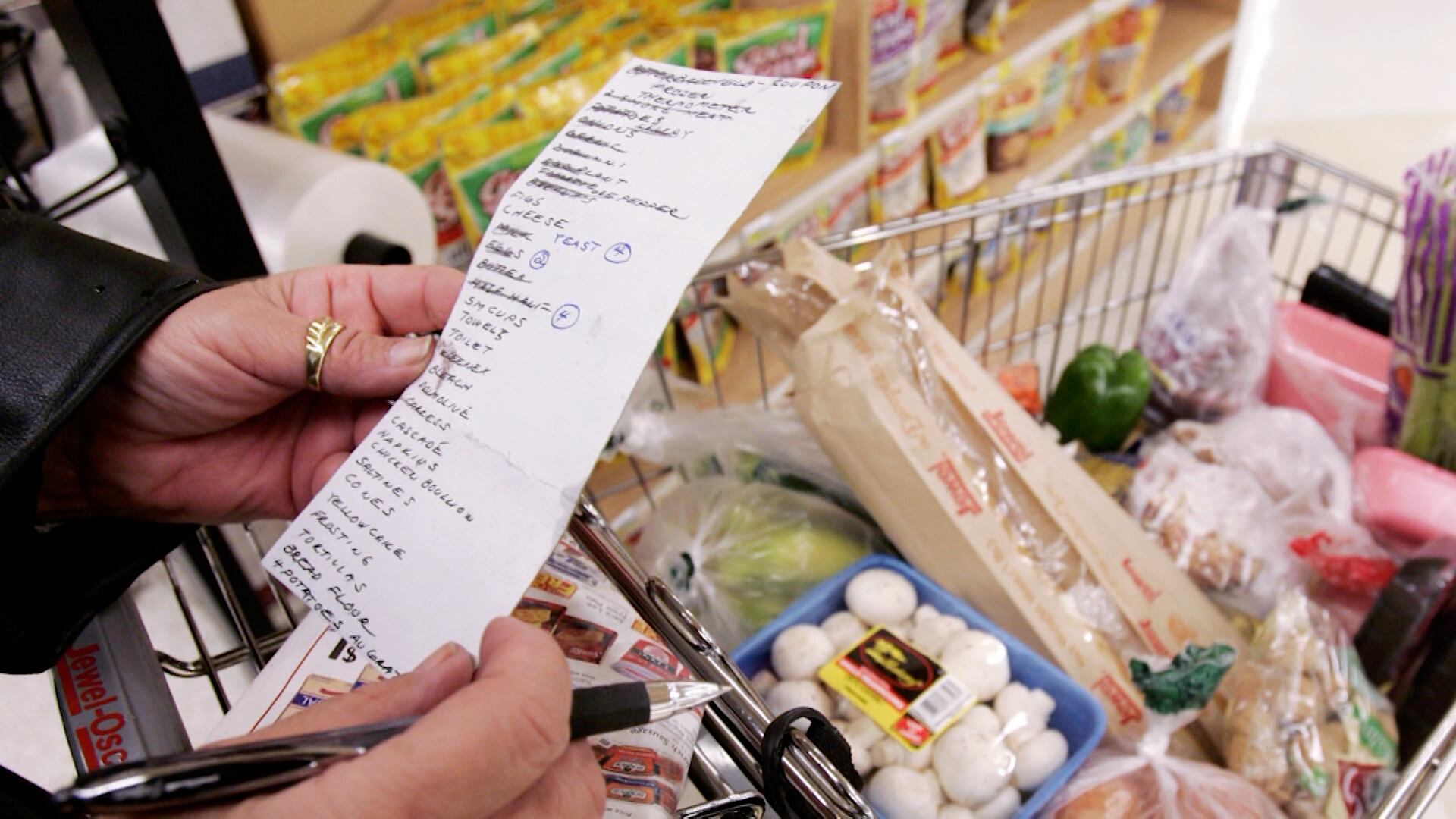
Financial Expert Jessica Weaver joined Cheddar's Jill Wagner to discuss some money-saving tips for Americans as inflation and supply chain issues herald the most expensive Thanksgiving meal yet.
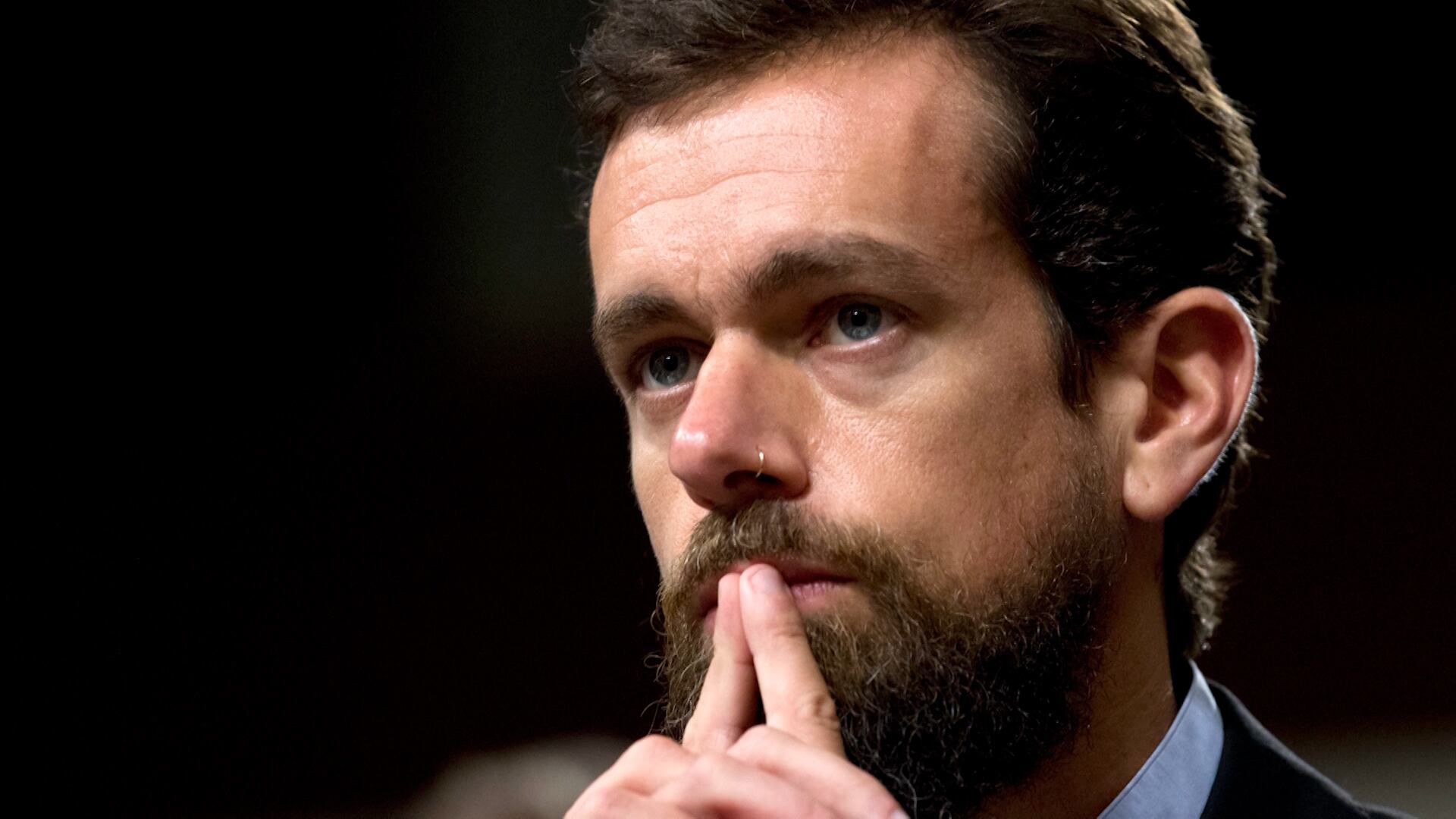
Jack Dorsey resigned from his post as CEO of the social media company on Monday and will be replaced by chief technology officer Parag Agrawal. Mitch Rubin, portfolio manager at RiverPark Long/Short Opportunity Fund, joined Cheddar to break down the move and what it means for investors in both Twitter and Square, the payment company that Dorsey also helms. "For the long-term, I think this is very positive news for both companies," he said. Rubin also talked about growing competition in the social media space and why Twitter continues to lag behind other major players.
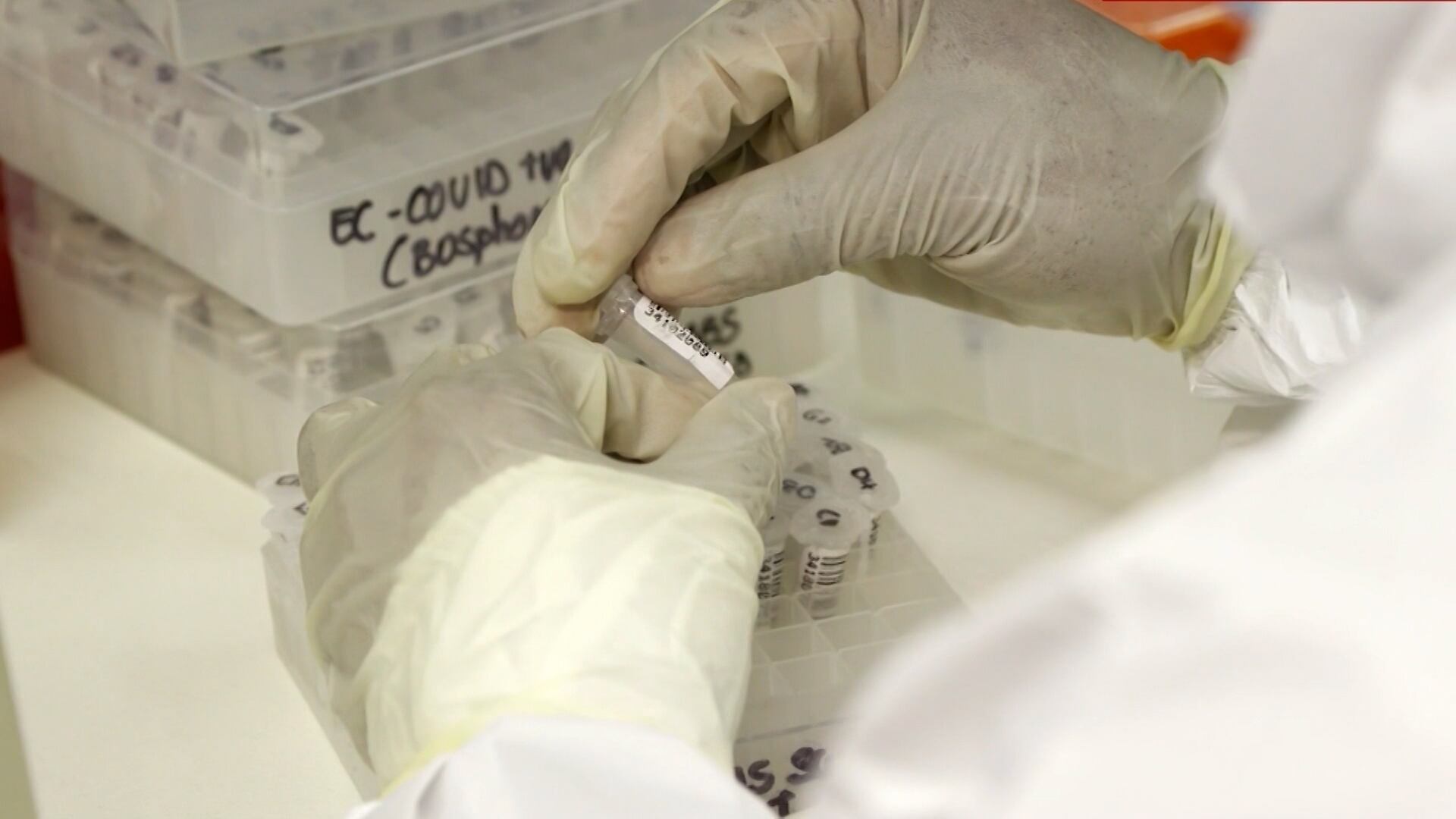
Friday saw big sell offs, with the Dow Jones posting its worst day since October 2020, falling 905 points, with the Nasdaq and S&P 500 each tumbling more than two percent as well. Much of that due to investor concerns over the new Covid-19 'Omicron' variant first detected in South Africa. Craig Erlam, senior market analyst at Oanda explains what investors should expect this week.
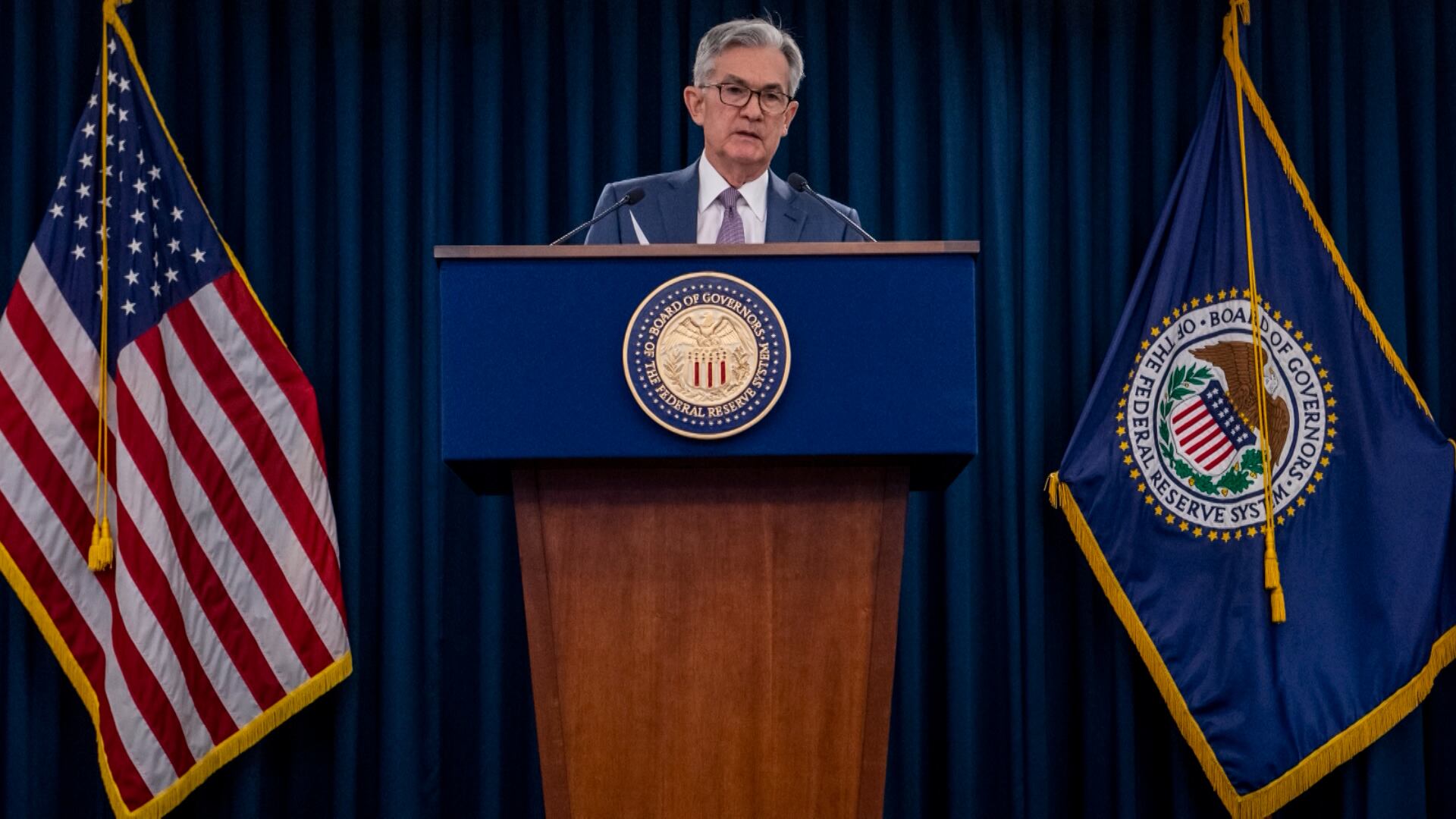
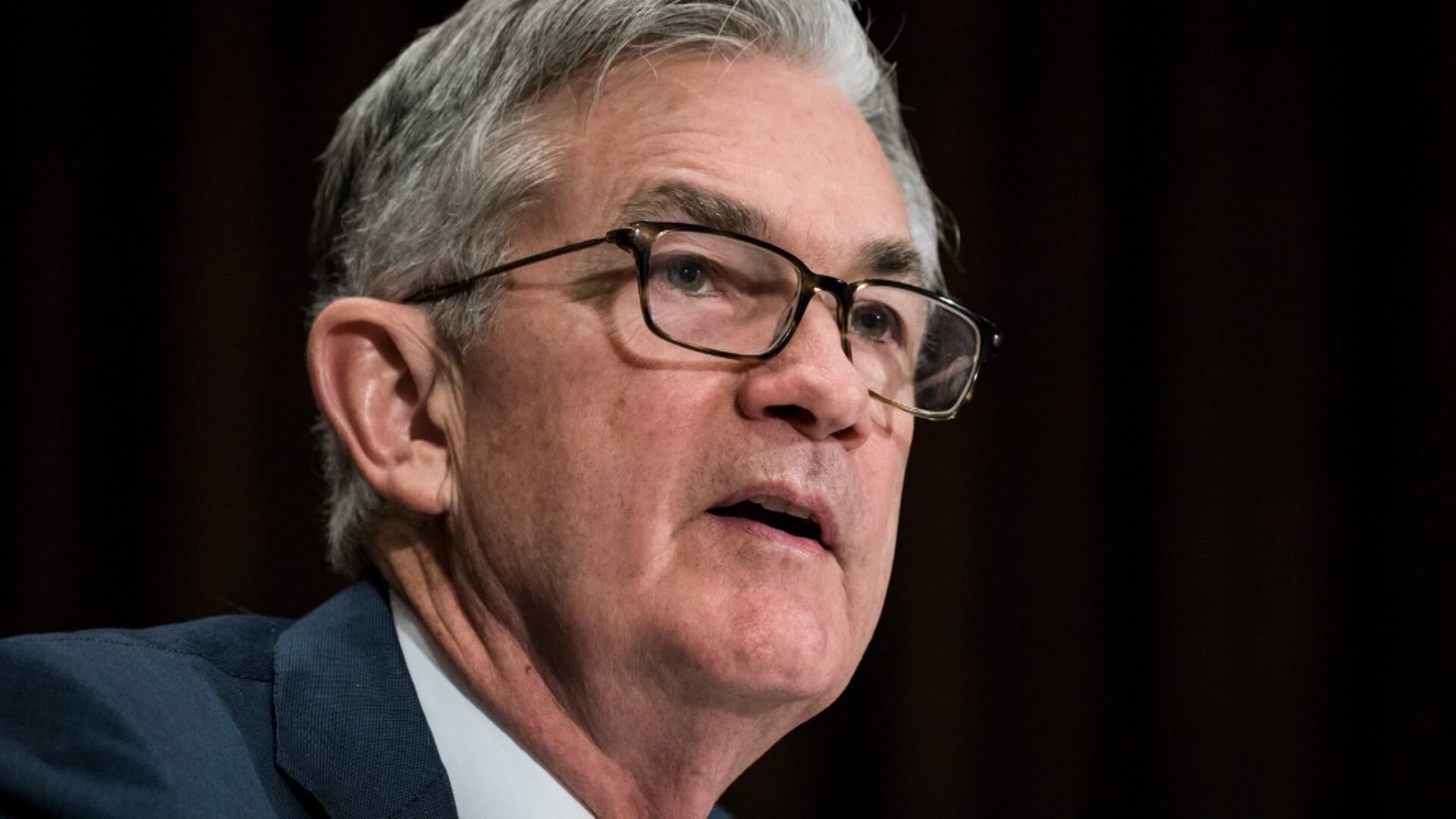
Earlier in the week, we saw President Biden nominate Jerome Powell to serve as Fed chair for another four-year term in the midst of the country’s struggles with covid, inflation, and supply unrest. Claudia Sahm, senior fellow at the Jain Family Institute and former Federal Reserve and White House economist explains why the markets saw a boost following the nomination.