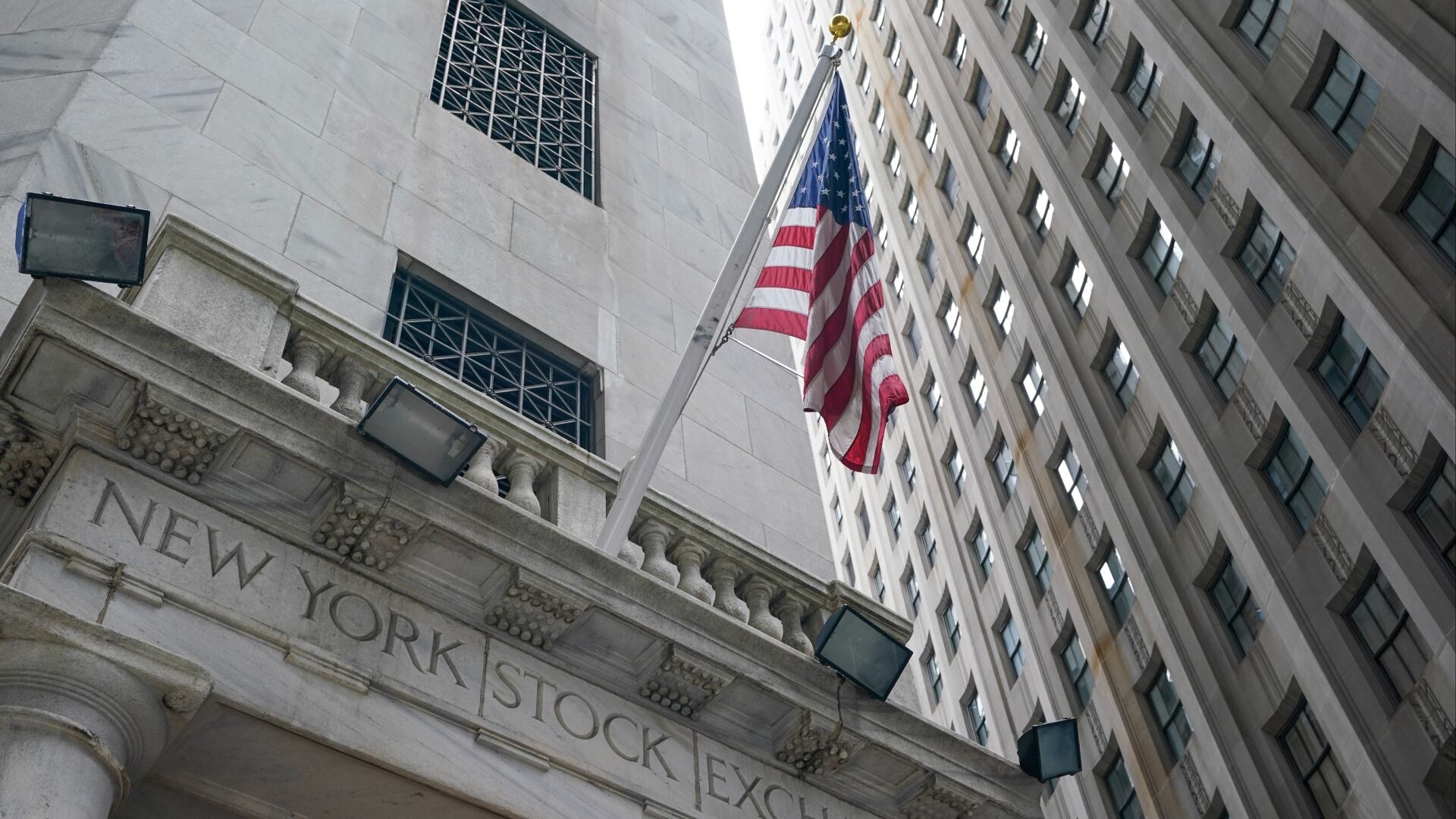
DoubleVerify ($DV), an advertising verification platform for some of the world's largest brands, made a strong public debut Wednesday on the New York Stock Exchange, popping 28 percent at the open and bringing its market cap to more than $5 billion.
CEO Mark Zagorski said a combination of "internal financial momentum" and high demand for its product amid a spike in digital advertising spurred the decision to go public.
"The combination of great internal metrics plus an environment that's just really ripe for our solution came together at the right time, and it was just a great opportunity for us to go out and tap into the public markets for additional capital to grow the business," he told Cheddar.
DoubleVerify sells software to companies allowing them to track their digital advertisements. This includes everything from basic analytics to fraud-tracking.
The ad-tech company made $244 million in revenue in 2020, up 34 percent growth from the previous year, according to Zagorski. He added that the past year has really proven the "resiliency" of the business model, which he stressed stands apart from other publicly listed ad-tech companies.
"Even as ad dollars fluctuate, where we sit in that kind of stack is we're a utility," he said. "When advertisers have less dollars to spend, every dollar they spend becomes that much more important. So, solutions like ours, which ensure that an ad isn't wasted on fraud or an impression that's not viewable or that goes to a bot, becomes that much more important."
To the regular internet user, DoubleVerify's presence is basically invisible. But for the advertiser, the verification software is crucial to make sure an ad is reaching its intended audience.
"When we do our job right, this is a seamless operation," Zagorski said.
With 15 global markets under its belt, DoubleVerify plans to continue expanding around the world. "Our solution is global in nature. Fraud doesn't have a regional home," he explained.
After the 2021 boom, IPO activity slowed down significantly, in part due to monetary policy – but things are getting moving again with tech-friendly companies like Iboutta and Rubrik making a public debut.
With an increasing demand for mental health services, one person wanted to change the therapy game. In 2017, CEO Alex Katz founded Two Chairs, a company that uses technology to match patients with the right therapist.
Not only is April Financial Literacy Month, it’s also the kickoff of the spring homebuying season. So now is the time to make sure you have a financial plan in place – and why it might not be wise for that to include buying your first home.
While the U.S. may slowly be on the path to lowering inflation (and therefore interest rates), Europe has thoroughly trounced America, putting it on the path to lower rates by this summer.
April's release of the monthly Housing Starts and Building Permits reports by the Census Bureau provides crucial insights into the construction activity in the housing market. These reports are an economic indicator, shedding light on the current state of the housing market and its broader economic impact.
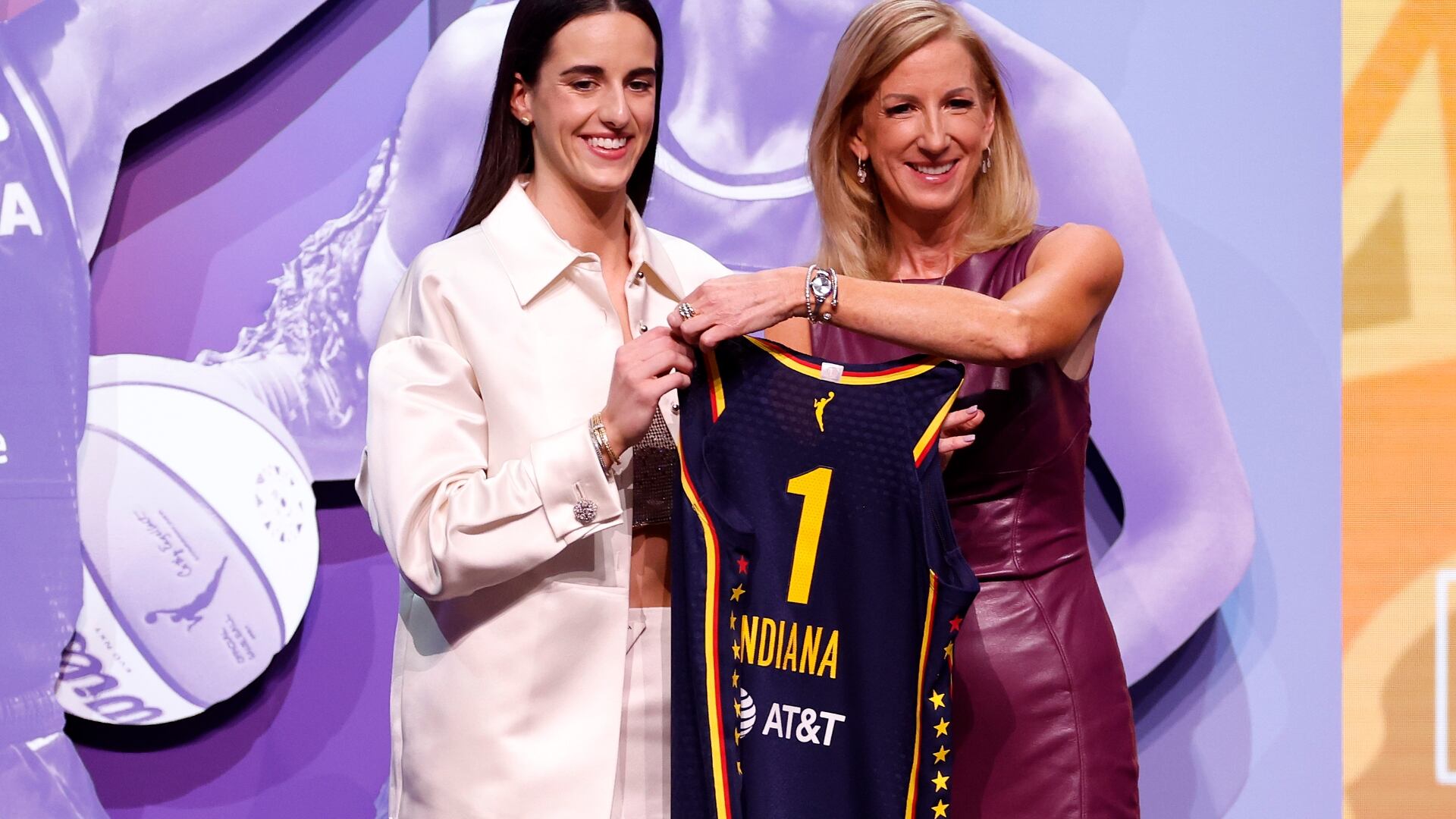
Caitlin Clark is heading to the Indiana Fever, the number one draft pick and the highest-scoring college basketball player of all time. And while she may not be getting millions from the WNBA, there's a few ways she'll net compensation for her generational talents.
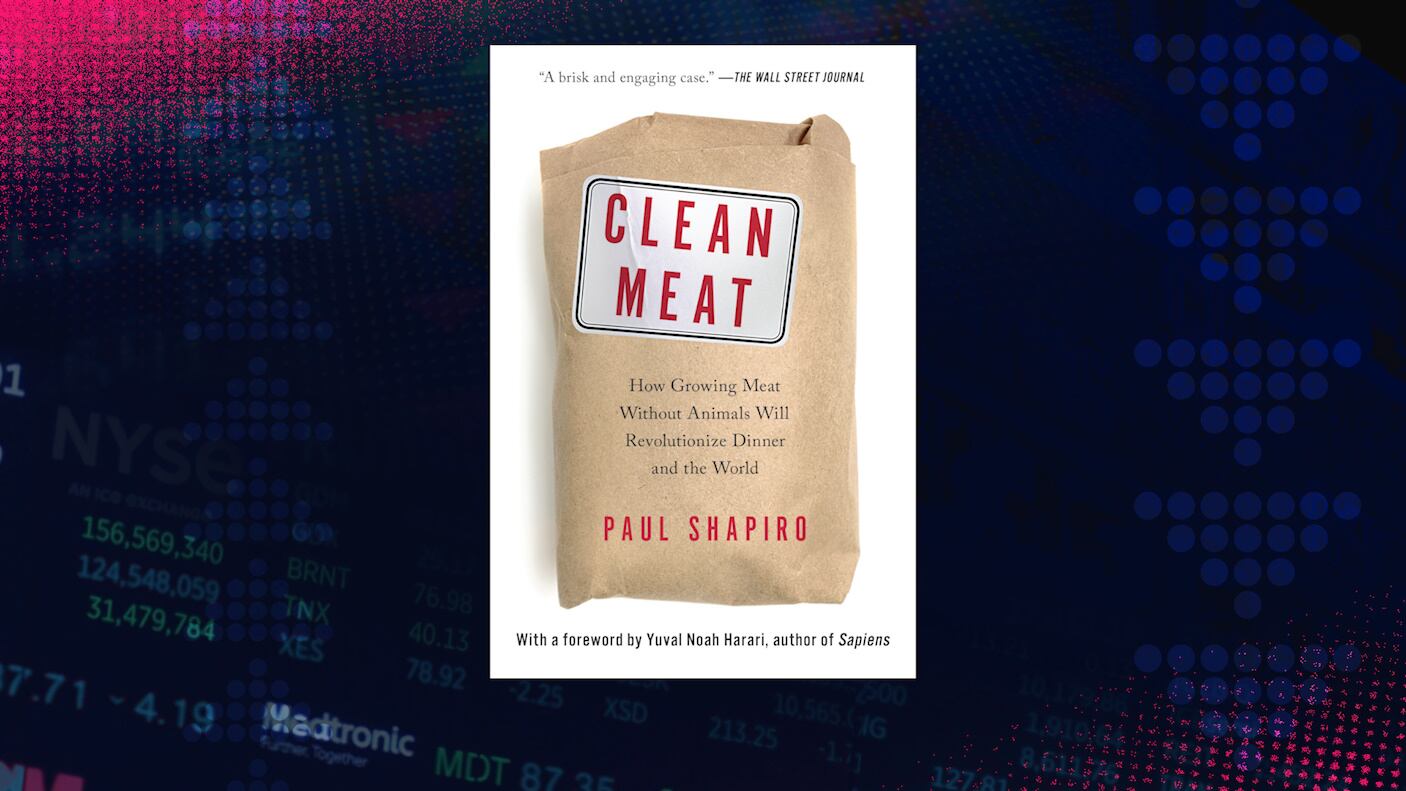
Author of 'Clean Meat,' Paul Shapiro joins Cheddar to discuss how the cellular agricultural revolution helps lower rates of foodborne illness and greatly improves environmental sustainability. Plus, how his company The Better Meat Co. is bringing healthier food options to the table.
Recent headlines might make it sound like World War III is imminent, but when it comes to your finances, it's not the time to panic. The market is coming off its longest winning streak since 2011.
You may have noticed fewer new venture capital-backed startups (like Airbnb or Uber) lately. The market slowed to a crawl after 2021, but things are expected to take off again in 2025.