By Michelle Chapman
Losses widened at Bed Bath & Beyond as a tangled global supply chain continued to squeeze sales and the home goods chain lowered expectations for its final fiscal quarter, and also its full-year revenue.
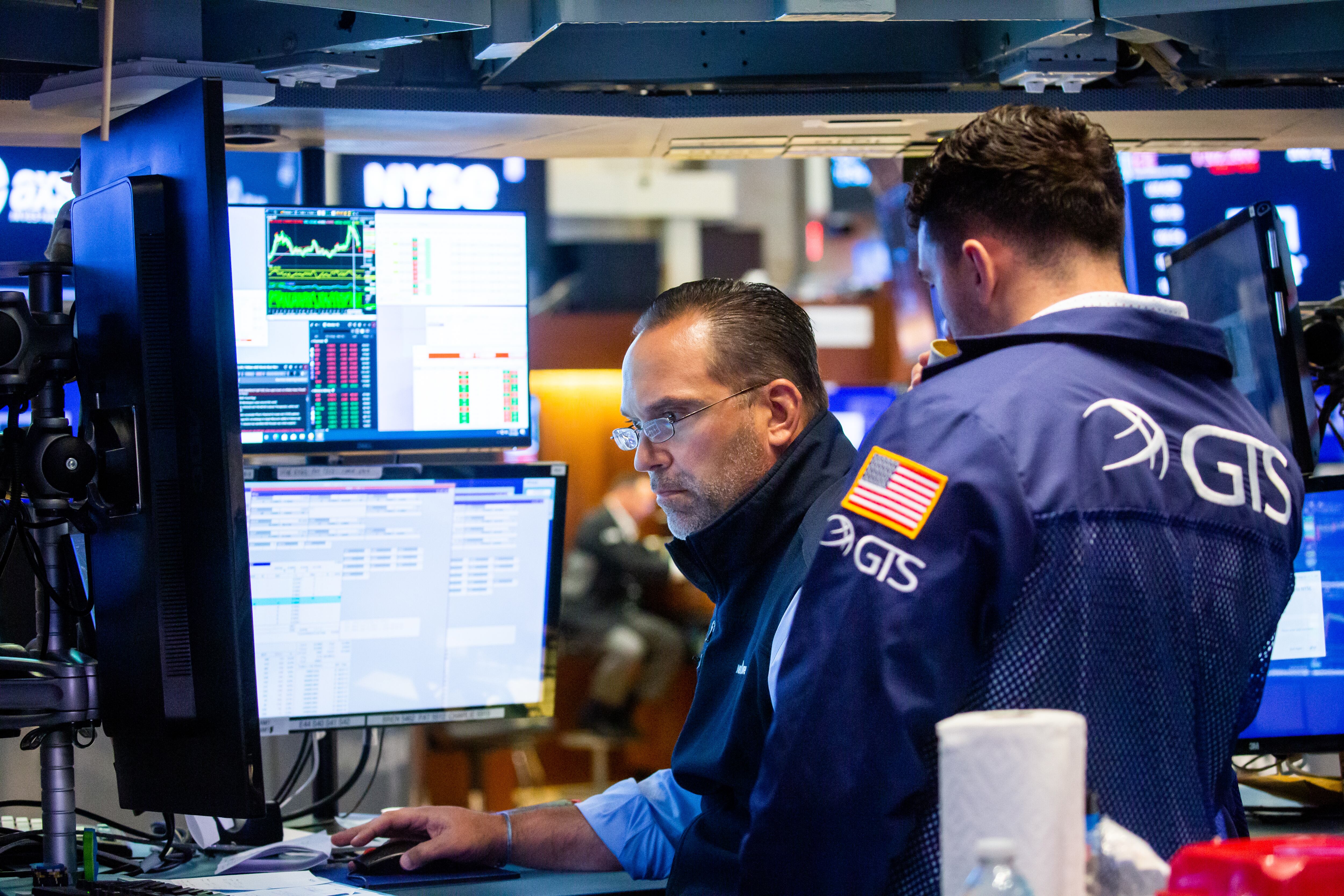
At the opening bell, however, shares of the company that have been grouped with other meme stocks of beaten down companies, soared more than 10%.
The Union, New Jersey, company lost $276.4 million, or $2.78 per share, for the three months ended Nov. 27. The per-share losses adjusted for restructuring costs and other items was 25 cents, much worse than the break-even quarter industry analysts had projected, according to Zacks Investment Research.
The company last year lost $75 million in the quarter, or 61 cents per share.
Revenue was $1.88 billion, down sharply from $2.62 billion and also short of the $1.96 billion that Wall Street was looking for.
Bed Bath & Beyond said that it struggled to get everything on shelves that shoppers wanted amid ongoing issues tied to backups in the supply chain as the U.S. economy emerges from the worst of the pandemic.
Those constraints resulted in an estimated $100 million impact on the quarter and an even higher impact in December, said CEO Mark Tritton in a prepared statement.
Comparable sales, which includes stores and digital, declined 7% in the third quarter.
For the current quarter ending in February, Bed Bath & Beyond said it now expects revenue in the range of $2.1 billion. Analysts surveyed by Zacks had expected revenue of $2.28 billion.
The company now anticipates full-year revenue of $7.9 billion. Its prior outlook was for revenue between $8.1 billion and $8.3 billion. Analysts polled by FactSet predict revenue of $8.14 billion.
Before the opening bell Thursday, shares in Bed Bath & Beyond Inc. tumbled 9% after quarterly numbers were released, but within minutes reversed course and took off.
This year, large groups of individual investors bought up shares of companies that have struggled, or meme stocks, like GameStop and AMC Entertainment, causing institutional investors like hedge funds to lose billions.
Bed Bath & Beyond, while not gaining the same level of attention as those other meme stocks, spiked nonetheless. Shares that could be had for less than $20 in early January, more than doubled in price by the end of the month.
It was not clear what led to the reversal in the price of shares early Thursday.