Losses widened at Bed Bath & Beyond as a tangled global supply chain continued to squeeze sales and the home goods chain lowered expectations for its final fiscal quarter, and also its full-year revenue.
At the opening bell, however, shares of the company that have been grouped with other meme stocks of beaten down companies, soared more than 10%.
The Union, New Jersey, company lost $276.4 million, or $2.78 per share, for the three months ended Nov. 27. The per-share losses adjusted for restructuring costs and other items was 25 cents, much worse than the break-even quarter industry analysts had projected, according to Zacks Investment Research.
The company last year lost $75 million in the quarter, or 61 cents per share.
Revenue was $1.88 billion, down sharply from $2.62 billion and also short of the $1.96 billion that Wall Street was looking for.
Bed Bath & Beyond said that it struggled to get everything on shelves that shoppers wanted amid ongoing issues tied to backups in the supply chain as the U.S. economy emerges from the worst of the pandemic.
Those constraints resulted in an estimated $100 million impact on the quarter and an even higher impact in December, said CEO Mark Tritton in a prepared statement.
Comparable sales, which includes stores and digital, declined 7% in the third quarter.
For the current quarter ending in February, Bed Bath & Beyond said it now expects revenue in the range of $2.1 billion. Analysts surveyed by Zacks had expected revenue of $2.28 billion.
The company now anticipates full-year revenue of $7.9 billion. Its prior outlook was for revenue between $8.1 billion and $8.3 billion. Analysts polled by FactSet predict revenue of $8.14 billion.
Before the opening bell Thursday, shares in Bed Bath & Beyond Inc. tumbled 9% after quarterly numbers were released, but within minutes reversed course and took off.
This year, large groups of individual investors bought up shares of companies that have struggled, or meme stocks, like GameStop and AMC Entertainment, causing institutional investors like hedge funds to lose billions.
Bed Bath & Beyond, while not gaining the same level of attention as those other meme stocks, spiked nonetheless. Shares that could be had for less than $20 in early January, more than doubled in price by the end of the month.
It was not clear what led to the reversal in the price of shares early Thursday.
Tech analyst Rene Ritchie discusses new EU legislation that will force iPhones to use a USB-C charger in fall 2024 and what that means for Apple's strategy in Europe.
Catching you up on the stories you need to know this morning, mass shooting victims testify on Capitol Hill, the White House outlines its plan to vaccinate kids younger than five years old, and we break down how to protect yourself from monkeypox.
There are now over 1,000 plant-based restaurants in the U.S. It's clear that people are hungry for vegan alternatives at restaurants nationwide. However, when it comes to pizza, vegan options don't have the best reputation. NUMU Food Group is looking to change that with its brand new vegan mozzarella. Mike Pytlinski, CEO of NUMU Food Group, joins Cheddar News to discuss.
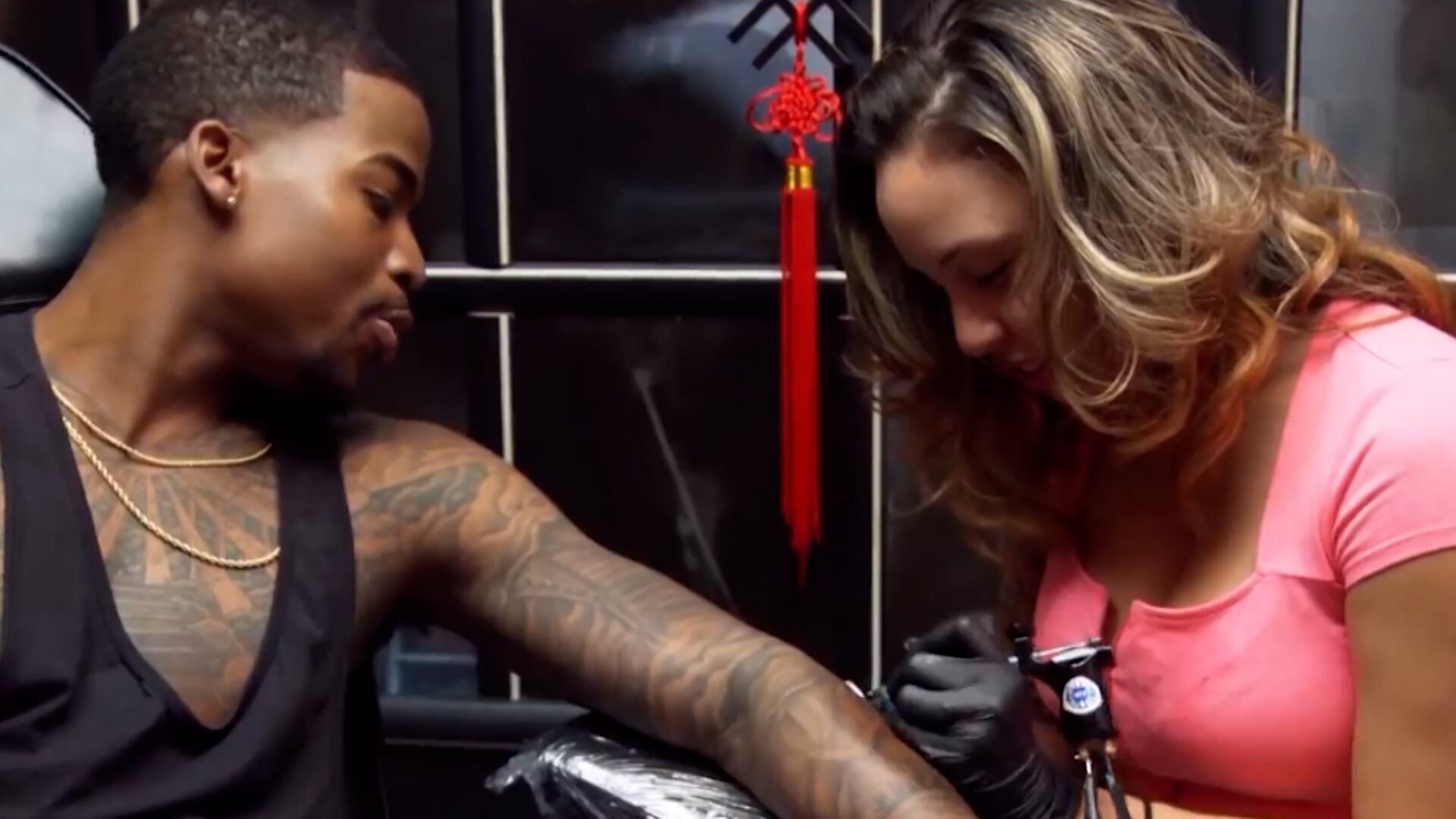
Tattoo artist Katrina "Kat Tat" Jackson, famous for starring in the VH1 hit series "Black Ink Crew: Chicago," is also the first Black woman to own a tattoo shop in Beverly Hills. She joined Cheddar News to discuss her trailblazing work, the stigma BIPOC tattoo artists face in the industry, and the way the space has changed for artists of color since her start. "In the beginning, I remember walking into a tattoo shop just like, hey, I wanna learn, I wanna be a tattoo artist and kind of just being laughed at, not taken seriously," she said. "Even with the tattoo conventions, a lot of African American tattoo artists were almost scared to go to conventions because it's not a welcoming environment."
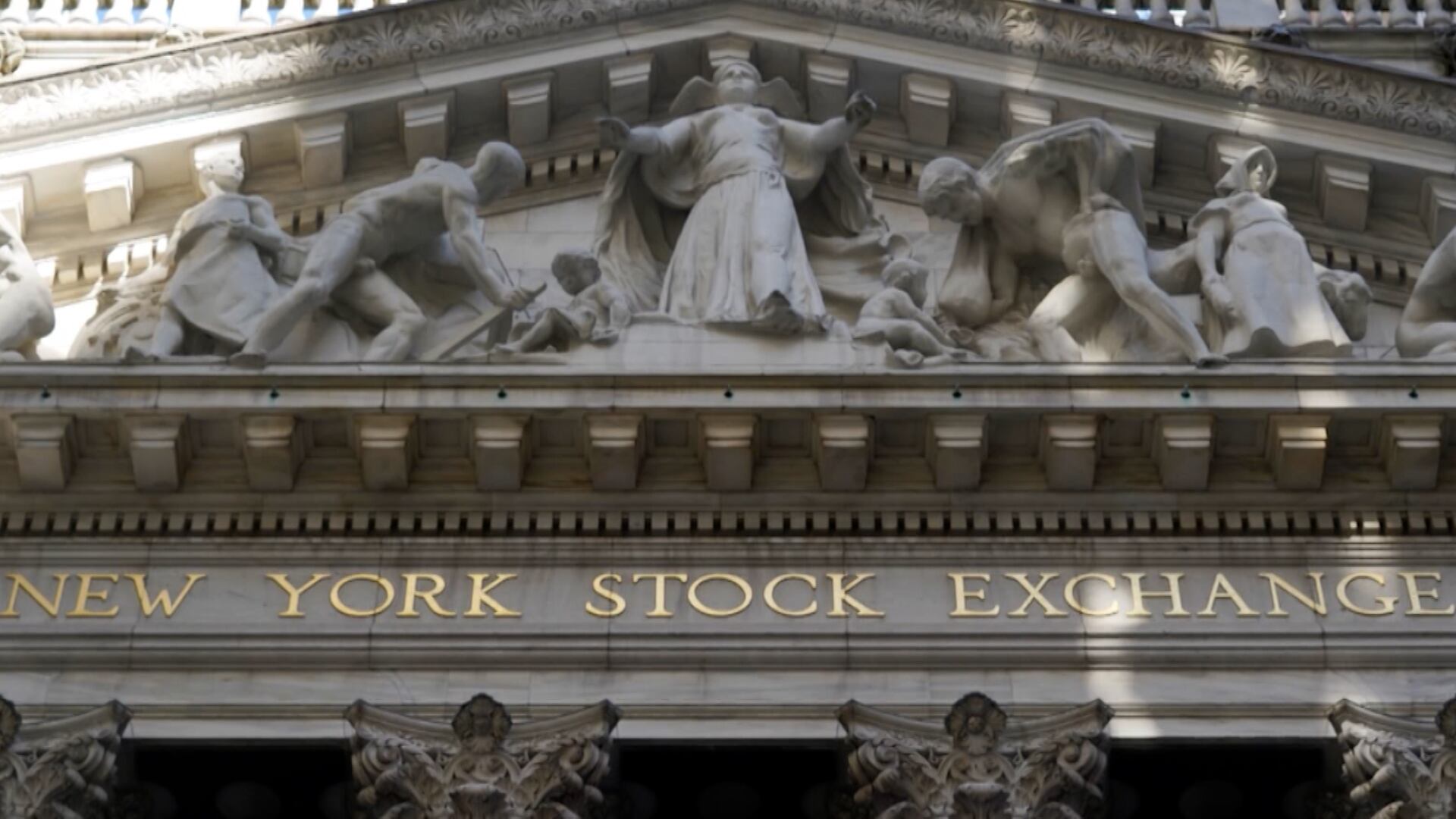
Jack Miller, Head of Trading at Baird, joined Closing Bell to break down how the Securities and Exchange Commission's proposals would change the landscape for individual investors, as they face stiff opposition from brokerages like Robinhood.
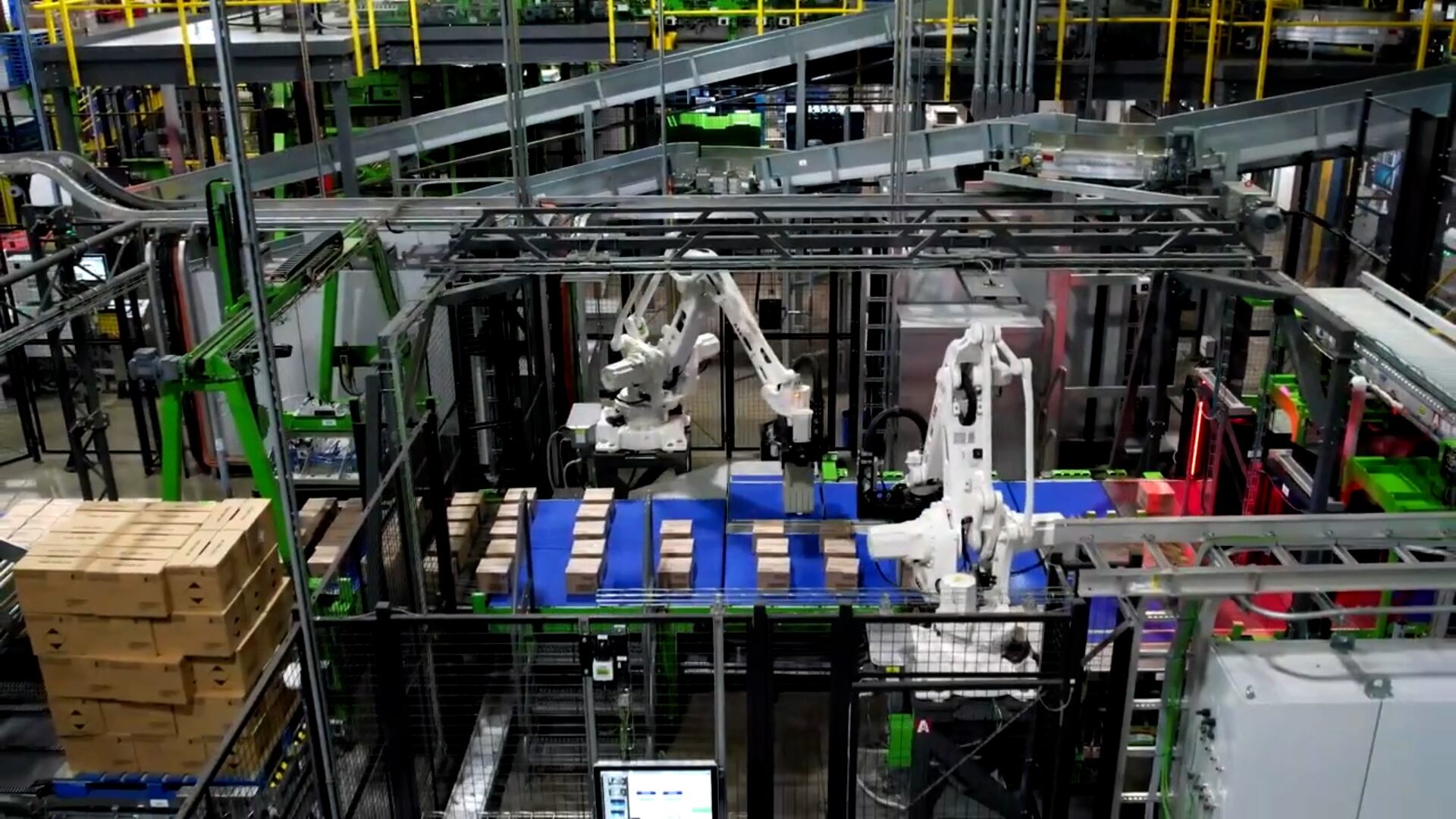
Robotics automation technology company Symbotic made its market debut on the Nasdaq via a SPAC merger with SVF Investment Corp. 3, a special purpose acquisition company sponsored by an affiliate of SoftBank Investment Advisers. Symbotic rang the Opening Bell at the Nasdaq to celebrate the occasion this morning. Its debut on Wall Street comes amid an urgent need for logistics solutions, as it aims to reimagine supply chains with its A.I.-powered robotic and software platform. Tom Earnst, CFO of Symbotic, and Vikas Parekh, managing partner at Softbank Investment Advisors, join Cheddar News' Closing Bell to discuss.
Michelle Castillo joined Closing Bell to break down Elon Musk's announcement to SpaceX employees that the Starlink internet business might not see itself as an IPO until 2025, Twitter planning to hand over the user data he requested as a condition of the acquisition, and Warren Buffet-backed Chinese EV company BYD stating it will be supplying batteries to Tesla "very soon."