*By Max Godnick*
Russia's suspected interference in the 2016 election was so complex that even a Pulitzer Prize-winning reporter who's spent the past two years working on the story can't always keep things straight.
"It was impossible to stay up, it was impossible to make sense of a lot of it," Greg Miller, author of "The Apprentice: Trump, Russia, and the Subversion of American Democracy," said Monday in an interview on Cheddar.
In his new book, the national security correspondent for The Washington Post set out to provide a Readers' Digest version of Russia's involvement in the last presidential election and all of its fallout.
"The main objective was to try to write something that's comprehensive, that people can wrap their heads around," Miller said.
The book's title is not just an obvious reference to Trump's former NBC reality show. Miller said it also calls to mind the political novice's early experiences in The White House, behavior that resembles, in Miller's view, an "untrained apprentice."
But the title has yet a third meaning: Trump's relationship with Russian leader Vladimir Putin.
"There's this aspect of subservience to the word," Miller said. "\[Trump\] sort of emulates, admires, imitates Vladimir Putin."
That relationship is the central dynamic around which the rest of his book orbits, Miller said.
"His inexplicable affinity for the Russian president is, of course, the most important idea and theme cutting through the whole book," he explained.
After over a month spent fixated on the Supreme Court confirmation, the political world is turning its focus back on Special Counsel Robert Mueller's probe on Russian involvement in the election.
Miller described the investigation as "absolutely leak-proof" adding that, despite its 32 indictments and guilty pleas, America has yet to see "Mueller's final act."
By contrast, the president can't seem to say enough about the investigation, tweeting and railing about the so-called "witch hunt" on a seemingly weekly basis.
"It's such an enormous clash of different ideas and different moral codes," Miller said of the dueling approaches.
It's been a long process as Mueller has conducted his investigation, but Miller predicts that, with under 30 days remaining before the midterm elections, the wait won't be much longer.
"You've got to believe that he's got just as much left up his sleeve," he said. "We're just around the corner from that now."
"The Apprentice: Trump, Russia, and the Subversion of American Democracy" is available in stores and online.
For full interview [click here](https://cheddar.com/videos/the-apprentice-goes-inside-trump-putin-relationship).
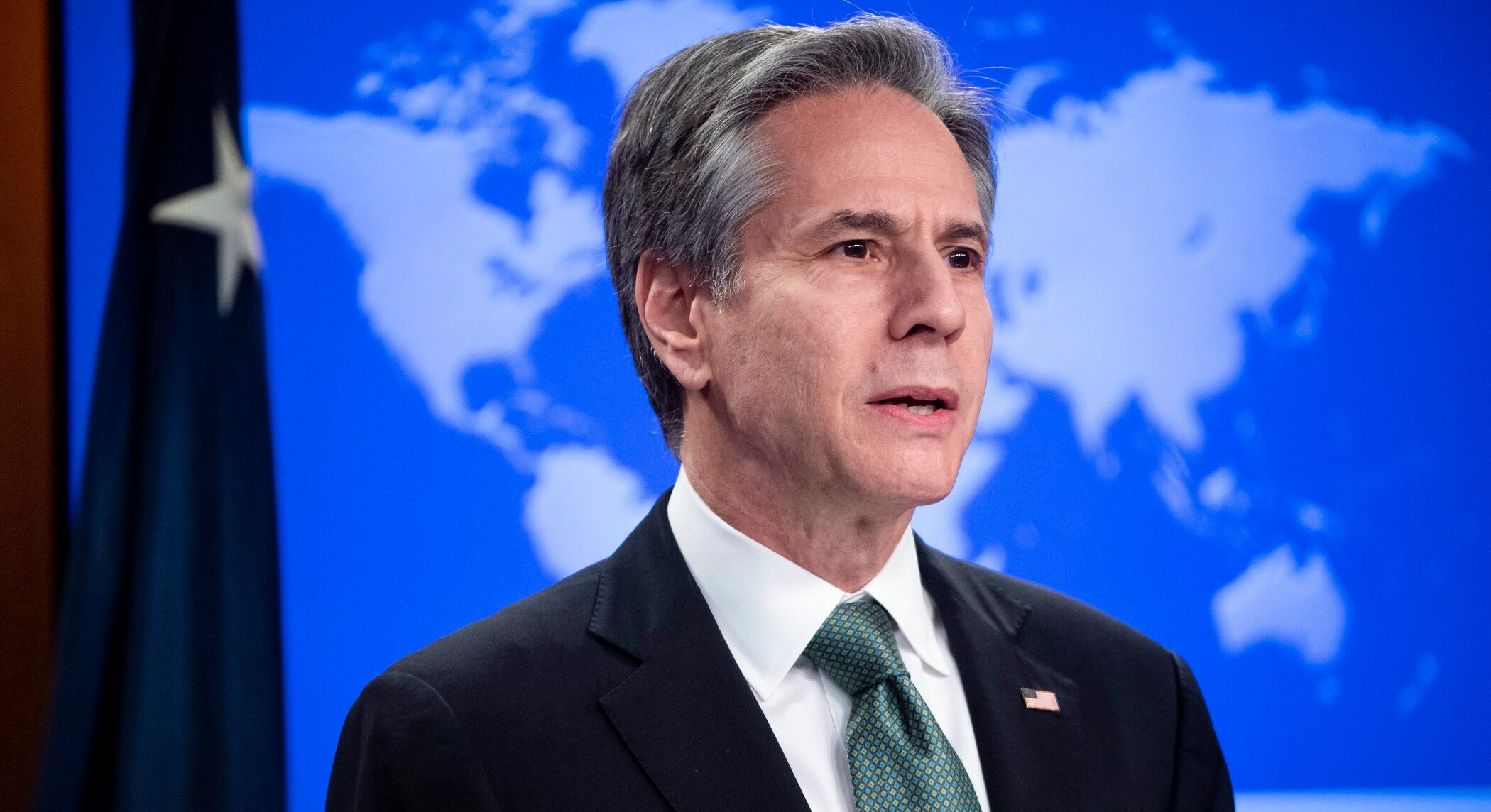
Secretary of State Antony Blinken says the Biden administration has made a formal determination that Russian troops have committed war crimes in Ukraine.
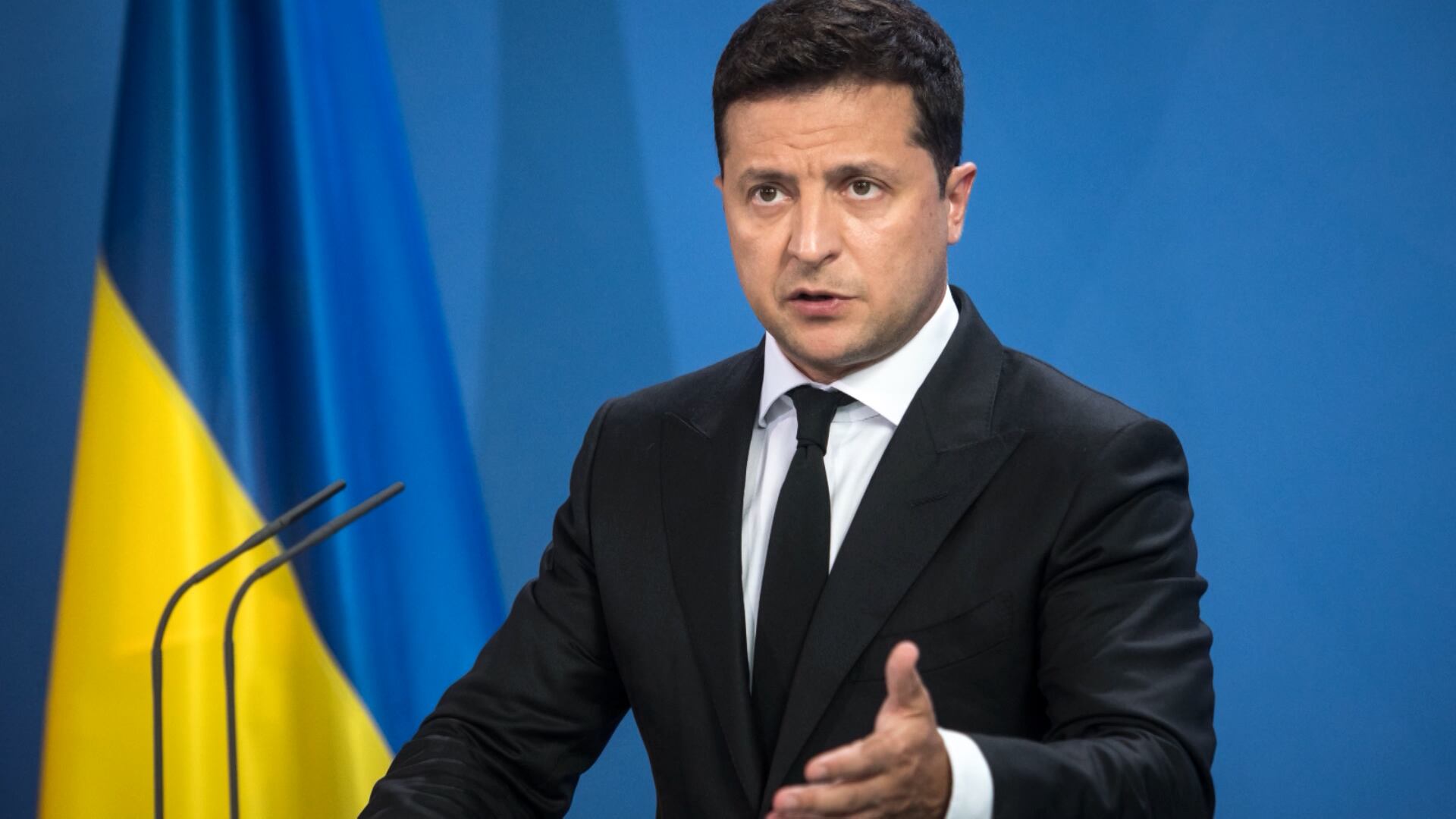
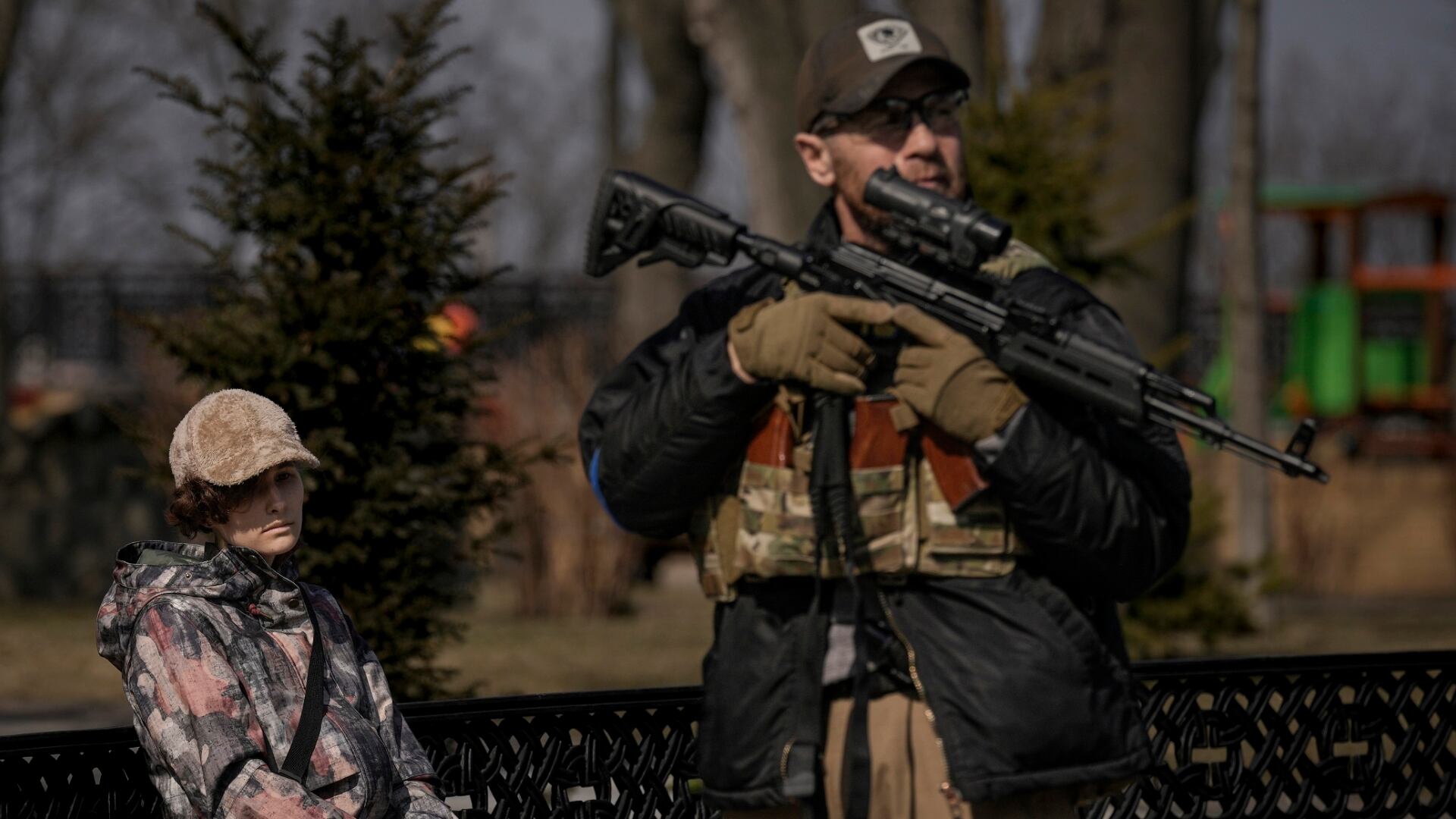
As the Russian invasion of Ukraine continues, Ukrainian President Volodymyr Zelenskyy has assumed the role of an unlikely hero. Donning his iconic green t-shirt, the Ukrainian Leader has been praised for his relatable look and unique war-time approach as support pours in for his country under attack. Melinda Haring, deputy director, Eurasia Center, Atlantic Council joined Cheddar's Opening Bell to discuss Zelenskyy's rise from comedian to a leader on the world stage.
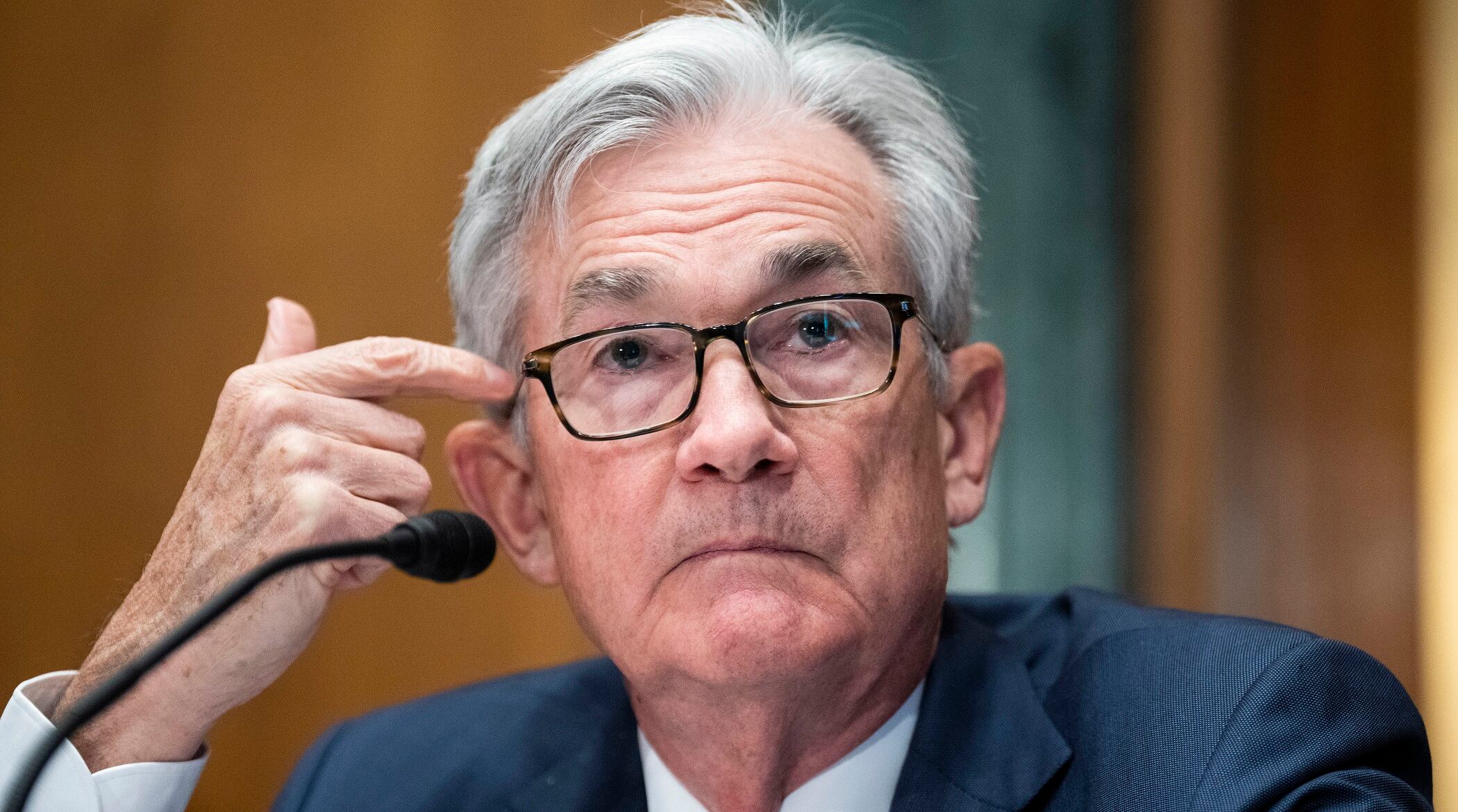
Federal Reserve Chair Jerome Powell went ahead and stirred the pot this week with a series of public talks signaling a firmer hand from the central bank going forward.
Turkish media reports say a second superyacht belonging to Chelsea soccer club owner and sanctioned Russian oligarch Roman Abramovich has docked in a resort in southwestern Turkey.
Catching you up on what you Need to Know on Mar 23, 2022, as NATO meets in Brussels to discuss Ukraine, mortgage rates rise, Justin Trudeau is set to lead Canada until 2025, tornadoes sweep through Louisiana, California may do away with SATs, and a Starbucks in Seattle unionizes.
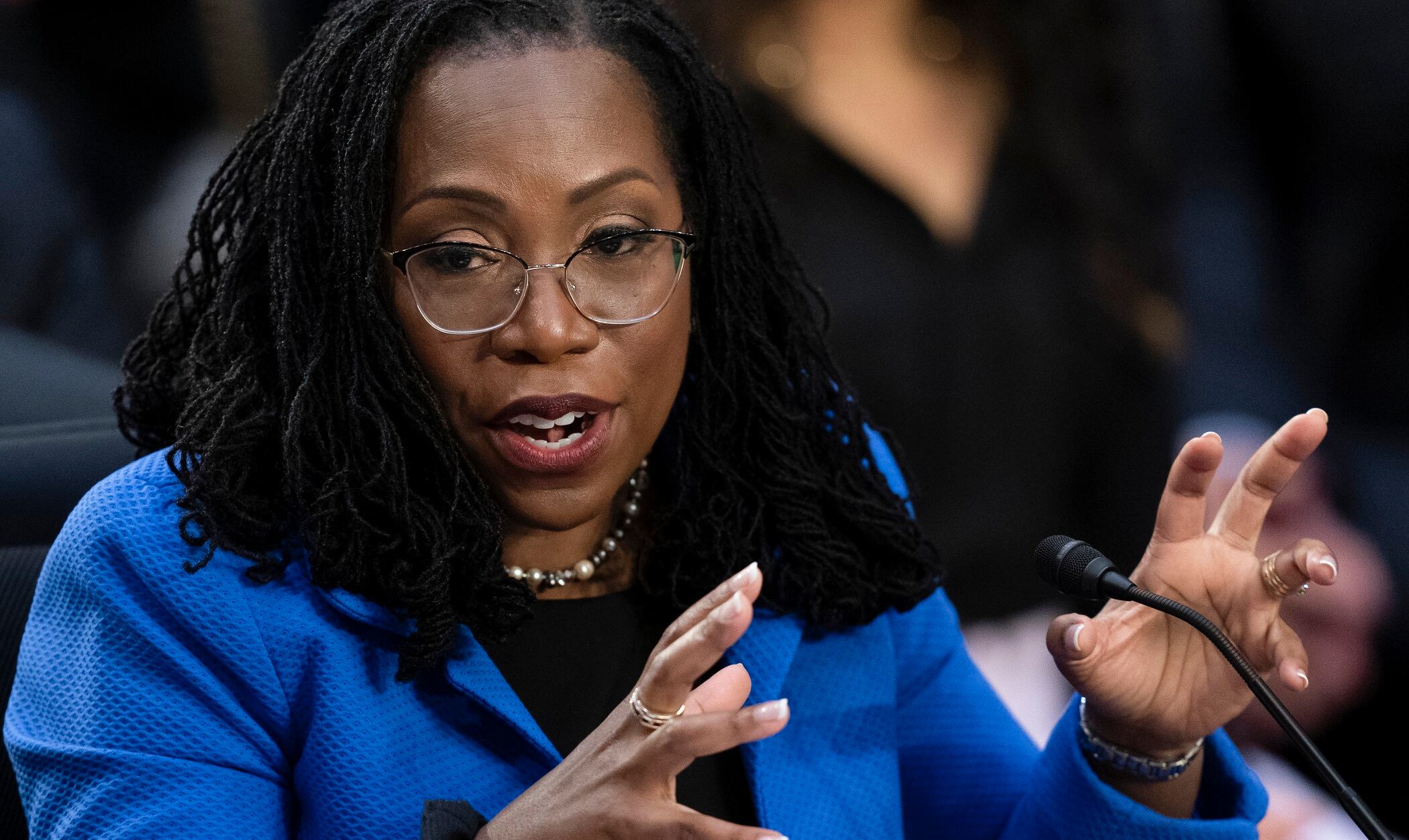
Supreme Court nominee Ketanji Brown Jackson is declaring at her confirmation hearing that she will rule “without any agendas” if approved as the high court’s first black female justice.
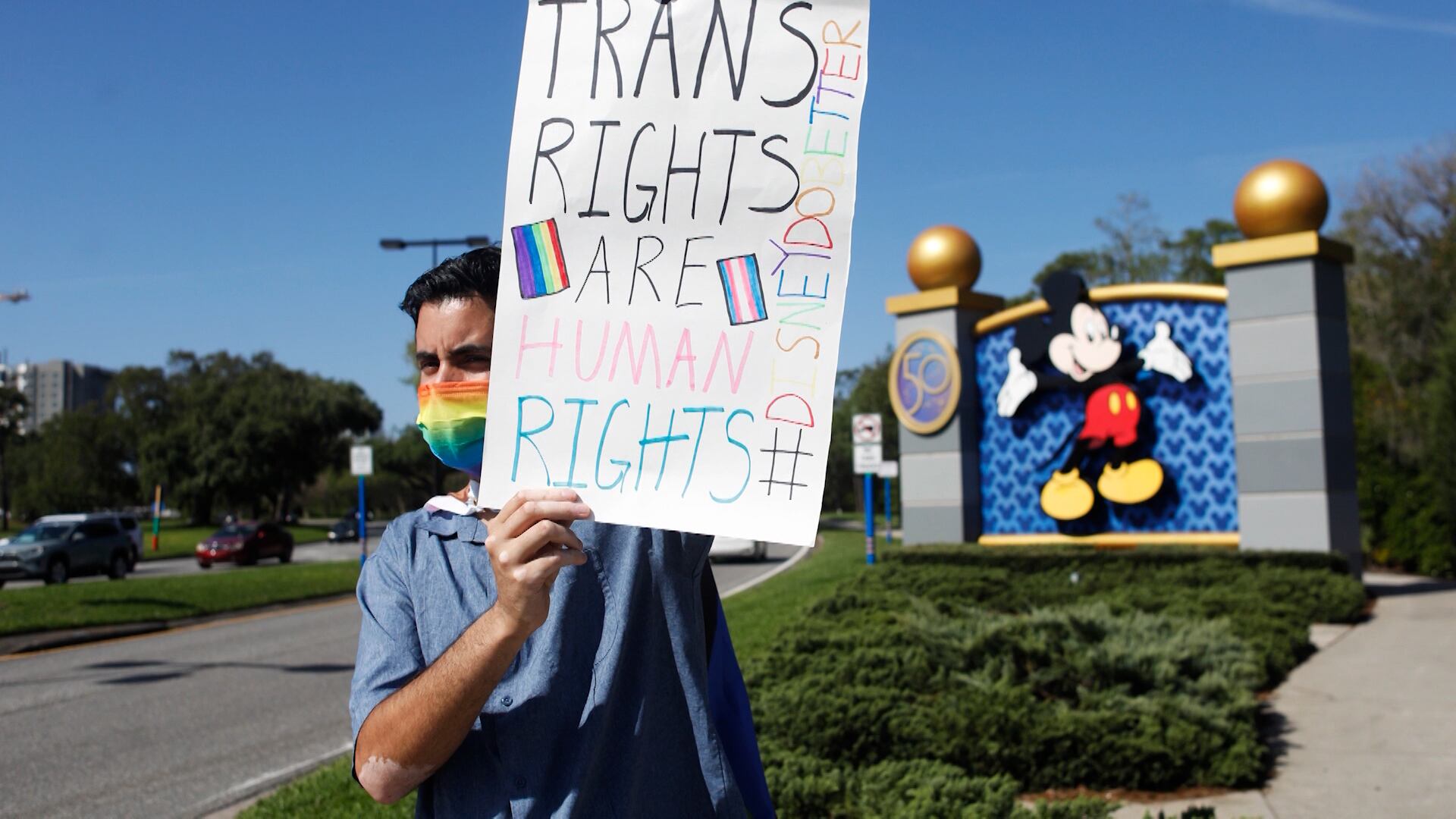
In response to the Florida ‘Don’t’ Say Gay Bill,’ Disney employees staged a companywide walkout after CEO Bob Chapek was late to condemn the legislation. Cheddar News speaks with Maxx Fenning, president at Florida LGBTQ+ advocacy group PRISM on the issue.
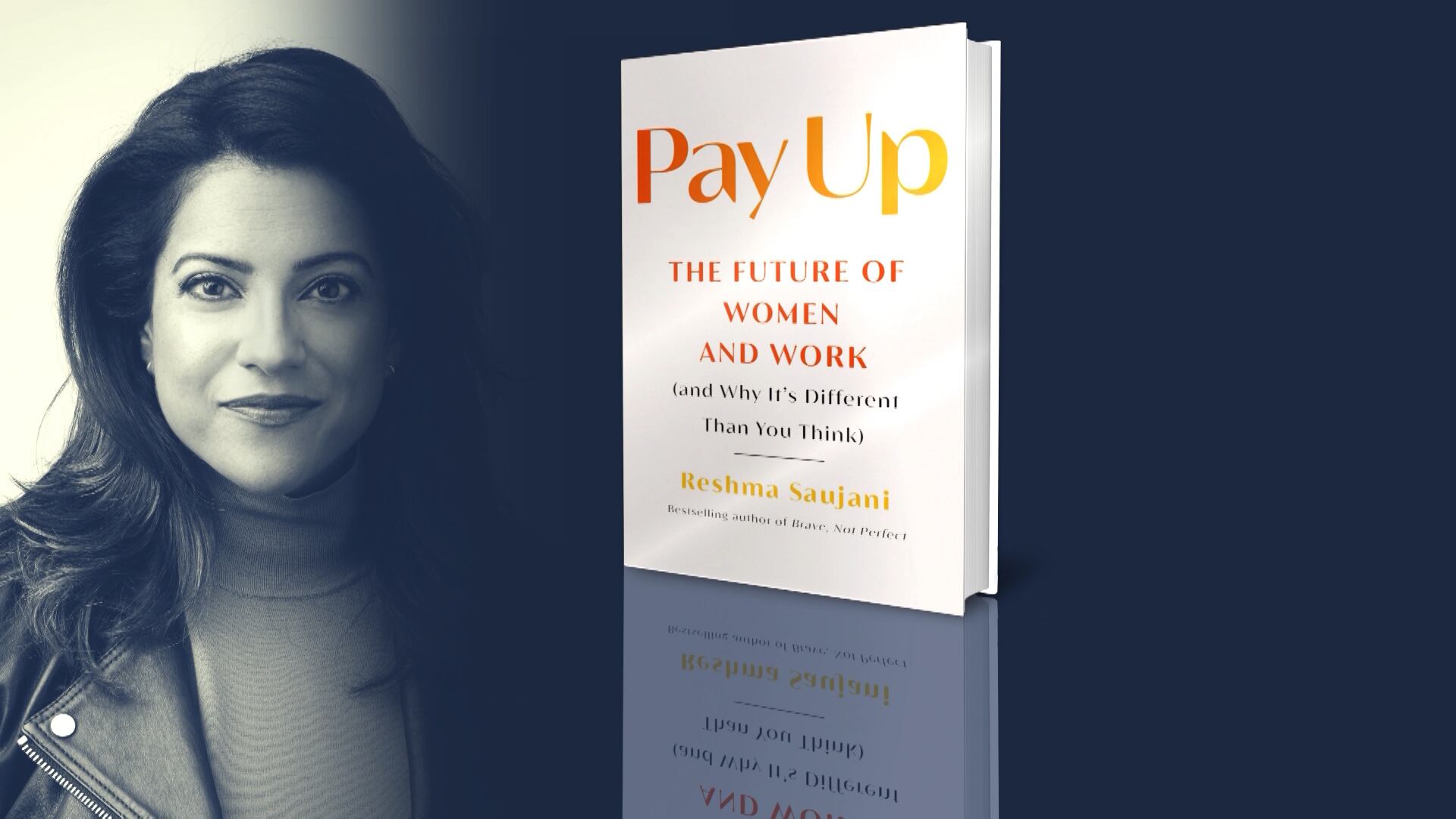
Reshma Saujani, the founder of Girls Who Code and author of "Pay Up: The Future of Women and Work (and Why It's Different Than You Think), joined Cheddar to discuss the many challenges for women in the workplace after the upheaval caused by the pandemic and the solutions she presents.
Hate crimes from the start of 2022 against Asians reportedly more than doubled compared to 2021, according to the NYPD. Amid the surge of attacks, Amber Reed, the president and co-founder of the grassroots organization AAPI Montclair, joined Cheddar News to talk about how it's looking to help Asian Americans with classes and techniques to defend themselves. “We're seeing racism literally killing people who look like us, and these self defense classes are a chance for us to rewrite a narrative of victimhood into one of empowerment," she said. "We learn first how to be aware of our surroundings because we know that being distracted, appearing weak can make you a target, and then that we focus on disengagement."