*By Britt Terrell*
The rise of artificial intelligence and new automation will inevitably lead to the loss of some jobs across different industries, but it may also create entirely new careers for American workers.
What jobs disappear, and how fast they'll be replaced, may depend on how traditional industries and new technology companies cooperate, and how the government can help foster those partnerships, said Politico's technology reporter, Steven Overly.
“When the internet was created, I think a lot of folks also speculated it would replace a number of jobs and it has in some ways, but it has also created new jobs," Overly said Thursday in an interview with Cheddar. "It’s opened up new industries and so there are a lot of folks who are optimistic that with A.I., it will follow a similar path."
Many of the most optimistic folks from Google, Amazon, Facebook, and other tech firms discussed how A.I. technology may affect American workers at a White House summit Thursday.
Some blue-collar workers, such as truck drivers, are expected to be replaced by autonomous vehicles. The administration and representatives from the tech industry are considering new programs to train American workers on how to [use A.I. technology](https://www.washingtonpost.com/news/the-switch/wp/2018/05/08/white-house-will-host-amazon-facebook-ford-and-other-major-companies-for-summit-on-ai/) in new ways for new jobs.
"Certainly the administration has conveyed that they now view artificial intelligence as a national priority," said Overly. "And certainly there are many in the industry who say if the U.S. doesn’t take a stronger stance on this, we’re going to fall behind China, India and the E.U.”
For the full interview, [click here](https://cheddar.com/videos/white-house-hosts-a-i-summit).
Amazon has backed out of its plan to build a second headquarters in Queens, New York. The abrupt decision shocked even those who opposed Amazon's planned expansion in Long Island City. Cheddar spoke with Jimmy Van Bramer, deputy leader of the New York City Council.
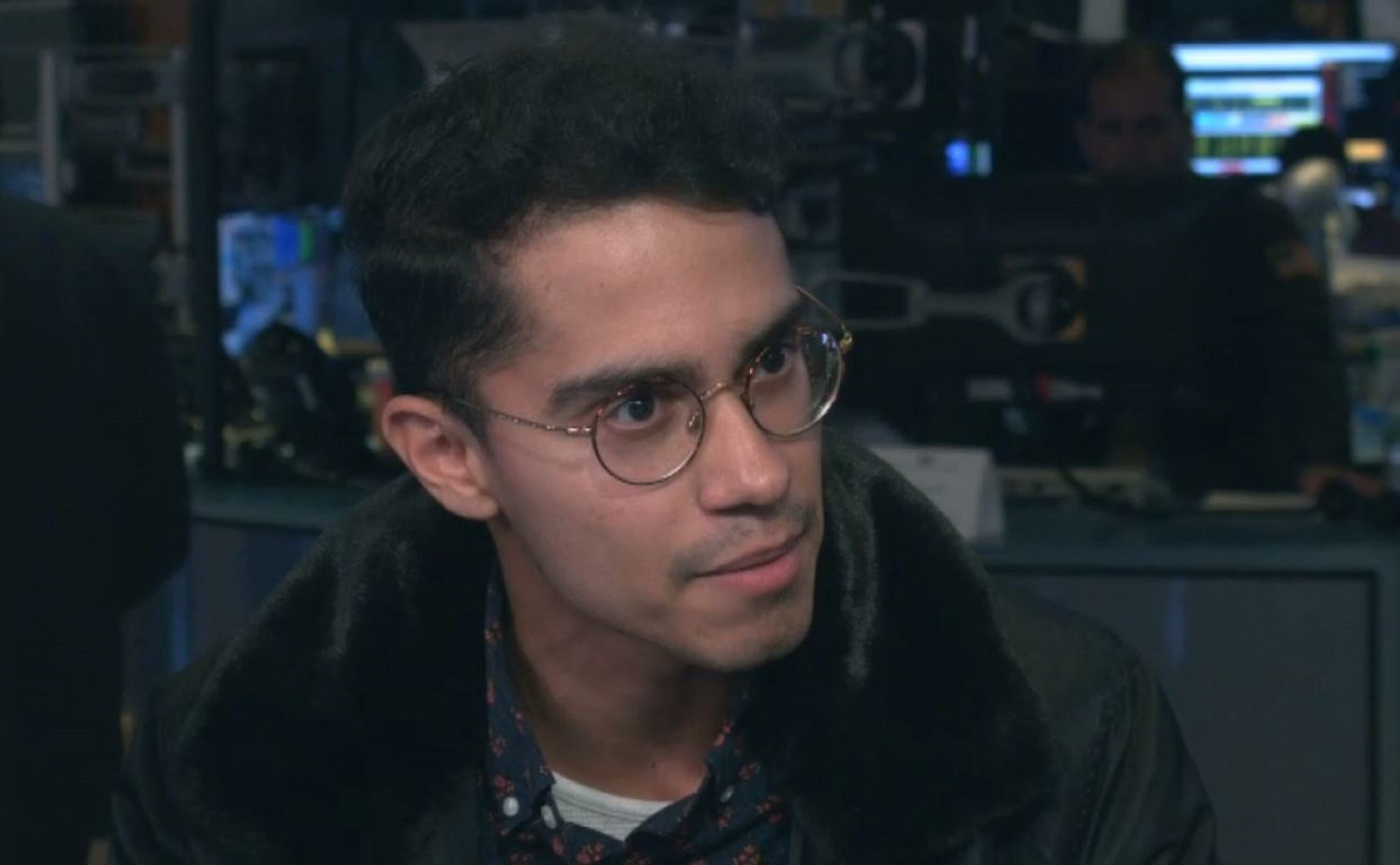
Trufan, a new platform letting brands and influencers reward their most loyal fans on social media, has attracted the attention of big names in sports and entertainment, but CEO Swish Goswami told Cheddar he's taking a "very Canadian approach" by catering to mom-and-pop shops as well.
These are the headlines you Need 2 Know for Thursday, Feb. 14, 2019.
These are the headlines you Need 2 Know for Wednesday Feb. 13, 2019.
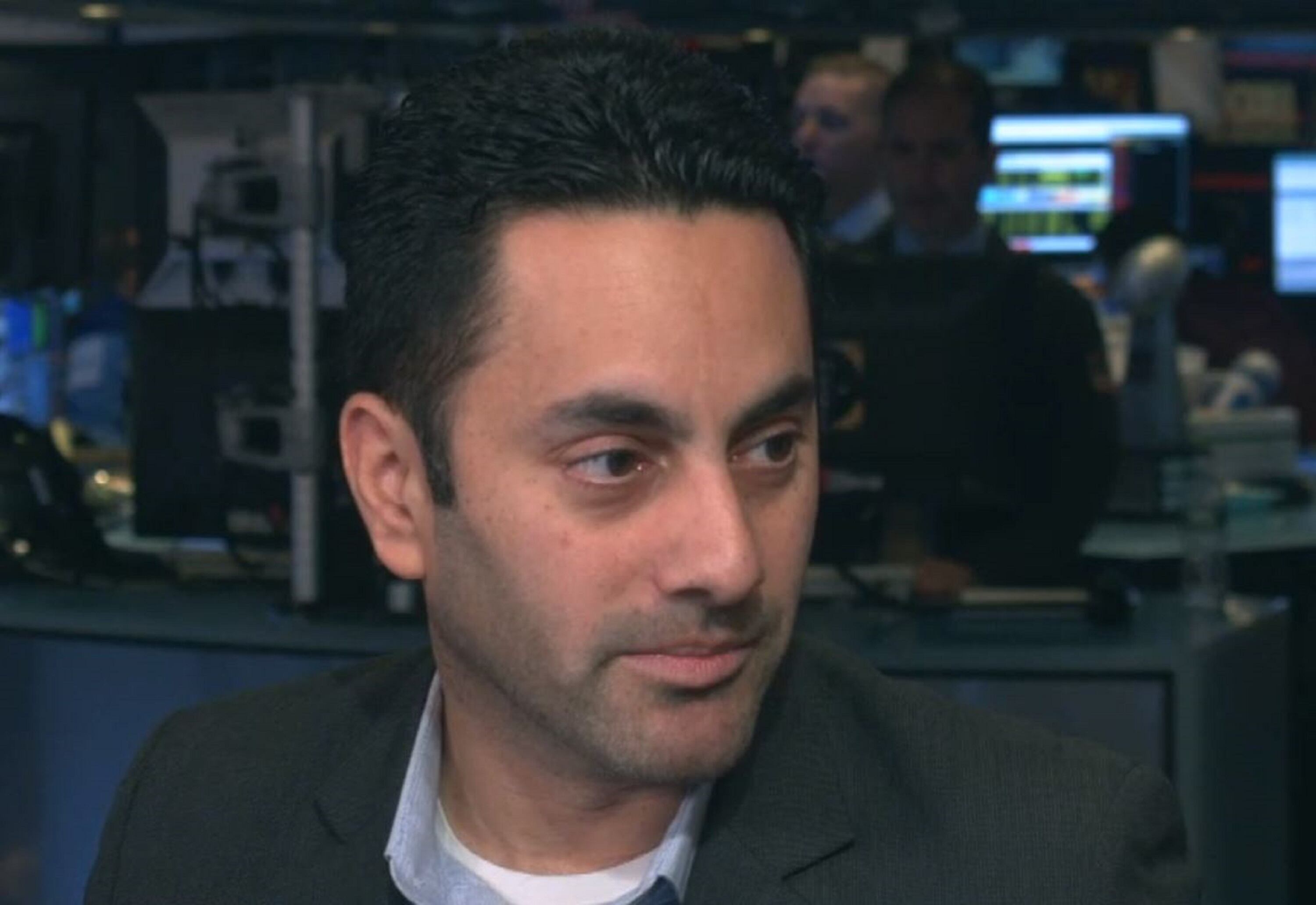
As technology and social media exacerbate the spread of misinformation, much of the burden is on individuals to keep themselves informed, said Shiv Singh, author of "Savvy: Navigating Fake Companies, Fake Leaders and Fake News in the Post-Trust Era."
What does it mean to trust something -- or someone? A new book looks at trust and how it's eroding because of our current culture. Shiv Singh, co-author of "Savvy," talked to Cheddar about how the problem has developed and how it's impacting our daily lives.
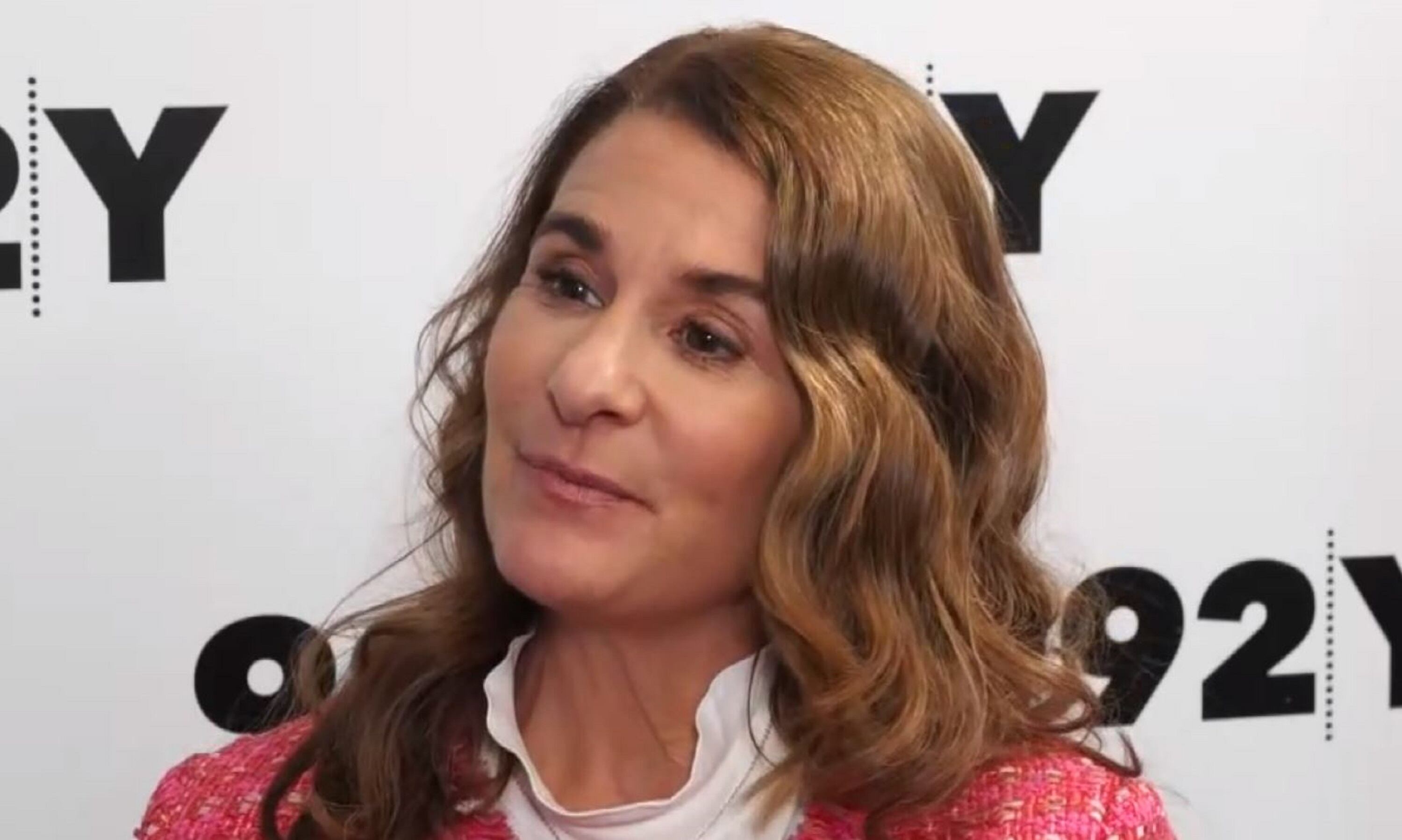
The theme of Bill and Melinda Gates' annual letter for 2019 is "surprise." The letter, released Tuesday, acts as a roadmap for how the Gates Foundation plans to invest in technology that will help make the world a better place in the years to come. And, as Melinda Gates told Cheddar in an interview, it starts with poop.
The star-studded Golden State Warriors is adding another flashy name to its team: Google. The NBA defending champions and the Chase Center just formed a new partnership with Google Cloud to create a high-tech sports and entertainment area. The Warriors' Chief Revenue Officer Brandon Schneider joined Cheddar to discuss the partnership.
Swedish startup Amuse looking to re-invent the record label through machine learning. The company, the world's first mobile record company, just launched a new feature called 'Fast Forward' that uses data to predict and pay artists for their future royalties. "We allow artists around the world to use our digital distribution service," explained Co-Founder and CEO Diego Farias. "They upload the music to us, we deliver it to Apple, Spotify, etc. Whatever earnings they get they keep, so 100 percent of what they make."
Ted Christie recently took over the chief executive role at Spirit Airlines, and said the airline's ultra-low fares are driving "really, really high" demand. Because Spirit crams more seats onto its planes, that means it can also better defray the cost of oil when prices spike, he said.