A Former WaPo Exec on What He Learned From Jeff Bezos
Jarrod Dicker, WaPo’s former VP of innovation and commercial, learned one trick from business magnate Jeff Bezos that’s propelled his career: focus on what you know how to do best, and don’t worry about the competition.
“Two times the experimentation equals two times the innovation,” Dicker said in an interview with Cheddar. “Really doubling down on what we believe in and getting the right people to do that with you opens up a new wave of opportunities.”
Bezos, the CEO of Amazon, bought the Washington Post in 2013 and his influence there is strong. Dicker said that during his tenure, he saw the effects of “Bezosism” on employees’ thought processes.
Dicker took that knowledge to his current company Po.et, a blockchain-supported content platform.
“At the Post we built a team called RED, which was Research, Experimentation, and Development, that focused on building new technologies and licensing them to help build a better economy for all media companies,” he said. “The reason I left to do this is because this is a direct follow of the work that I’ve done there and what I could do next.”
For the full interview, [click here](https://cheddar.com/videos/tracking-content-on-blockchain-with-po-et).
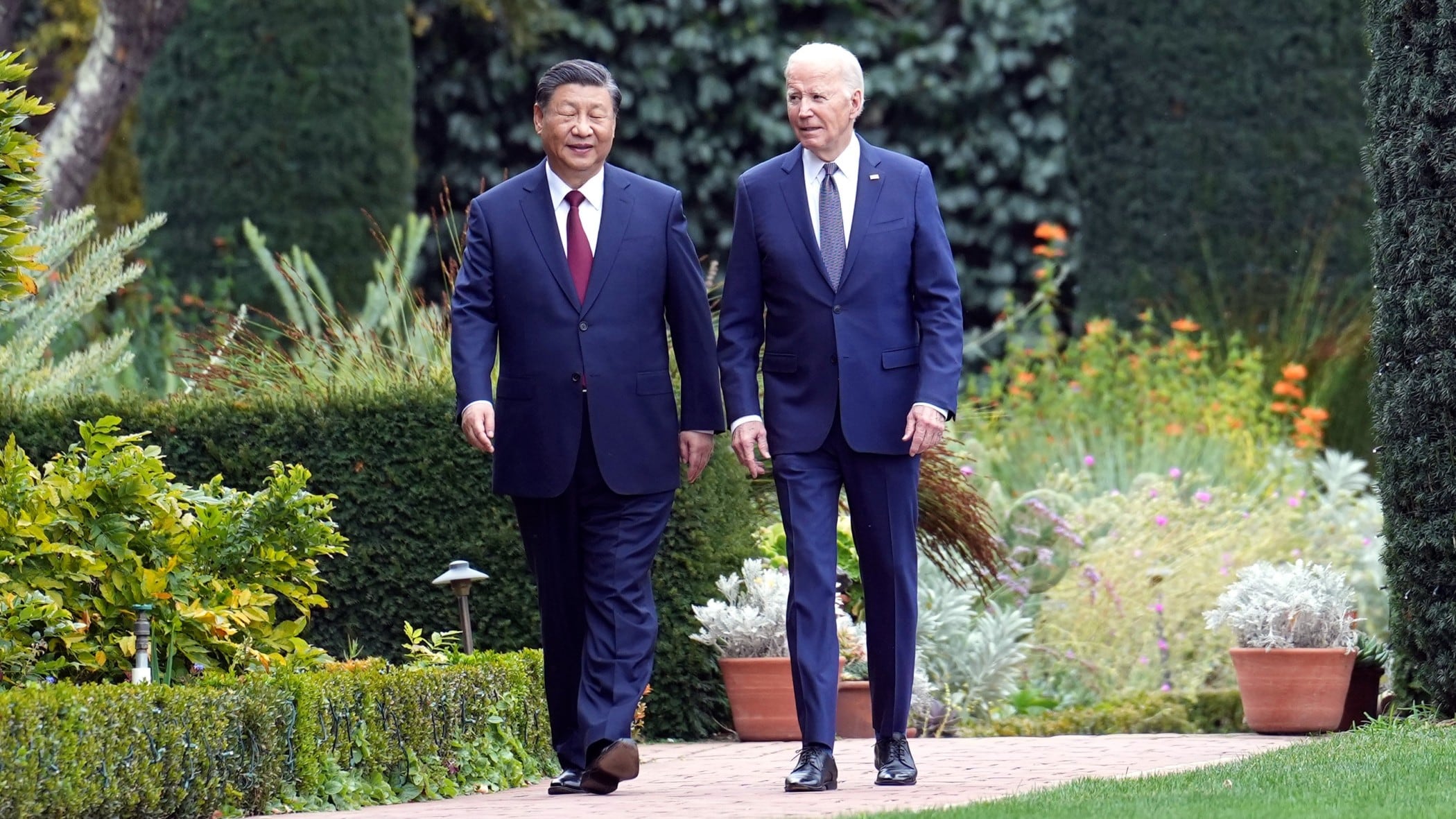
President Joe Biden and Chinese President Xi Jinping have discussed Taiwan, artificial intelligence and security issues in a call meant to demonstrate a return to regular leader-to-leader dialogue between the two powers.
April is Earth month, and while the green revolution might feel far away, the founder of climate VC Siam Capital says it’s on it’s way, and, even better: it won't cost you more.
From snow in April to heatwaves in December, it’s hard to plan a trip in a climate change world. Startup Sensible Weather thinks weather-based travel reimbursements are the solution.
Between corporate debt and the widening gap between ‘the haves and the have nots,’ there are reasons to be cautious about the economy, even with interest rate cuts on their way.
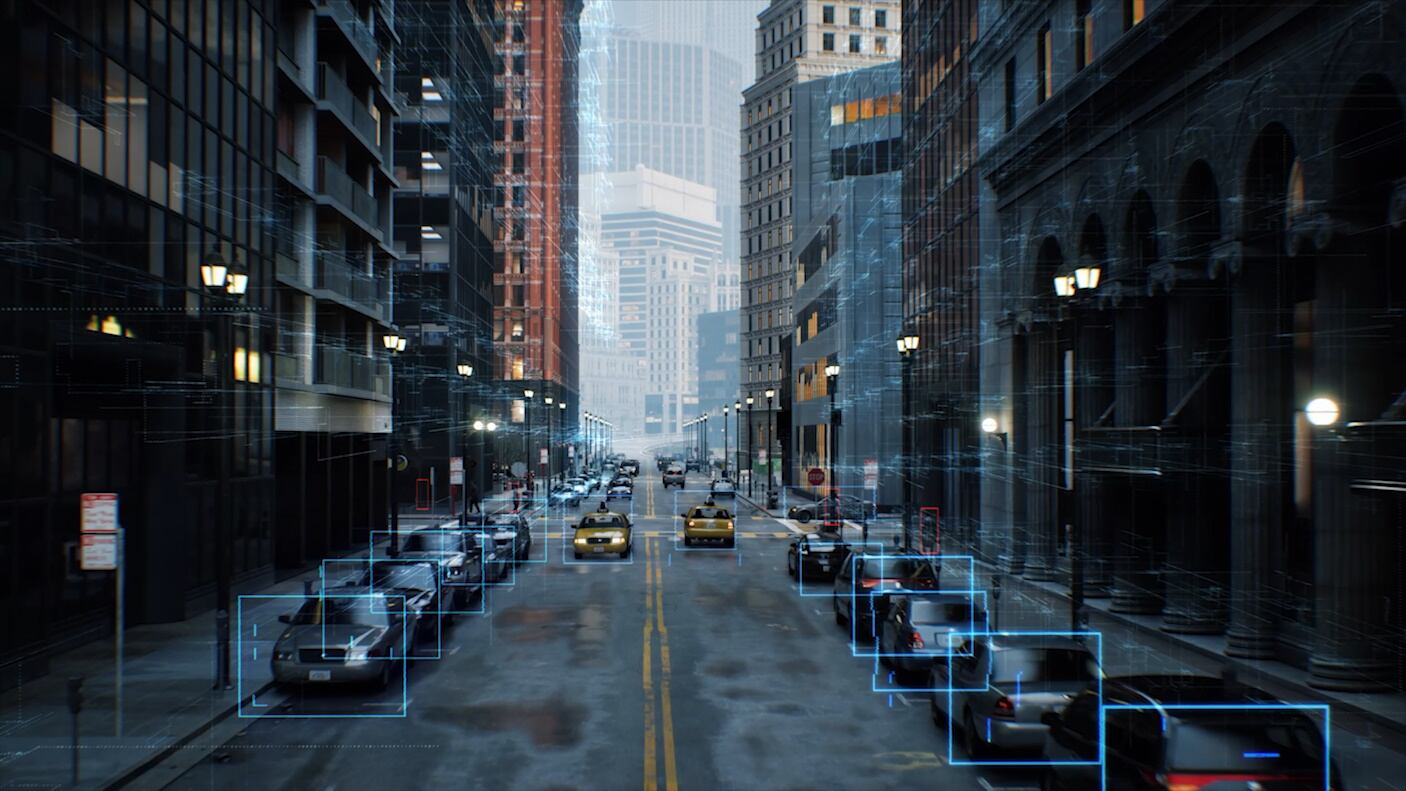
If the A.I. hype hasn’t given you enough of a reason to be excited (and a little terrified), the CEO of Zapata AI says the next frontier is designing bridges or creating pharmaceutical drugs.