Taco Bell’s popular nacho fries are the company’s most successful product launch ever. Customers have bought more than 53 million orders of the spicy cheesy concoction since it hit the menu in January.
But the dollar-item isn’t the only big hit for the company. The Mexican fast food chain is known for churning out innovative food products such as its quesalupa, quesarito, or the naked egg taco.
Cheddar got an exclusive bite of some of the new menu items in the pipeline at Taco Bell’s test kitchen in Los Angeles, including a “toasted cheese chalupa,” a taco made of aged cheddar cheese, scheduled to roll out next year.
The company launches about 10 to 11 new menu items a year, according to Product Development Manager Rene Pisciotti.
“We’ll start with the...prototypes. We’ll vet them, [then] we’ll start to put them through to guests,” explained Pisciotti.
If an idea does well in the initial testing rounds with small groups of consumers, Taco Bell then eventually rolls the product out to test markets.
“We run about 40 to 50 test markets a year.”
But a strong product is only one ingredient for Taco Bell’s overall success. Another is smart, buzzy marketing that stays authentic to the brand.
For example, the launch campaign for the nacho fries ran in the style of a movie trailer that asked the question on everyone’s mind: “Why doesn’t Taco Bell do fries?”
“When we’re going to do anything from a food innovation standpoint, it has to feel uniquely and appropriately Taco Bell,” said Chief Marketing Officer Marisa Thalberg.
“I think you have to be very careful that you don’t think you’re doing something for the sake of buzz. [If] an idea itself is exciting, it touches people, it makes people want to talk, it makes people want to share.”
And the proof is in the...fries.
Former CEO Brian Niccol recently left the company to take over at struggling rival Chipotle after successfully turning around Taco Bell. Same store sales grew by two percent in Q4 and its parent company, Yum Brands, posted profit that beat expectations.
Kendra Bracken-Ferguson, founder of BrainTrust Founders Studio joins Cheddar News to talk about the importance of supporting Black beauty and wellness founders.
Damali Peterman, founder and CEO of Breakthrough ADR, joins Cheddar News to discuss what Black professionals are up against in the workplace this year.
David Malott, founder and chief architect at AI PlanetWorks joins Cheddar News to discuss the release of its augmented reality NFTs for the metaverse called 'TERA.'
Jess Hunichen and Emily Ward, co-founder of Shine Talent Group join Cheddar News to talk about The BodCon conference and how it empowers men and women to feel confident.
Alia Kemet, vice president of creative and digital at McCormick, joins Cheddar News to discuss Frank's RedHot releasing an edible NFT ahead of the Super Bowl.
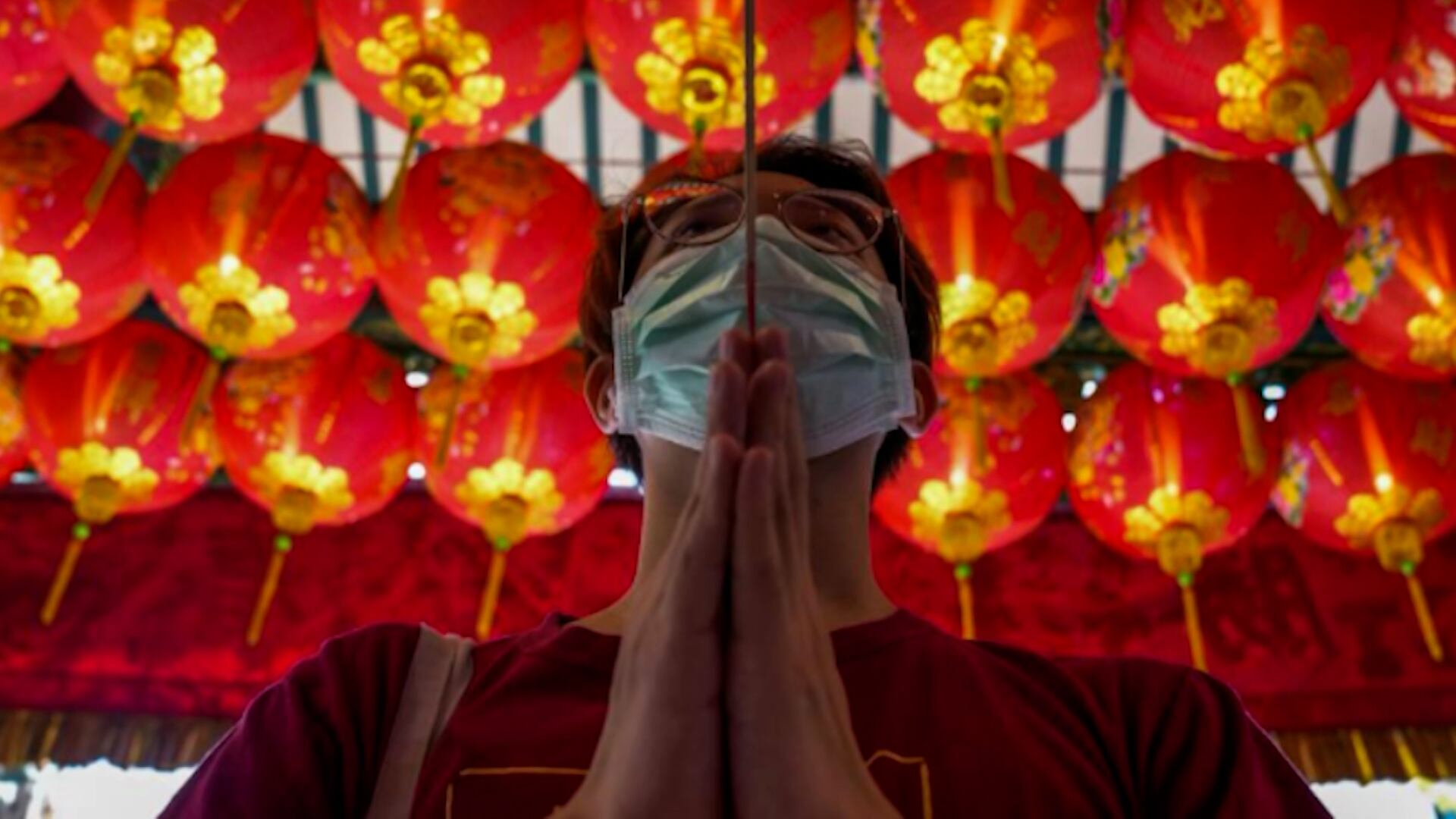
Xiaohua Yang, professor of international business and director of the China Business Studies Initiative at the University of San Francisco, joins Cheddar News to talk about the history of Lunar New Year.
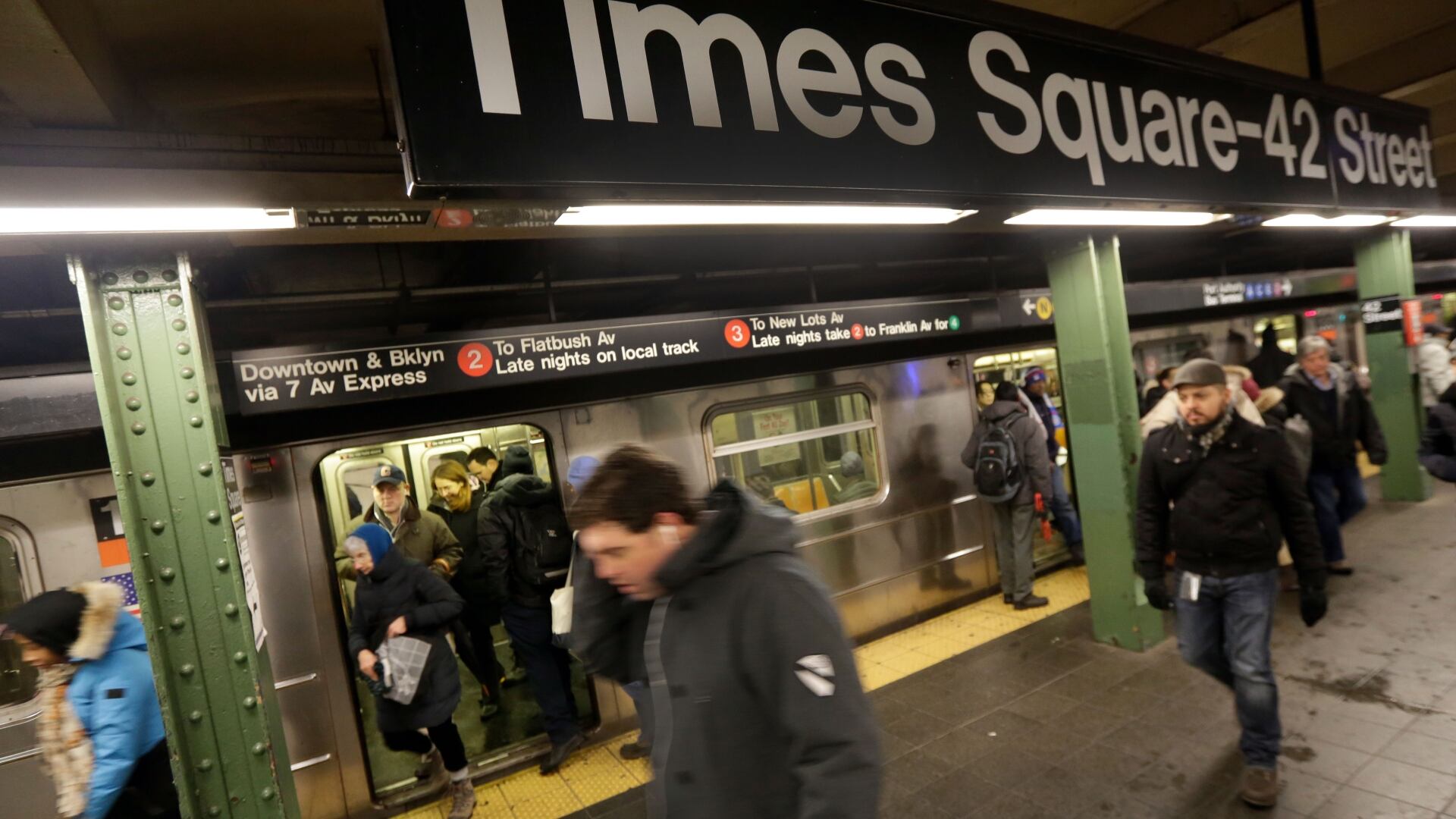
After a number of tragic subway incidents, the MTA is facing increased pressure to install subway platform screens to help prevent injury or death. However, according to an earlier report from the MTA, installing these prevented measures isn't feasible. New York City Council Member Keith Powers, joined Cheddar to discuss more.
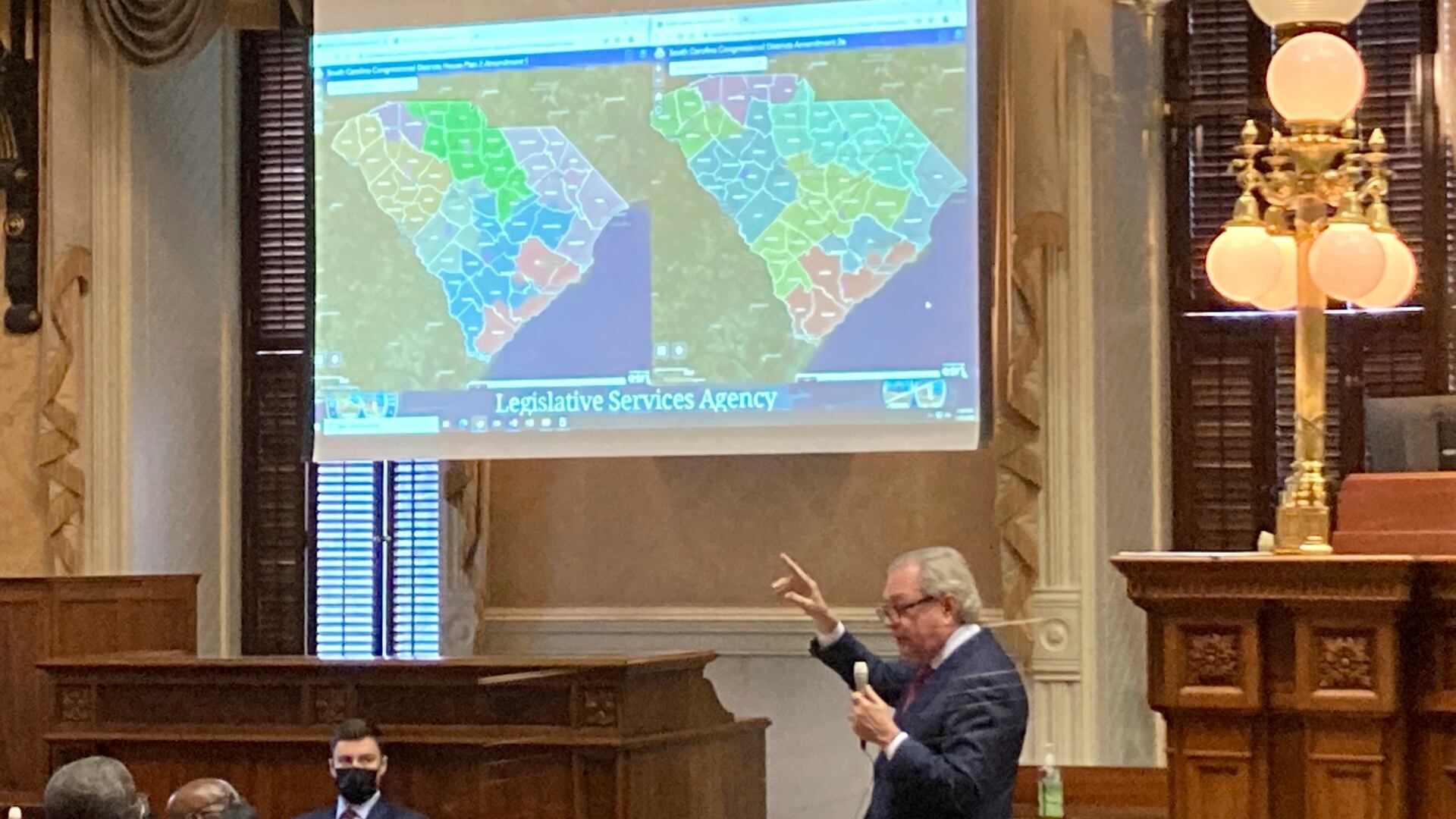
Across the country, states are working to redraw their congressional lines in what is often known as gerrymandering. These news lines are expected to determine the balance of power between Democrats and Republicans within the next decade. Senior Counsel for the Brennan Center's Democracy Program, Michael Li, joined Cheddar to discuss more.
AT&T announced earlier today it is spinning off its media properties in WarnerMedia in a merger with Discovery in a $43 billion deal.Scott Rostan, founder and CEO at Training The Street, joined Cheddar to talk about what the unwinding of the telecom giant's Time Warner media properties means for investors. "I think the investor sentiment is they're digesting the new information, and they're looking into the dividend, especially the reduction of the dividend," said Rostan, noting the transaction allows AT&T to focus on its core telecommunications business.