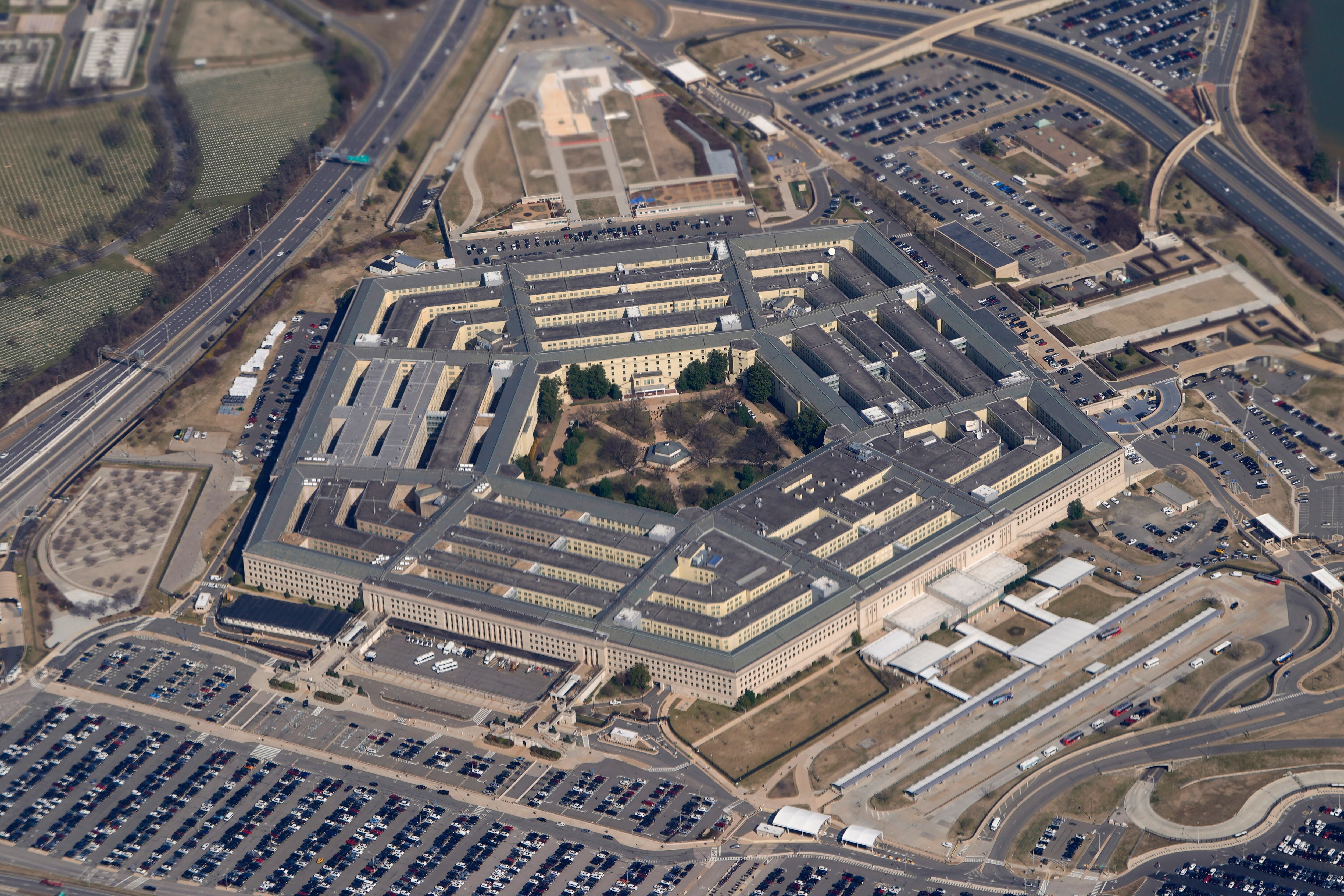
The COVID-19 pandemic forced units and offices throughout the Defense Department to stock up on a range of supplies, from disposable masks to gloves and disinfectant, all of which could be purchased with a government-issued credit card and paid off by the Pentagon.
But a DOD Inspector General review of more than 100,000 government purchase card transactions made from March 2020 to January 2022 reveals that roughly $54 million in purchases didn’t align with COVID-19 necessities.
That is nearly 40% of the $242 million spent on such needs, according to the IG report.
Another $52 million, in purchases wasn’t properly documented, and the IG was unable to verify what the cardholders actually bought.
“The audit determined that DOD [government purchase card] program officials did not conduct the required oversight to identify and correct improper or unsupported purchases by cardholders for the DOD’s response to COVID-19,” Robert Storch, the Pentagon’s inspector general, said in a Jan. 17 release accompanying the report.
The White House’s declaration of a national emergency freed up millions of dollars to be spent on pandemic response, but the IG’s report concluded that a large chunk of what DOD spent during that time was paid for with emergency funds despite the purchases having nothing to do with the pandemic.
In one example, an Army cardholder spent $2,000 on a plumber to investigate a sinkhole, then coded the purchase as “COVID-19.” The official who then signed off on the expense didn’t correct the coding.
In another, an Air Force cardholder spent $540 on internet service. When questioned, the command blamed “oversight error and high turnover rate at the location,” according to the report.
The erroneously coded transactions weren’t corrected, according to the report, because the officials charged with reviewing transactions didn’t do their jobs, despite existing guidelines requiring such reviews within 60 days.
“Addressing these issues is crucial to maintaining accountability, transparency, and the effective use of taxpayer resources in the response to COVID-19 and any future pandemics,” Storch said in the release.
When asked about their review practices, the Army said there was confusion about the requirements, the Navy gave conflicting versions of their practices and the Air Force said they aren’t required to document or report up the results of their reviews.
The head of Defense Pricing and Contracting agreed that $52 million had gone undocumented, but denied that the other $53 million was improperly spent.
“However, we concluded that the expenditure of funds were not necessary or reasonable for the intended and reported purpose (DoD’s COVID-19 response) and, therefore, met the definition of a questioned cost,” according to the report, adding that the official provide a response to the IG addressing the issue directly.
The IG recommended that the Government Purchase Card program not only “re-emphasize” the importance of documenting payment, but also create a process that will at least semiannually review purchases made in the name of a contingency operation, as well as create new oversight rules for the program in general.
As of the report’s release, Defense Pricing and Contracting has agreed to the recommendations, but hasn’t completed them.
This story was originally published on militarytimes.com. You can read it here.