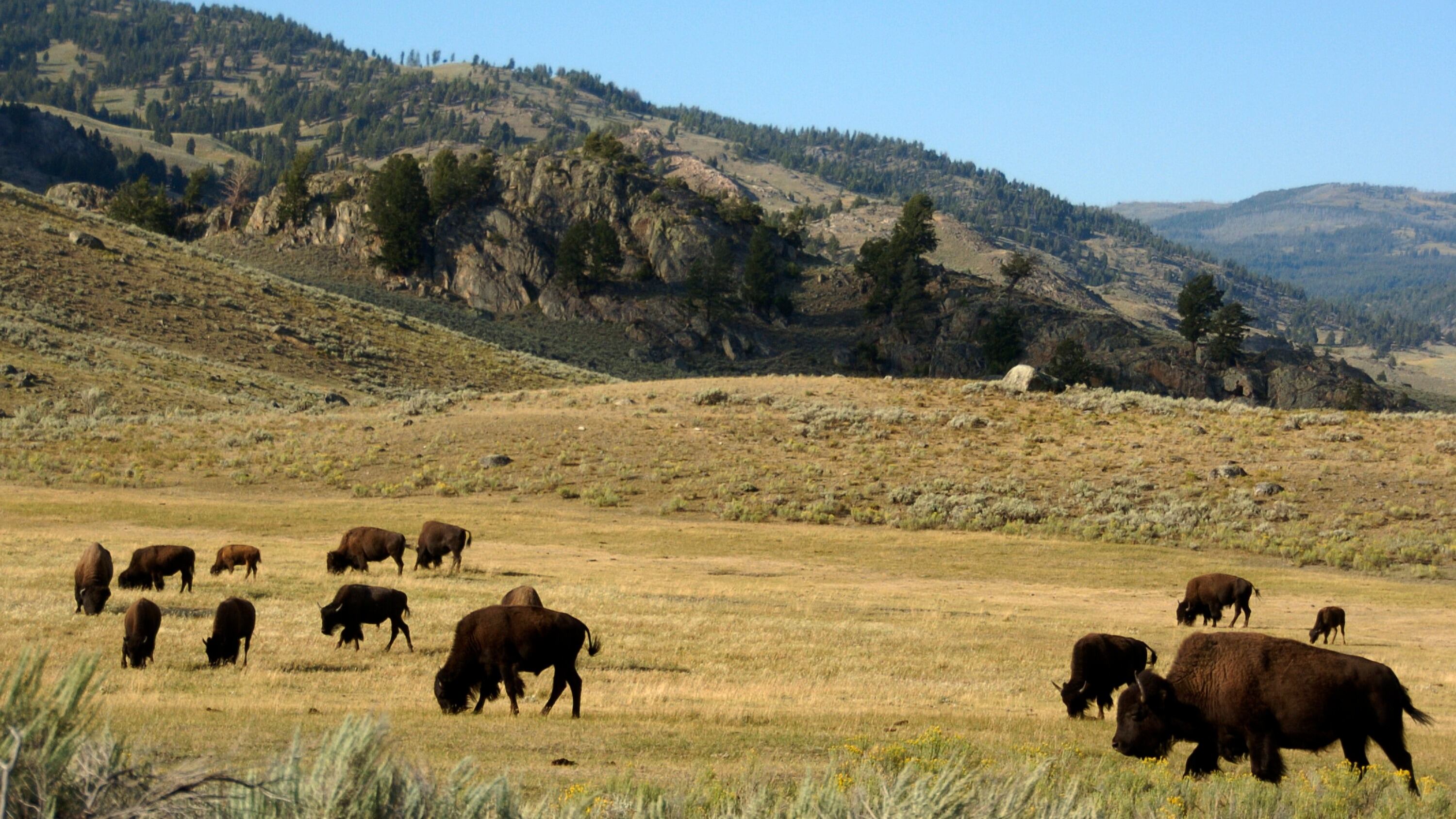
Yellowstone National Park officials killed a newborn bison because its herd wouldn’t take the animal back after a man picked it up.
The calf became separated from its mother when the herd crossed the Lamar River in northeastern Yellowstone on Saturday. The unidentified man pushed the struggling calf up from the river and onto a roadway, park officials said in a statement Tuesday.
Park rangers tried repeatedly to reunite the calf with the herd but were unsuccessful. Visitors saw the calf walking up to and following cars and people, creating a hazard, so park staff killed the animal, according to the statement.
It's the latest example of Yellowstone visitors getting in trouble or hurt after approaching bison. Park officials euthanized a newborn bison after a similar incident in 2016, when a Canadian man and his son put the calf in their SUV, thinking they could rescue it.
The man pleaded guilty. He was fined $235 and ordered to pay $500 to the Yellowstone Park Foundation Wildlife Protection Fund.
Bison have gored several people in Yellowstone in recent years, often after they got too close to the animals.
Many of Yellowstone’s larger animals — including bison, which can run up to 35 mph (55 kilometers per hour) and weigh up to 2,000 pounds (900 kilograms) — are deceptively dangerous, even when they’re just grazing or resting.
Park rules require visitors to keep at least 25 yards (23 meters) away from wildlife including bison, elk and deer, and at least 100 yards (91 meters) away from bears and wolves.
Park officials are investigating the bison calf incident. The suspect was a white male in his 40s or 50s who was wearing a blue shirt and black pants, the statement said.
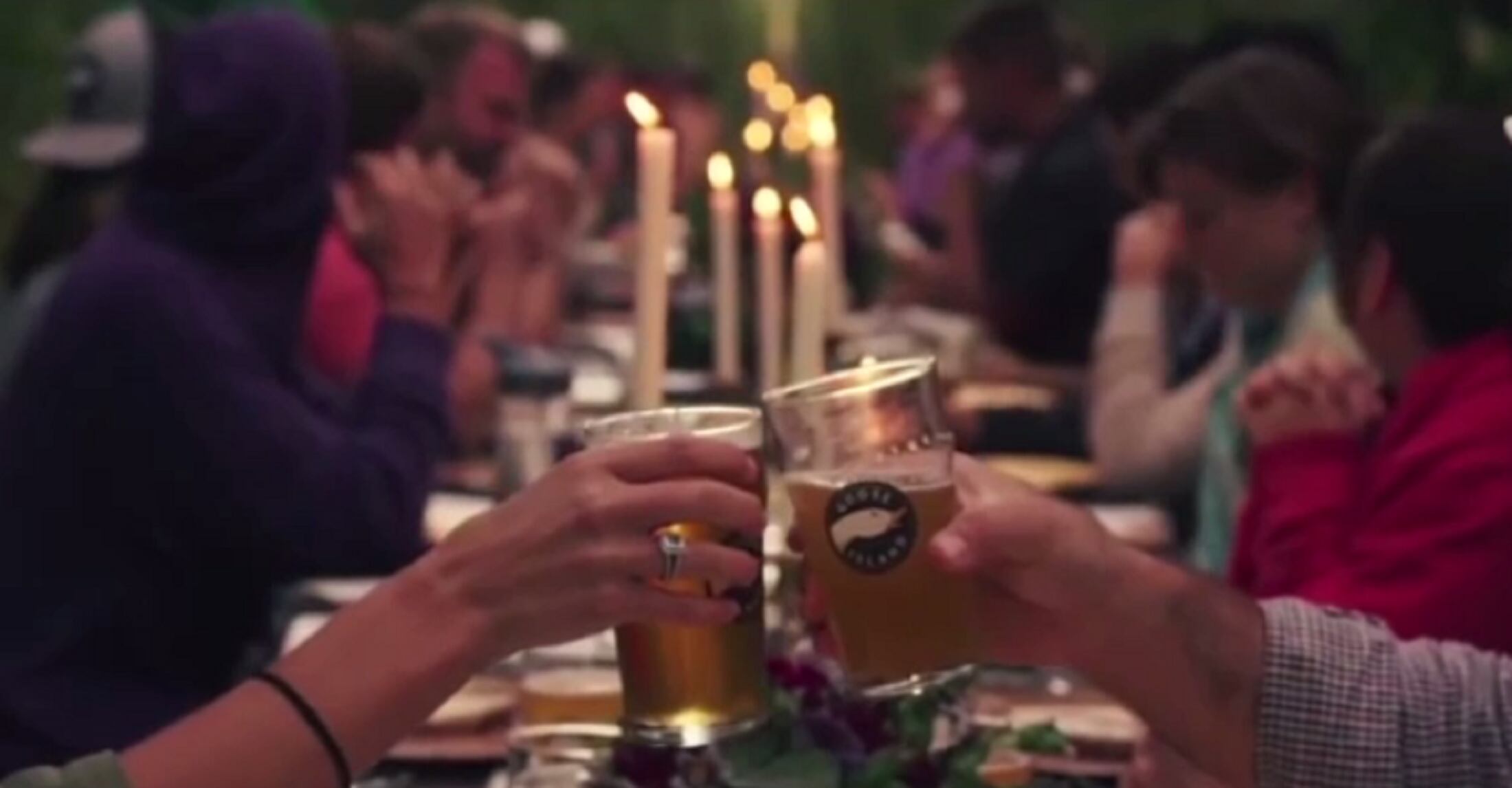
Maisie Devine, global director for Anheuser-Busch InBev's 100+ Accelerator, said the incubator will focus on nurturing sustainable start-ups, as the alcohol giant commits to reducing its own emissions by 25 percent.
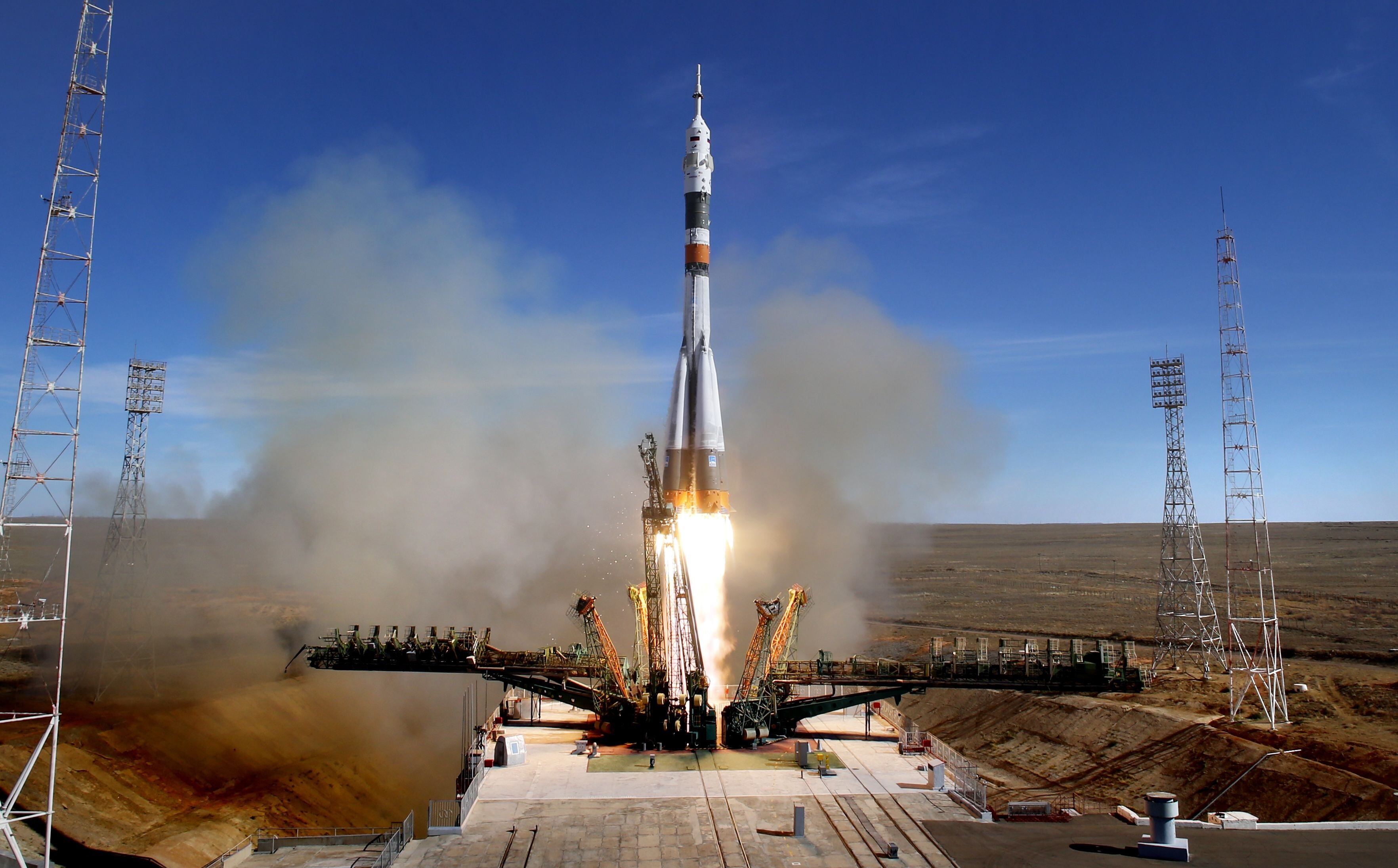
An unknown malfunction prompted an emergency landing of a Russian rocket, with the American astronaut and Russian cosmonaut on board both found safe. Sarah Lewin, an editor at Space.com, said these events are rare but astronauts train extensively for them.
The markets looked to recover from a major sell-off on Wednesday. The Dow closed down more than 800 points. The Florida Panhandle is reeling after Hurricane Michael tore through the region causing catastrophic damage. And Razer launched a handful of new products, including the Razer Phone 2, to make gaming more accessible. Kevin Allen joins Cheddar to explain what makes the products stand out in the gaming world.
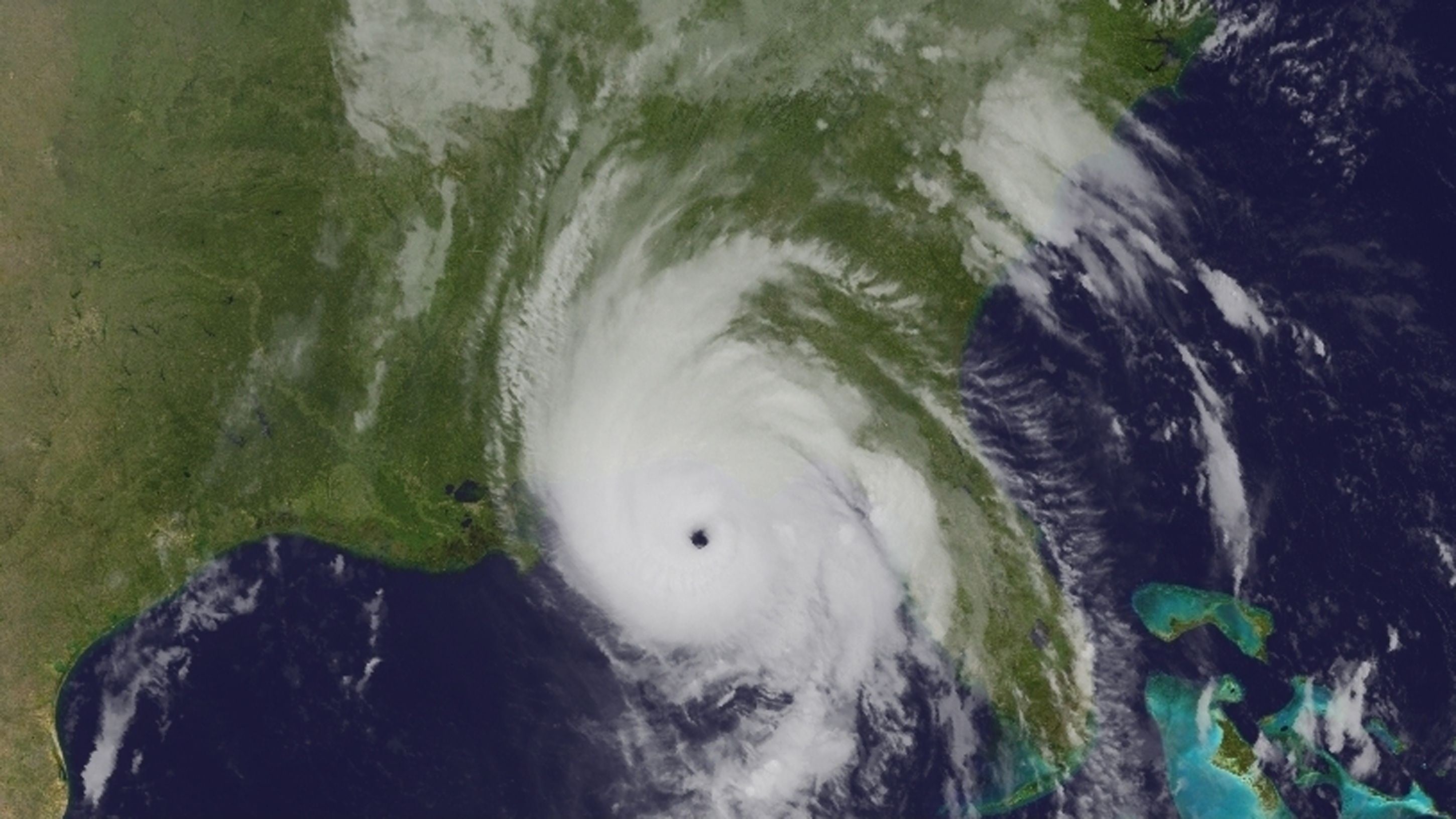
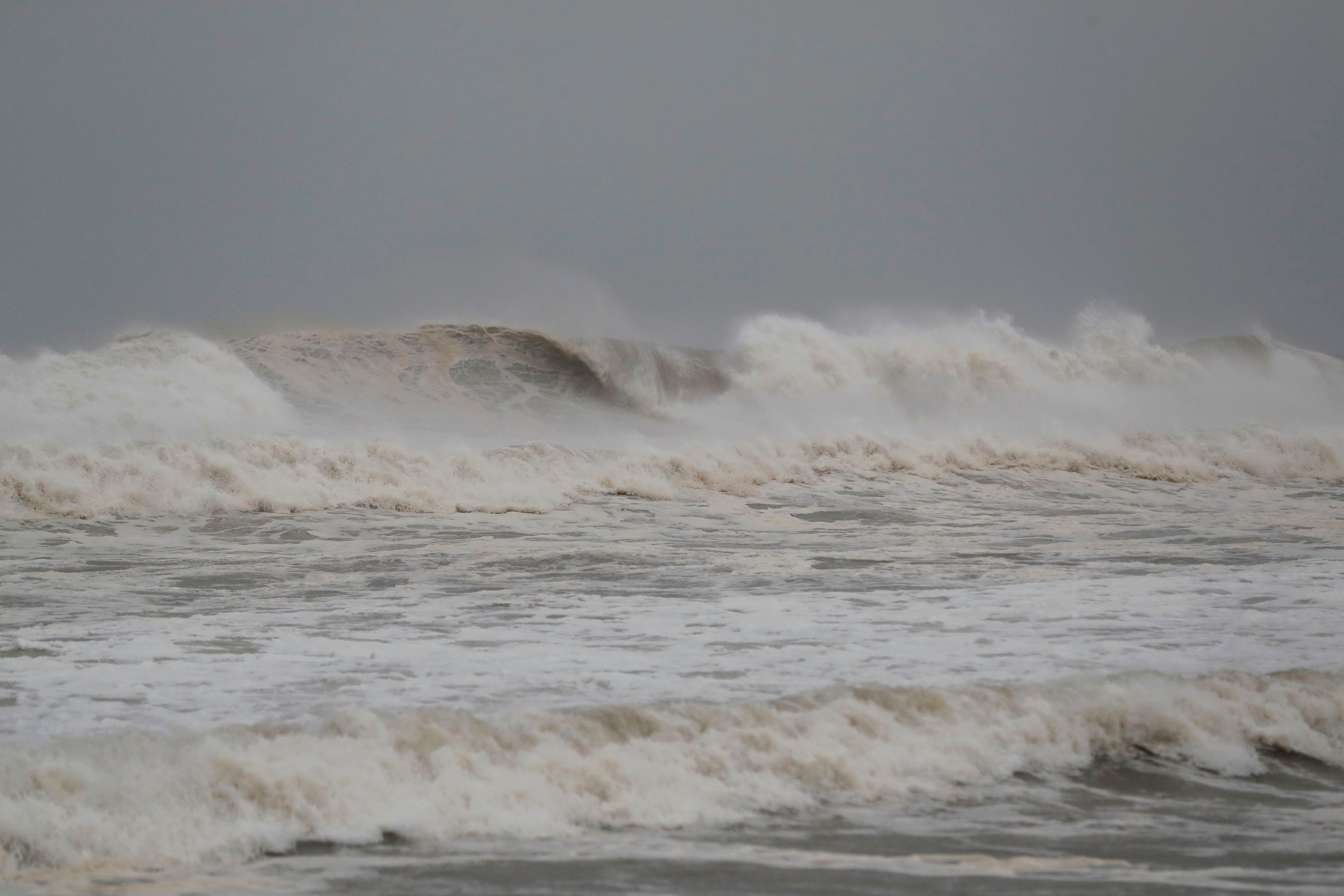
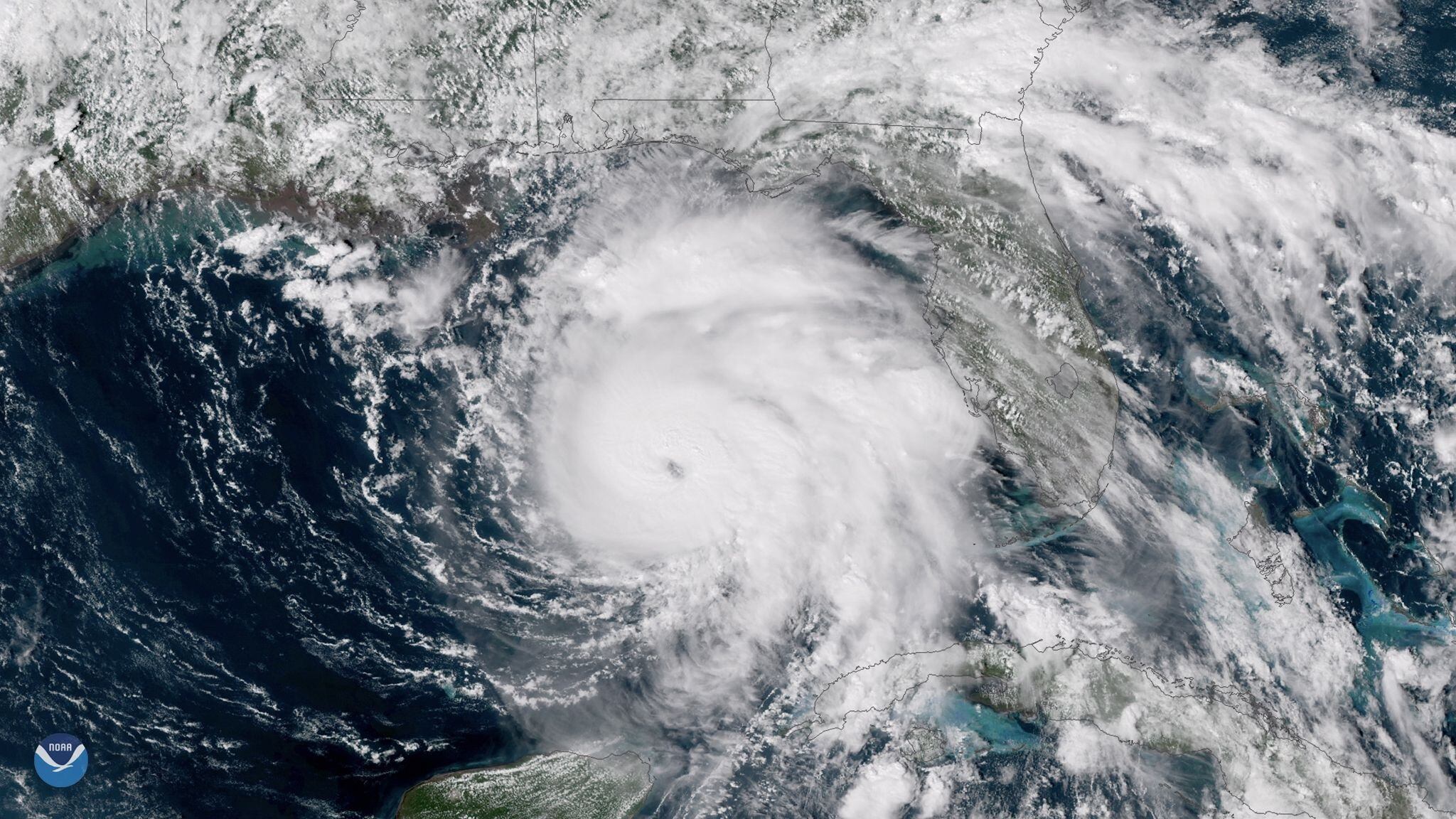
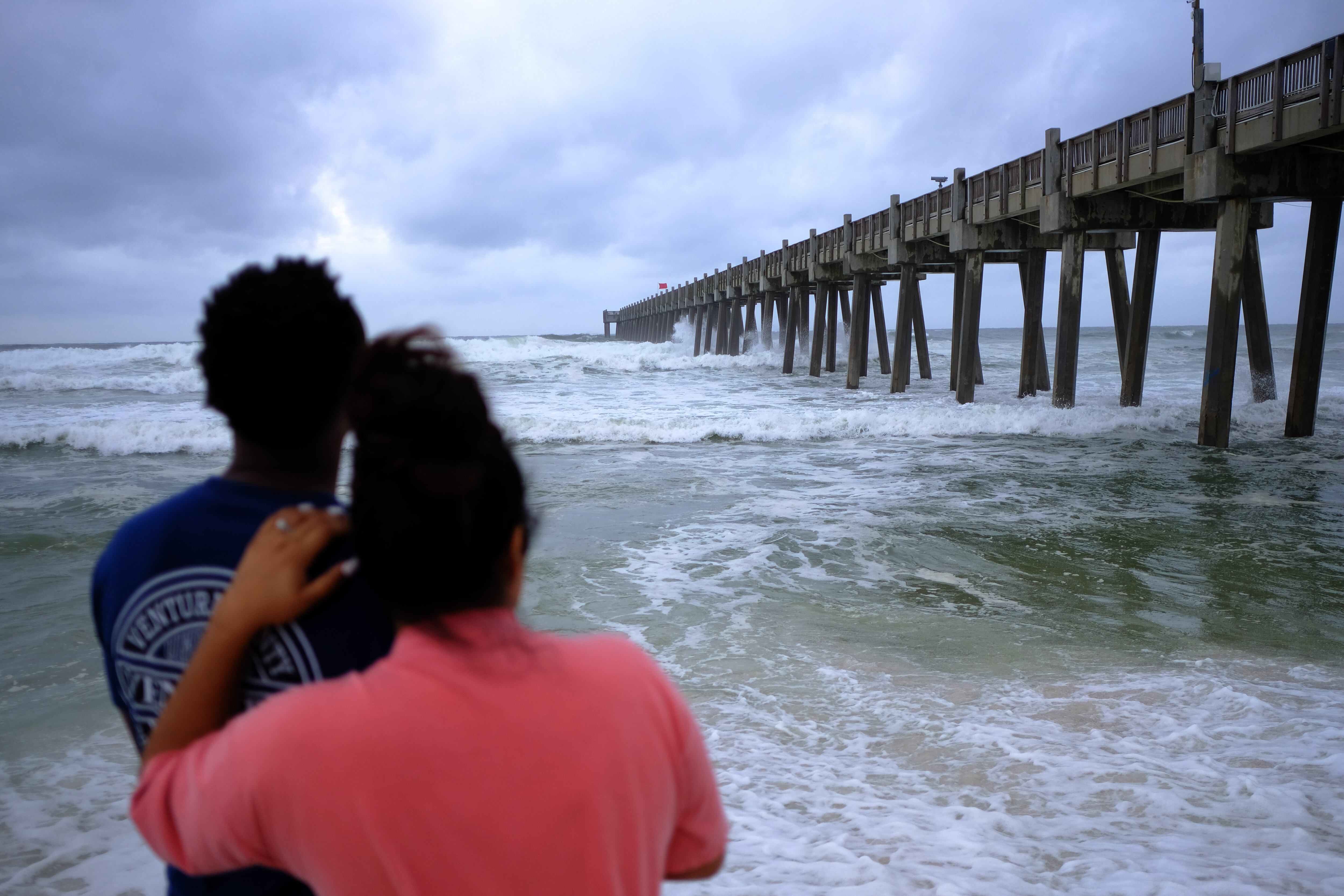
Hurricane Michael made landfall on Wednesday as a Category 4 storm, heading for areas that are still recovering from Florence. Jason Samenow, the Washington Post's weather editor, said the storm is far from over and that the biggest concern will be storm surges.
Hurricane Michael strengthened to a Category 4 overnight as it barrels towards the Florida Panhandle. AccuWeather predicts the hurricane will cause $30 billion in damage. SoftBank is reportedly in talks to take a majority stake in WeWork. Plus, Cheddar's Alyssa Julya Smith chats with actor Caleel Harris about what to expect from the upcoming 'Goosebumps 2: Haunted Halloween' movie and his role in Ava DuVernay's 'Central Park Five' TV series.
Hurricane Michael strengthened into a monster Category 4 storm overnight, tracking for a Wednesday afternoon landfall near Panama Beach, Fla. Joel Myers, founder and president of AccuWeather, explained the specific dangers of this storm for the southeast.
These are the headlines you Need 2 Know.
Hurricane Michael has strengthened to Category 2 hurricane as of Tuesday and could ramp up to Category 3 by the time it makes landfall in Florida Wednesday. Eric Holthaus, meteorologist and writer for Grist, said the storm is likely to be the worst to hit the Panhandle in decades.
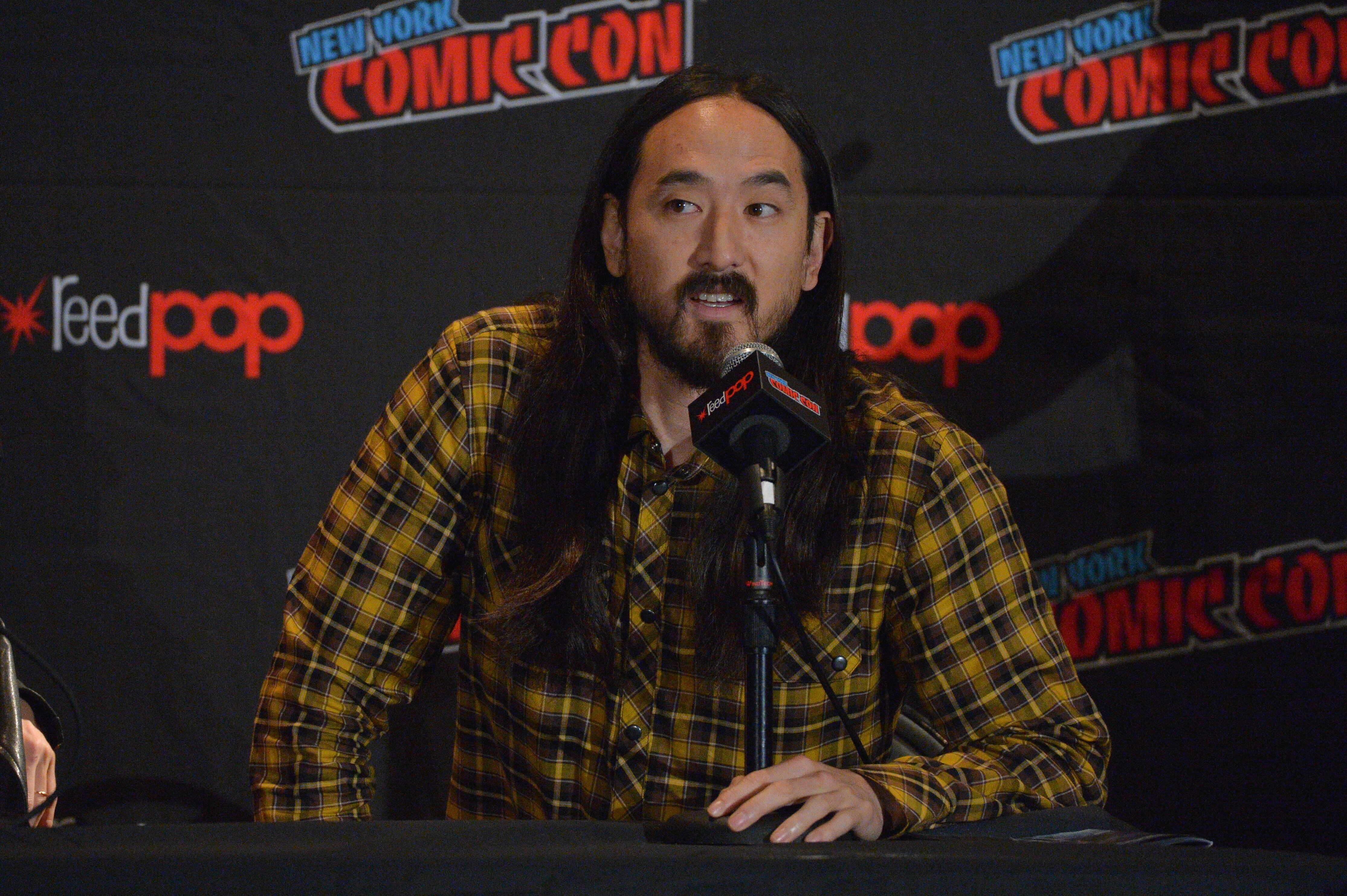
Acclaimed music producer, DJ, and entrepreneur Steve Aoki is dipping his toe into comic books. At New York Comic Con Aoki debuted 'Neon Future,' his comic debut.
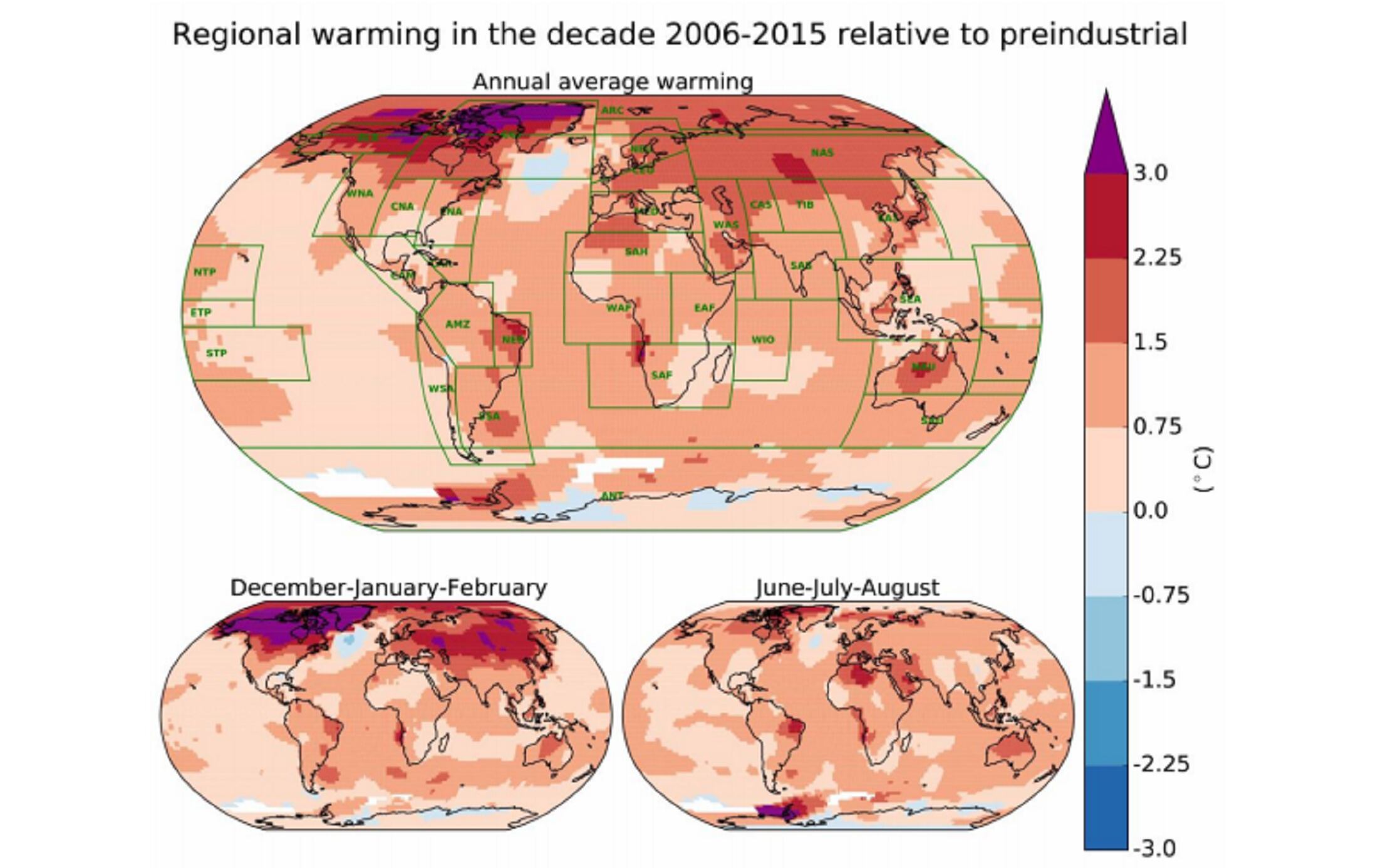
A landmark report issued by the Intergovernmental Panel on Climate Change Monday warned that there could be irreversible damage caused by climate change in as little as 12 years. Andrew Freedman, science reporter at Axios, said the effects of this could be even hotter heat waves, sea-levels rising that could wipe out coastal cities, food shortages, and more.