After eight daunting months of battling COVID-19, there may be some light at the end of the tunnel as two potential vaccine candidates recently announced promising test results.
Vaccines from Pfizer and Moderna are similar in that they both use emerging technology called messenger ribonucleic acid (mRNA) to reach nearly 95 percent efficacy. Typically, scientists create vaccines by using live or inactivated virus cells, which puts the actual disease into a person’s body. However, with mRNA technology, Pfizer and Moderna were able to avoid that. MRNA carries coded instructions that tell cells what defenses are necessary by appearing as a threat.
Of Course, There's a Catch
The use of the molecule is groundbreaking for a number of reasons. One is the speed at which the vaccines were developed. The other is that the use of mRNA means the vaccines contain no infectious COVID-19 properties that could get patients sick.
However, there is a drawback to the vaccines: they have to be stored in brutally cold temperatures.
Under normal circumstances, vaccines can survive when stored at around 40 degrees Fahrenheit, but for Moderna, the vials must be stored at -4 degrees.
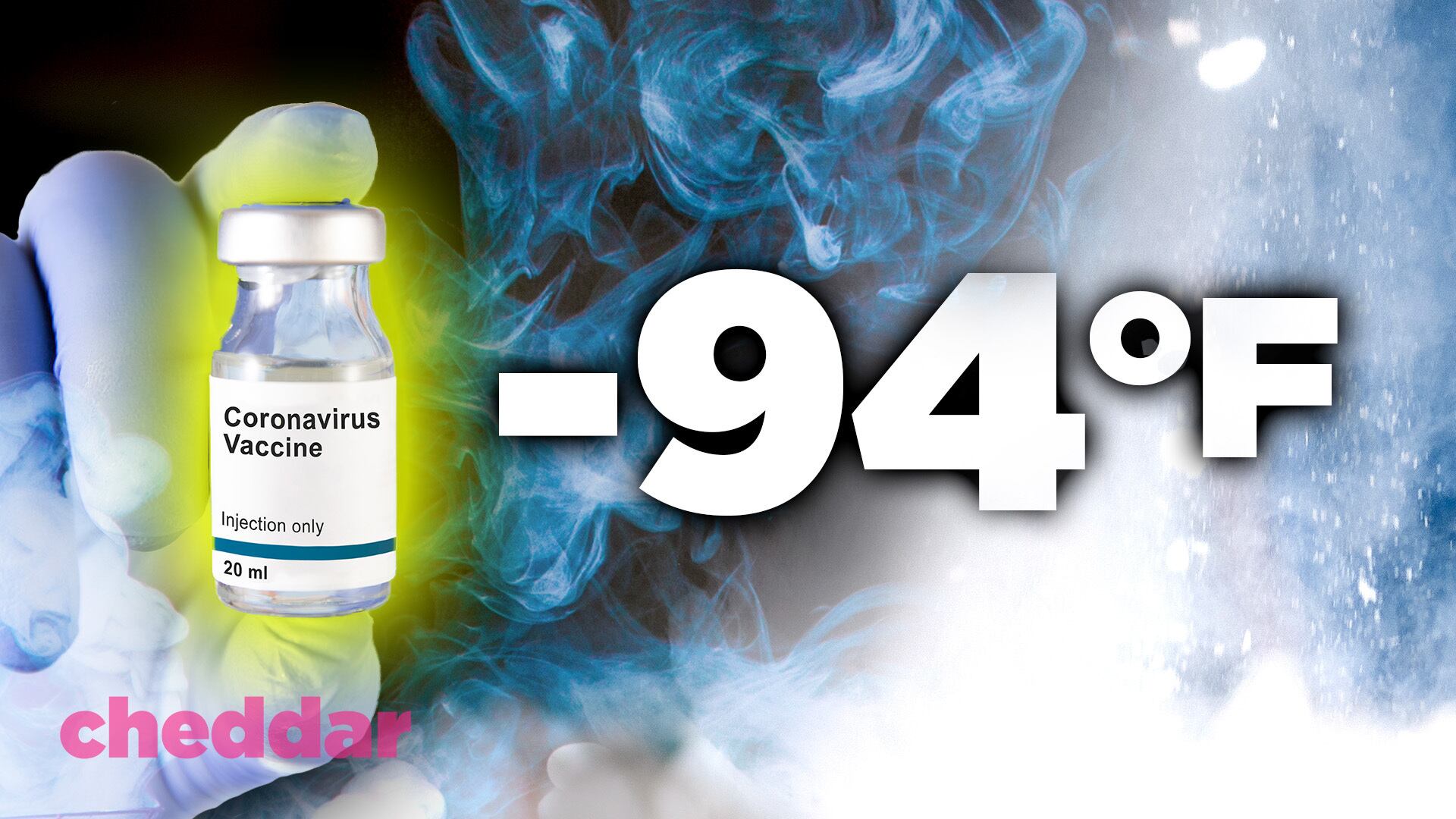
For Pfizer's vaccine, the threshold for keeping an effective dose is even steeper at a staggering -94 degrees. The icy temperatures are necessary to keep the mRNA molecule intact, otherwise it “begins to fall apart and twist around in ways so that it doesn’t become effective,” a representative for the pharmaceutical giant told Cheddar.
Vaccine Storage & Distribution Roadblock
With the need for cold storage comes the obstacle of how to pull off widespread distribution. Most hospitals in the U.S. do not house facilities that meet the requirements to store either the Moderna or Pfizer vaccines for extended periods. Both vaccines are able to survive in typical storing temperatures of 35 to 46 degrees, but their shelf lives are limited that way.
For Pfizer, the vaccine would no longer be effective after five days in normal storage temperatures. Moderna, meanwhile, shows more promise when it comes to effective distribution as it’s vaccines appear to remain effective for a month while stored 35 degrees.
Pfizer has come up with a plan to ship its vaccine in boxes filled with dry ice. The vials will remain protected for up to 15 days -- but the container can only be opened up to two times per day.
This could be a logistical nightmare for parts of the world that don't have sufficient equipment - or enough dry ice - to keep the vaccines. Even in rural America, many hospitals don't have freezers that can keep doses cold enough, particularly for the Pfizer vaccine.
Getting Vaccinated
So what does this mean for you? Once the FDA approves emergency use authorization of either one or both of the vaccines, it looks like they will likely be distributed first among populations that need it the most: frontline healthcare workers, the elderly, and those suffering from underlying health conditions.
Like several existing vaccinations for other conditions, both Pfizer and Moderna require two rounds of treatment in order for the body to build up complete immunity. For those receiving the Pfizer vaccine, patients will need to return for a second dose after three weeks and for those getting the Moderna vaccine, they'll have to go back for round two after four weeks.
Video produced by Ali Larkin. Article written by Lawrence Banton.
Netflix stock is surging after the company reported first-quarter earnings, disclosing that the company added 7.4 million subscribers in the first three months of this year. Netflix now has 125 million subscribers globally. This year, Netflix plans to spend $8 billion on developing original content.
Goldman Sachs reported earnings on Tuesday, soaring past Wall Street estimates. The firm said its quarterly revenue hit $10 billion, an increase of 27%. Goldman's successful first quarter is due in large part to the recent surge in trading and market volatility.
Plus, we talk artificial intelligence with Sam Mantle, managing director of digital enterprise at Luxoft. The company recently announced a partnership with Softbank Robotics America to improve technology in "Pepper" the robot. Mantle digs into how Pepper can be used across industries from travel, to retail, to hospitality, noting that developers are just starting to learn how expansive and beneficial artificial intelligence can be.
The fallout from Facebook's latest data scandal continues to intensify. The Weinstein Co. officially files for bankruptcy protection after many attempts to sell the company failed. Josh Sternberg, tech editor for AdWeek, joins us to discusses how Uber moves forward after one of its driverless cars killed a pedestrian in Tempe, Arizona. And Bri Bauer from Dairy Queen brings ice cream cones to the trading floor to celebrate the company's National Cone Day. On the first day of spring, Dairy Queen gives customers free vanilla ice cream cones.
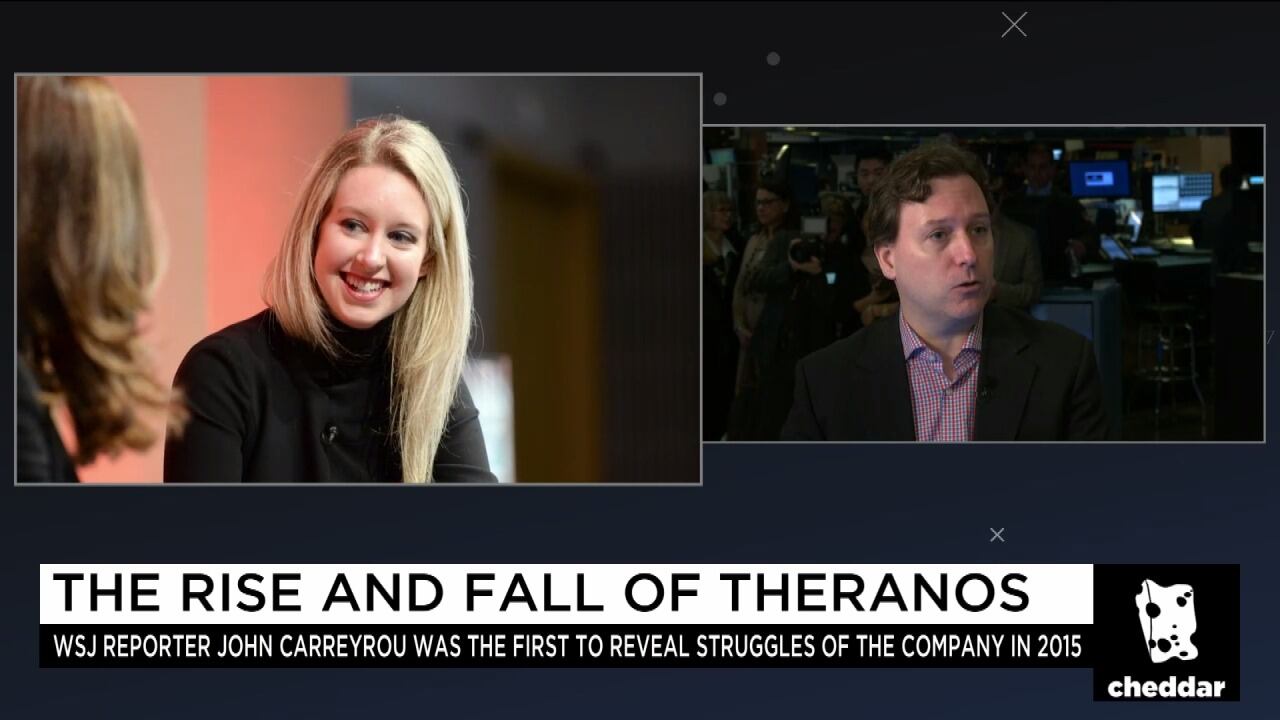
One of Nike's top executives is stepping down over misconduct allegations. Airbnb is making it easier for people with disabilities to find rentals on its platform. We dive into the Theranos fraud scandal with the Wall Street Journal reporter who initially reported that something was off with the start-up blood testing company. And Tim Stenovec chats with Neil Patrick Harris about season two of his Netflix show "A Series of Unfortunate Events."
For now, the disgraced founder and CEO of Theranos says she plans to stay on in that role at the company. But a criminal investigation is still ongoing, and indictments could follow, says John Carreyrou, the investigative reporter at The Wall Street Journal who saw through the hype early.
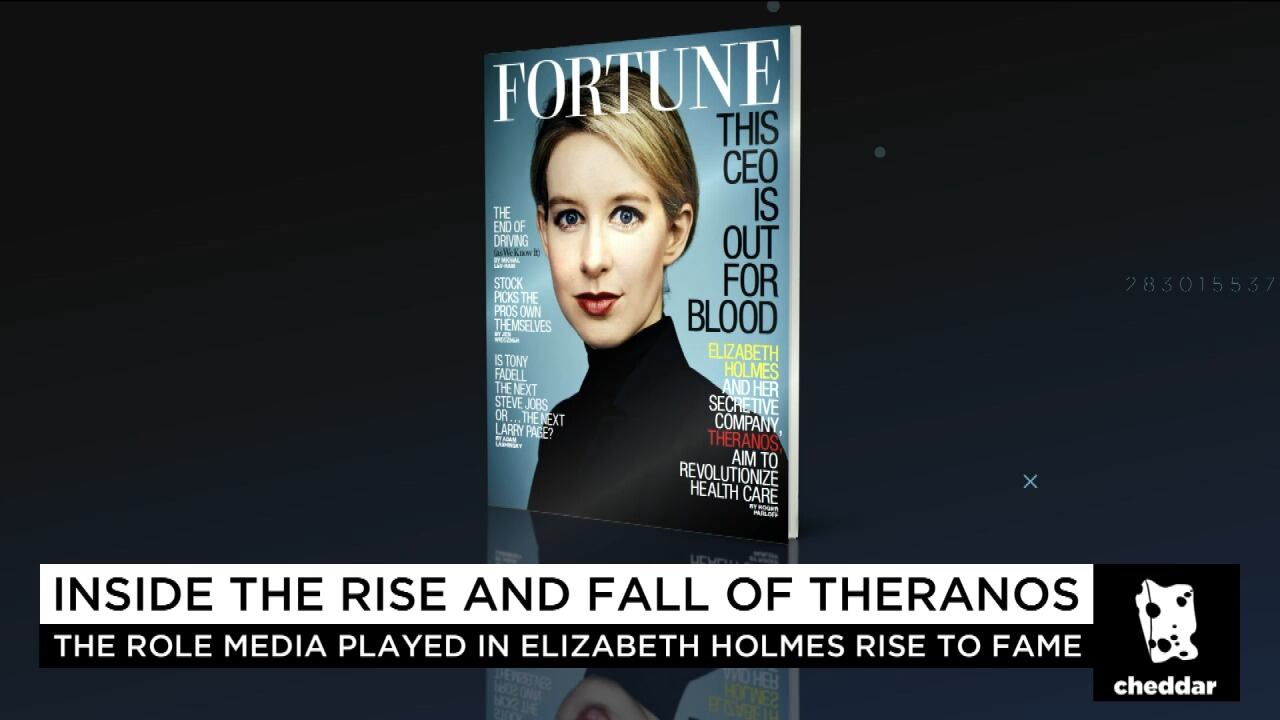
A lot of the media hyped up the technology of Theranos. But when they asked probing questions, they were given "convoluted or confusing" statements.
In celebration of "Pi Day", Curiosity.com editor and podcast host Ashley Hamer looked at the history of the geometric ratio. She told Cheddar that back in 1897, one amateur mathematician almost convinced the Indiana state legislature to pass a law saying 𝜋 is actually equal to 3.2!
"Weed the People" seeks to raise awareness of the impact cannabis has on cancer patients and to depict how the chemicals in the plant can be life-saving.
Sara Chodosh, assistant editor at Popular Science, discusses how Daylight Saving Time affects your health. We talk about the rise in fatal car accidents due to sleep deprivation, as well as the negative effects to your health like an increased rate of heart attacks.
Sangita Patel, CEO at LeVar Burton Kids, says that as an Indian child she didn't see herself represented on TV, and she wants to change that for the upcoming generation.
A new study finds fakes news travels 6 times faster on Twitter than real news. The head of Goldman Sachs responds to reports he is leaving his post. Florida Governor Rick Scott signs a gun safety bill. The bull market celebrates its 9th birthday. The Nasdaq hits a record high.