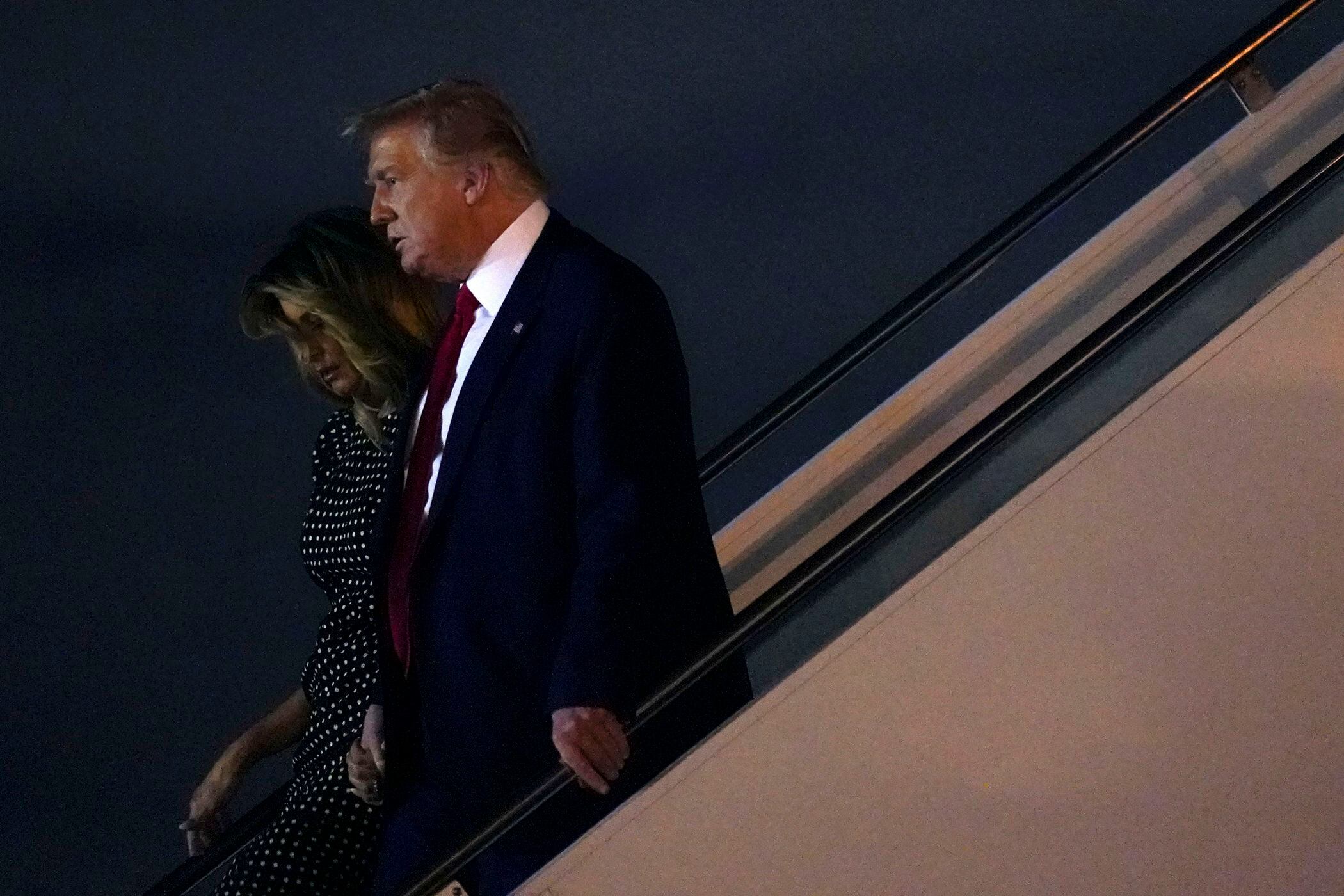
President Donald Trump and first lady Melania Trump step off Air Force One at Palm Beach International Airport, Wednesday, Dec. 23, 2020, in Palm Beach, Fla. Trump is visiting his Mar-a-Lago resort. (AP Photo/Patrick Semansky)
From Wall Street to Silicon Valley, these are the top stories that moved markets and had investors, business leaders, and entrepreneurs talking this week on Cheddar.
STIMULUS WHIPSAW
The S&P 500 ended down for the week with the Dow and Nasdaq slightly higher as the Street wrapped up early Thursday for the Christmas holiday. A stimulus package from Congress looked like it was going to emerge as a gift early in the week, but the president threw that plan into turmoil Wednesday when he demanded payments to Americans be jacked up from $600 to $2,000, a plan GOP House members officially derided Thursday. Still, the need for major economic relief became even more apparent in the data this week. Another 800,000 Americans joined the ranks of the unemployed last week. If the stimulus bill is not signed into law soon, federal unemployment benefits expire in a week, leaving millions of people without any income. Consumer spending dropped in November for the first time since the pandemic started, consumer confidence is at a four-month low, and even the resilient housing market is faltering with sales of new single-family homes dropping sharply in November.
SHIPAGEDDON
The U.S. Postal Service is buckling under the weight of an absolute deluge of mail and package volume that is causing widespread delivery delays across the country. On-time performance was 86 percent last week, and perhaps even lower now. Foot traffic at retail stores was down 40 percent last weekend compared to last year. Everyone is doing their shopping online, and it has created a logjam that is cresting at the worst possible time. FedEx and UPS have instituted limits on their networks, leaving the USPS as the shipper of last resort. Best Buy is even experimenting with sending its own employees out to deliver items. As one meme going around puts it: "Stop trying to track that package. It's in God's hands now."
APPLE V. TESLA
Apple is reportedly jump-starting its plans to build a self-driving car from scratch. The iPhone maker is said to be targeting 2024 for the launch of an autonomous vehicle that will include a supposed breakthrough in battery technology. Apple's self-driving car strategy, codenamed Project Titan, has gone through fits and starts over the past several years, but the company is reinvigorating the project thanks to a "radical" new battery design. If those plans materialize, Apple would be going head-to-head with Tesla. CEO Elon Musk said this week that he had offered to sell Tesla to Apple three years ago as the company was faltering with the Model 3, but Apple boss Tim Cook "refused to take the meeting." Tesla shares closed the week down slightly after its first week as a member of the S&P 500.
FITNESS MERGER
Peloton closed at another all-time high this week after the fitness bike maker announced it was buying Precor, the commercial fitness equipment manufacturer, for $420 million. The deal gives Peloton access to 625,000 square feet of new manufacturing space in the U.S. that it desperately needs to keep up with the demand for its at-home products. Peloton will end 2020 as one of the top "stay-at-home" stocks of the pandemic, up an astonishing 470 percent on the year.
WALMART OPIOID LAWSUIT
Walmart will have to answer for its purported role in the opioid epidemic that has ravaged the U.S. The Justice Department filed suit against the superstore this week alleging that its pharmacies filled thousands of suspicious prescriptions that it "knew were invalid." Walmart already began fighting back, saying the DOJ's investigation has been "tainted by historical ethics violations." Walmart's stock dipped after the suit was announced.
Pinterest recently added augmented reality to its portfolio. The image sharing and social media platform's new e-commerce tech will allow consumers to interact with retailers and visualize online products inside their homes.
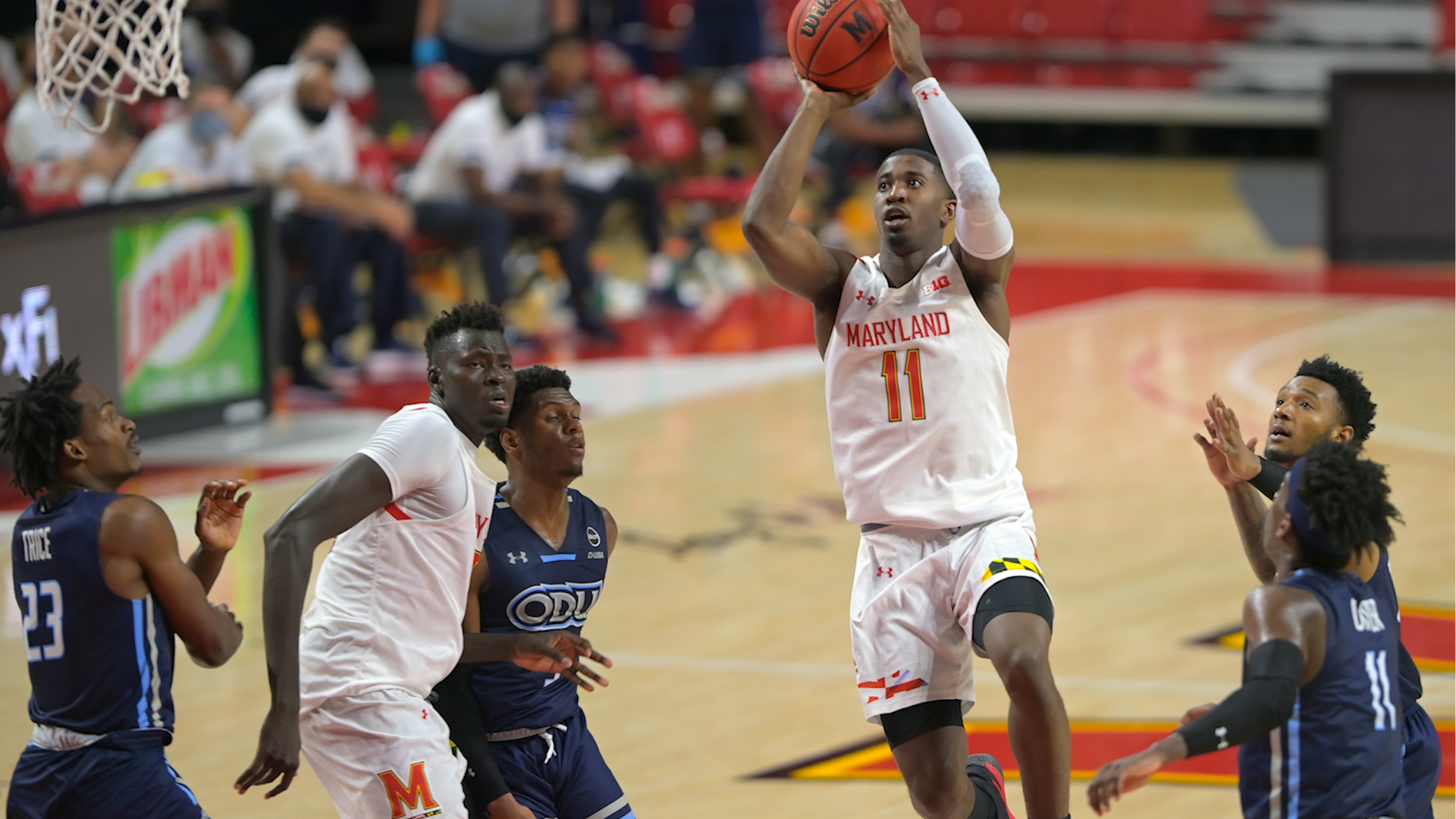
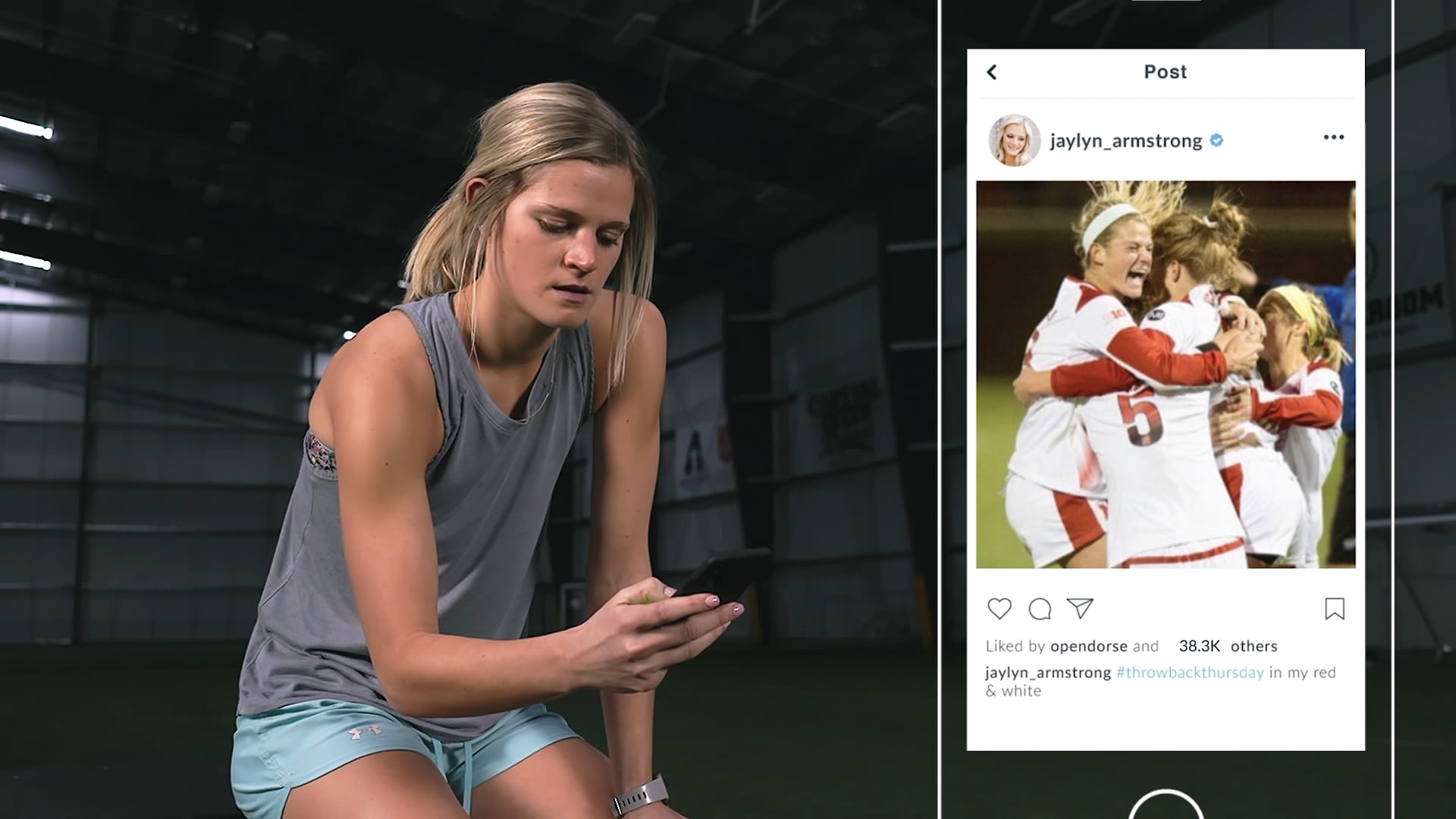
On this episode of Cheddar Reveals, Jim Riordan, Director of the MBA Sport Management program at Florida Atlantic University, breaks down the successes, failures, and chaos of the first seven months of the Name, Image, Likeness policy in college athletics; Adi Kunalic, President of Opendorse, discusses the first-ever association-wide deal in college athletics between Opendorse and the NAIA, and how Opendorse is marketing and educating student-athletes to make the most of their NIL deal potential; Cheddar gets a look at Curiosity Stream's 'Predicting a Pro'.
Jim Riordan, Director of the MBA Sport Management program at Florida Atlantic University, joins Cheddar Reveals to break down the successes, failures, and chaos of the first seven months of the Name, Image, Likeness policy in college athletics.
Adi Kunalic, President of Opendorse, joins Cheddar Reveals to discuss the first-ever association-wide deal in college athletics between Opendorse and the NAIA, and how Opendorse is marketing and educating student-athletes to make the most of their NIL deal potential.
Jason Chinnock, CEO of Ducati North America, discusses ways demand has changed over the last year and what supplying race bikes for the MotoE World Cup series means for Ducati's future.
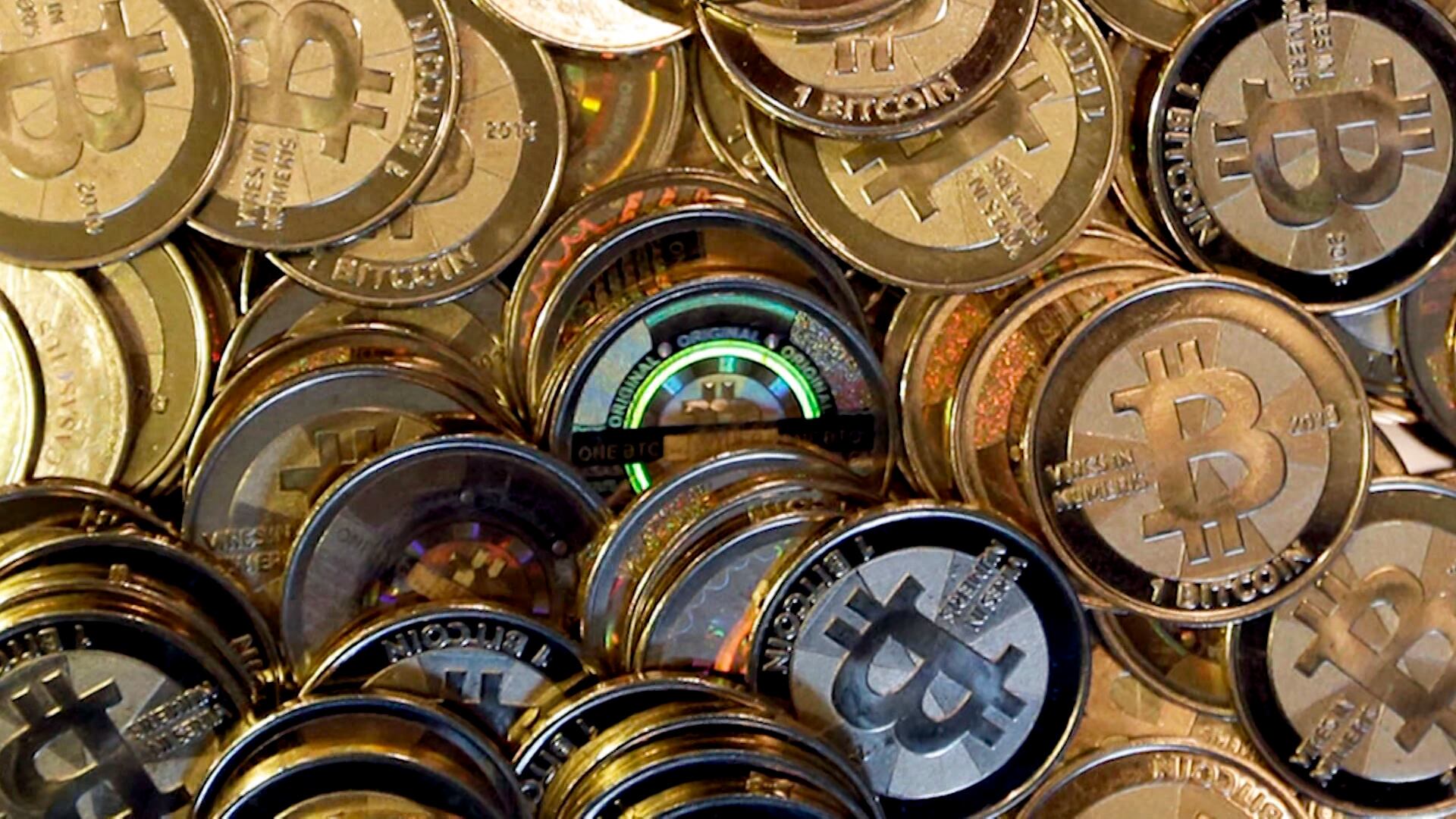
The value of most cryptocurrencies have plummeted in recent months since reaching all-time highs in November, wiping out more than $1 trillion in value globally. The steep crash has some talking about the possibility of a crypto winter, a term referring to a prolonged bearish period where asset prices persistently fall over many months. This all comes as the Fed is expected to raise interest rates, and the Biden administration is working on an executive order to regulate Bitcoin and other assets. Josh Goodbody, COO of Qredo, joined Cheddar's Opening Bell to discuss the crypto crash, and how the industry might recover from it.
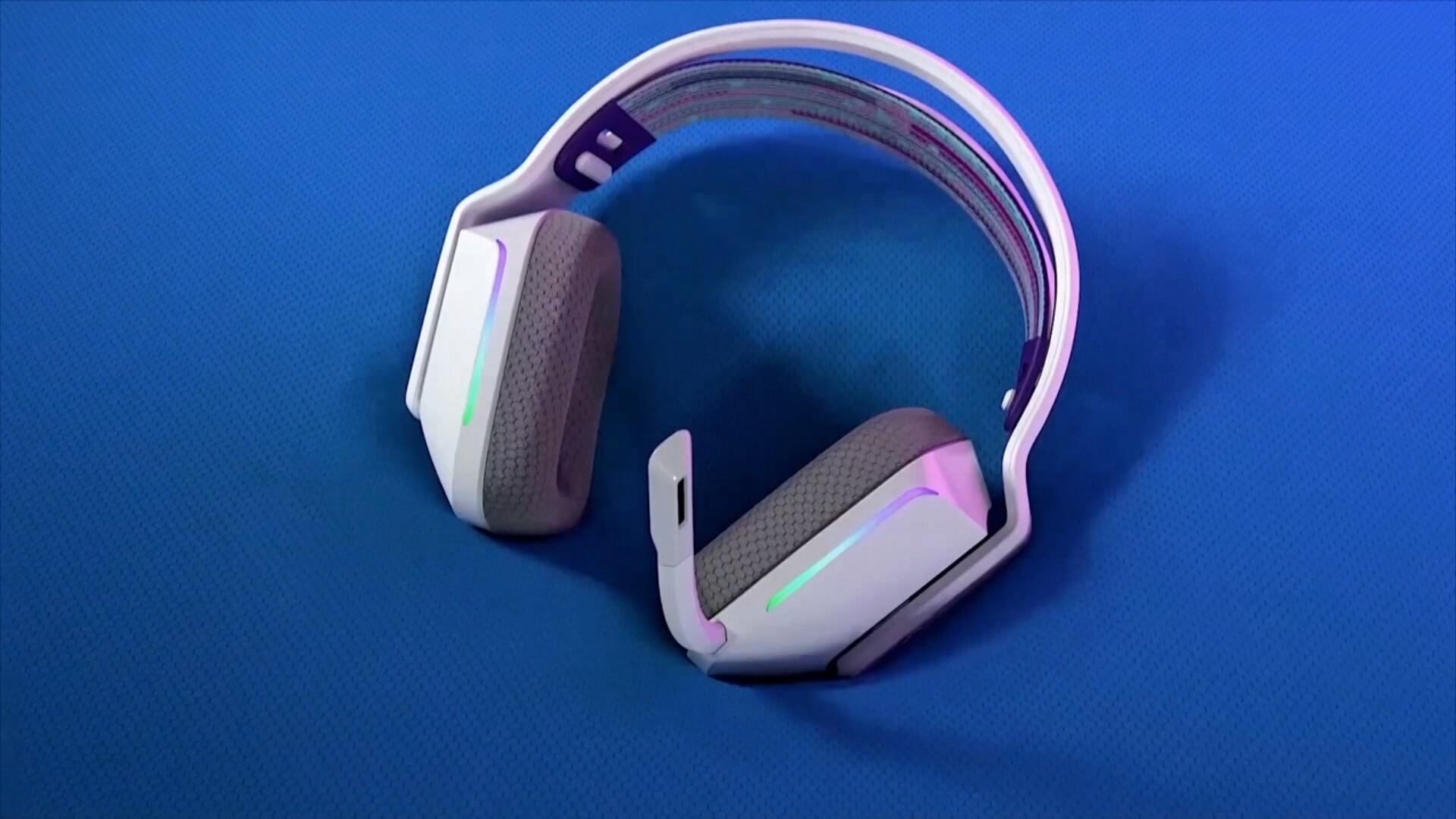
Logitech posted better-than-expected earnings in its third quarter, reporting sales of $1.63 billion dollars, down 2% from the year ago quarter, but well ahead of the Wall Street consensus of $1.48 billion dollars. The PC and gaming peripherals company also raised its annual guidance for both sales and profitability. Bracken Darrell, Logitech CEO, joined Cheddar to break down his reaction to the results, how the pandemic played a role in its growth, and where he wants to take the company next.
Starbucks is scheduled to report its fiscal first quarter 2022 earnings Tuesday, February 1 after the bell. The coffee giant is expected to report revenue of nearly $8 billion and earnings per share of 79 cents. Starbucks has seen a solid recovery in demand since the beginning of pandemic lockdowns, but is now facing a unionization push, labor shortage, and the Omicron variant. Thomas Hayes, chairman of Great Hill Capital, joined Cheddar's Opening Bell to give a preview of Starbucks earnings.
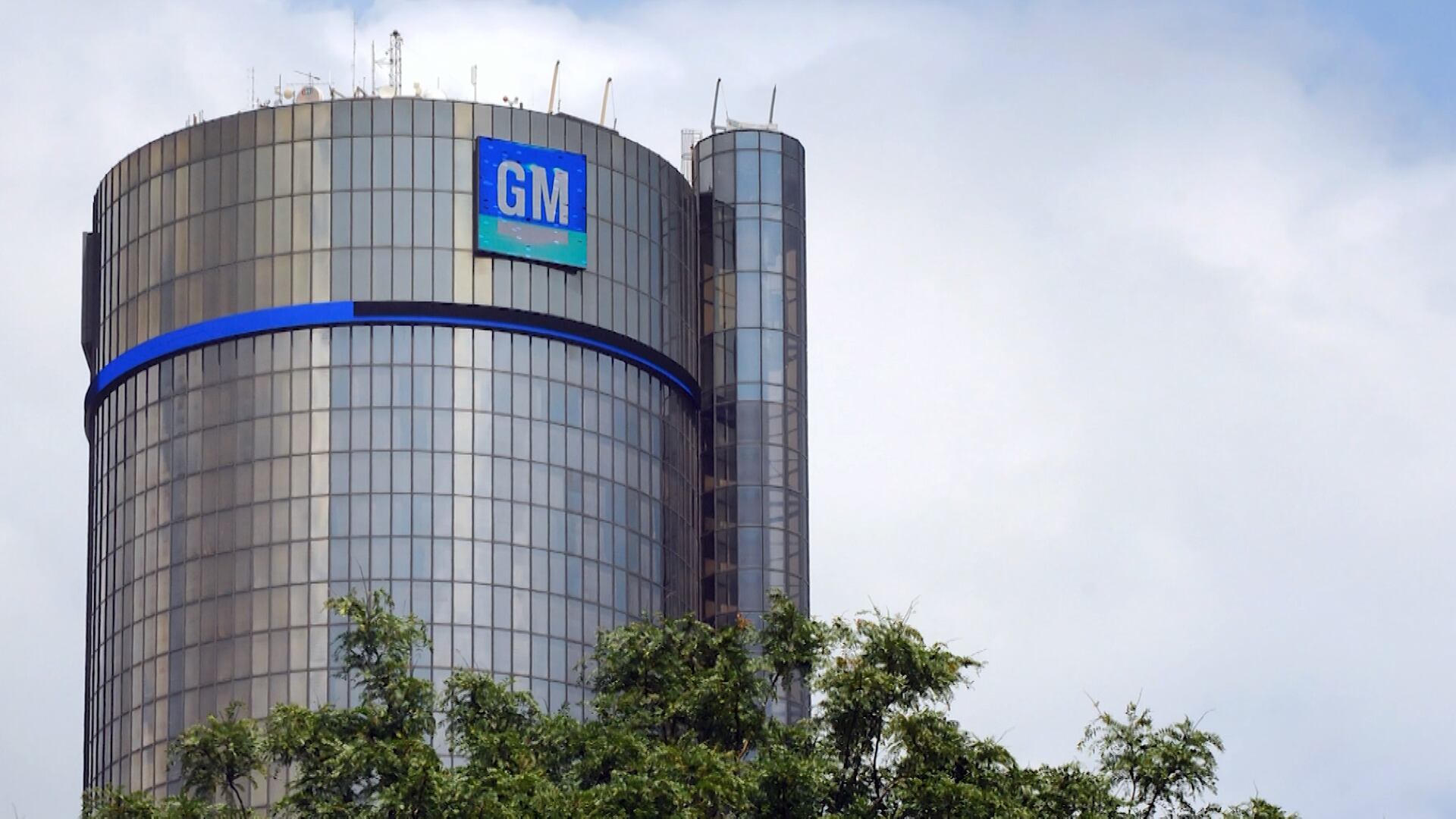
GM is scheduled to report its Q4 earnings after the bell on Tuesday February 1. Wall Street expects a miss as the automaker navigates the global chip shortage, which has hit car sales hard. Investors are looking for an update on production, as well as outlook for the electric vehicles that GM is investing billions to bring to market. Karl Brauer, executive analyst at iseecars.com, joined Cheddar to give a preview of the automaker's report.
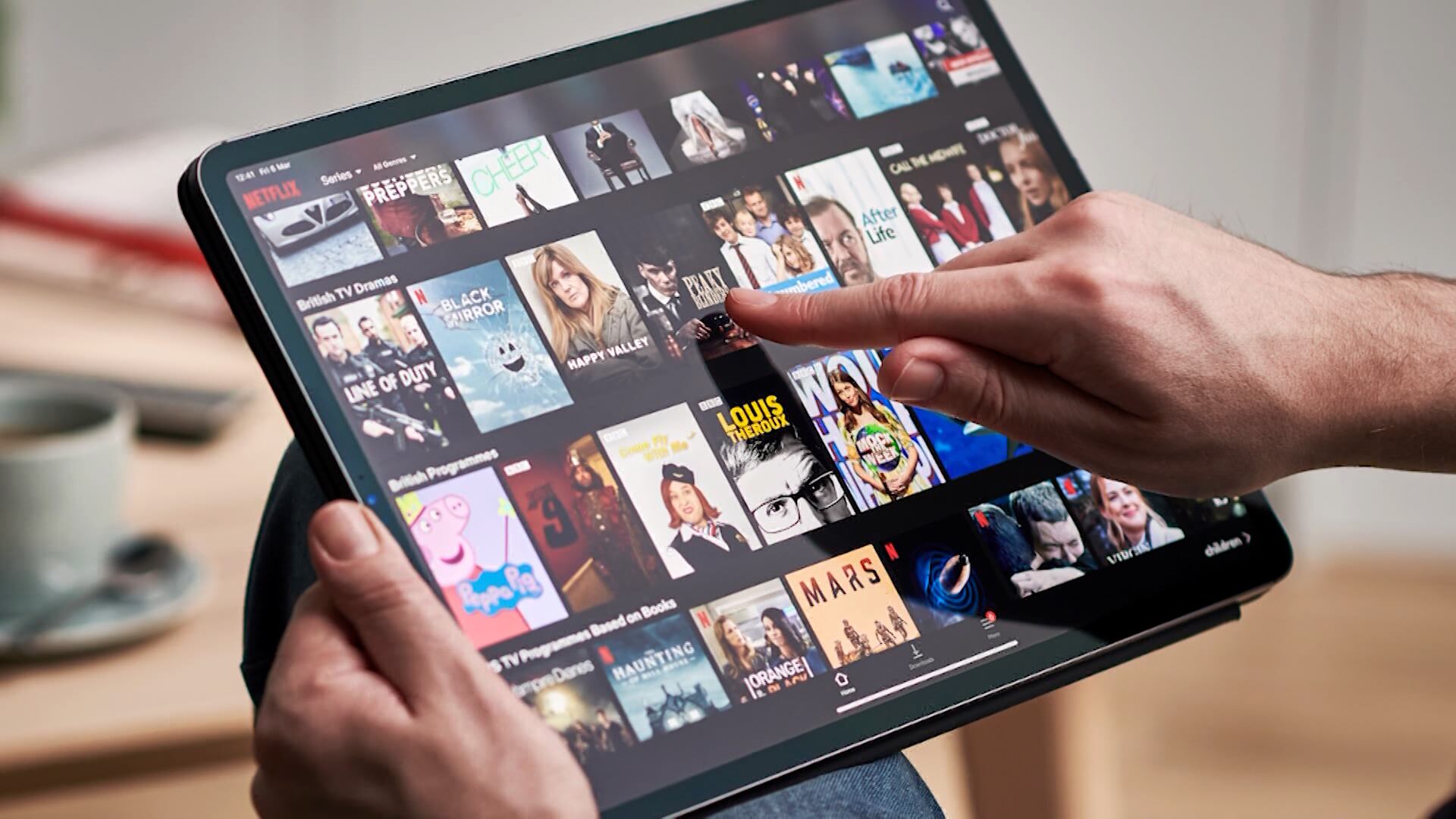
Recent data reveals that streaming giants are struggling to retain subscribers in the months following a major release.
According to data from Antenna, subscriber trends show that users will subscribe to a given streaming service just to watch a particular show, and then cancel those subscriptions shortly after. This comes as the streaming space continues to heat up as new entrants crowd the space. Jon Christian, Founding Partner + Digital Supply Chain Leader at OnPrem joined Cheddar's Opening Bell to discuss.