The U.S. Navy says it has seized an arms shipment of thousands of assault weapons, machines guns and sniper rifles hidden aboard a ship in the Arabian Sea.
By Jon Gambrell
The U.S. Navy announced Sunday it seized an arms shipment of thousands of assault weapons, machines guns and sniper rifles hidden aboard a ship in the Arabian Sea, apparently bound for Yemen to support the country's Houthi rebels.
An American defense official told The Associated Press that the Navy's initial investigation found the vessel came from Iran, again tying the Islamic Republic to arming the Houthis despite a United Nations arms embargo. Iran's mission to the U.N. did not immediately respond to a request for comment, though Tehran has denied in the past giving the rebels weapons.
The seizure, one of several amid the yearslong war in Yemen, comes as the U.S. and others try to end a conflict that spawned one of the world's worst humanitarian disasters. The arms shipment, described as sizeable, shows that the war may still have far to run.
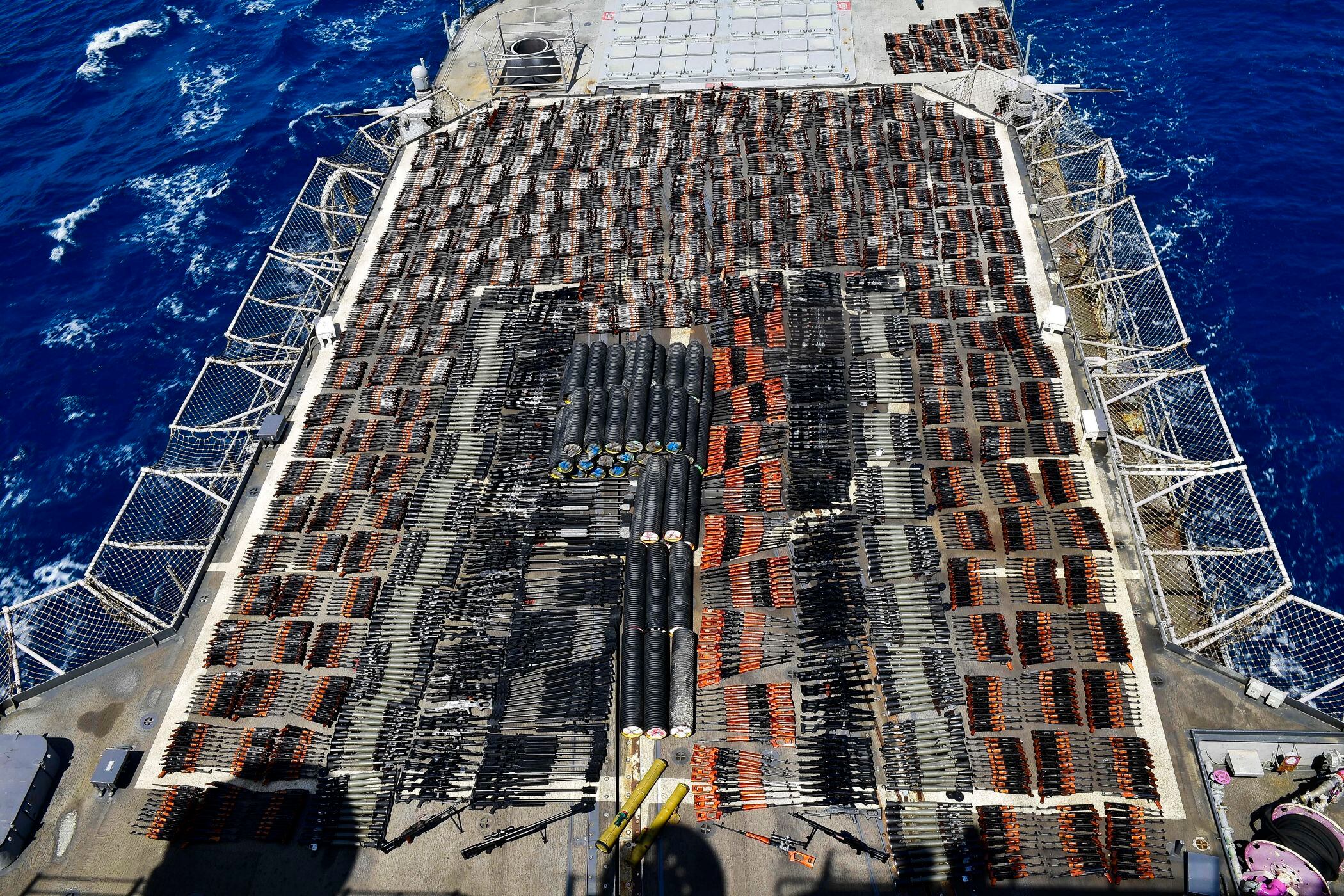
The guided-missile cruiser USS Monterey discovered the weapons aboard what the Navy described as a stateless dhow, a traditional Mideast sailing ship, in an operation that began Thursday in the northern reaches of the Arabian Sea off Oman and Pakistan. Sailors boarded the vessel and found the weapons, most wrapped in green plastic, below deck.
When laid out on the deck of the Monterey, the scale of the find came into focus. Sailors found nearly 3,000 Chinese Type 56 assault rifles, a variant of the Kalashnikov. They recovered hundreds of other heavy machine guns and sniper rifles, as well as dozens of advanced, Russian-made anti-tank guided missiles. The shipments also included several hundred rocket-propelled grenade launchers and optical sights for weapons.
The Navy's Mideast-based 5th Fleet did not identify where the weapons originated, nor where they were going. However, an American defense official said the weapons resembled those of other shipments interdicted bounded for the Houthis.
Based on interviews with the crew and material investigated on board, the sailors determined the vessel came from Iran, said the official, who spoke on condition of anonymity to discuss the ongoing investigation.
“After all illicit cargo was removed, the dhow was assessed for seaworthiness, and after questioning, its crew was provided food and water before being released,” the 5th Fleet said in a statement.
The seizure marks just the latest in the Arabian Sea or Gulf of Aden involving weapons likely bound to Yemen. The seizures began in 2016 and have continued intermittently throughout the war, which has seen the Houthis fire ballistic missiles and use drones later linked to Iran. Yemen is awash with small arms that have been smuggled into poorly controlled ports over years of conflict.
This recent seizure appeared to be among the biggest. Tim Michetti, an investigative researcher who studies the illicit weapon trade, also said the shipment bore similarities to the others.
“The unique blend of materiel recovered by the USS Monterey appears to be consistent with the materiel from previous interdictions, which have been linked to Iran,” he said.
Yemen’s war began in September 2014, when the Houthis seized Sanaa and began a march south to try to seize the entire country. Saudi Arabia, along with the United Arab Emirates and other countries, entered the war alongside Yemen’s internationally recognized government in March 2015. Iran backed the Houthis, who harass Saudi Arabia with missile fire and drone attacks.
The war has killed some 130,000 people, including over 13,000 civilians slain in targeted attacks, according to the Armed Conflict Location & Event Project.
Since 2015, the U.N. Security Council has imposed an arms embargo on the Houthis. Despite that, U.N. experts warn “an increasing body of evidence suggests that individuals or entities in the Islamic Republic of Iran supply significant volumes of weapons and components to the Houthis.”
___
Follow Jon Gambrell on Twitter at www.twitter.com/jongambrellAP.
A new report from ProPublica and the Washington Post found that Facebook Groups played a major role in the spread of misinformation linked to the January 6 insurrection with more than 650,000 posts claiming that Joe Biden's election victory was illegitimate.
Millions of Americans with young children have relied on the child tax credit since the federal government began issuing checks in July 2021. The last round of payments was sent out just before the Christmas holiday — at the same time as the omicron variant surged. Leah Hamilton, associate professor of social work at Appalachian State University, joined Cheddar to discuss what the end to the tax credit means as the U.S. sees the end of many relief programs and its highest number of COVID cases since the start of the pandemic. "It'll become harder for families to meet their basic needs, increasing national childhood poverty rates and the proportion of families who have difficulty putting food on the table, maintaining stable housing, and paying their bills," Hamilton said. She also pointed to research that the credit as a long-term investment in children offsets claims that it contributes to macroeconomic impacts like inflation.
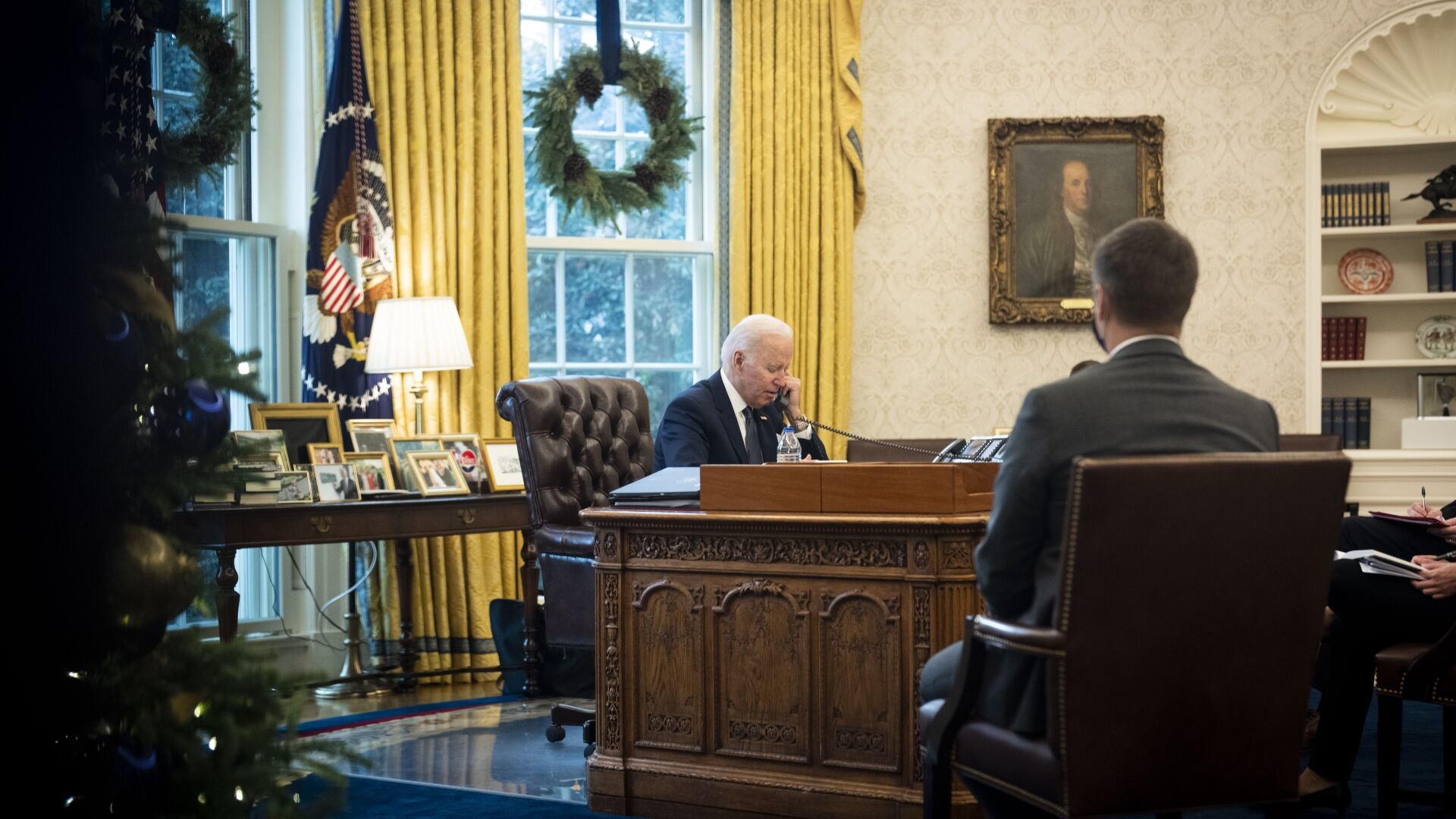
U.S. President Joe Biden spoke with Ukrainian President Volodymyr Zelensky over the week-end, just days after he spoke with Russian President Vladimir Putin. The call comes as Washington prepares to meet with Moscow on January 10, as tensions mount over Russia's military build up near its border with Ukraine. Cheddar News speaks with Mustafa Tameez, a former advisor to the U.S. Department of Homeland Security, about the issue.
Several Silicon Valley insiders are being accused of contorting a 1990s-era tax break to avoid taxes on millions of dollars of investment profits. The tax break is known as the qualified small business stock exemption, and it allows early investors in certain companies to avoid half of the taxes on up to $10 million in capital gains. A piece recently published in the New York Times says venture capital firms like Andreessen Horowitz replicated the tax exemption by giving shares of companies to friends and family, who would otherwise face a 23.8% capital gains bill. The CEO of Roblox is also accused of replicating the tax break for his family members at least 12 times. Although the loophole known as 'stacking' is considered to be legal, the Times piece implies that the exemption has been manipulated for the ultra-wealthy to become more wealthy. Greycroft co-founder and Chairman Emeritus Alan Patricof joins Cheddar News' Closing Bell to discuss.
Chris Sommerfeldt, City Hall reporter for the New York Daily News, joins Cheddar News' Closing Bell, where he discusses both the wins and losses of Bill de Blasio's eight years as New York City Mayor.
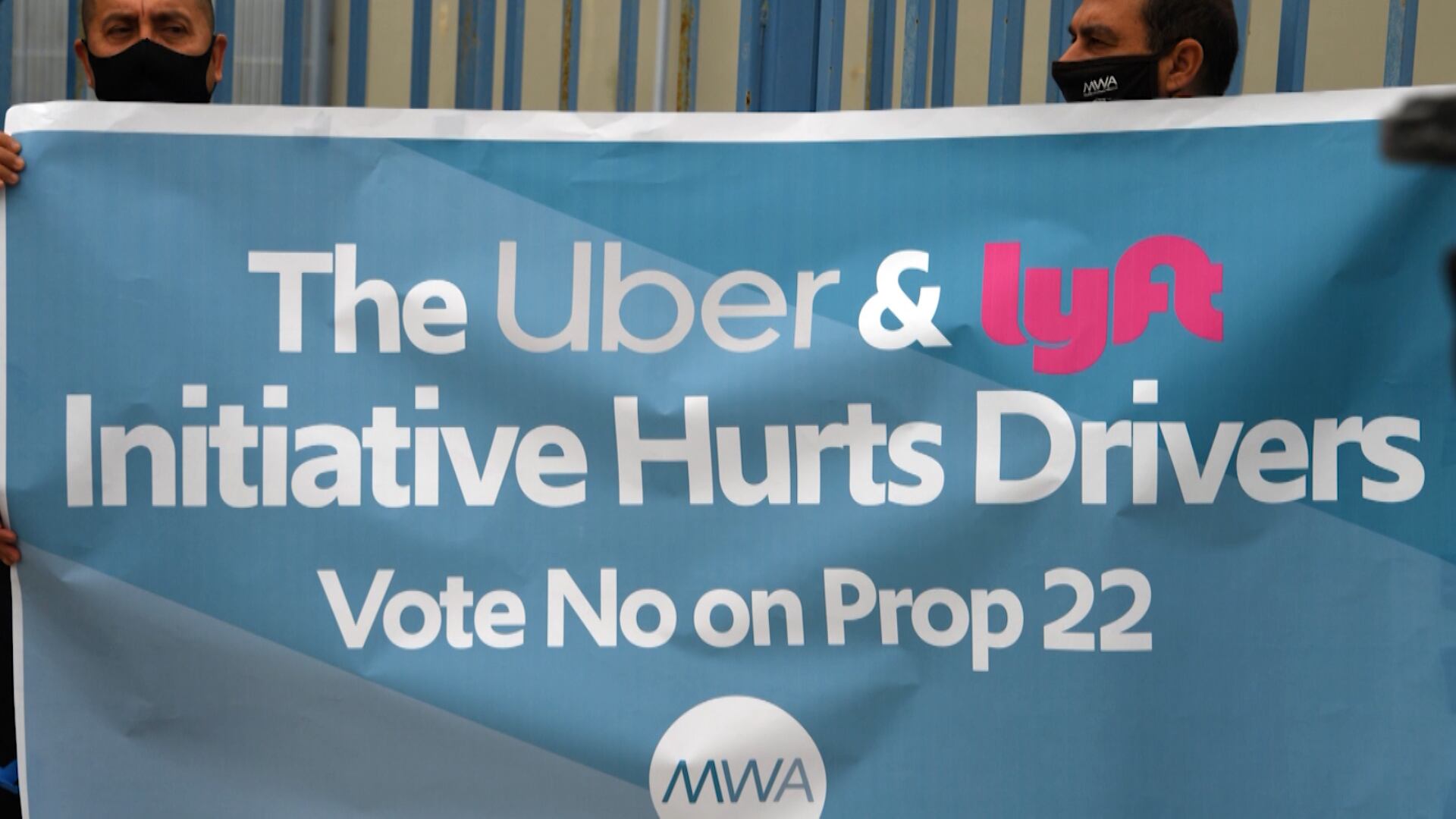
The push to regulate the gig worker economy is gaining steam as the share of workers who participate in freelancing through businesses like Uber and Lyft have also exponentially grown during the pandemic. Employment attorney Mark Kluger, founding partner at Kluger Healey, LLC, joined Cheddar to break down how the battle to reclassify gig workers will continue in the new year, and why the issue continues to generate conflict. "More and more workers are using gig work as their primary source of income and as a result of that they are not like employees in the sense that they don't have benefits like health insurance," Kluger noted.
2021 saw markets continue to be impacted by the onslaught of the coronavirus pandemic -most recently in the form of the Omicron variant- in addition to the global supply chain shortage, and increased inflation. But it wasn't all bad news, as crypto soared throughout the year, and meme stocks continued to have a moment. With the year coming to a close, investors are keeping an eye out to see if they should expect more of the same in the new year. Chris Vecchio, Senior Analyst, at DailyFX tells us what market trends to be on the watch for in 2022.