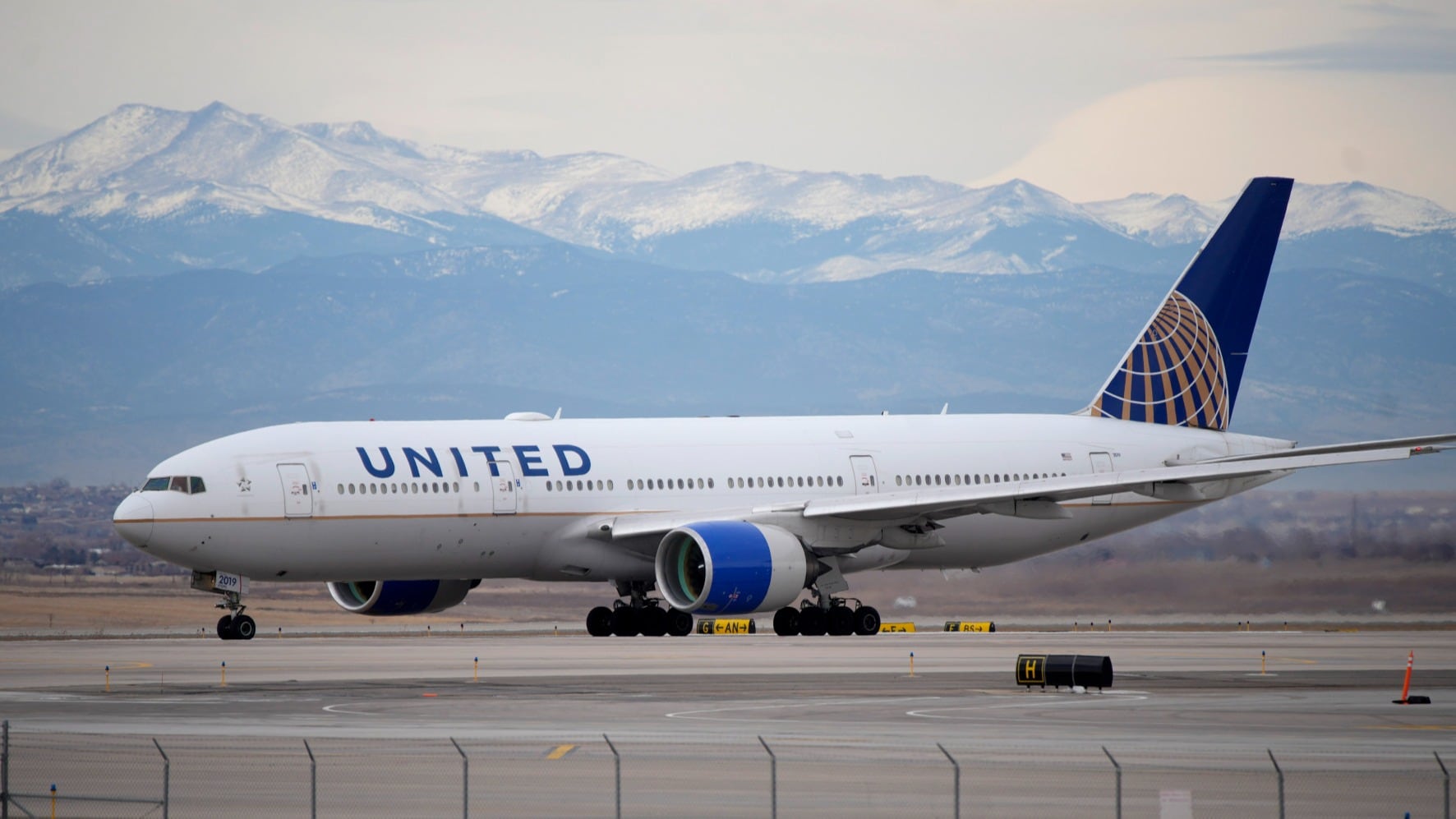
A United Airlines jetliner taxis to a runway for take off from Denver International Airport, Dec. 27, 2022. (AP Photo/David Zalubowski)
By David Koenig
United Airlines said Tuesday it repaired a technology glitch that had forced it to halt departures nationwide, briefly crippling one of the nation's biggest carriers on a busy travel day.
Federal officials said United crews had been unable to contact airline dispatchers through normal means.
“United asked the FAA to pause the airline’s departures nationwide,” the Federal Aviation Administration said on X, the social media site formerly known as Twitter.
The FAA said the issue was limited to United and its subsidiaries. It was less than an hour from the time that the FAA issued a bulletin about United's ground stop until the agency said that flights were resuming — shortly before 2 p.m. Eastern time.
“We have identified a fix for the technology issue and flights have resumed,” United said in a statement. “We’re working with impacted customers to help them reach their destinations as soon as possible.”
United said earlier that it was “experiencing a systemwide technology issue" and was holding up all departing planes. Flights that were already in the air when the technology problem occurred continued to their destinations, the airline said.
By midafternoon Tuesday on the East Coast, United had canceled only seven flights, well below its average of about 16 per day over the busy Labor Day weekend, according to figures from tracking service FlightAware.
However, more than 300 United flights were delayed — 12% of the carrier's schedule, far more than rivals American, Delta and Southwest — on a day that many holiday vacationers were expected to fly home.
Transportation Secretary Pete Buttigieg, who has criticized airlines for flight problems and other issues over the past year, posted that the FAA was “receiving more information about the cause and scope of the issue, and DOT will make sure UA meets its obligations to affected passengers.”
The FAA is part of the Department of Transportation.
Shares of Chicago-based United Airlines Holdings Inc. fell on news of the ground stop and were down almost 3% in afternoon trading.
Meta wants creators to make money from the metaverse, but it's going to take a large chunk of the cut. The tech giant is planning to keep nearly 50% of all digital asset sales within Horizon Worlds, the virtual reality platform that's considered an integral part of the company's unfolding metaverse. Rolf Illenberger, Co-founder and Managing Director of VRdirect, joined Cheddar to discuss why Meta is taking heat for this move, and what it could be doing as an alternative to help support creators, small businesses, and consumers.
Grayscale recently launched its Future of Finance ETF ($GFOF) for investors to benefit from innovative businesses that it sees as critical to building the digital economy. CEO Michael Sonnenshein joined Cheddar to discuss the fund, companies making the most impact, and ways in which investors can expand holdings in the digital economy. “When we think about how investors should be building out their portfolios, we felt that there was a really important opportunity to also provide investors with access to the broadly defined digital economy, really, that confluence between technology and finance," he said.
Al Root, Senior Writer at Barron's, discusses possible scenarios if a Twitter buyout deal goes through and what a takeover means for the future of the social media platform.
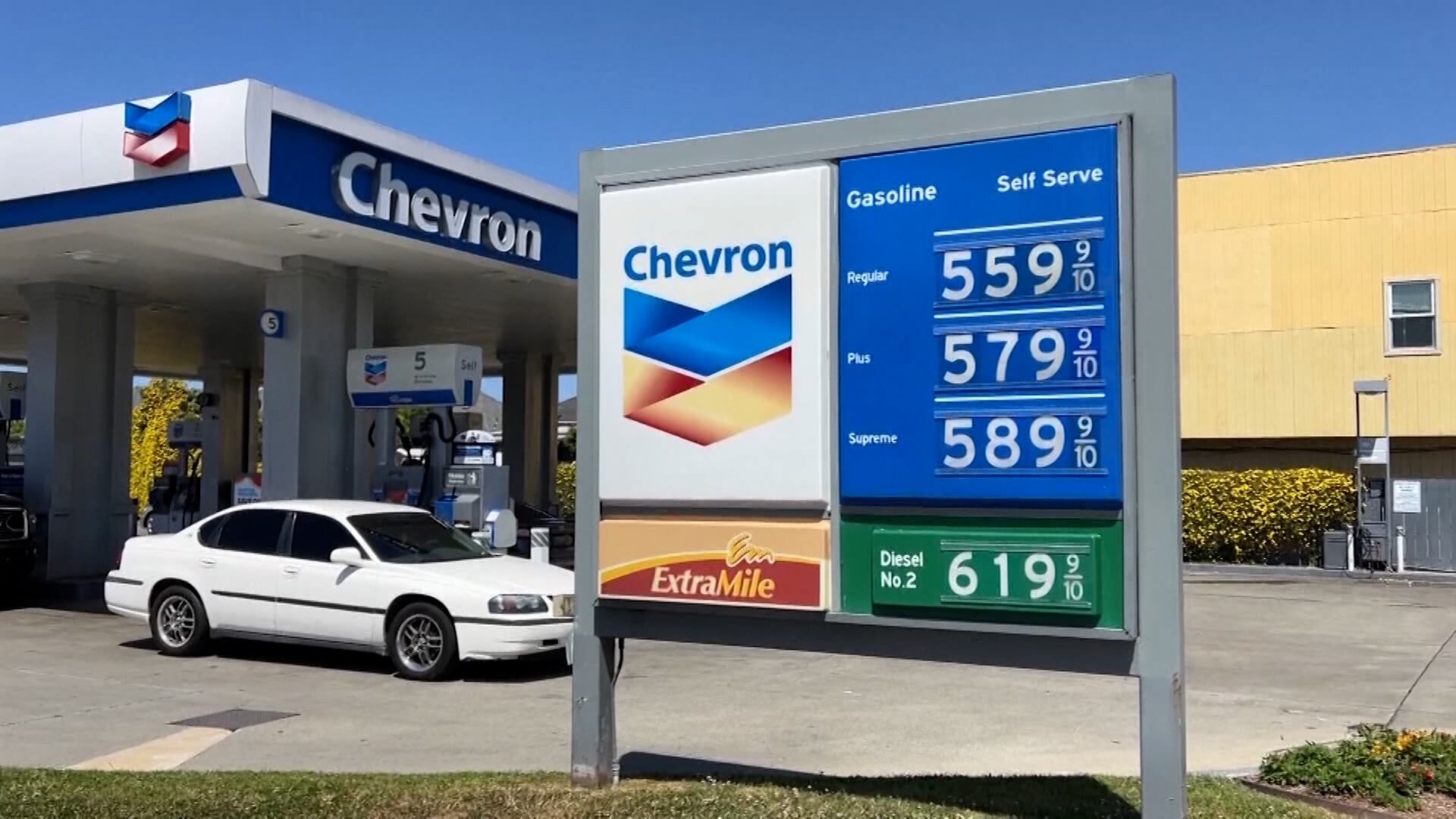
Gas prices took up a big share of consumer spending in March. Retail sales climbed 0.5% from the previous month as Americans are forced to spend more money on food, gasoline, and other necessities. Kayla Bruun, Economic Analyst at Morning Consult, breaks down her outlook on consumer spending as prices continue to rise.
Kristina Hooper, Chief Global Market Strategist at Invesco, discusses the biggest takeaways from Bank of America's earnings and highlights what investors should watch as BigTech reports this week.
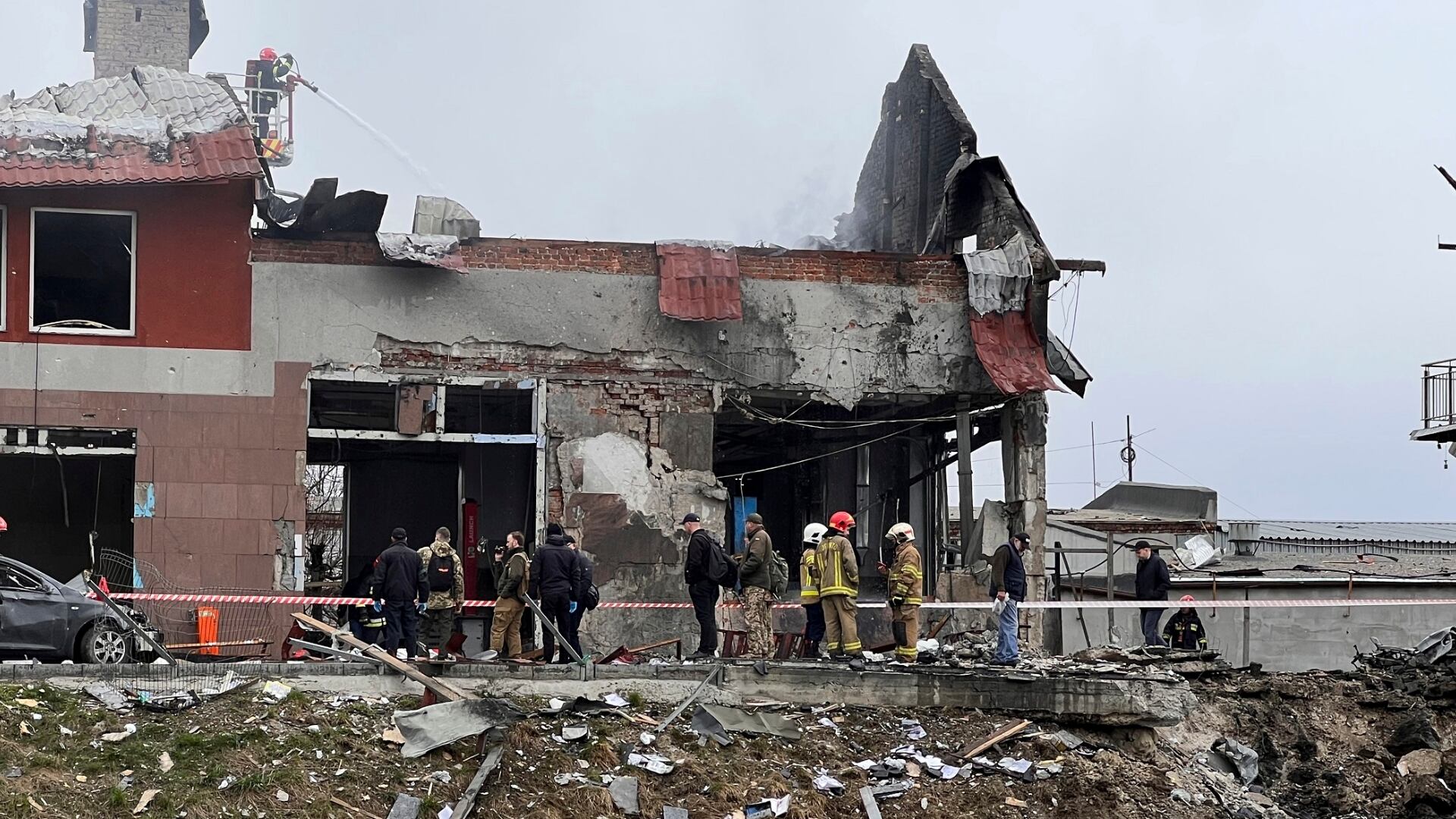
Catching you up on what you need to know on April 18, 2022, with Russian missile attacks on the Ukrainian city of Lviv killing seven, mass shootings in South Carolina and Pittsburgh, Lucky Charms cereal under official investigation by the FDA, and more.