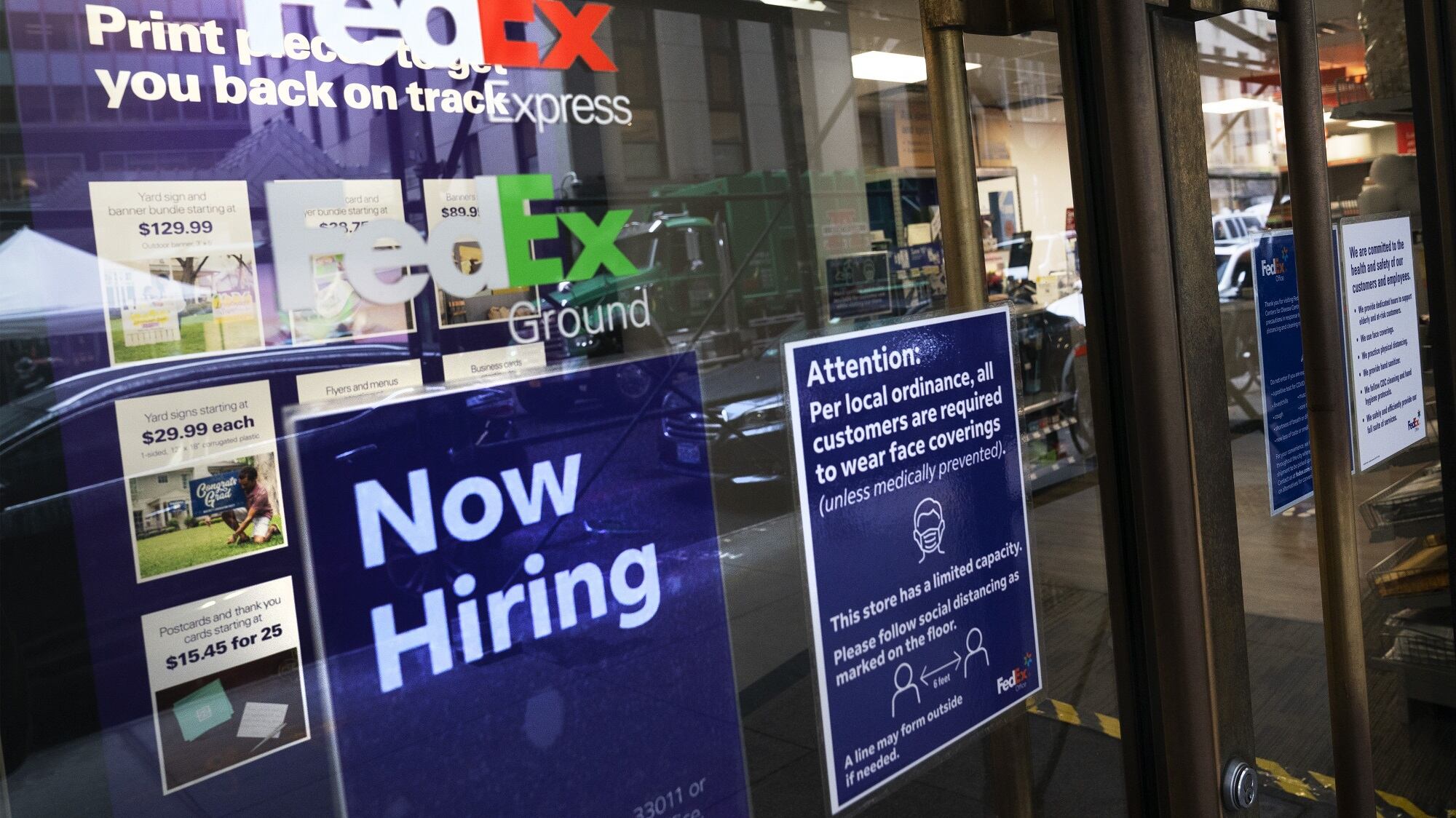
A sign in the window of a FedEx office reads, "Now Hiring," Monday, Oct. 26, 2020 in New York. (AP Photo/Mark Lennihan)
By Christopher Rugaber
U.S. employers added 638,000 jobs in October, a solid pace though far fewer than needed to regain most of the jobs lost to the pandemic recession just as new viral cases are setting record highs.
The gain suggested that a tentative economic recovery may remain intact even in the face of a surging viral outbreak.
The report Friday from the Labor Department said the unemployment rate fell to 6.9% from 7.9% in September. But eight months after the virus struck the United States, the economy still has recovered barely half the 22 million jobs that were lost to the pandemic.
The job market and the overall economy are under intense pressure from the accelerating pandemic. On Thursday, the nation broke another record in the seven-day rolling average for new cases, hitting nearly 90,000. Daily new cases were also on track for another day above 100,000, with surging numbers reported all around the country, including a combined nearly 25,000 in Texas, Illinois and Florida.
The economy, which had rebounded sharply in the July-September quarter as businesses reopened from virus-related shutdowns, is now expanding more slowly. Many businesses, especially restaurants and bars that had made use of outdoor seating, face a dim future as the weather turns colder. Consumers may also pull back again on shopping, traveling and other activities to avoid contracting the virus.
Friday's report follows the expiration of government stimulus for struggling individuals, businesses and state and local governments and the failure of Congress to provide further aid.
Consumer spending on services like restaurants, health care and haircuts is rising much more slowly this fall after having rebounded in May and June. It remains 7% below the pre-pandemic level — a decline that threatens many labor-intensive parts of the economy. The restaurant reservations website OpenTable shows, for example, that just three-quarters of restaurants are now taking reservations, a decline from three weeks ago.
The slowdown has coincided with the waning of $1,200 checks that were sent to most adults in the spring and a $600-a-week federal jobless benefit that expired in July. That was followed by an additional $300 that lasted through mid-September. A study by JPMorgan Chase found that Americans spent roughly two-thirds of such money by the end of August.
“The economy is on its own against the virus,” said AnnElizabeth Konkel, an economist at the job-posting website Indeed. “Accelerating cases are an ever-present threat during winter, and a virus surge means economic uncertainty for businesses. Until that uncertainty is eliminated, the labor market will struggle to return to what it used to be.”
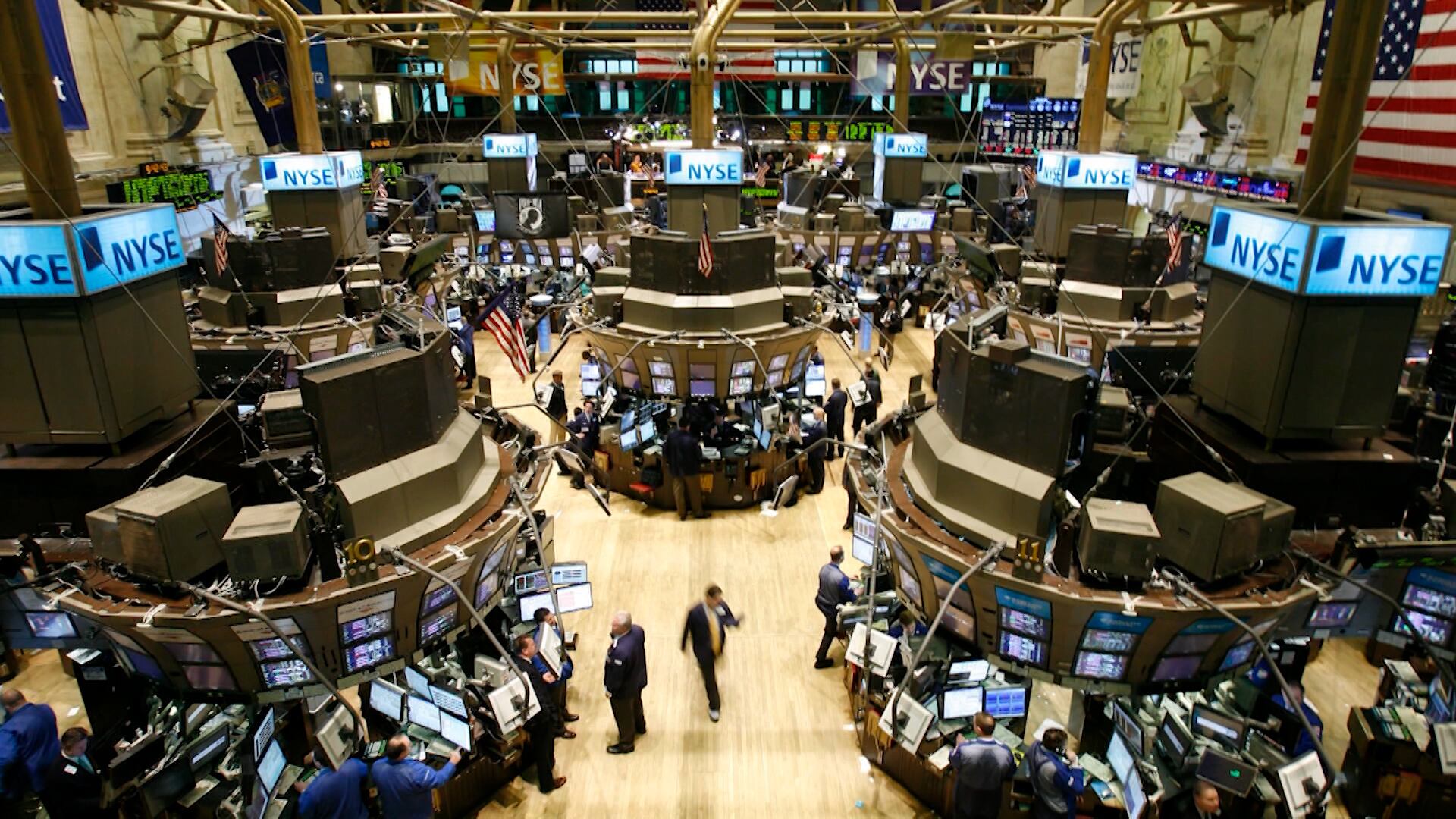
U.S. stocks closed Thursday at their lowest levels of the trading day, as investors continue to eye inflation ahead of the May CPI report out Friday. Art Hogan, Chief Market Strategist for National Holdings, joins Cheddar News' Closing Bell to discuss.
Creating a brand is one of the most important steps in building a business. It can help set you apart from the competition and tells customers what your values are, but many companies don't know how to brand themselves effectively. Tiana Von Johnson, CEO & Chief Brand Strategist of TVJ World, gives expert tips on the do’s and don’ts of branding.
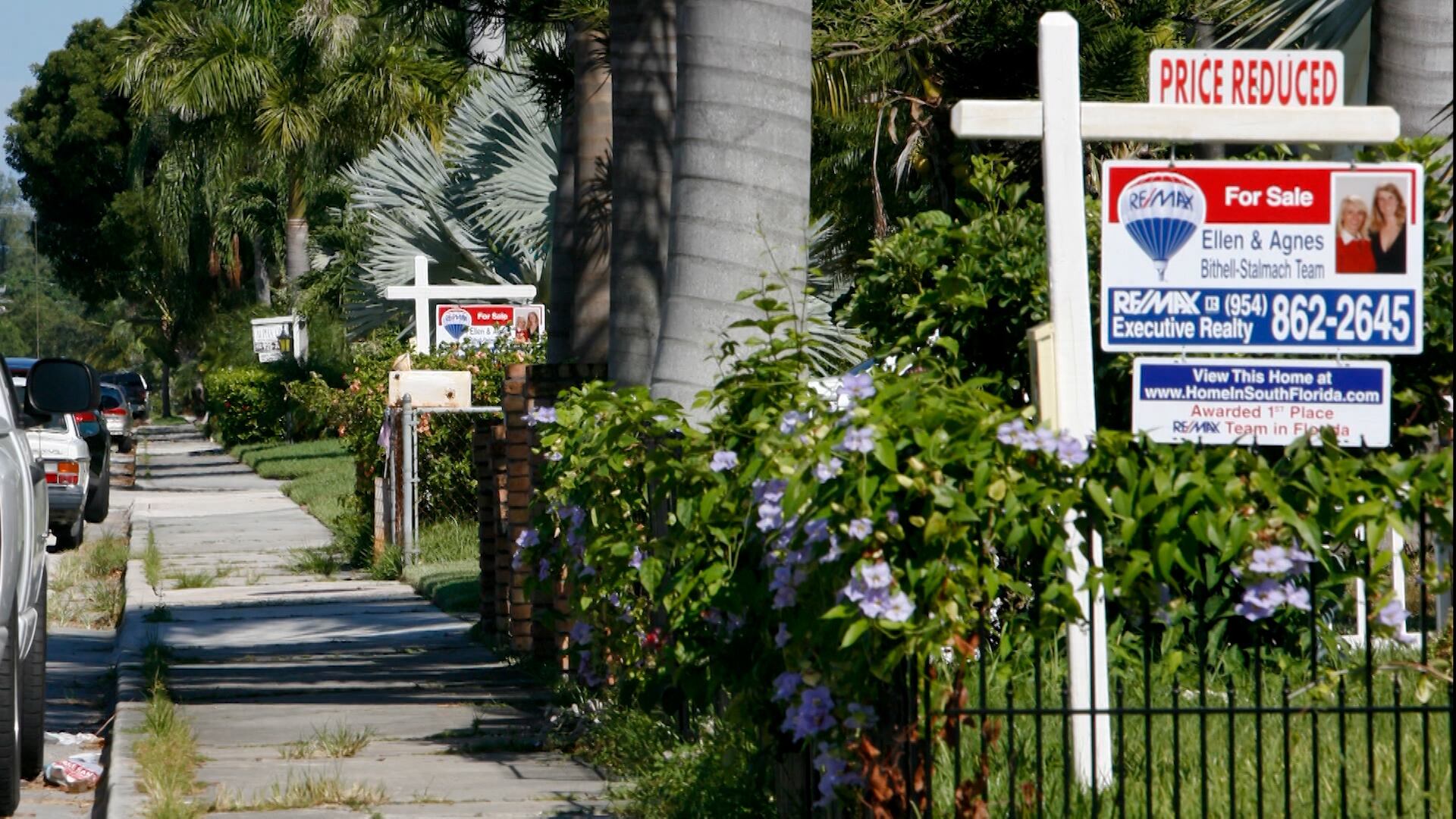
Housing affordability has collapsed to its lowest level on record over the last year. According to the national association of realtors, affordability has dropped by 29%, thanks to surging home prices and mortgage rates. Odeta Kushi, Deputy Chief Economist of First American, breaks down the housing market, and when buyers can expect prices to finally drop.
U.S. markets opened sharply lower on Friday on hotter-than-expected inflation data. The May CPI showed an 8.6% jump in consumer prices year-over-year, higher the expected 8.3%. Mark Howard, Senior Multi-Asset Specialist at BNP Paribas joined Cheddar's Opening Bell to discuss.
U.S. stocks closed Friday at session lows after May CPI data showed inflation in the U.S. has not peaked and is still rising rapidly. For the week, the S&P fell 5.06%, the Dow lost 4.58%, and the Nasdaq dropped 5.60%, marking the worst week since January for all three major indexes. Mike Zigmont, Head of Trading and Research at Harvest Volatility Management, joins Cheddar News' Closing Bell to discuss.
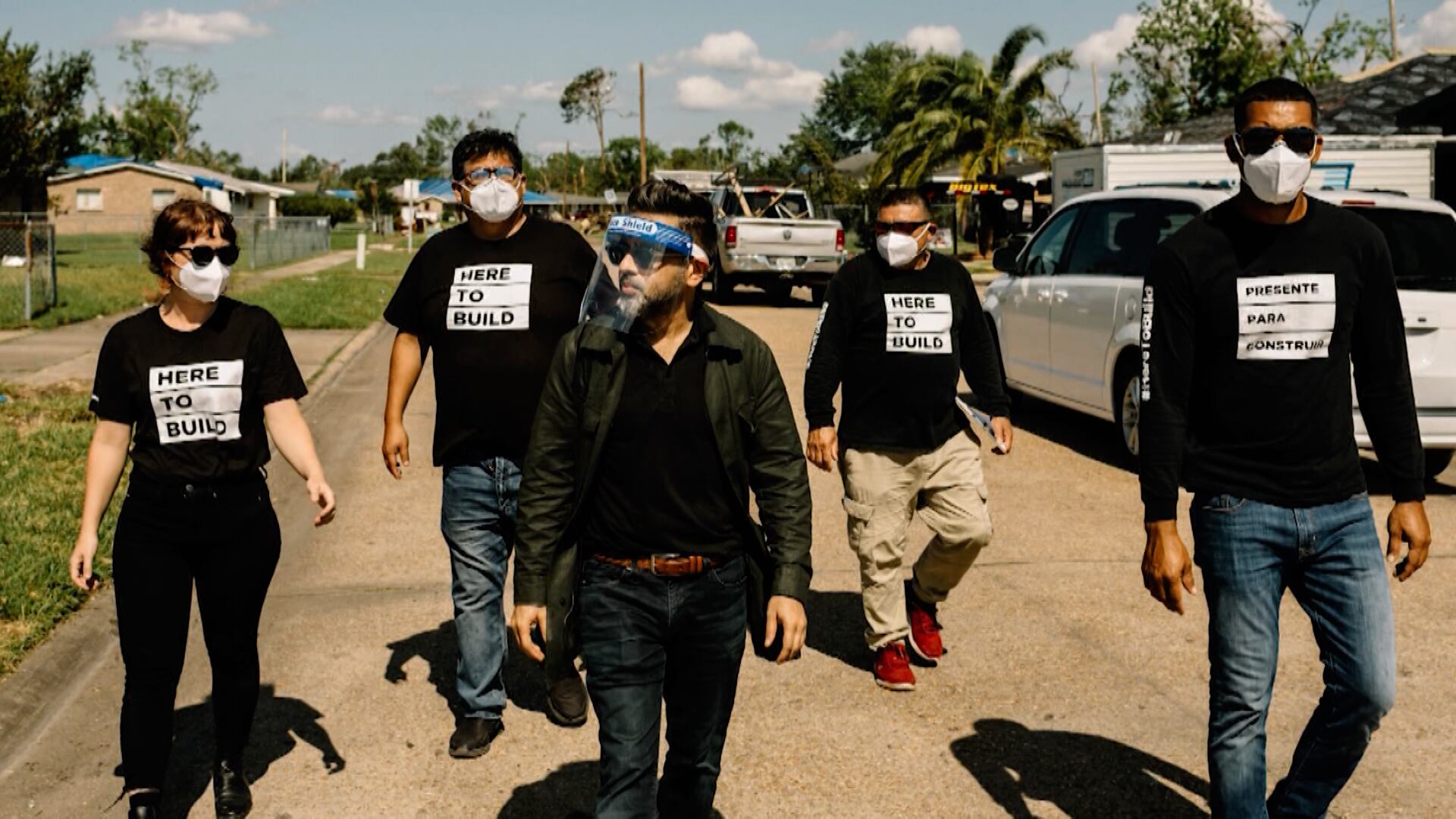
Residents often have to wait on federal assistance after a disaster, but one group has a solution: hiring community members to help clean up and improve their neighborhoods. Resilience Force tackles two problems at once by creating jobs in response to growing climate-related disasters. LaTanja Silvester, director of New Orleans programming for Resilience Force, joins Closing Bell to discuss how the organization creates jobs in communities that need help and higher employment, the importance of creating a "green" workforce, and more.
Benefits brokerage, Nava Benefits, raised $40 million in a Series B round. Nava says it's on a mission to fix healthcare, one benefits plan at a time. The startup is working to bring benefits to small business that are normally available to only Fortune 500 companies. Brandon Weber, Co-Founder and CEO of Nava Benefits, joined Cheddar News' Closing Bell to discuss.
Yung Lim, CEO and Fixed Income Strategist at FolioBeyond, joined Closing Bell to discuss the May CPI report, as inflation is still red-hot going into a key decision from the Federal Reserve about interest rates.